Choose Technology That Can Be Updated Over Time Instead of Becoming Obsolete


Choose Technology That Can Be Updated Over Time Instead of Becoming Obsolete
Technology evolves faster than ever. New devices and software appear constantly, and it can be tempting to replace everything from your phone to your smart thermostat whenever a new model comes out. But in an age where sustainability and financial responsibility matter more than ever, it makes sense to think differently: choose technology that can be updated and adapted over time instead of becoming obsolete.
Here’s a guide to help you make smarter, longer-lasting tech choices for your home and everyday life.
Think in Terms of Updates, Not Replacements
Many products become outdated not because they break, but because the software that runs them is no longer supported. This applies to everything from smartphones to smart home hubs. When buying new tech, check how long the manufacturer promises to provide software and security updates.
Companies that offer long-term software support show that they take product longevity seriously. This means you can enjoy new features and security patches without having to buy a new device every few years.
For example, some smartphone brands now guarantee updates for five to seven years, while others stop after just two. That difference can determine whether you replace your phone once a decade or several times.
Choose Modular and Repairable Products
Another way to avoid obsolescence is to choose modular technology—products designed so that parts can be replaced or upgraded.
This could mean a laptop where you can swap out the battery or memory, or a smart appliance where the electronics can be updated without replacing the entire unit. Modular designs make it easier to keep up with new technology while reducing waste and saving resources.
The same goes for repairability. Look for brands that provide replacement parts and repair guides. The growing Right to Repair movement in the United States is pushing manufacturers to make repairs easier and more affordable, helping consumers extend the life of their devices.
Look for Open Standards and Compatibility
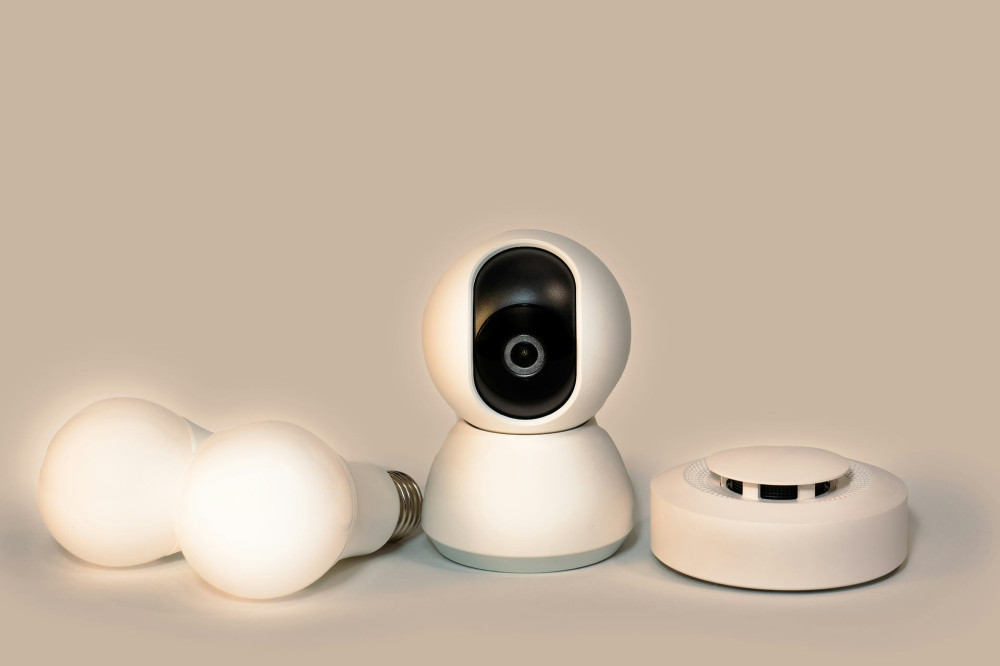
When investing in smart home products, it’s important to choose systems built on open standards. This ensures that your devices can communicate with products from other brands—both now and in the future.
A good example is the Matter standard, which allows smart lights, sensors, and thermostats from different manufacturers to work together seamlessly. By choosing open systems, you avoid being locked into one company’s ecosystem that might stop supporting its products later on. It gives you the freedom to expand and adapt your setup over time.
Consider Sustainability and Cost Over Time
Products designed for longevity and upgradability often cost more upfront, but they can save you money in the long run. You’ll avoid frequent replacements and get more value from your investment.
At the same time, you’ll be making a more sustainable choice. Manufacturing electronics requires significant energy and rare materials, so the longer you use your devices, the smaller your environmental footprint becomes. Some U.S. states are even introducing incentives for recycling and reusing electronics, making sustainability a practical as well as ethical choice.
Læs også:



Make Future-Proofing Part of Everyday Thinking
Choosing technology that can be updated isn’t just about gadgets—it’s about mindset. It’s a conscious decision to prioritize quality, flexibility, and responsibility.
Next time you’re about to make a purchase, ask yourself: Can this product evolve with time, or will it quickly become outdated? That simple question can lead to smarter spending, a smaller environmental impact, and a more sustainable relationship with technology.
Læs også: