Mindful Decorating with Plants – Create Calm and Presence in Your Home

Mindful Decorating with Plants – Create Calm and Presence in Your Home
In a world filled with constant notifications, busy schedules, and digital noise, our homes can become sanctuaries for peace and reflection. One of the most natural ways to bring balance and mindfulness into your living space is through plants. They don’t just add color and life to a room—they can also improve your mood, purify the air, and help you feel more connected to nature. Here’s how you can use plants to create a mindful home that nurtures calm and presence.
Plants as Green Breathing Spaces
Plants have a unique ability to reconnect us with the natural world, even in the middle of a city. When you surround yourself with greenery, your body and mind respond to the soothing rhythms of nature. Studies have shown that simply looking at plants can lower stress levels and improve focus.
Think of your plants as small breathing spaces within your home. A leafy corner, a windowsill filled with herbs, or a hanging plant in the living room can serve as visual pauses—places where your eyes and mind can rest.
Create Balance with Intentional Placement
Mindful decorating is about harmony—between function, aesthetics, and feeling. When placing your plants, do it with intention. Consider how the light moves through your home during the day and how each plant can enhance the atmosphere of a room.
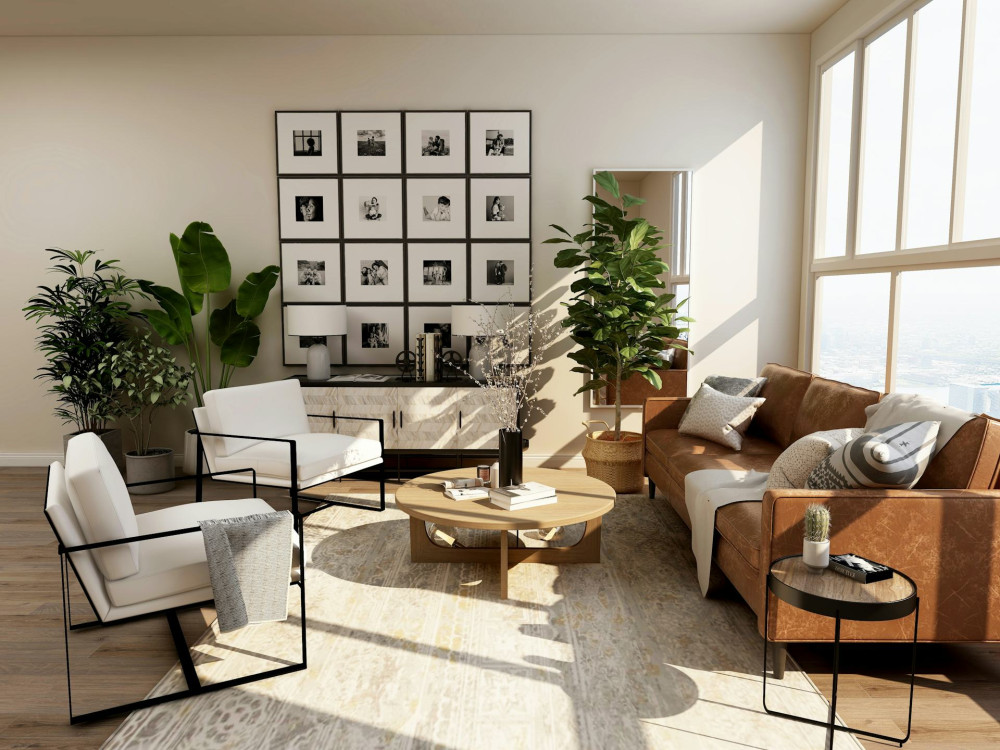
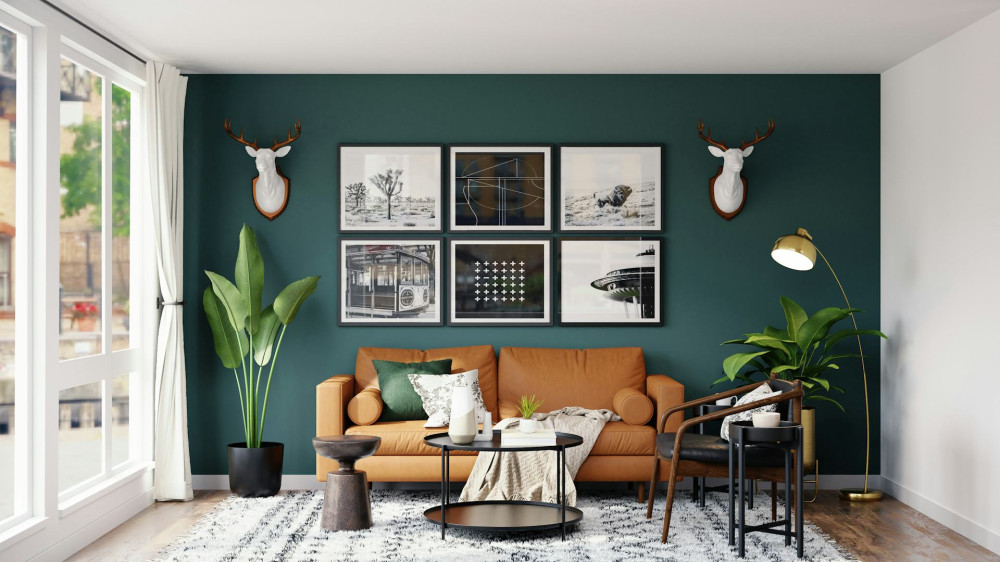
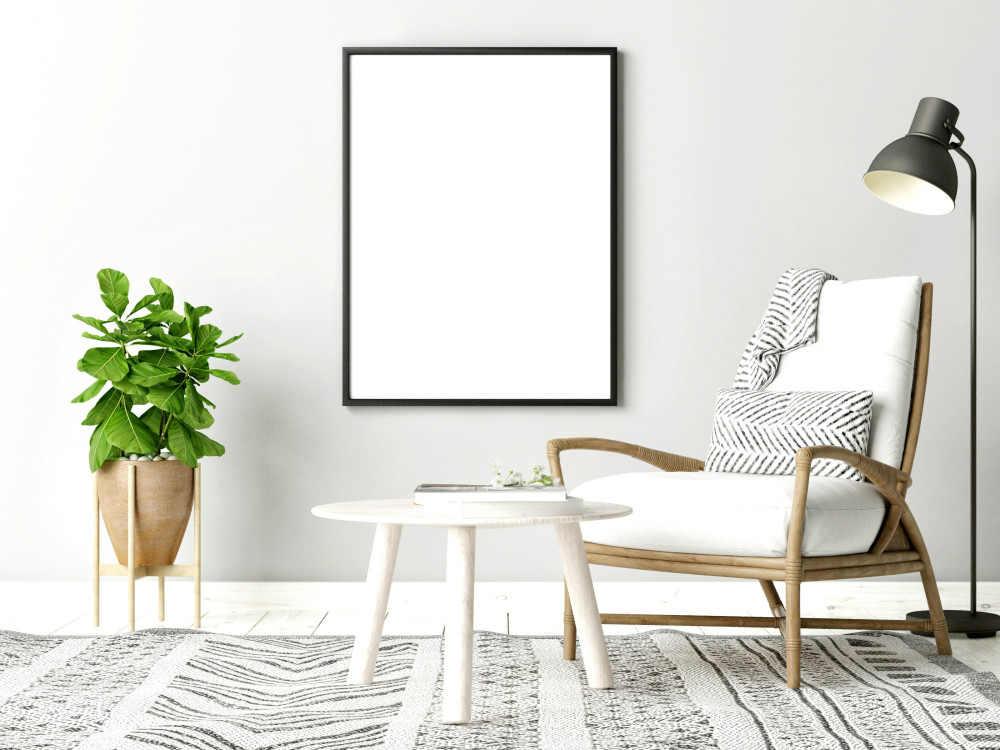
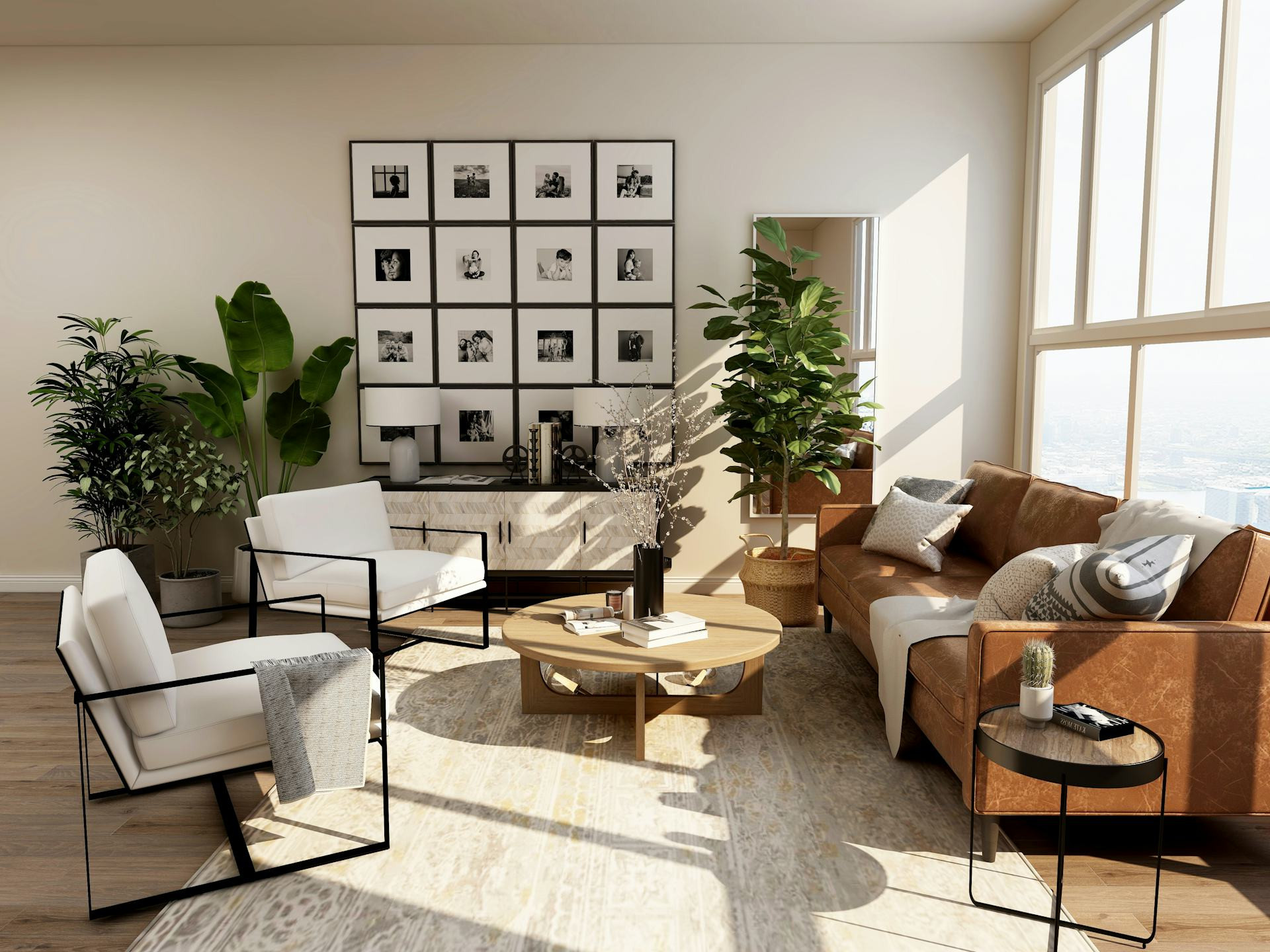
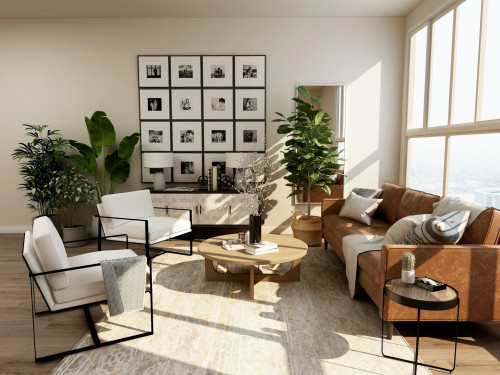
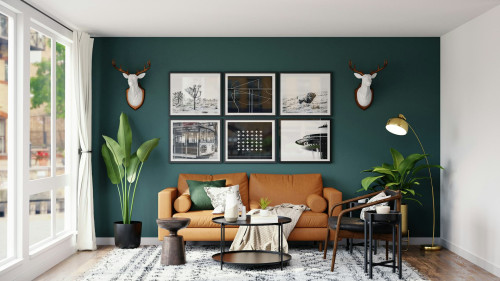
- In the living room, large plants like fiddle-leaf figs or rubber trees can bring a sense of calm and fullness, while smaller plants on shelves or coffee tables add life without cluttering the space.
- In the bedroom, choose air-purifying plants such as peace lilies or snake plants to support a healthier sleep environment.
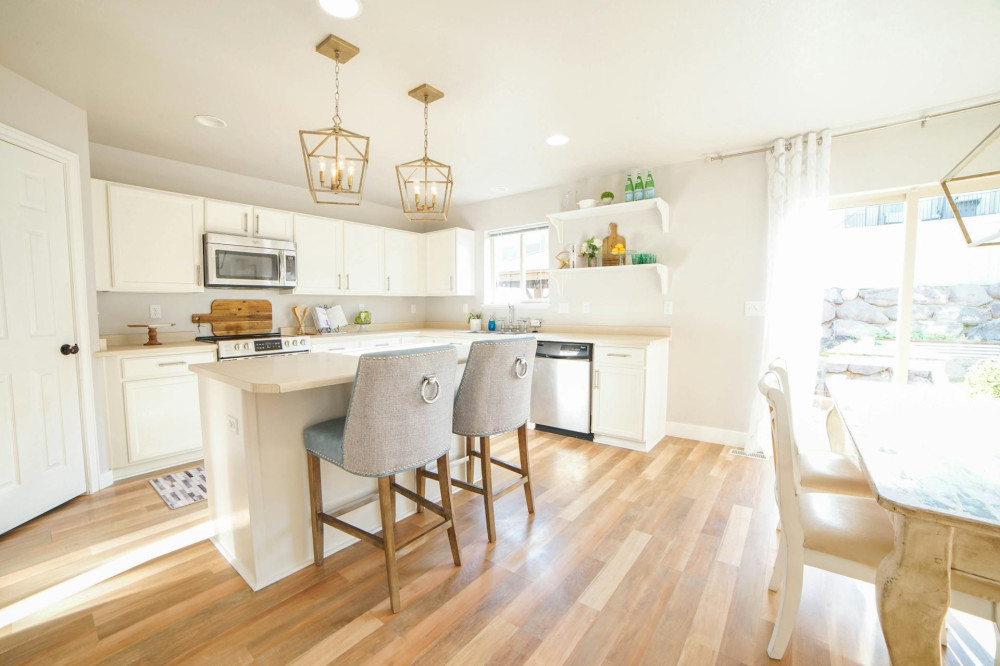
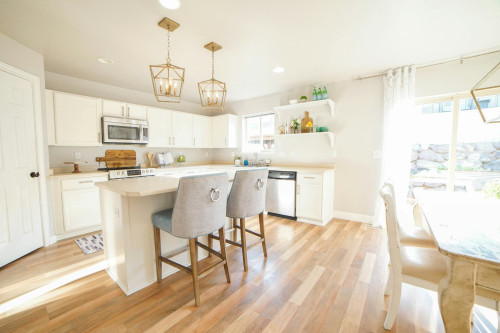
- In the kitchen, grow herbs like basil, mint, or rosemary. Their scent and flavor remind you to be present as you cook and nourish yourself.
Place your plants where you’ll naturally see and care for them—spots that invite you to pause, water, and appreciate their quiet growth.
Læs også:

Turn Plant Care into a Mindful Ritual
Caring for plants can be a form of meditation. When you water, prune, or repot, let it be a moment to slow down and focus on the task at hand. Notice the scent of the soil, the texture of the leaves, and the subtle changes as your plants grow.
Instead of viewing plant care as a chore, treat it as a small ritual—an opportunity to give attention and care, both to your plants and to yourself. This awareness is what transforms decorating into a mindful practice.
Choose Plants That Fit Your Lifestyle
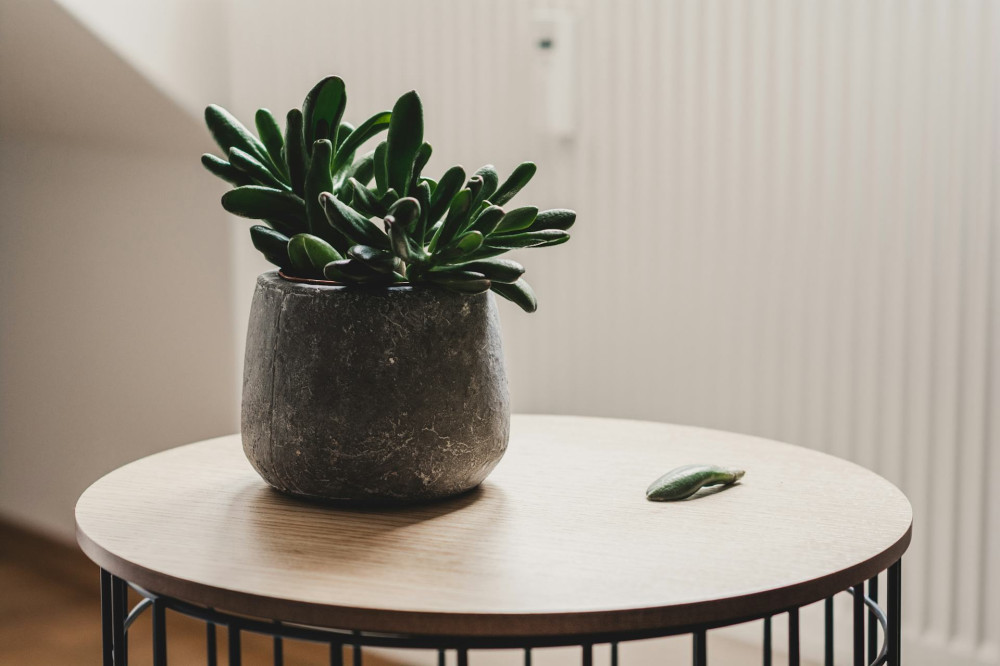
Mindful decorating also means creating an environment that feels natural and sustainable for you. If you’re new to plant care, start with low-maintenance varieties like succulents, pothos, or ZZ plants. If you have more experience, you might enjoy tending to more delicate species that require extra attention.
The key is to choose plants that suit your lifestyle and your home’s conditions. When your plants thrive without stress, they become a source of joy rather than obligation.
Combine Natural Materials and Earthy Tones
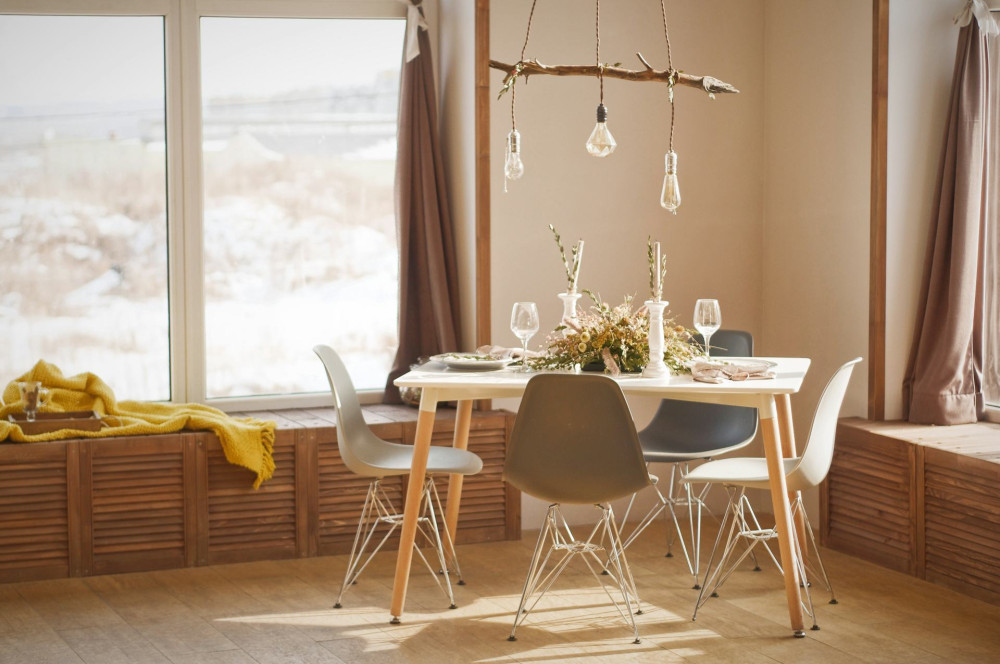
To enhance the sense of calm, pair your plants with natural materials such as wood, clay, stone, or linen. A terracotta pot, a woven basket, or a wooden shelf can complement the organic feel and create a cohesive, grounded atmosphere.
Color also plays a role. Soft greens, warm neutrals, and natural textures in your décor can tie the space together and amplify the soothing energy of your plants. It’s not about filling every corner with greenery, but about creating a balanced environment where nature feels like an integral, peaceful presence.
A Home That Invites Stillness
When you decorate mindfully with plants, you’re not just designing a beautiful space—you’re cultivating a home that invites calm, awareness, and reflection. Your plants become gentle reminders to breathe, slow down, and be present in the moment.
A green corner can become your daily retreat—a place to find balance amid the pace of modern life. And perhaps, in nurturing your plants, you’ll discover that the peace you seek in nature also grows quietly within your own home.
Læs også: