How to Create a Functional Home After the Kids Have Moved Out

How to Create a Functional Home After the Kids Have Moved Out
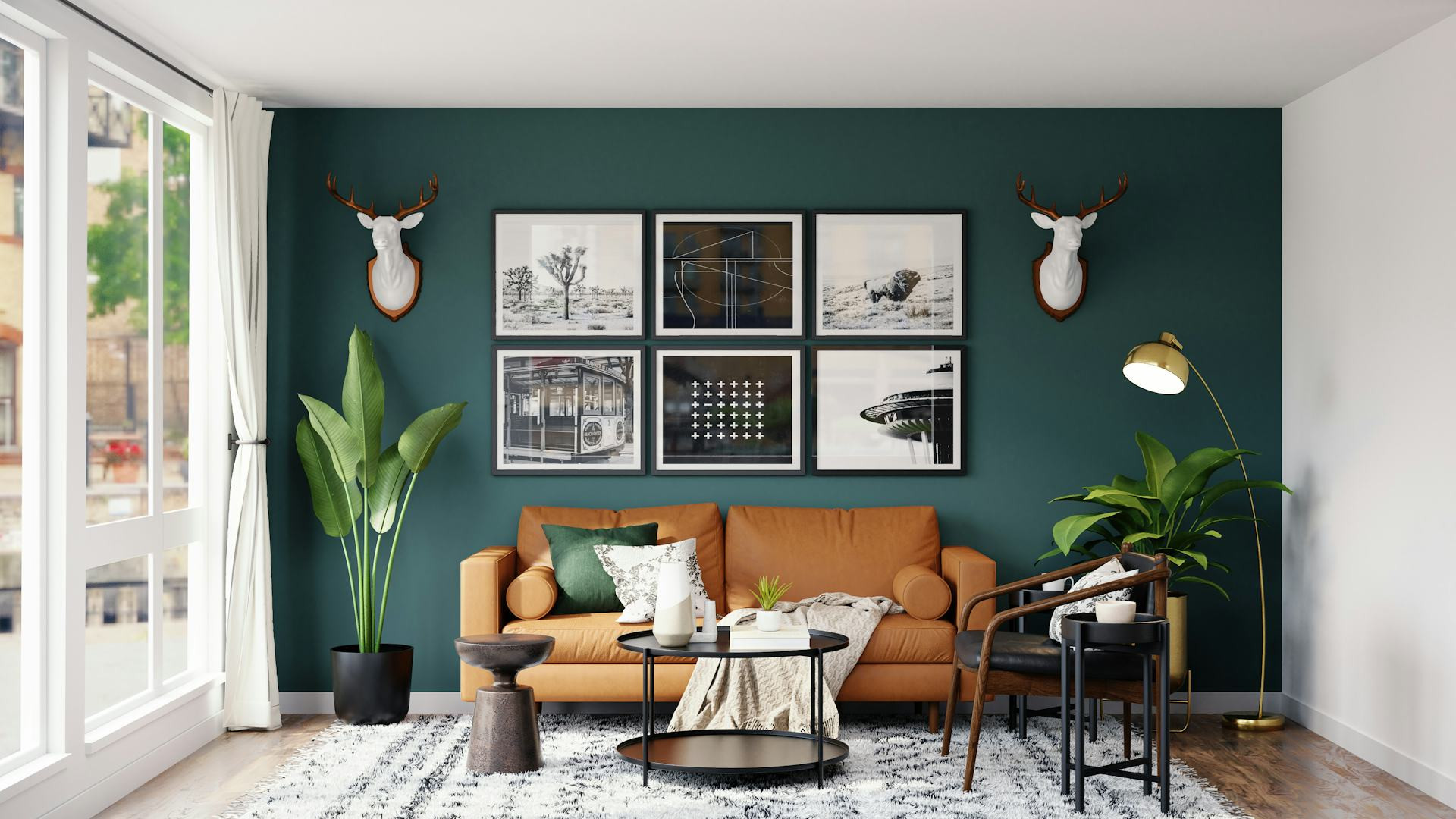
When the kids move out, the house suddenly feels different. There’s more space, fewer daily messes—and maybe a couple of empty rooms waiting for a new purpose. It’s the perfect time to rethink how your home works for you now and to create a space that fits this next chapter of life. Here’s how to make your home both functional and fulfilling once the nest is empty.
Start by Reflecting on What You Need Now
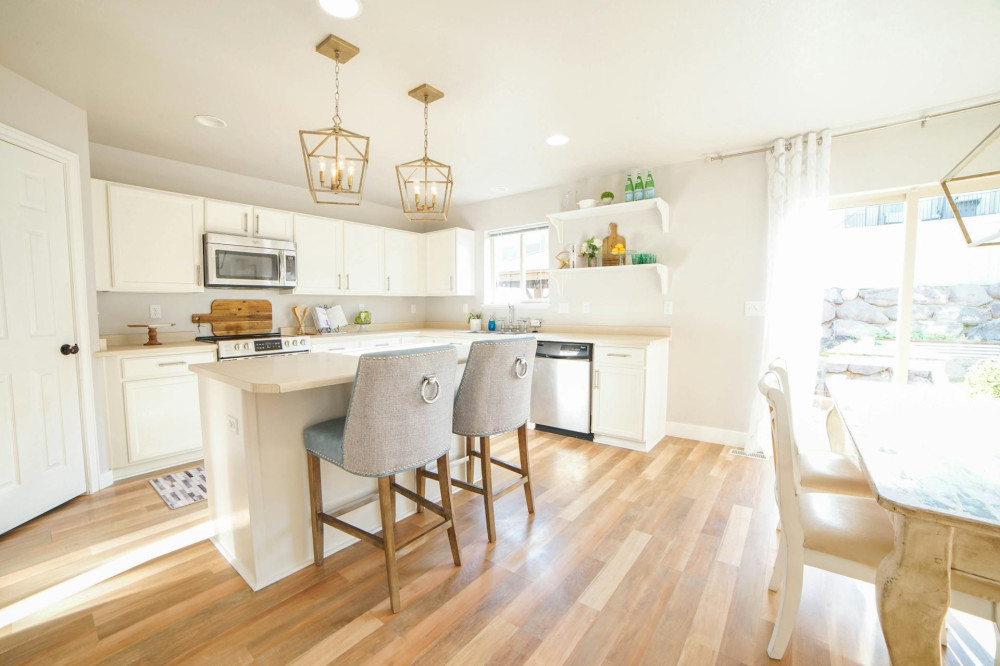
Before you start rearranging furniture or picking out paint colors, take a moment to consider how your needs have changed. Maybe you no longer need a large dining table for family dinners every night, but you’d love a cozy breakfast nook for two. Or perhaps you’ve always wanted a space for painting, reading, or yoga—something that never quite fit into the family schedule.
Think about how you use your home today and how you’d like to use it going forward. This isn’t just about design; it’s about creating a home that supports your lifestyle and brings you energy.
Give Empty Rooms a New Purpose
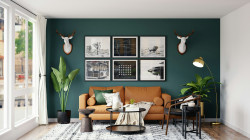
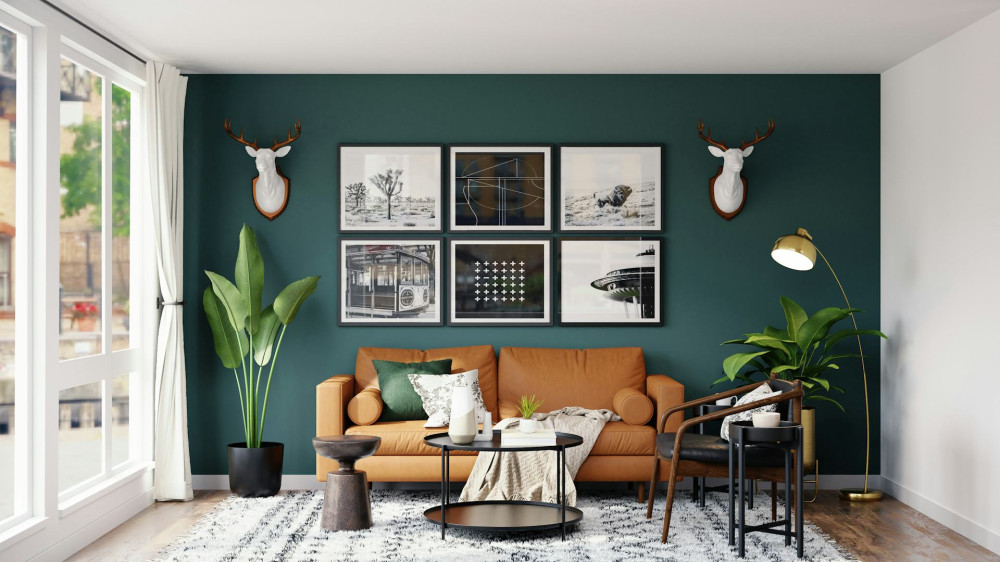
Those now-empty bedrooms hold a lot of potential. Instead of letting them sit unused, turn them into spaces that add value to your daily life. Here are a few ideas:
- Guest room: A classic choice that makes it easy to welcome your kids or friends when they visit.
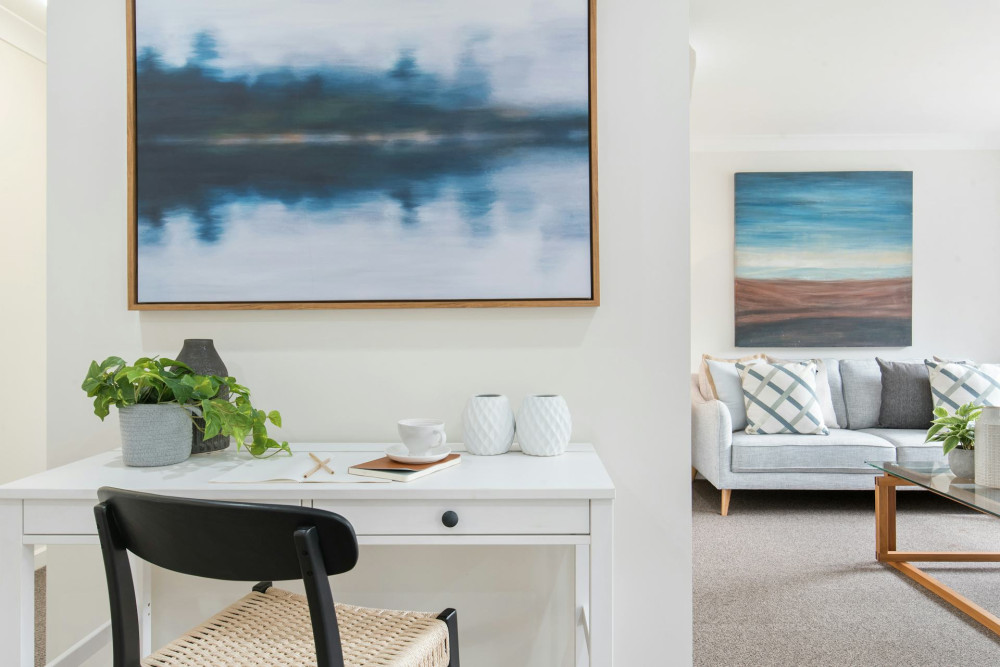
- Home office or creative studio: Perfect if you work remotely or want a dedicated space for hobbies.
- Home gym: A small area with a mat, weights, and good lighting can make staying active easier.
- Library or reading room: Fill it with books, a comfortable chair, and soft lighting for a peaceful retreat.
You don’t have to erase all traces of your children’s time at home. Keeping a few photos or mementos can preserve a sense of continuity while giving the room a fresh function.
Declutter and Create Breathing Space
When the kids move out, it’s a natural time to take stock of what’s in your home. Over the years, things accumulate—some useful, some not. Go through each room and keep only what you truly use or love. Donate, sell, or recycle the rest.
A decluttered home feels larger, calmer, and easier to maintain. Consider investing in fewer but higher-quality pieces that will last and bring you joy. The goal is to create a space that feels open and peaceful.
Design with Flexibility in Mind
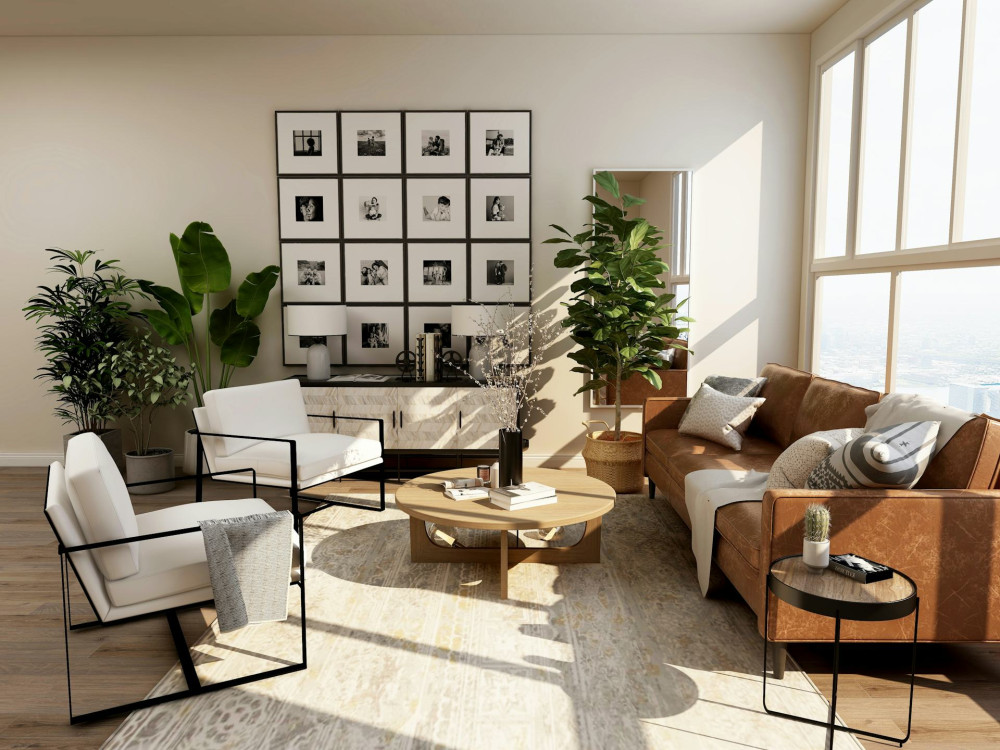
A functional home is one that adapts to your needs. You’ll still want space for family visits, but you don’t need rooms sitting idle most of the year. Choose furniture that can serve multiple purposes: a sleeper sofa in the guest room, a fold-out table in the dining area, or storage that can be tucked away when not in use.
Flexibility also means thinking ahead. Maybe you’ll want easier access to the garden, better lighting, or fewer stairs in the future. Making small adjustments now can help you stay comfortable in your home for years to come.
Create Space for Yourself
With the daily routines of parenting behind you, your home can now reflect your personal interests. Set aside a corner that’s just for you—a place for music, crafts, meditation, or simply quiet time. It doesn’t have to be large; what matters is that it feels like your own sanctuary.
A functional home isn’t only about practicality—it’s about well-being. When your surroundings reflect who you are today, it’s easier to feel content and inspired.
Læs også:
Make Room for Connection
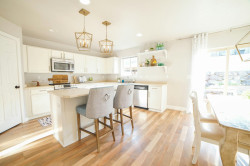
Even though the kids have moved out, your home can still be a lively gathering place. Many parents find that their home becomes a hub for family get-togethers, holidays, and visits from friends. Think about how you can make space for connection—perhaps a dining area that encourages long conversations or a patio that’s perfect for summer evenings.
A functional home is one that’s lived in and loved, no matter how many people are there day to day.
A Home in Transition—and in Balance
Creating a functional home after the kids have moved out is really about finding balance between past and future. You don’t have to start from scratch; instead, build on what’s already there, guided by your current needs and dreams.
As your rooms take on new life and you carve out space for yourself, your home becomes once again a true reflection of who you are—and a place that supports the life you’re living now.
Læs også: