When Technology Meets Aesthetics: The Changing Modern Home Style

When Technology Meets Aesthetics: The Changing Modern Home Style
In recent years, American homes have undergone a remarkable transformation. Technology, once seen as purely functional and often visually intrusive, has evolved into an integral part of interior design—both in form and function. The modern home is no longer just about furniture, colors, and materials; it’s about how technology can enhance comfort, atmosphere, and sustainability in everyday life.
Smart Homes with Character
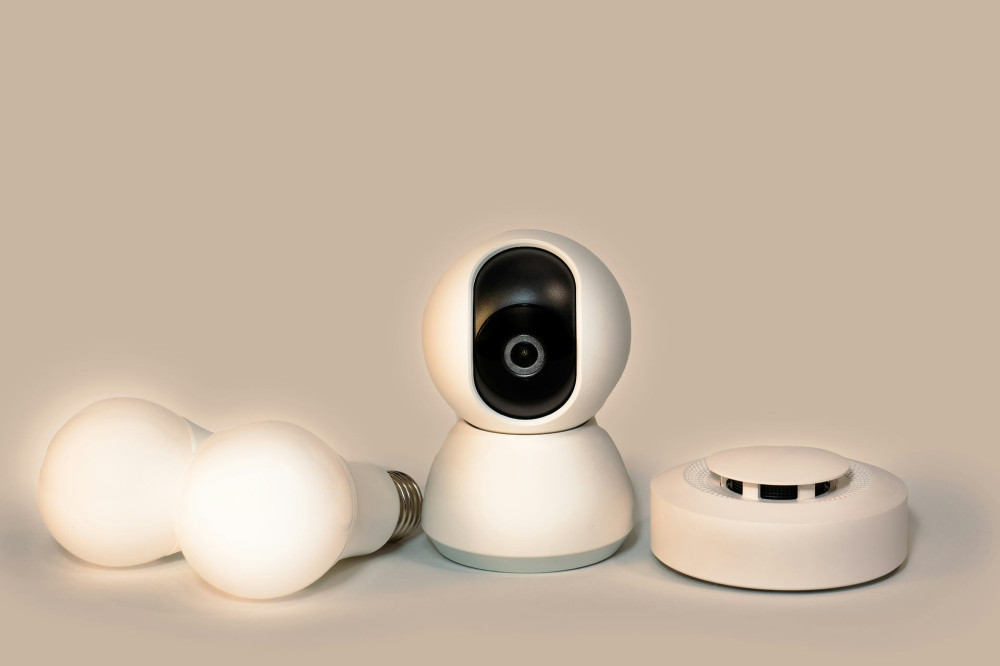
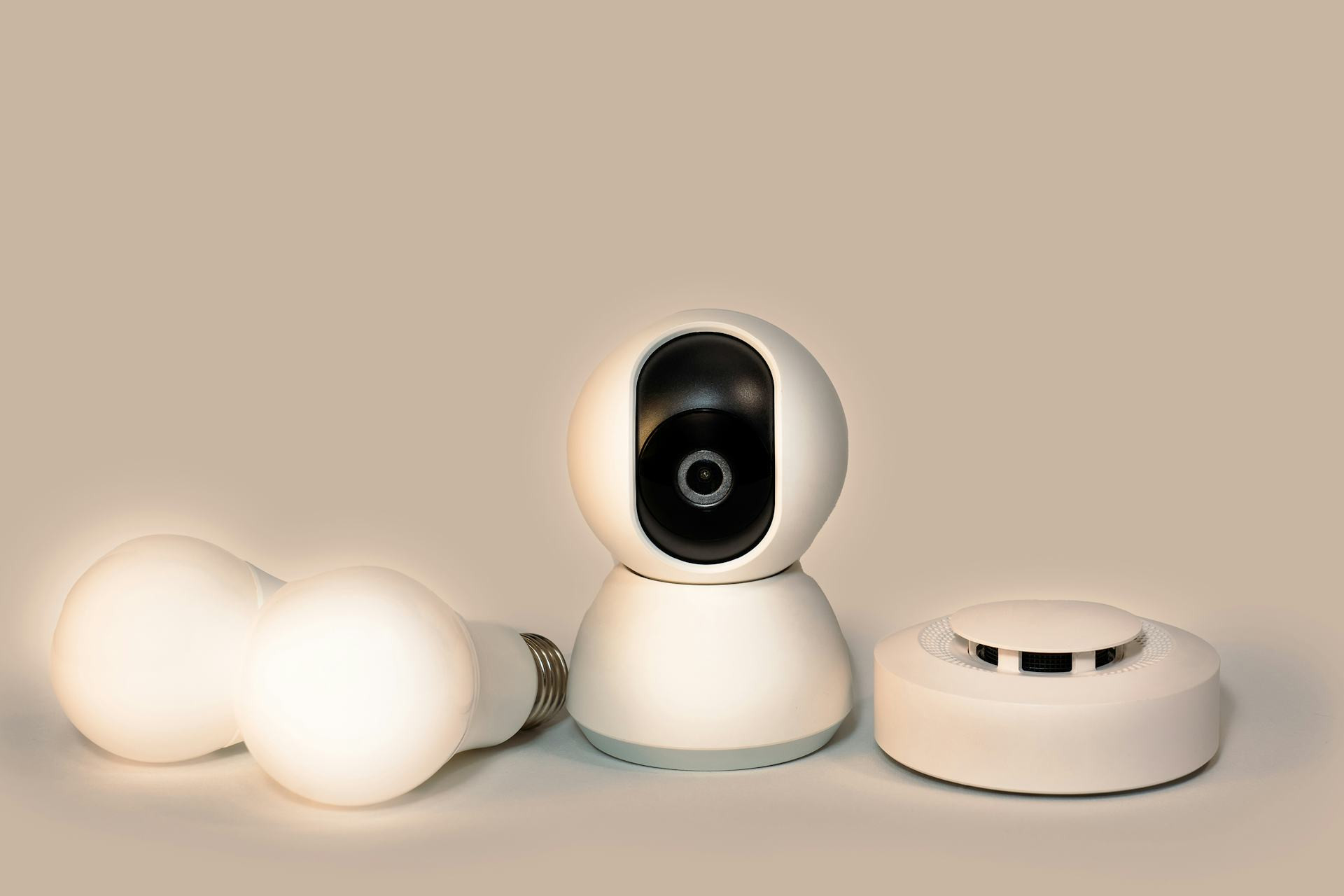
Smart home technology has become a defining feature of contemporary living in the U.S. From intelligent lighting and climate control systems to voice-activated assistants and automated blinds, technology is making daily routines more convenient. But convenience is only part of the story. Today, the design of these devices is just as important as their performance.
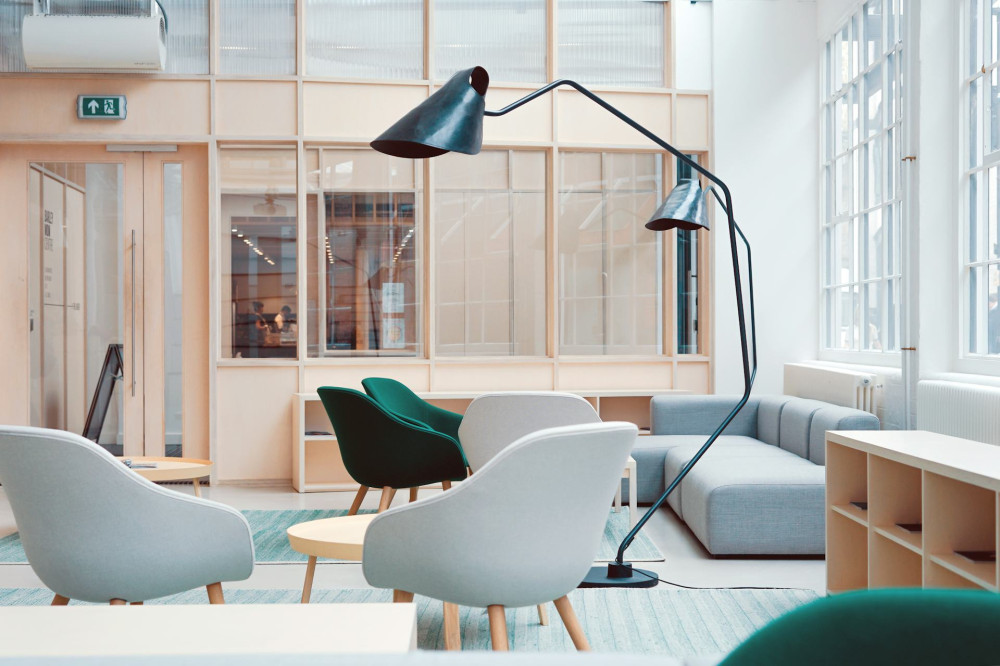
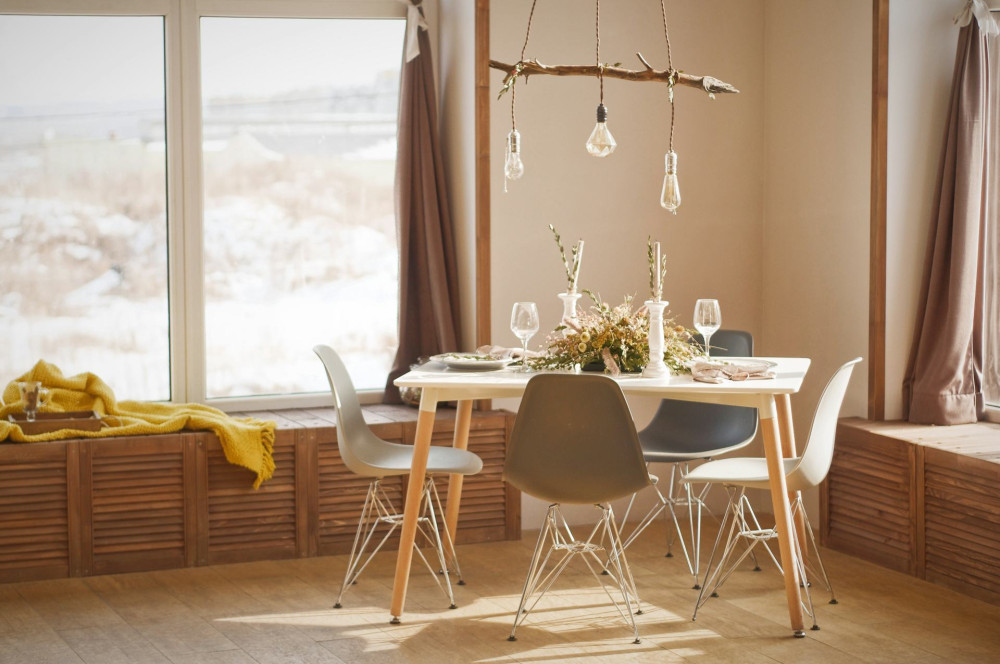
Manufacturers have realized that homeowners don’t want their living spaces to look like tech labs. As a result, modern devices are designed to blend seamlessly into the home: speakers that resemble sculptures, thermostats that disappear into the wall, and lighting fixtures that double as art pieces. Technology is no longer meant to dominate a room—it’s meant to complement the mood and style of the space.
Læs også:
Minimalism Meets Functionality
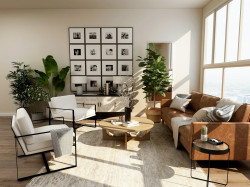
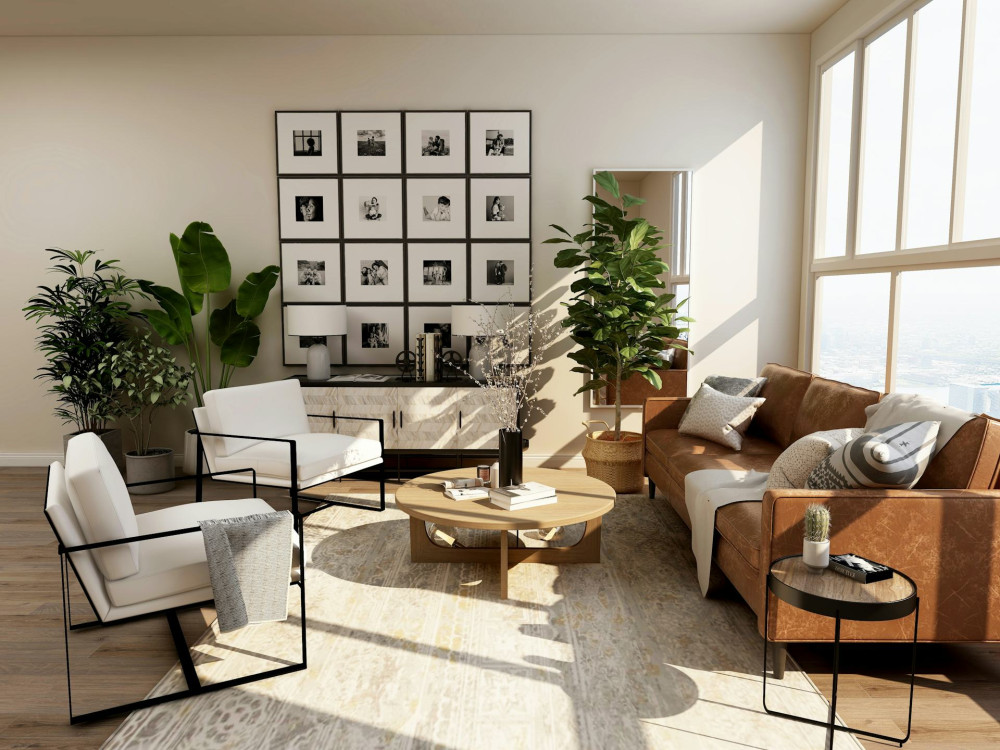
The modern American home is moving toward simplicity and purpose. Clean lines, open spaces, and a sense of calm are key elements—but so is personality. Technology plays a crucial role in achieving this balance. Wireless systems and hidden installations make it possible to maintain a clutter-free aesthetic without sacrificing functionality.
Flexibility is another hallmark of this new design philosophy. A single room can shift from a home office to a relaxation zone with just a few taps or voice commands—adjusting lighting, sound, and temperature to match the moment. It’s a perfect harmony of aesthetics and practicality.
Sustainability as a Design Principle
Sustainability has become a central concern in modern home design, and technology is leading the way. Energy-efficient appliances, smart thermostats, and motion or light sensors help reduce energy consumption without compromising comfort. Solar panels and home battery systems are also becoming more common, allowing homeowners to live more sustainably while maintaining a sleek, modern look.
But sustainability isn’t just about energy use—it’s also about materials and longevity. Designers are increasingly integrating technology into furniture and décor made from recycled or natural materials. The result is a style that feels both modern and organic, where innovation supports a more responsible way of living.
Light, Sound, and Atmosphere
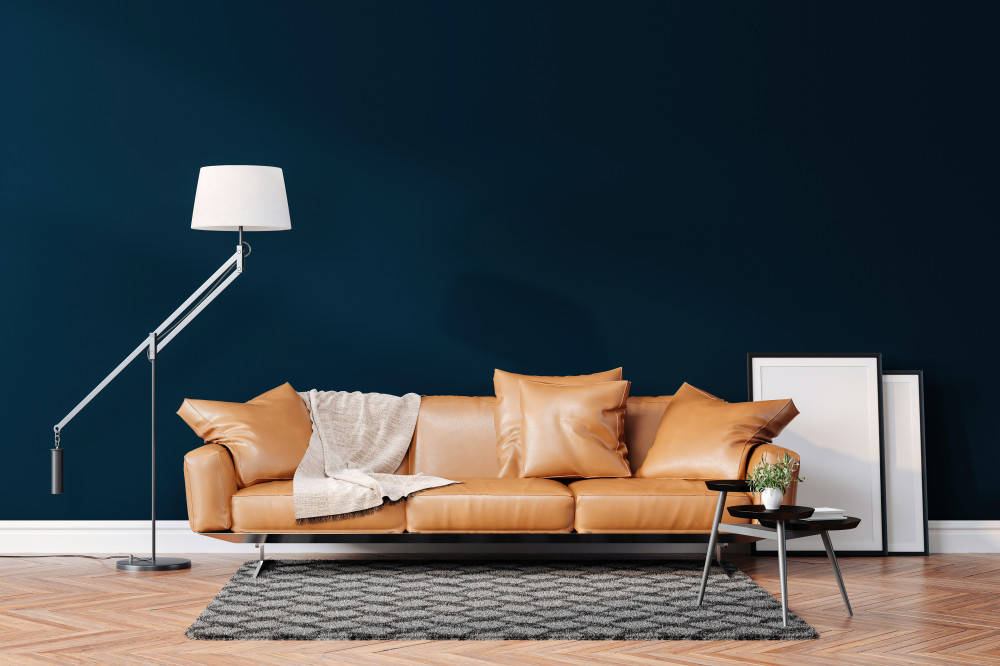
Lighting is one of the most powerful ways technology and aesthetics intersect. Smart lighting systems allow homeowners to adjust brightness and color temperature to match their mood or time of day. The right lighting can transform a space—creating warmth, focus, or relaxation—while also promoting well-being.
Sound design is another growing element of home aesthetics. Wireless speakers and built-in sound systems can now be integrated into walls, ceilings, and furniture, creating immersive audio experiences without visual clutter. Whether it’s soft background music or a lively party playlist, sound has become an invisible yet essential part of the home’s atmosphere.
Technology with the Human Touch
Even as technology becomes more present in our homes, the modern design philosophy remains centered on people. The goal isn’t to let machines define our lives, but to use technology to create spaces that feel comfortable, beautiful, and personal.
The new aesthetic is not cold or futuristic—it’s warm, tactile, and human. It combines natural materials, soft shapes, and muted tones with intelligent systems that make life easier. When technology meets aesthetics, the result is a home where innovation and beauty coexist—and where the future feels both functional and deeply human.
Læs også: