Design Your Bathroom with a Focus on Freedom of Movement


Design Your Bathroom with a Focus on Freedom of Movement
Your bathroom should be a place where you can move freely and feel comfortable—no matter your age, mobility, or lifestyle. When designing or remodeling, it’s important to think beyond style and create a space that’s functional, flexible, and safe. A well-designed bathroom supports your daily routines today and adapts to your needs in the future.
Plan for Space and Flow
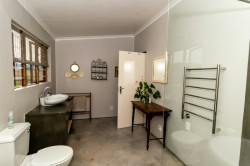
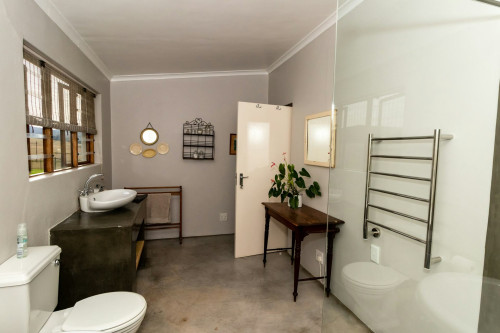
Freedom of movement starts with good spatial planning. Think about how you move through the room: Where does the door swing? How much space do you need to dry off or assist a child in the shower? As a general guideline, aim for at least 42–48 inches of clear floor space in front of the sink and toilet to allow easy movement.
If possible, consider a pocket or sliding door instead of a traditional hinged one. It saves valuable floor space and makes it easier to enter and exit—especially if you ever need mobility aids like a walker or wheelchair.
Design with Flexibility in Mind
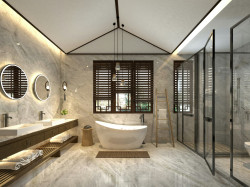
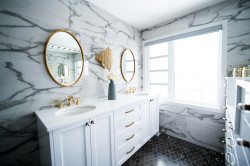
A bathroom that works for everyone benefits from flexible design choices. Wall-mounted fixtures—such as toilets and sinks—create a modern look while freeing up floor space and making cleaning easier. They can also be installed at custom heights to suit both adults and children.
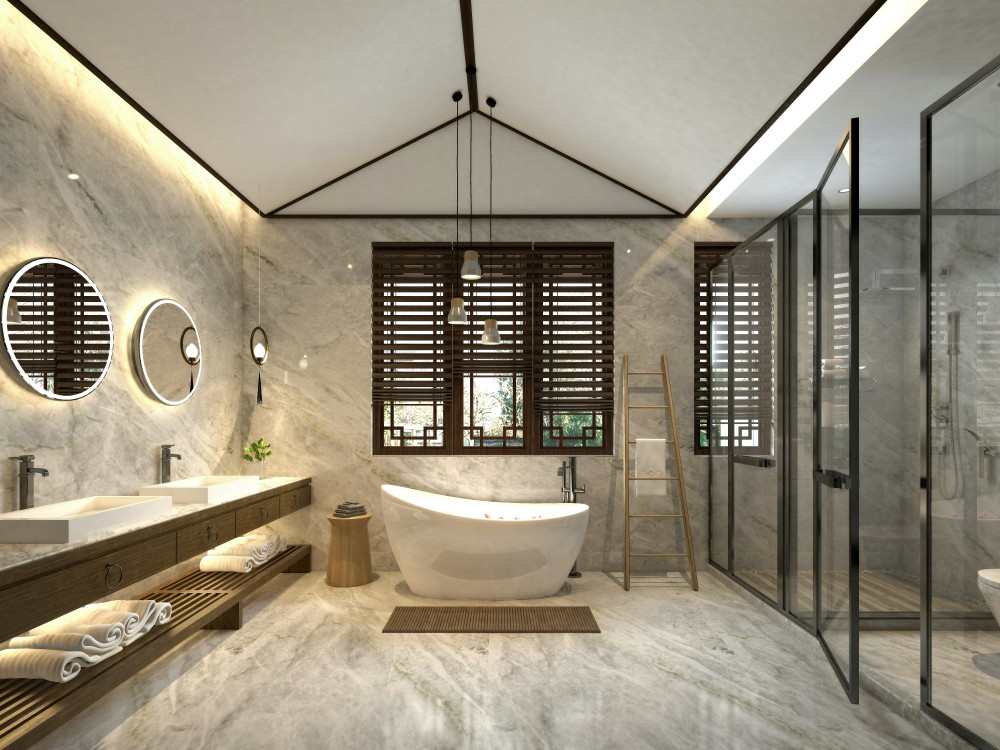
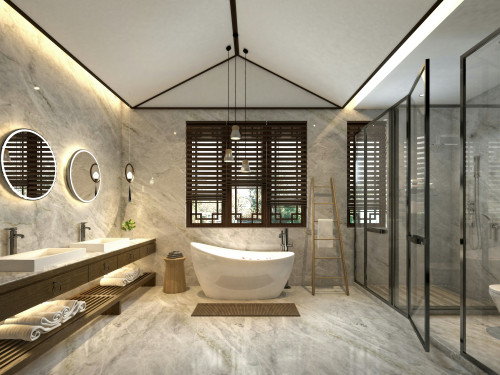
For the shower area, a curbless or low-threshold design provides easy access and a more open feel. Folding or pivoting glass panels can help maximize space in smaller bathrooms while maintaining a sleek appearance.
Choose Materials for Safety and Comfort
Freedom of movement also means feeling secure. Select slip-resistant flooring, especially in wet areas like the shower. Many tile options offer subtle textures that enhance grip without compromising on style.
Lighting is another key factor. Combine general overhead lighting with focused illumination around the mirror to reduce shadows. Motion-sensor lights can be a convenient addition, making nighttime trips to the bathroom safer and easier.
Plan for the Future
A bathroom is a long-term investment, so it’s wise to think ahead. Even if you’re fully mobile now, consider features that will make the space adaptable later. Reinforced walls for future grab bars, a walk-in shower without steps, or a wider doorway can make a big difference down the road.
If you’re designing for aging parents or simply want a more accessible home, look into universal design principles. These focus on creating spaces that work for everyone—without sacrificing aesthetics.
Læs også:
Create a Calm, Open Atmosphere
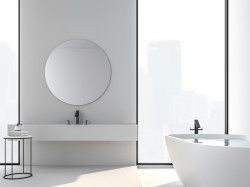
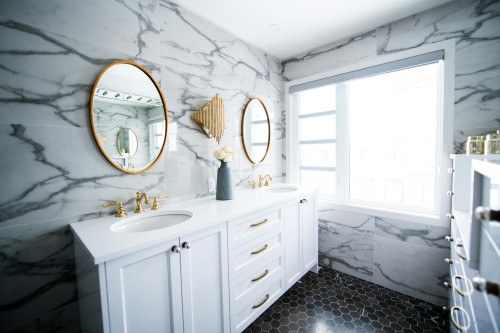
A bathroom designed for movement also feels more spacious and serene. Choose light colors, clean lines, and smart storage solutions that keep surfaces clear. A clutter-free environment not only looks better but also makes it easier to move around safely.
Plan storage so that everyday items are within easy reach. Drawers instead of deep cabinets provide better visibility, and open shelving can be used for towels or decorative touches that make the space feel personal and inviting.
A Bathroom That Grows with You
Designing with freedom of movement in mind means creating a bathroom that evolves with your life. It becomes a space where function and beauty coexist—where you can move comfortably and confidently, whether you’re young, busy, or enjoying your later years.
A great bathroom isn’t just a place you use—it’s a place you enjoy. With thoughtful planning for space, safety, and flexibility, you can create a room that feels both beautiful and practical for many years to come.
Læs også: