Hanging Plants in the City – Green Creativity in Small Spaces

Hanging Plants in the City – Green Creativity in Small Spaces
In many American cities, apartments and condos come with limited square footage and little outdoor space. Yet the desire to bring nature indoors is stronger than ever. Hanging plants offer a clever and stylish way to add greenery without sacrificing floor space. They purify the air, soften hard lines, and create a calming atmosphere. Here’s how you can use hanging plants to turn even the smallest urban home into a lush retreat.
Going Green Vertically
When space is tight, think upward. Hanging plants make use of vertical space and can be suspended from ceilings, mounted on walls, or placed in window frames. This approach keeps your home feeling open and airy while adding a touch of natural beauty.
You can choose from classic hanging pots, sleek metal planters, or handmade macramé holders. The key is to ensure your plants get enough light and that you select species suited to your home’s conditions—whether that’s a sunny loft or a shaded studio.
Plants That Thrive in the Air
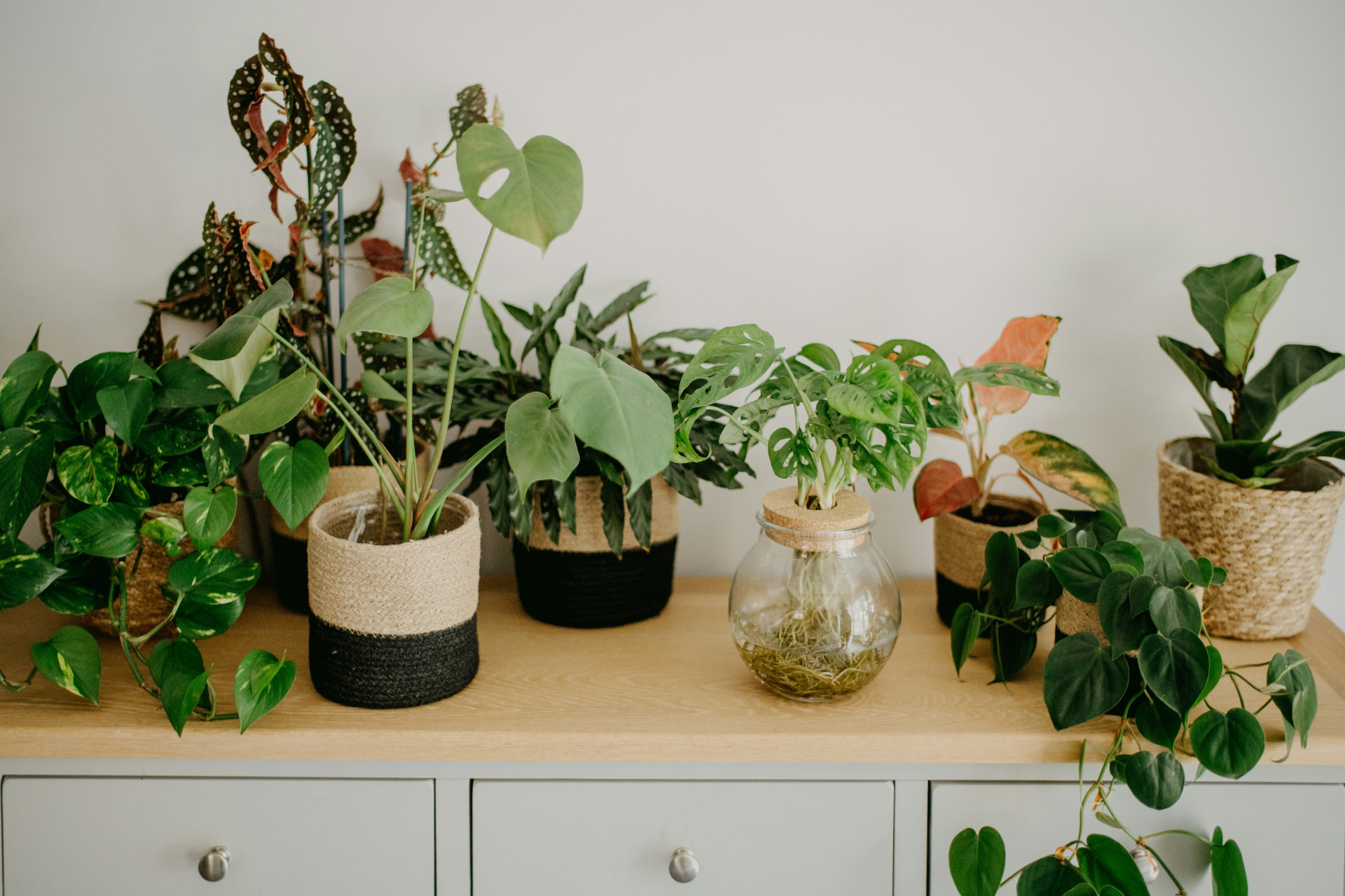
Some plants are especially well-suited for hanging because of their trailing vines or tolerance for drier conditions. Here are a few favorites among U.S. plant lovers:
- Golden pothos (Epipremnum aureum) – hardy, fast-growing, and perfect for beginners.
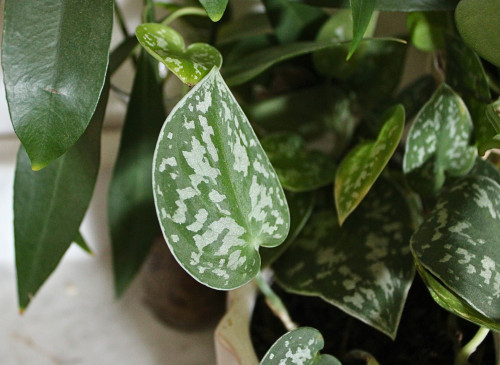
- String of hearts (Ceropegia woodii) – delicate, heart-shaped leaves that cascade beautifully.
- Spider plant (Chlorophytum comosum) – resilient and great for improving indoor air quality.
- Boston fern (Nephrolepis exaltata) – lush and full, ideal for a soft, tropical look.
- Air plants (Tillandsia species) – no soil required; they can hang freely in glass or wire holders.
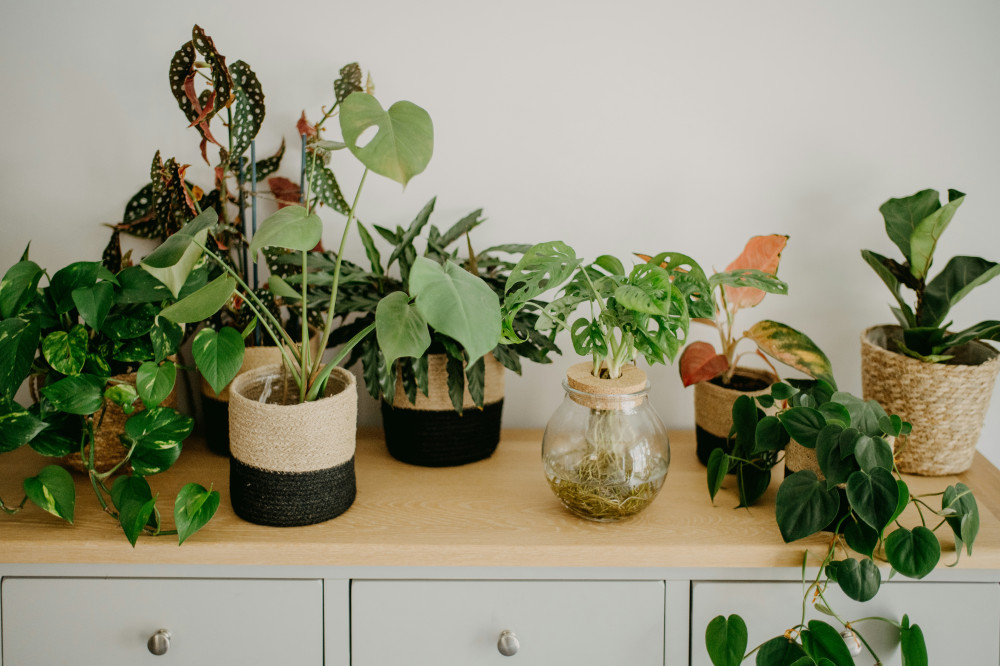
Mixing plants with different leaf shapes, colors, and textures creates a dynamic, layered effect that changes as the plants grow.
Caring for Your Hanging Plants
Hanging plants are generally easy to maintain, but they do need some attention. Watering can be tricky since pots dry out faster when suspended. A few simple habits will keep your plants healthy:
- Check soil moisture regularly – use your finger to test if the soil feels dry.
- Water carefully – a long-spouted watering can helps you reach high planters without spills.
- Provide the right light – most hanging plants prefer bright, indirect sunlight.
- Feed lightly – a diluted liquid fertilizer every few weeks during the growing season works well.
If your plants hang near windows, watch out for drafts or extreme temperature changes. In winter, move them slightly away from cold glass to prevent damage.
Creating Green Zones at Home
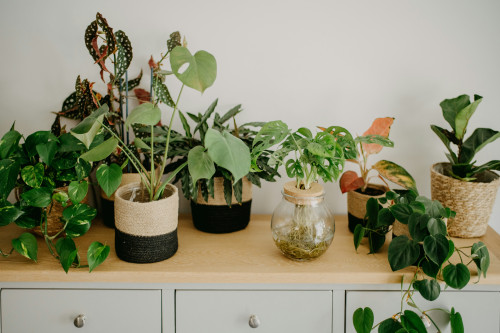
Hanging plants can do more than decorate. They can divide open spaces, add privacy to balconies, or form natural “curtains” in front of windows. In the kitchen, try hanging herbs like basil or thyme for easy access while cooking. In the living room, mix trailing vines at different heights to create a cozy, jungle-like vibe.
Grouping several hanging plants together enhances the visual impact and helps create a sense of a green oasis—even in the middle of a bustling city.
Læs også:
Sustainable Urban Nature
Growing hanging plants isn’t just about aesthetics—it’s also about well-being and sustainability. Plants absorb carbon dioxide, release oxygen, and can help filter indoor air. They also provide a mental break from screens and city noise, offering a small but meaningful connection to nature.
Even one hanging plant can make a difference, but many city dwellers find that once they start, they can’t stop. Watching plants grow and thrive becomes a rewarding part of daily life.
Green Creativity in Small Spaces
Hanging plants prove that you don’t need a backyard to enjoy greenery. With a bit of creativity, you can design a vibrant, personal, and eco-friendly home—whether you live in a studio apartment or a high-rise with a tiny balcony. It’s all about using space wisely and letting nature find its place, even in the heart of the city.
Læs også: