Light as a Design Element: Highlight Art, Plants, and Architecture – Energy-Efficiently at Home

Light as a Design Element: Highlight Art, Plants, and Architecture – Energy-Efficiently at Home
Light is more than a practical necessity. It shapes how we experience a space, draws attention to details, and can make art, plants, and architecture come alive. At the same time, lighting accounts for a significant share of household energy use. With thoughtful choices, you can create a home that feels both beautiful and efficient. Here’s how to use light as a design element—without wasting energy.
Light as a Mood Setter and Space Shaper
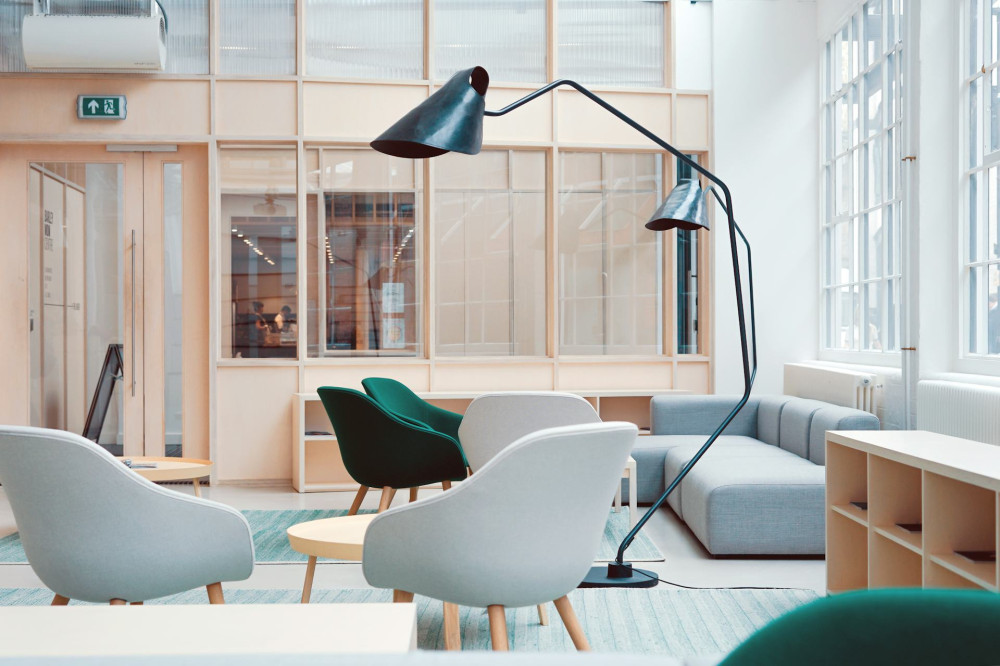
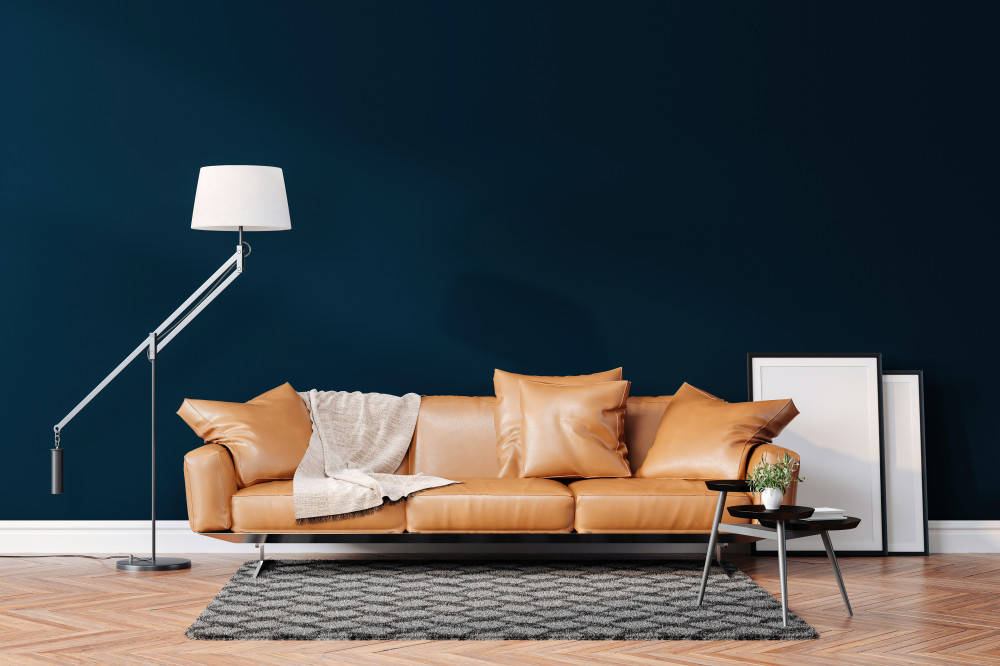
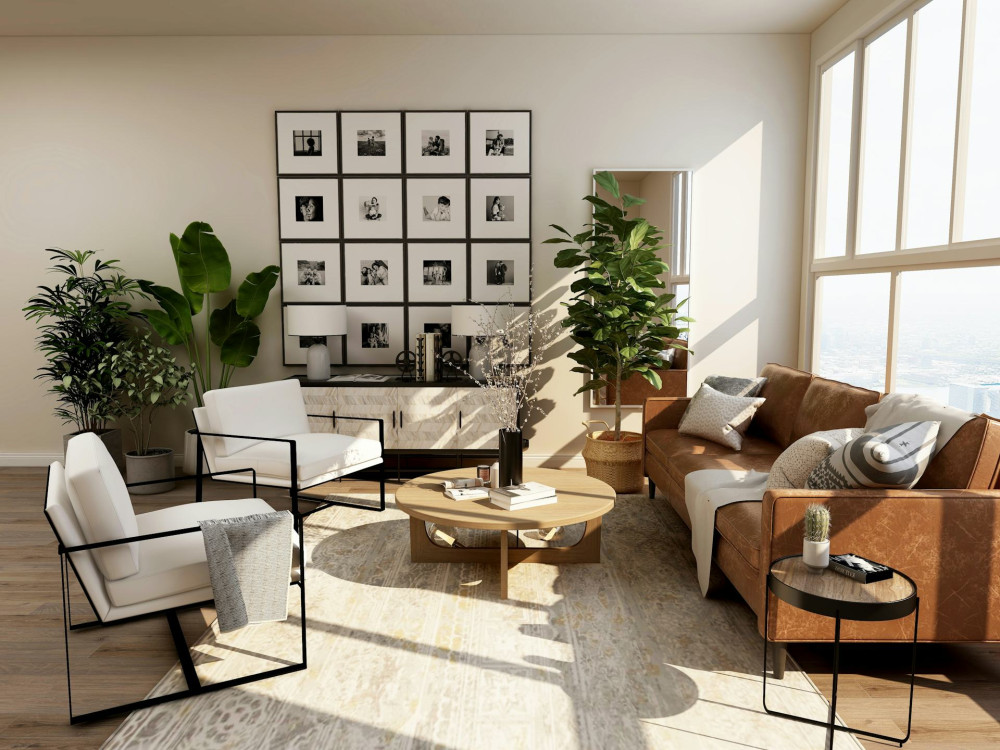
Light influences how we perceive color, texture, and form. A warm, dim glow can make a room feel cozy and intimate, while bright, cool light enhances clarity and focus. By considering where light comes from and how it falls, you can transform the atmosphere of any room.
- Indirect light—reflected off walls or ceilings—creates a soft, comfortable ambiance.
- Direct light—from spotlights or pendants—adds focus and drama.
- Natural light—from windows and skylights—is free, healthy, and should be maximized whenever possible.
Combining these types of light gives you flexibility to adjust the mood throughout the day.
Accentuate Art and Architecture with Targeted Lighting
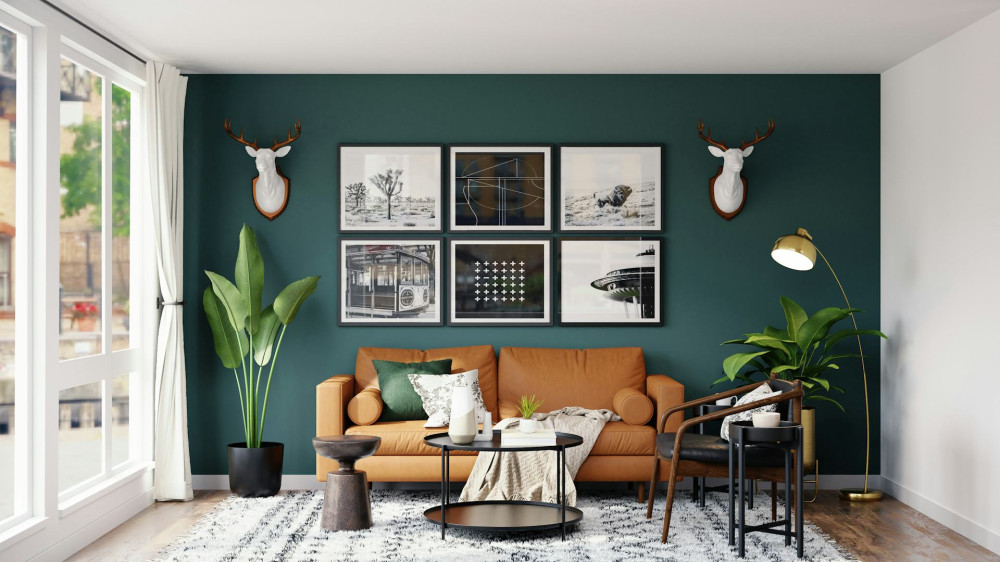
If you have paintings, sculptures, or architectural details you’d like to highlight, lighting is your most powerful tool. Use adjustable spotlights to control where the beam lands. Choose bulbs with a high color rendering index (CRI above 90) to ensure that artwork colors appear true and vibrant.
Architectural features such as brick walls, columns, or staircases gain depth and character when lit from the side. This angled light creates shadows and contrast that emphasize texture. Avoid overly harsh lighting, which can flatten details or distract from the overall composition.
Læs også:

Lighting for Plants – Beautiful and Functional
Plants thrive on natural light, but not every home offers enough of it. Supplemental LED grow lights can mimic the sun’s spectrum and help your greenery flourish. Many modern designs are sleek and subtle, blending seamlessly into your décor while supporting plant health.
Lighting can also be used to showcase your plants. Try illuminating them from below or from the side to create a sculptural, dynamic effect—especially striking in the evening.
Energy-Efficient Lighting Without Compromise
Modern LED technology makes it easy to achieve beautiful lighting with minimal energy use. LEDs consume up to 80% less electricity than traditional incandescent bulbs and last for years. They’re available in a wide range of color temperatures and brightness levels, so you can tailor the look to your space.
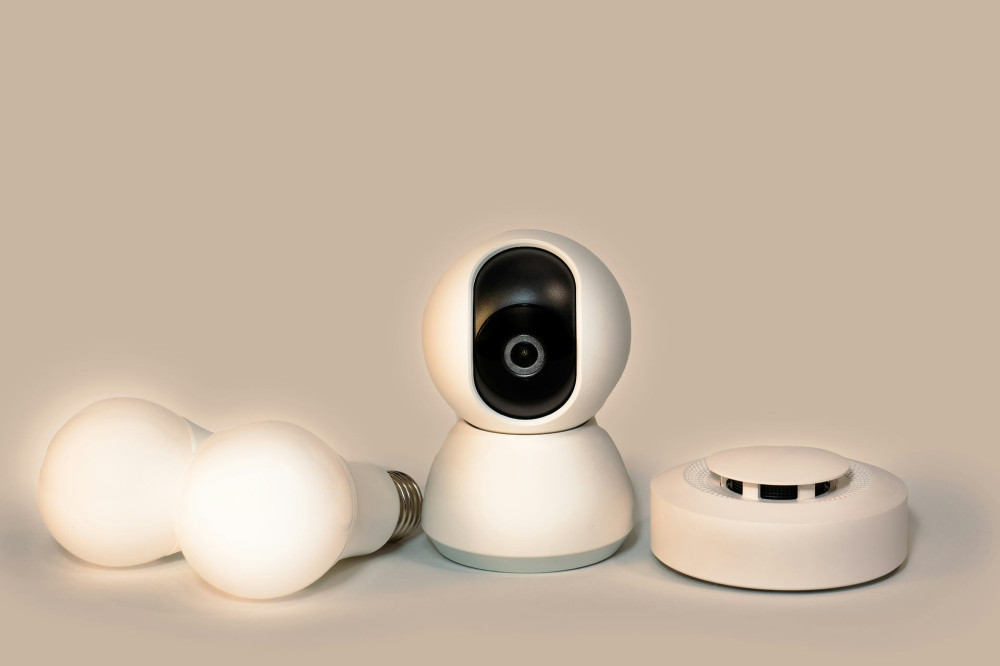
Consider adding dimmers and motion sensors so lights are only on when needed. This not only saves energy but also extends bulb life. Smart home systems can automate lighting to follow your daily rhythm or adjust to natural daylight levels.
Make the Most of Daylight – The Ultimate Sustainable Light Source
Daylight is free, natural, and beneficial for well-being. Use mirrors or light-colored walls to reflect sunlight deeper into your rooms. Choose window treatments that diffuse light without blocking it completely, allowing brightness while maintaining privacy.
If you’re remodeling, consider adding skylights or enlarging windows. These upgrades can reduce your reliance on artificial lighting and make your home feel more open and connected to the outdoors.
Create Harmony with Lighting Zones
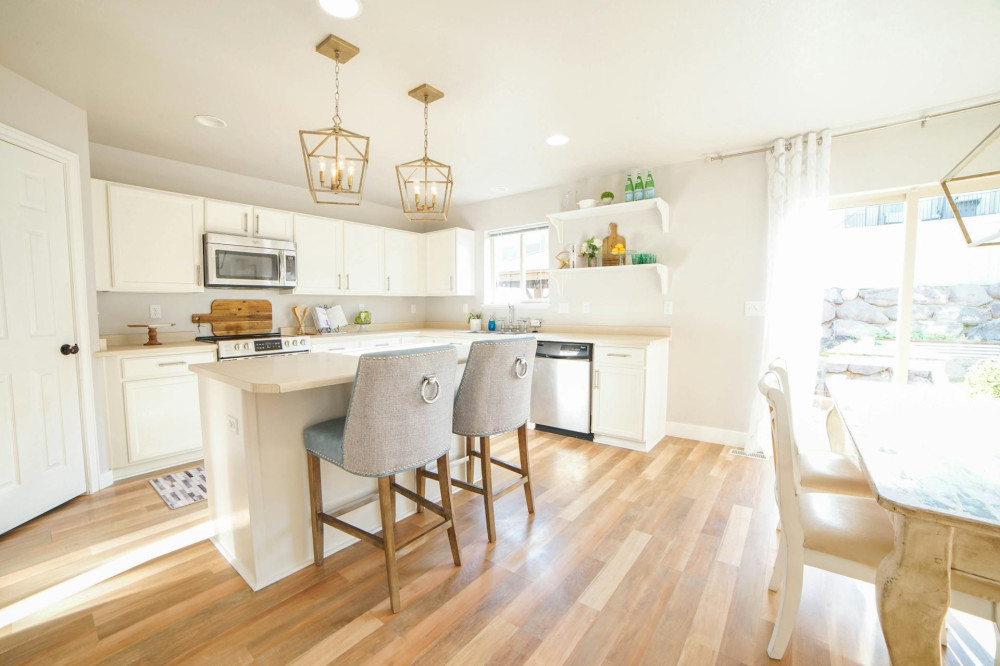
A well-lit, energy-efficient home isn’t about individual fixtures—it’s about how they work together. Think in zones: task lighting for kitchen counters, ambient lighting for living areas, and accent lighting for art and plants. Planning your lighting as a cohesive system ensures your home is both functional and visually balanced.
Light as Part of Everyday Well-Being
Light affects mood, sleep, and overall comfort. By choosing solutions that combine aesthetics with efficiency, you can create a home that feels inviting and environmentally responsible. It’s not about having the most light—it’s about using it wisely.
Læs også: