Nature and Physical Activity as Part of Child Rearing

Nature and Physical Activity as Part of Child Rearing
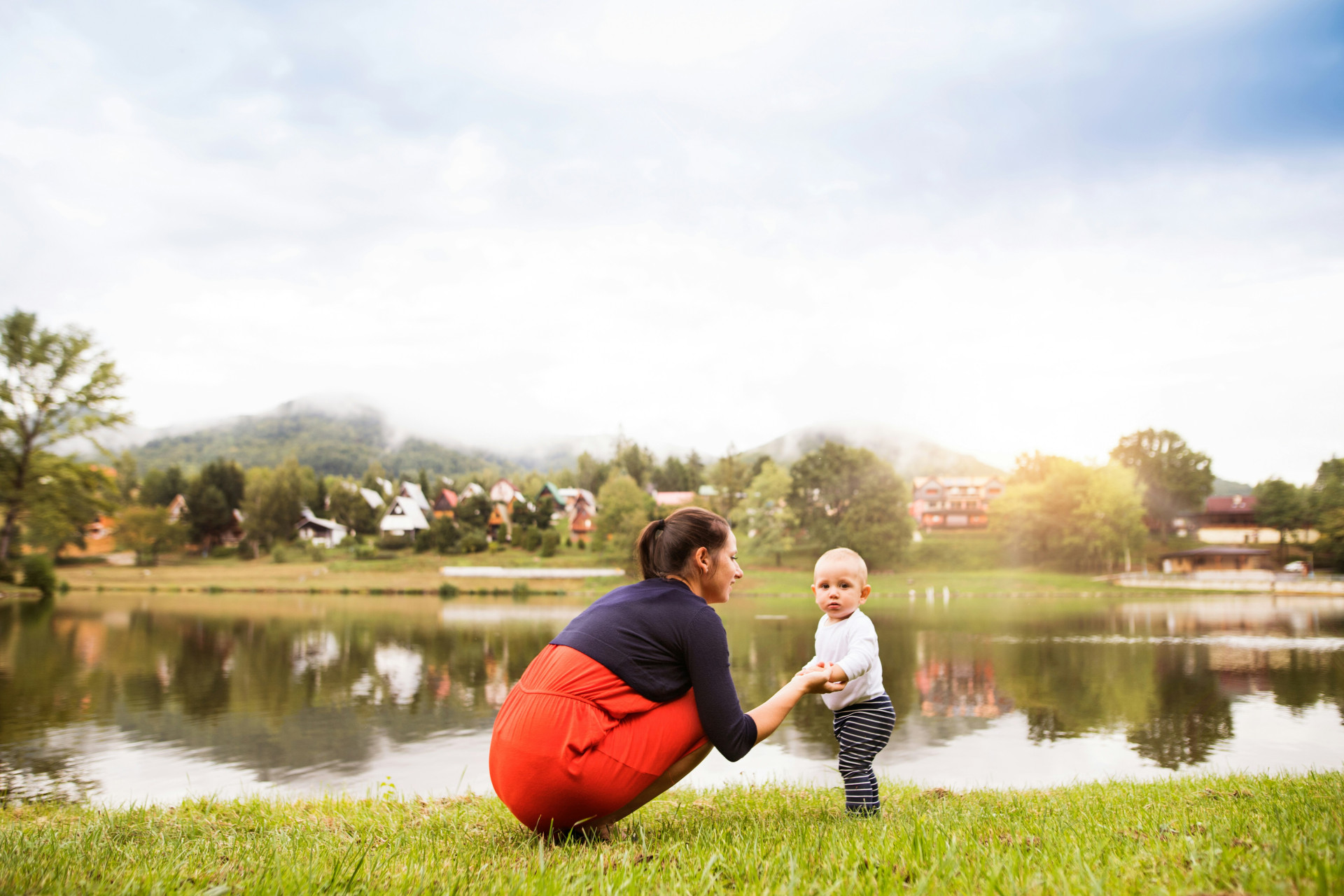
In a world where many children spend more time in front of screens than under open skies, nature and physical activity have become essential parts of healthy child development. Including nature in parenting is not just about fresh air and exercise—it’s about giving children experiences that strengthen their senses, imagination, and social skills. Nature offers a space where children can explore, learn, and grow—both physically and mentally.
Nature as a Learning Environment
When children play outdoors, they learn in ways that no screen or toy can replace. They feel the wind, hear the birds, see the changing seasons, and experience how the world connects. This kind of learning nurtures curiosity and a deeper understanding of their surroundings.
Research in the United States has shown that children who spend regular time in nature often have better concentration, greater creativity, and lower stress levels. Nature stimulates both body and mind, offering calm and focus in an otherwise busy daily life.
Parents can support this learning by making nature a natural part of family routines. It doesn’t have to be a big trip—an afternoon in a local park, a walk around the neighborhood, or a picnic in the backyard can create meaningful experiences.
Læs også:
Movement as a Natural Part of Everyday Life
Children have an innate need to move. Through movement, they develop coordination, balance, and body awareness—but also confidence and teamwork skills. When physical activity becomes part of daily life, children learn that movement is not a chore but a source of joy.
It can be as simple as walking or biking to school, playing tag in the yard, or helping with gardening. The key is to make movement a natural and positive part of the family rhythm. Parents play a central role as role models—children imitate what they see, not just what they are told.
Family Connection in Nature
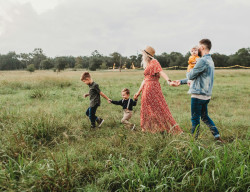
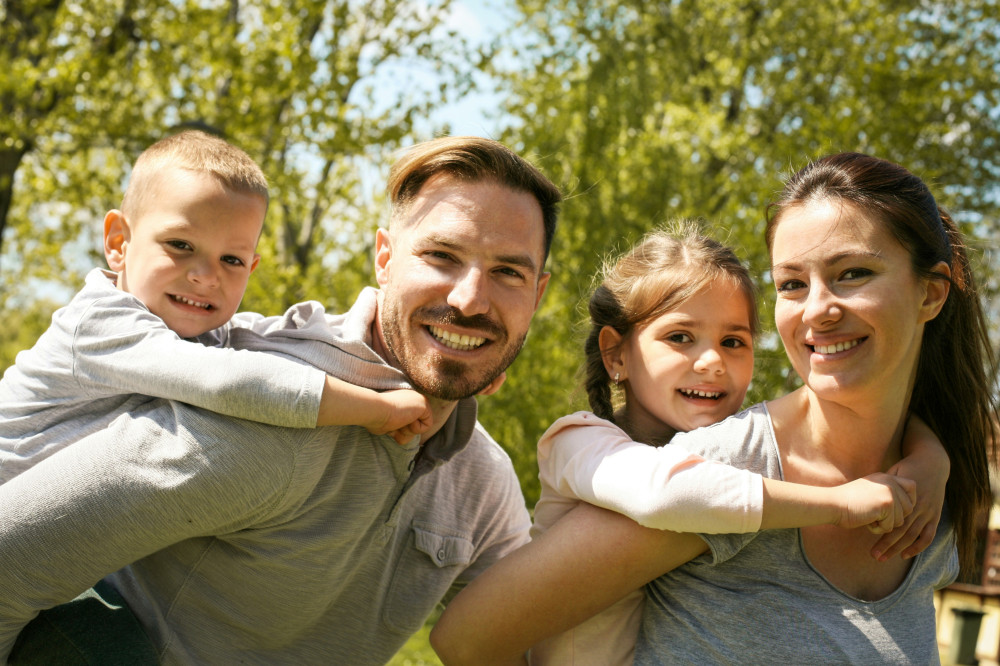
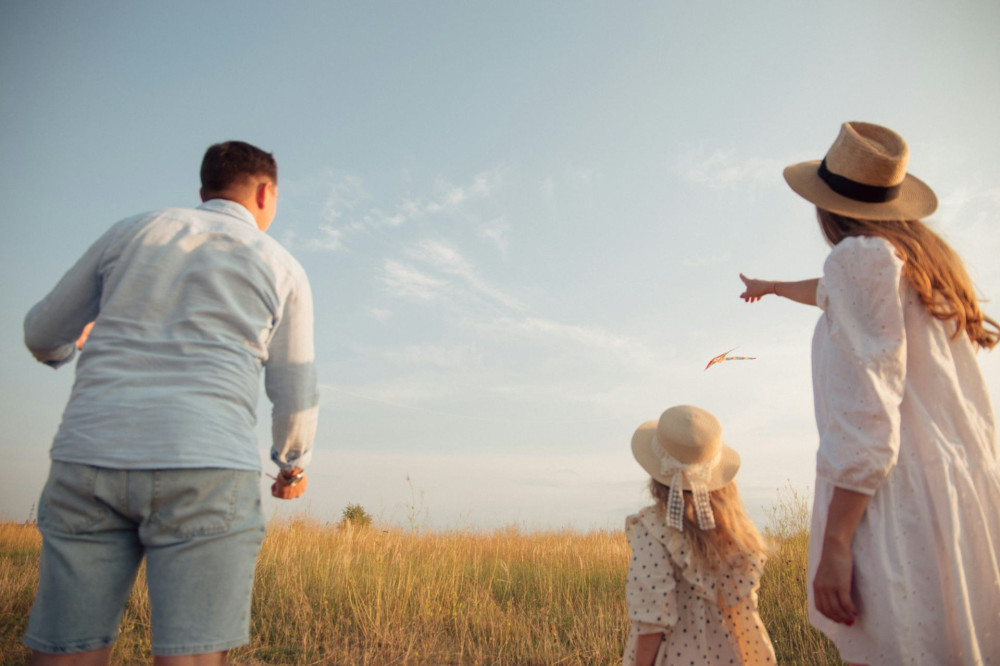
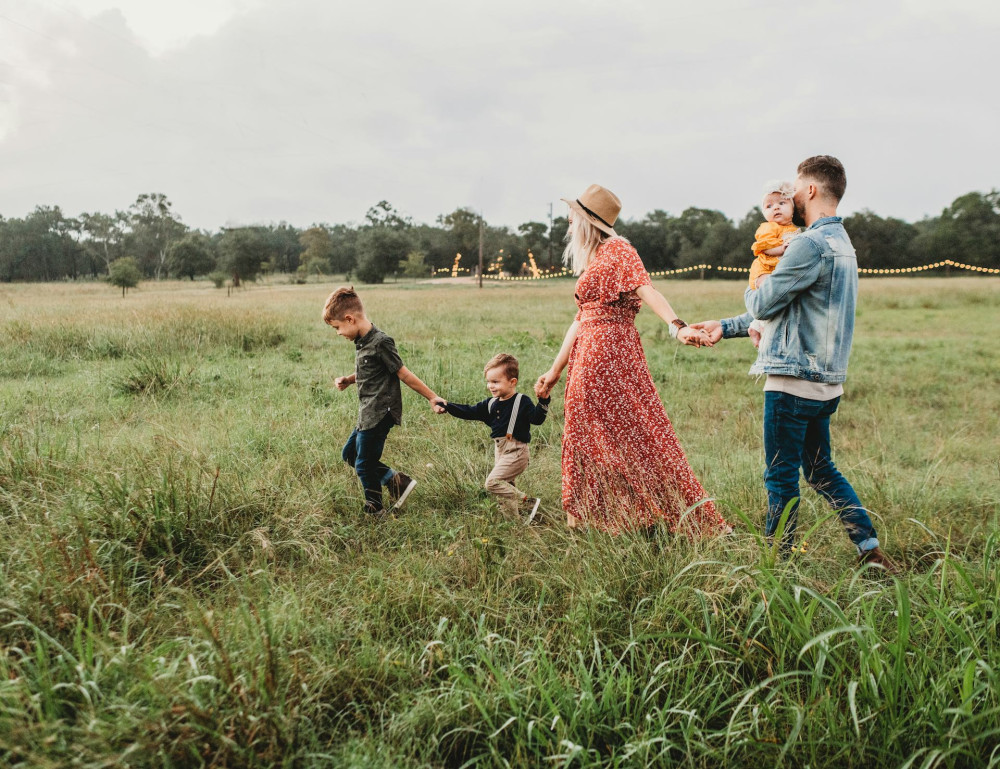
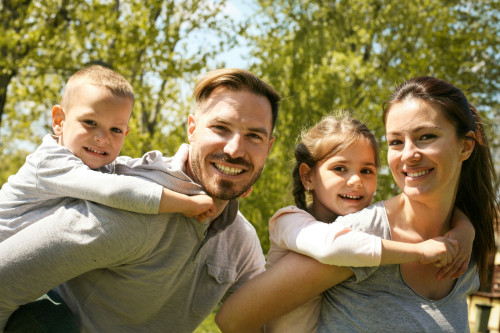
Nature provides a unique setting for family connection. When families spend time outdoors together, a different kind of closeness often emerges. Without the distractions of screens and daily tasks, there’s more room for conversation, laughter, and shared experiences.
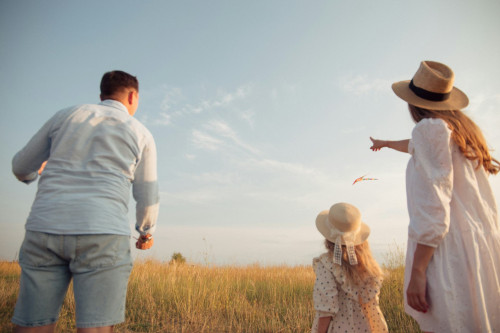
A weekend hike, a day at the beach, or an evening walk after dinner can strengthen family bonds. It’s not about planning elaborate activities but about being present together. Children may not remember every place you visit, but they will remember how it felt to be together.
Nature as a Balance to the Digital World
Modern childhood is often filled with sedentary activities and digital entertainment. Nature can serve as a healthy counterbalance. When children use their bodies and senses, they get a break from the constant stimulation of screens.
This doesn’t mean technology should be excluded—but balance is key. A good rule of thumb is to set aside regular times when the family is offline and outdoors. It could be a weekly “nature day” or a daily walk after dinner.
Getting Started
Incorporating nature and movement into parenting doesn’t require major changes—just small, consistent steps:
- Plan regular outdoor time – schedule a weekly outing, no matter the season.
- Use nature as a playground – go on a scavenger hunt, build forts, or collect rocks and leaves.
- Involve your children – let them help choose where to go and what to do.
- Make it a habit – repeat activities so that nature becomes a natural part of family life.
- Be active yourself – join in the play, show curiosity, and share the experience.
When nature and physical activity become integrated into child rearing, children gain not only stronger bodies but also healthier minds and a deeper appreciation for the world around them.
An Investment in the Future
Giving children a relationship with nature is a gift that lasts far beyond childhood. It fosters respect for the environment, joy in movement, and the ability to find calm in a busy world. As a parent, you have the opportunity to help shape the next generation of nature-loving, curious, and healthy adults—one walk at a time.
Læs også: