Avoid Heavy Lifting in the Kitchen – Set Up an Ergonomic Space

Avoid Heavy Lifting in the Kitchen – Set Up an Ergonomic Space
A kitchen should be more than stylish – it should be comfortable and safe to work in. Many Americans experience back, shoulder, and neck pain from bending, twisting, and lifting awkwardly while cooking or cleaning. By setting up your kitchen ergonomically, you can prevent strain and make everyday tasks easier. Here’s how to design a kitchen that helps you avoid heavy lifting and unnecessary movements.
Focus on Work Height and Movement
One of the most important aspects of an ergonomic kitchen is the right work height. Your countertop should match your body, so you don’t have to hunch over or lift your arms too high. As a general rule, the counter should be about 4–6 inches below your bent elbow when you’re standing upright.
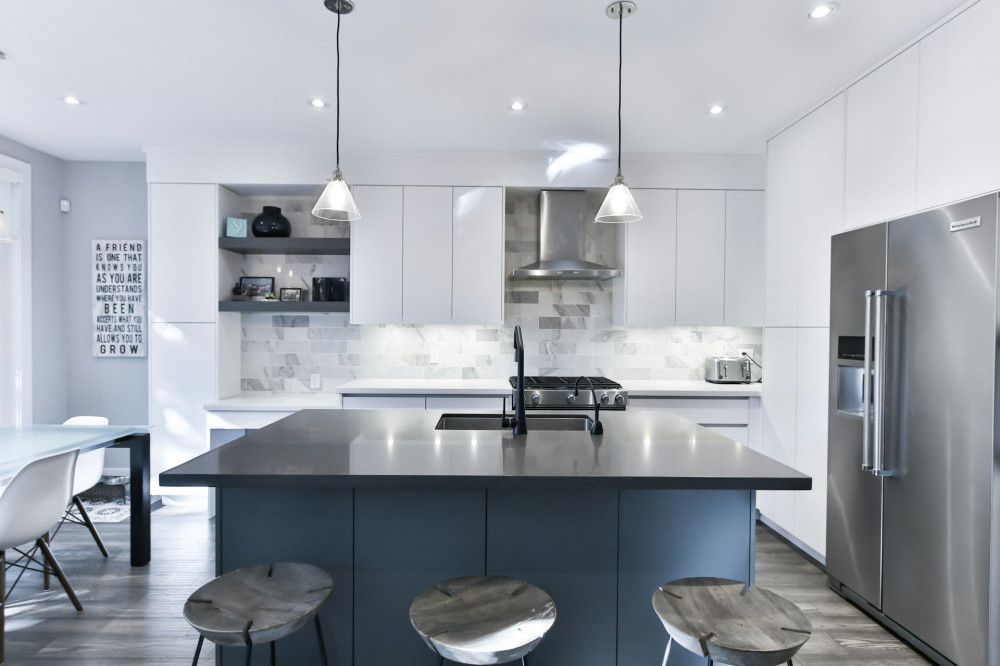
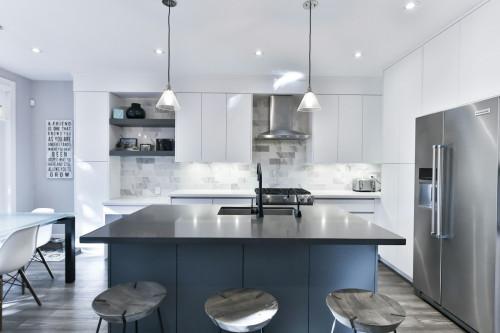
Also, think about how you move around the kitchen. The most-used areas – the sink, stove, and refrigerator – should form a triangle, allowing you to move efficiently without taking too many steps. This setup reduces fatigue and the risk of dropping heavy items.
Avoid Heavy Lifting – and Lift Safely When You Must
Many heavy lifts in the kitchen can be avoided with simple adjustments. Store pots, pans, and mixing bowls in drawers or pull-out shelves at waist height instead of in overhead cabinets. This makes them easier to reach without stretching or bending. Corner cabinets can be fitted with rotating trays or pull-out systems so you don’t have to reach deep inside.
When you do need to lift something heavy – like a pot of water or a baking dish – use your legs, not your back. Stand close to the item, bend your knees, and keep your back straight as you lift. It may seem like a small detail, but it makes a big difference over time.
Lighten the Load with Smart Tools
Some kitchen tasks are naturally heavy, but the right tools can make them easier. A rolling cart, for example, can help you move heavy items like bags of flour, dishes, or cookware between the counter and dining area. It saves both effort and time.
Consider investing in lightweight cookware, an electric can opener, or even a height-adjustable countertop if you spend a lot of time in the kitchen. These upgrades might feel like luxuries, but they’re really investments in your comfort and long-term health.
Organize Around Your Routines
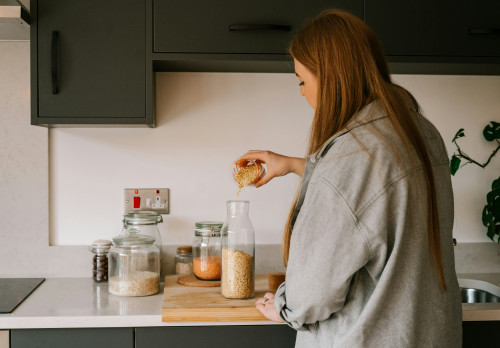
An ergonomic kitchen isn’t just about furniture and gadgets – it’s about how you use the space. Think about which tools you use most often and keep them within easy reach. Knives, cutting boards, and spices should be near your main prep area, while baking supplies can be stored farther away if you use them less frequently.
If multiple people cook in your household, consider setting up zones so you’re not constantly in each other’s way. This makes cooking more enjoyable and reduces the risk of accidents.
Læs også:

Create a Kitchen That Fits You
There’s no one-size-fits-all kitchen – it depends on your height, habits, and needs. The key is to listen to your body. If you often feel sore after cooking, it’s a sign that something needs adjusting.
Small changes can make a big difference: raise your dishwasher to reduce bending, use a cushioned anti-fatigue mat in front of the sink, or improve lighting to prevent neck strain. An ergonomic kitchen is one where you can cook efficiently and comfortably – without putting your body at risk.
Læs også: