The Kitchen Sink That Helps: Handle Large Pots with Ease

The Kitchen Sink That Helps: Handle Large Pots with Ease
Large pots are essential in many American kitchens—whether you’re making chili for game day, boiling pasta for a family dinner, or canning summer produce. But they can also be heavy, awkward, and tough to clean. Fortunately, your kitchen sink can be more helpful than you might think. With a few smart techniques and small adjustments, you can make cooking and cleanup easier, safer, and far less messy.
Plan Before You Fill the Pot
A large pot filled with water can easily weigh over 20 pounds. That’s a lot to lift and carry. Instead of hauling it from the sink to the stove, consider these strategies:
- Use a pitcher or a flexible hose to fill the pot directly on the stove.
- Position the pot close to the sink if your layout allows, so you can use the sink’s edge for support when pouring out water.
- Choose pots with side handles or pour spouts to make lifting and draining easier.
A little planning can go a long way toward protecting your back and shoulders.
Turn the Sink into a Workstation
Your kitchen sink isn’t just for washing dishes—it can double as a practical workstation when handling large cookware. Place a non-slip mat at the bottom to keep the pot stable, and use the sink’s edges for balance when draining or rinsing.
If you have a deep or farmhouse-style sink, you can lower the pot right into it for cleaning. This reduces the risk of splashing hot water and makes it easier to reach every surface.
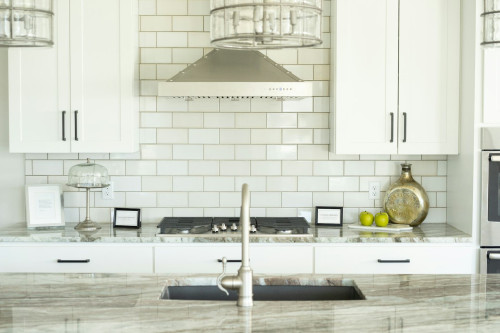
An extendable or pull-down faucet is another big help. It lets you rinse from multiple angles and makes cleaning faster and more efficient.
Læs også:


Clean Without Overexerting Yourself
After cooking, food residue and grease can cling stubbornly to the pot. Instead of scrubbing with all your strength, let the sink do the work:
- Fill the pot with hot water and a bit of dish soap.
- Let it soak in the sink for 10–15 minutes.
- Use a soft brush or sponge—most of the grime will lift off easily.
If the pot is too large to fit completely in the sink, rest it on the edge and use the faucet’s spray function to rinse. It’s quicker, cleaner, and easier on your arms.
Think Ergonomically—Avoid Heavy Lifting
Many people underestimate how physically demanding it can be to lift and pour large pots. To protect your body:
- Use a colander in the sink so you can pour water directly into it without holding the pot high.
- Pour in stages if the pot is very heavy—small amounts are safer than one big lift.
- Use a towel or silicone gloves for a better grip when the pot is hot or slippery.
If you often cook in large batches, consider investing in a lightweight aluminum or stainless-steel pot with ergonomic handles.
Make the Sink Part of Your Kitchen Flow
A well-organized sink area can make cooking smoother and more enjoyable. Think about how you use the space around it: Do you have a draining board or countertop space to rest the pot? Is there enough room to move freely when pouring or rinsing? Small layout tweaks can make a big difference in everyday comfort.
If you’re remodeling your kitchen, consider a deeper sink or a double-basin design—one side for washing, the other for rinsing or handling large cookware. It adds flexibility and helps keep your workspace tidy.
A Helping Hand in Everyday Cooking
The kitchen sink may not be the star of your kitchen, but it’s one of the most useful tools you have. When you use it as a support, a workstation, and an ergonomic aid, dealing with large pots becomes much easier.
It’s not about having the most expensive equipment—it’s about using what you already have in the smartest way. With a little planning and care, even the heaviest kitchen tasks can feel lighter—and your back will thank you for it.
Læs også: