Build a Shed with Recycled Materials – Sustainable and Personal

Build a Shed with Recycled Materials – Sustainable and Personal
A shed can be much more than a place to store tools and lawn equipment. It can become a creative workspace, a quiet retreat, or a small studio – and when you build it with recycled materials, you get a project that’s both sustainable and full of character. Here’s how to plan, design, and build a shed that’s kind to the planet and uniquely yours.
Why Choose Recycled Materials?
Building with recycled materials isn’t just about saving money – it’s about making responsible choices. By reusing wood, windows, doors, and other materials, you reduce waste and the demand for new resources. You also give new life to materials that already have a story to tell.
Old materials often have a quality and patina that new ones can’t match. A door salvaged from a farmhouse or windows from a historic home can add charm and authenticity to your shed, making it stand out from mass-produced designs.
Planning and Design
Before you start building, take time to plan carefully. Think about how you’ll use the shed – for storage, as a workshop, a guest space, or maybe a greenhouse? The purpose will determine the size, insulation, and materials you’ll need.
Sketch out a simple design and check your local building codes. In many U.S. municipalities, small sheds under a certain size don’t require a permit, but there are often rules about height, distance from property lines, and total lot coverage. It’s always best to confirm before you begin.
When designing, stay flexible. Working with recycled materials means your design might evolve as you find new pieces. Let the materials inspire the structure rather than forcing them to fit a rigid plan.
Finding and Choosing Materials
There are plenty of places in the U.S. where you can find quality recycled building materials:
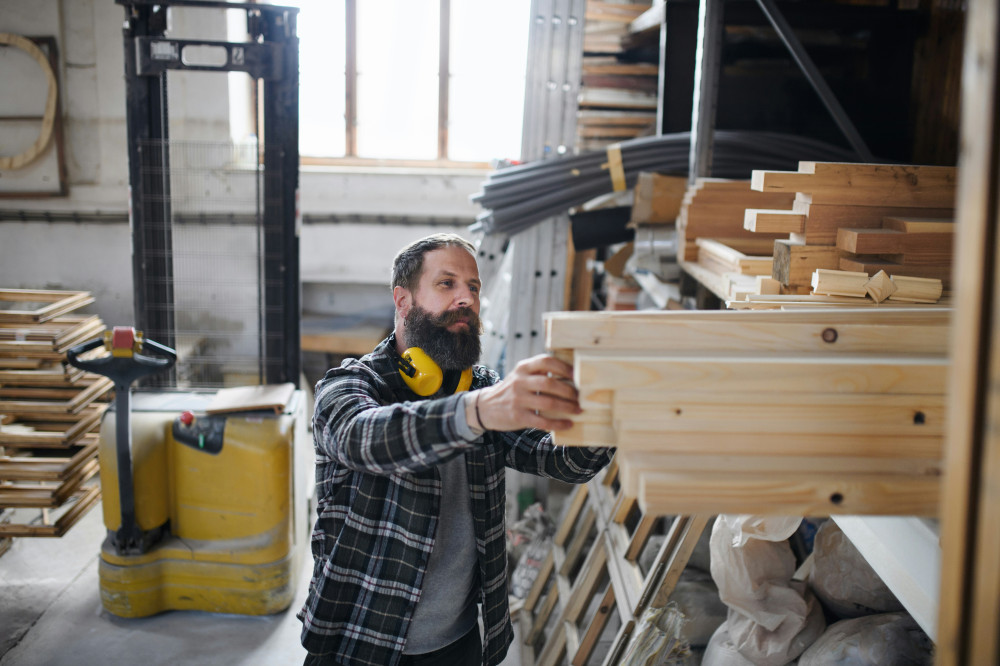
- Habitat for Humanity ReStores – nonprofit stores that sell donated building materials, fixtures, and furniture at affordable prices.
- Online marketplaces – sites like Craigslist, Facebook Marketplace, and local Buy Nothing groups often have free or low-cost materials.
- Demolition and renovation projects – contact contractors or property owners to see if you can salvage materials before demolition.
- Friends and neighbors – many people have leftover lumber, windows, or hardware they’re happy to give away.
When selecting materials, inspect them carefully. Wood should be dry and free of rot, and windows should have solid frames. Even if something looks worn, a bit of sanding, paint, or oil can bring it back to life.
Construction and Building Techniques
Even when using recycled materials, your shed needs a solid structure. Start with a stable foundation – concrete blocks, gravel pads, or post anchors are common options depending on your soil and shed size.
Build a sturdy frame from reclaimed lumber, then cover it with salvaged boards or panels. Screws are often better than nails, as they make adjustments easier. Remember that recycled materials rarely come in standard sizes, so patience and creativity are key.
For the roof, consider reclaimed metal sheets, shingles, or even leftover roofing rolls. Make sure the roof is watertight and slightly sloped to allow rainwater to drain away.
Add Personality and Style
A shed built from recycled materials already has character, but you can make it even more personal with thoughtful details. Mix different wood tones, leave old hinges and handles visible, or craft a door from mismatched planks. Inside, use leftover paint, old shelves, or repurposed crates for storage.
If you want more natural light, install a salvaged window or a glass door. It adds both charm and functionality, making the space more inviting.
Maintenance and Durability
Recycled materials may need a bit of extra care. Treat wood with oil, paint, or sealant to protect it from the elements. Check the roof and joints regularly for leaks, and fix small issues before they become bigger problems.
With proper maintenance, a shed built from recycled materials can last for many years – and it will only grow more beautiful with time.
Læs også:

A Sustainable Project with Meaning
Building a shed from recycled materials is more than a weekend project – it’s a statement. You’re reducing waste, conserving resources, and creating something that reflects your values and creativity. It may take a little more effort and imagination, but the result is a shed with soul, history, and sustainability in every nail and board.
Læs også: