Sustainable Construction in Practice – How It Differs from Traditional Building

Sustainable Construction in Practice – How It Differs from Traditional Building
Sustainable construction is no longer a niche concept reserved for environmental enthusiasts—it’s becoming a new standard across the U.S. building industry. But what does it actually mean in practice, and how does it differ from the way we’ve traditionally built? Here’s an overview of what defines sustainable construction and how it’s changing materials, processes, and the way we think about buildings.
What Is Sustainable Construction?
Sustainable construction focuses on creating buildings that respect the environment, support human well-being, and make economic sense—both now and in the future. It considers the entire life cycle of a building: from raw material extraction and construction to operation, maintenance, and eventual demolition.
The goal is to minimize resource use, reduce carbon emissions, and create healthy, durable buildings that can adapt to future needs. This stands in contrast to traditional construction, which has often prioritized cost and speed over long-term sustainability.
Low-Impact Materials
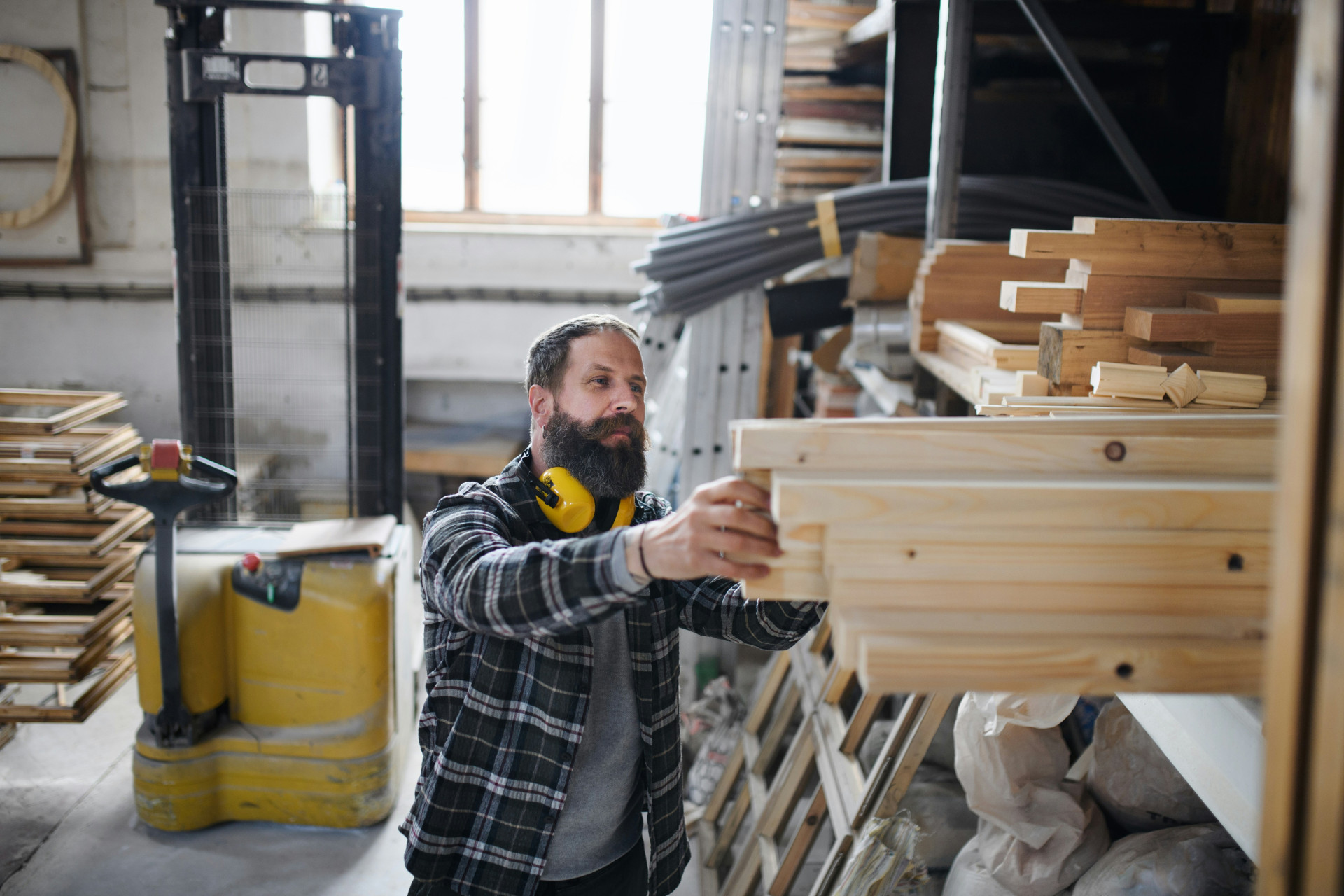
One of the most visible differences between sustainable and traditional construction lies in material choices. While conventional building often relies on concrete, steel, and plastics, sustainable construction seeks renewable, recycled, and low-carbon alternatives.
- Mass timber is gaining popularity in the U.S. as a renewable material that stores carbon and can replace steel or concrete in mid-rise buildings.
- Recycled materials—such as reclaimed wood, steel, and glass—are being reused from demolished structures.
- Natural insulation made from hemp, wool, or cellulose is replacing synthetic products with higher environmental footprints.
In addition, life cycle assessments (LCA) are increasingly used to evaluate the total environmental impact of materials—from production to disposal—helping designers make informed choices.
Energy Use and Building Performance
Traditional buildings often consume large amounts of energy due to poor insulation and inefficient systems. In sustainable construction, energy efficiency is a central focus.
Designers use passive strategies such as maximizing natural light, optimizing ventilation, and capturing heat through energy recovery systems. Technologies like solar panels, geothermal heat pumps, and rainwater harvesting are becoming standard features. The ultimate goal is to create net-zero or even net-positive buildings that produce as much—or more—energy than they consume.
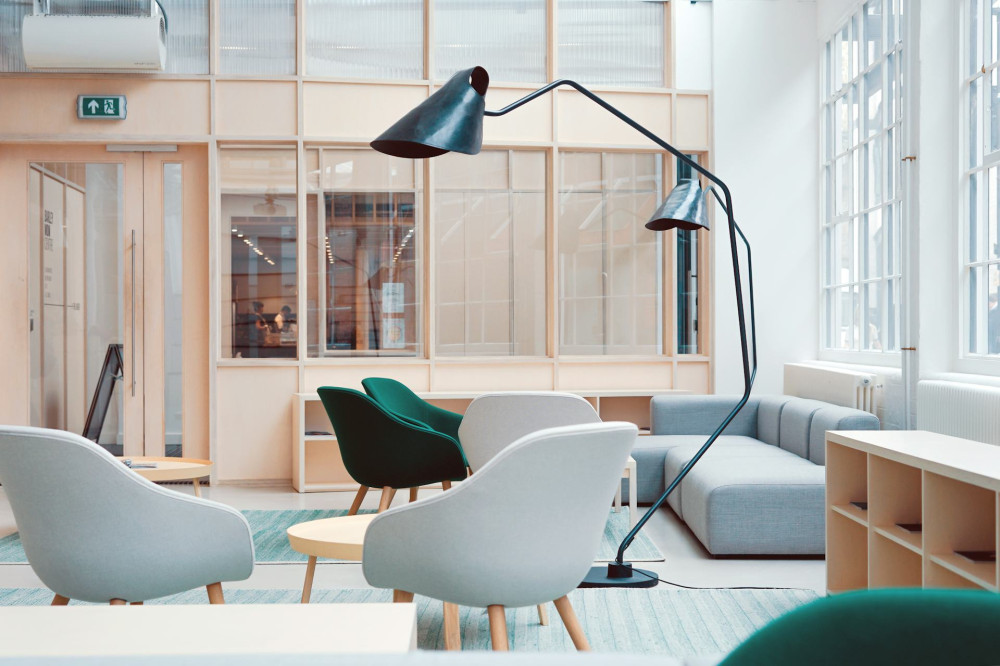
Healthy Indoor Environments
Sustainability isn’t just about the planet—it’s also about people. A healthy indoor environment is a key part of sustainable design. This means focusing on:
- Proper ventilation and moisture control
- Non-toxic, low-VOC materials
- Access to natural light and good acoustics
Traditional construction has often prioritized cost and function over indoor air quality, but research now shows that healthy buildings improve comfort, productivity, and even cognitive performance—especially in workplaces and schools.
Smarter Construction Processes
Sustainable construction also changes how buildings are planned and built. Instead of following “business as usual,” projects are carefully coordinated to reduce waste and inefficiency.
Digital tools like Building Information Modeling (BIM) allow teams to simulate and optimize a project before construction begins. This reduces material waste, transportation needs, and on-site energy use. Contractors and suppliers are also increasingly required to document the origin and environmental impact of their materials.
Læs også:

Economics and Long-Term Value
While sustainable buildings can have higher upfront costs, they often pay off over time. Lower energy bills, reduced maintenance, and longer lifespans make them more cost-effective in the long run.
In the U.S. real estate market, demand for sustainable buildings is growing rapidly. Certified green buildings often command higher resale values and attract tenants seeking lower operating costs and healthier spaces.
Certification and Standards
To ensure that a building truly meets sustainability goals, several certification systems are used in the U.S.:
- LEED (Leadership in Energy and Environmental Design) – the most widely recognized green building certification.
- WELL Building Standard – focuses on health and well-being in building design.
- Living Building Challenge – one of the most rigorous frameworks, requiring net-positive energy and water performance.
These certifications provide transparency and help owners, investors, and occupants understand a building’s environmental and social performance.
Toward a Circular Future
A growing trend in sustainable construction is the move toward a circular economy—designing buildings so that materials can be reused or recycled at the end of their life. This requires thinking ahead during the design phase, using modular systems, and documenting materials for future recovery.
Where traditional construction often ends in demolition waste, circular construction envisions buildings as material banks that can be disassembled and reborn in new projects.
A New Way of Thinking About Building
Ultimately, sustainable construction is about shifting our mindset—from short-term efficiency to long-term responsibility. It requires collaboration among architects, engineers, builders, and clients, as well as a willingness to invest in the future.
The difference between sustainable and traditional construction is not only technical but also cultural. It’s about building with care—for the environment, for people, and for the generations who will live and work in these spaces after us.
Læs også: