Check Your Plumbing – No Technical Measurements Needed

Check Your Plumbing – No Technical Measurements Needed
Most homeowners rarely think about their plumbing as long as water flows when they turn on the tap. But small signs of wear, leaks, or developing issues can often be spotted long before they turn into expensive repairs—and you don’t need any special tools to do it. With a bit of attention and a few simple observations, you can check whether everything is working as it should.
Listen and Look – Your Best Tools
You don’t need to measure water pressure or flow rate to notice when something’s wrong. Your senses are often enough. Start by listening: Do you hear a faint hissing or running sound from pipes or toilets even when no water is being used? That could mean a leak. A toilet that keeps refilling or makes a constant trickling sound is one of the most common sources of wasted water.
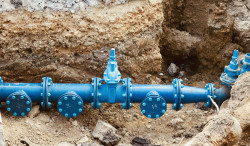
Next, look at visible pipes, valves, and connections. Any moisture, discoloration, or mineral buildup could indicate a slow leak. Even small drips can cause major damage to walls, floors, or cabinets over time.
Check Faucets and Fixtures
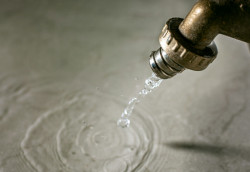
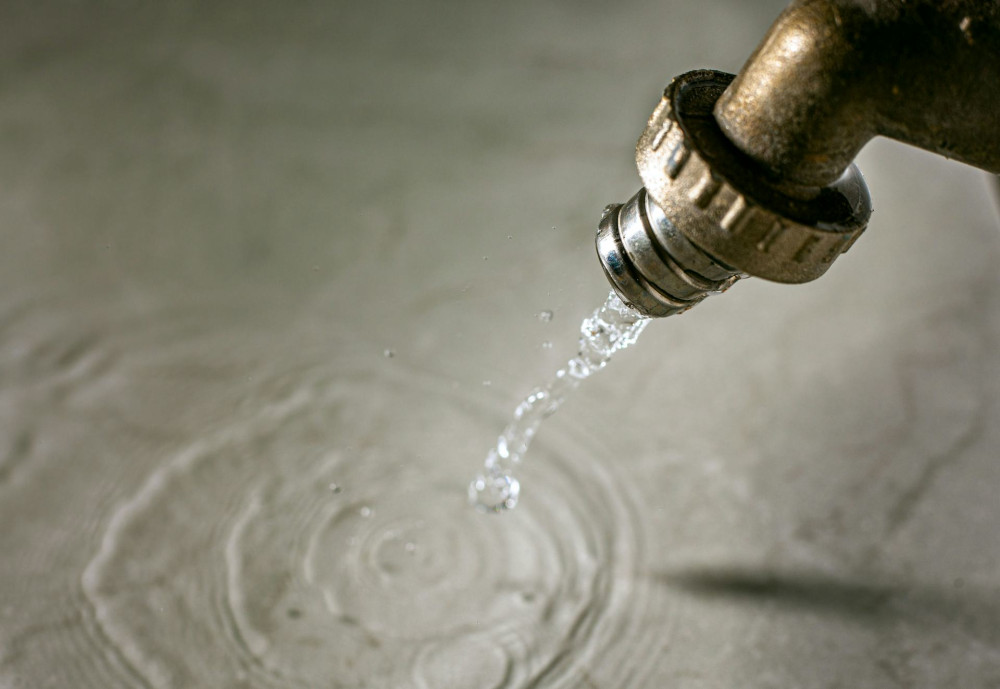
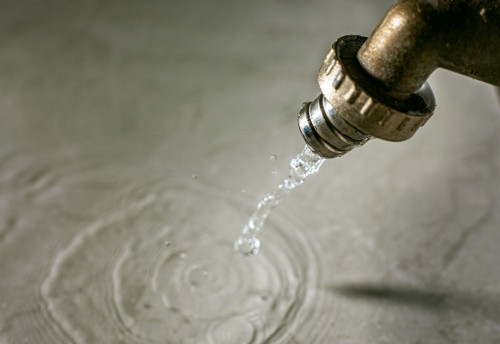
A dripping faucet may seem minor, but it can waste dozens of gallons of water a day. Turn the handle off firmly and see if drops still form. If they do, it’s often just a worn washer or cartridge—an easy fix for a homeowner or a quick job for a plumber.
Also pay attention to your shower and sink fixtures. If the water temperature fluctuates or the pressure drops when you turn on the hot water, it could be a sign of mineral buildup or wear in the mixing valve.
Watch Your Water Meter
A simple way to detect hidden leaks is by using your water meter. Turn off all water in the house—no washing machine, dishwasher, or dripping faucets. Note the meter reading, wait an hour, and check again. If the numbers have changed, even slightly, water is escaping somewhere you can’t see.
That could mean a leak under the floor, behind a wall, or in the yard. In that case, it’s best to call a licensed plumber before the problem gets worse.
Check Water Pressure – No Gauge Needed
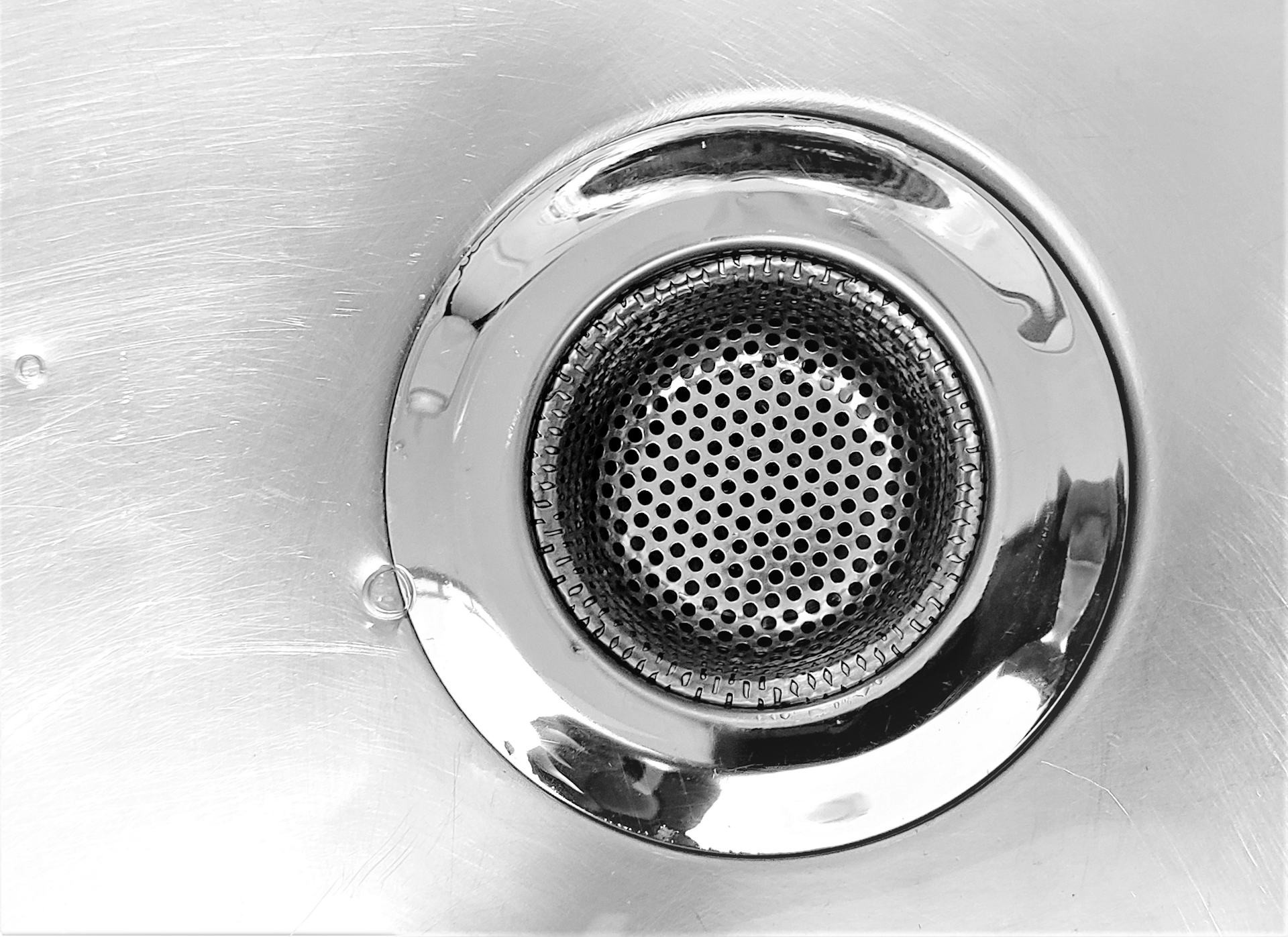
Even without a pressure gauge, you can get a sense of your water pressure. If water suddenly flows weaker than usual, the aerator (the small screen at the end of the faucet) might be clogged with mineral deposits. Unscrew it, soak it in vinegar, and rinse it clean. If the pressure doesn’t improve, there may be a larger issue in the plumbing system or with your home’s pressure regulator.
Keep an Eye on Your Water Heater
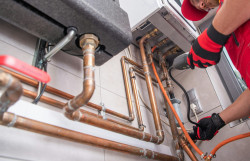
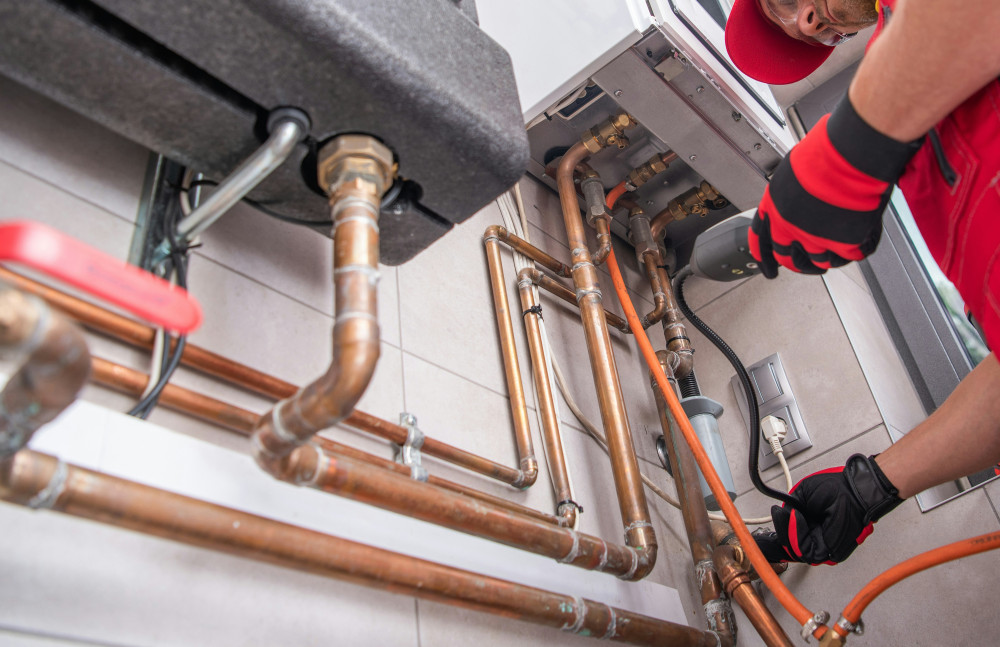
Your water heater also deserves a quick inspection. Look for moisture around the base or valves, and listen for a constant hissing or dripping sound. These can be signs of a small leak or pressure problem. If you have to add water frequently to a boiler or notice rust-colored water, it’s time to have a professional take a look.
Læs også:

Prevent Problems with Regular Attention
A quick check a few times a year can save you from water waste and costly damage. Make it a habit to:
- Listen for unusual sounds when the house is quiet.
- Look for moisture or mineral buildup around pipes and valves.
- Check your water meter when all water is off.
- Clean aerators and showerheads to remove mineral deposits.
It only takes a few minutes, but it can prevent major issues later on.
When to Call a Professional
While you can spot many issues yourself, some situations require expert help. If you suspect a hidden leak, notice a sudden drop in pressure, or see signs of water damage, call a licensed plumber. They have the tools to test, locate, and repair problems before they cause serious harm.
Knowing your plumbing system—without needing to measure or calculate—comes down to using your eyes and ears. A little awareness and common sense can save money, conserve water, and protect your home.
Læs også: