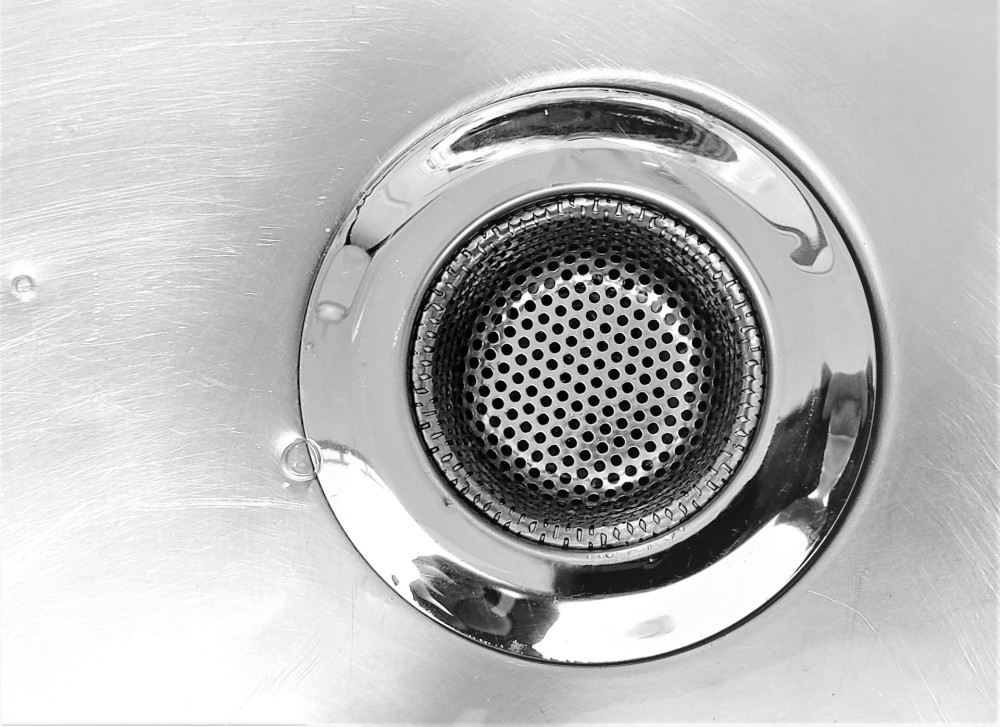
Clean Metal and Plastic Without Damaging the Surface


Clean Metal and Plastic Without Damaging the Surface
Cleaning metal and plastic takes more care than you might expect. These materials react differently to water, cleaning agents, and friction, and using the wrong method can easily cause scratches, dullness, or discoloration. Whether you’re removing hard water stains from faucets, grease from kitchen appliances, or dust from plastic panels, the key is to choose the right approach. Here’s a practical guide to cleaning metal and plastic effectively—without damaging them.
Know Your Material Before You Start
Before grabbing your cleaning supplies, take a moment to identify what kind of metal or plastic you’re dealing with.
- Stainless steel can handle moisture and mild detergents but is prone to water spots and fingerprints.
- Chrome finishes are more delicate and can lose their shine if you use abrasive cleaners.
- Aluminum reacts to strong acids and bases, so stick to neutral cleaners.
- Plastic comes in many forms—from hard ABS to soft PVC—and some types don’t tolerate solvents or high heat.
A good rule of thumb: always test your cleaner on a small, hidden area first. That way, you’ll avoid unpleasant surprises.
Cleaning Metal – Shine Without Scratches
When cleaning metal, your goal is to remove dirt and grease without scratching the surface.
- Start with warm water and mild dish soap. Use a soft microfiber cloth or sponge. This removes most grime safely.
- For mineral deposits, mix equal parts white vinegar and water. Apply with a cloth, let it sit for a few minutes, then rinse thoroughly. Avoid vinegar on aluminum.
- Polish afterward with a clean, dry cloth to prevent water spots. For stainless steel, you can use a small amount of mineral oil or a stainless-steel polish to restore shine.
- Skip abrasive pads and steel wool. They leave micro-scratches that dull the finish and attract more dirt.
If you’re cleaning bathroom fixtures, wipe them dry after each use. This prevents limescale buildup and makes weekly cleaning much easier.
Cleaning Plastic – Keep the Gloss and Shape
Plastic is versatile but can become dull or discolored if cleaned too harshly.
- Use lukewarm water and mild soap. A microfiber cloth works best because it lifts dirt without scratching.
- Avoid alcohol, acetone, and chlorine-based cleaners. These can dissolve or dry out plastic surfaces.
- For stubborn stains, sprinkle a little baking soda on a damp cloth. Rub gently and rinse well.
- Always dry afterward. Standing moisture can cause streaks or discoloration over time.
If the plastic looks faded, you can revive it with a small amount of silicone spray or a plastic conditioner. These products also protect against UV damage and drying.
Common Mistakes to Avoid
Many surface damages come from well-intentioned but overly aggressive cleaning habits. Here are the most common mistakes—and how to avoid them:
- Too much pressure: Pressing too hard can scratch the surface. Let the cleaner do the work.
- Wrong product: “All-purpose” doesn’t always mean safe. Read the label and choose a cleaner suited to your material.
- Skipping the rinse: Soap or acid residues can corrode surfaces over time. Always rinse thoroughly with clean water.
- Not drying afterward: Water spots and mineral buildup form quickly, especially on metal. Wipe dry with a soft cloth.
Maintenance – Small Habits, Big Results
Regular upkeep is the best way to keep your surfaces looking new.
- Wipe metal and plastic regularly so dirt doesn’t have time to stick.
- Always use soft cloths and neutral cleaners.
- Store cleaning products properly to maintain their effectiveness.
- Consider applying a protective wax or polish to metal surfaces exposed to moisture, such as in kitchens and bathrooms.
A few simple habits can save you from heavy scrubbing later—and keep your surfaces looking great for years.
Læs også:


Sparkling Clean – Without the Damage
Cleaning metal and plastic isn’t about using the strongest products, but the right ones. With gentle cleaners, soft cloths, and a bit of patience, you can make your surfaces shine without losing their finish or texture. It’s better for your materials—and for the environment.
Læs også: