Connection Between Kitchen and Dining Room: Colors and Materials That Tie the Spaces Together

Create a seamless flow between your kitchen and dining area with coordinated colors and materials
Trends
Trends
6 min
Discover how to connect your kitchen and dining room through thoughtful design choices. Learn how color palettes, materials, and lighting can work together to create a harmonious and inviting open-concept space that feels both functional and stylish.
Amelia Ortiz
Amelia
Ortiz

Connection Between Kitchen and Dining Room: Colors and Materials That Tie the Spaces Together

Create a seamless flow between your kitchen and dining area with coordinated colors and materials
Trends
Trends
6 min
Discover how to connect your kitchen and dining room through thoughtful design choices. Learn how color palettes, materials, and lighting can work together to create a harmonious and inviting open-concept space that feels both functional and stylish.
Amelia Ortiz
Amelia
Ortiz

In many American homes, the kitchen and dining room have merged into one open space. This layout encourages togetherness and makes entertaining easier—but it also calls for thoughtful design choices to ensure the two areas feel cohesive. Color, materials, and lighting all play key roles in creating a seamless flow between cooking and dining zones. Here’s how to bring harmony and style to your open-concept space.

Begin with a Unified Color Palette

A consistent color palette is the foundation of a balanced, inviting open area. That doesn’t mean everything has to match perfectly, but the tones should complement each other.

  • Choose a base color that appears in both spaces—soft whites, warm grays, or muted blues are timeless options that work well in American interiors.
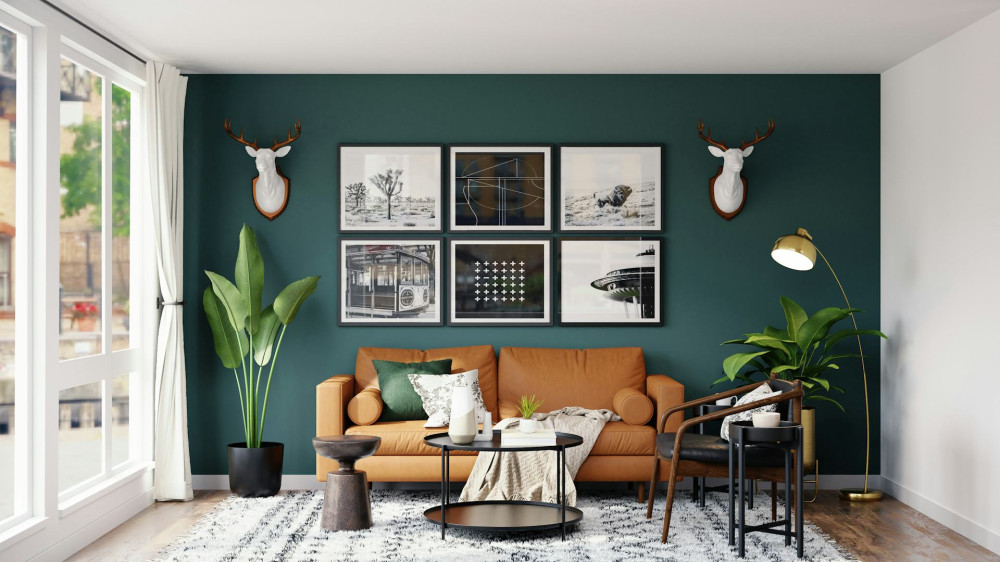
  • Add accent colors through chairs, light fixtures, or decorative pieces like pottery, artwork, or plants.
  • Consider natural light—colors can look very different depending on how much sunlight the space receives. Test paint samples in both the kitchen and dining area before committing.

A subtle variation in tone can add depth. For example, if your kitchen walls are a crisp white, try a slightly warmer or cooler shade in the dining area to create gentle contrast without breaking the visual flow.

Materials That Create Continuity

Repeating materials and textures across both spaces helps them feel connected and intentional.

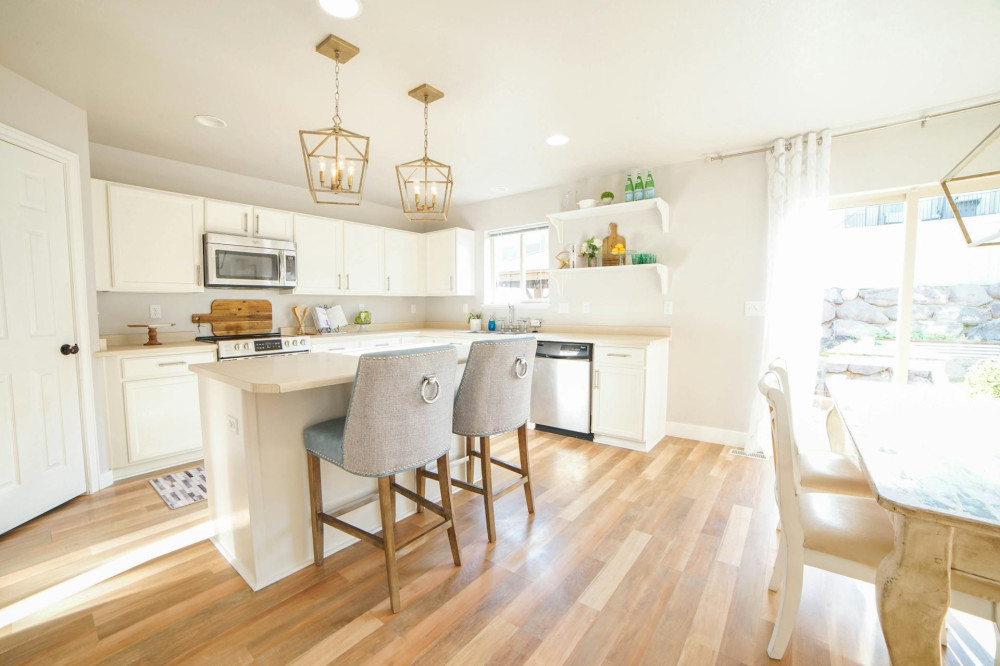
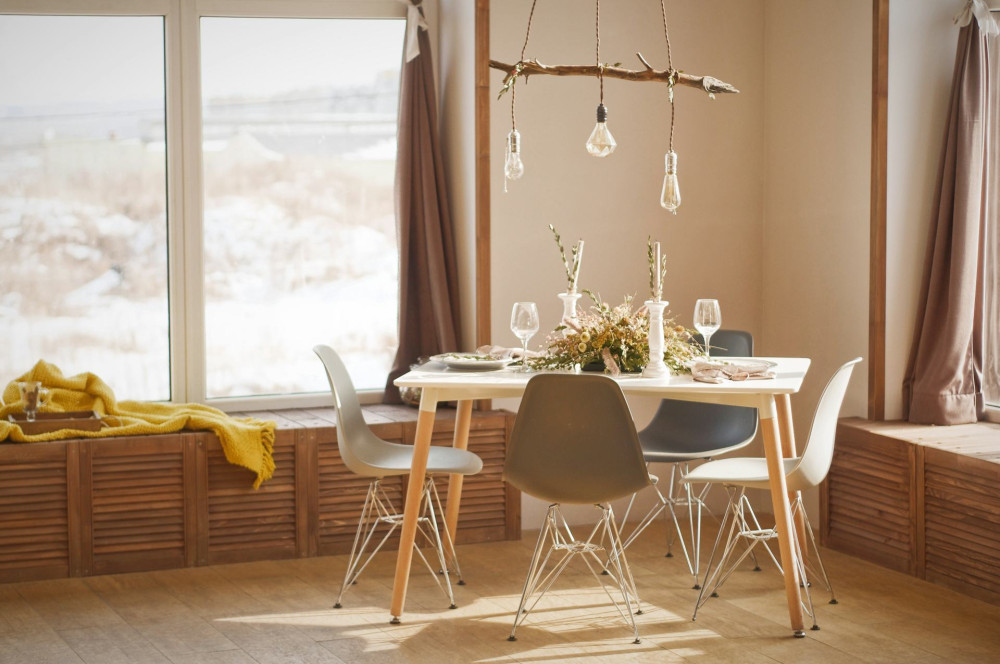
  • Wood adds warmth and character. If your dining table is oak, echo that wood tone in open shelving, bar stools, or flooring.
  • Stone and quartz countertops can inspire other surfaces—use similar materials for a dining table centerpiece or a backsplash detail.
  • Metals like brushed brass, matte black, or stainless steel can tie the spaces together through cabinet hardware, light fixtures, or chair frames.
  • Textiles—rugs, curtains, and upholstered chairs—soften the transition between the two zones and make the space feel more inviting.

Repeating materials in small doses creates a sense of unity while allowing each area to maintain its own function and personality.

Define Zones with Flooring and Lighting

Even in an open layout, it’s important to distinguish between cooking and dining areas. Subtle design cues can help define each zone.

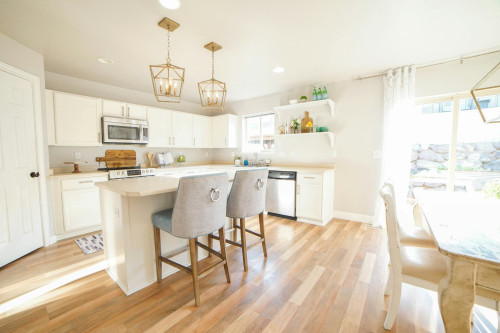
  • Flooring can remain consistent throughout, but you can use a large area rug under the dining table or change the direction of wood planks to visually separate the spaces.
  • Lighting is one of the most effective tools for setting the mood. Choose bright, task-oriented lighting for the kitchen and softer, ambient lighting for the dining area.
  • Pendant lights from the same collection—in different sizes or finishes—can create visual harmony without feeling repetitive.

This approach ensures that both areas serve their purpose while still feeling like parts of a cohesive whole.

Balance Function and Comfort

The kitchen is a workspace, while the dining room is a place to relax and connect. Balancing these two moods is key to a successful design.

A sleek, modern kitchen with smooth surfaces can be warmed up by a rustic wooden dining table and cozy textiles. Conversely, a traditional kitchen with detailed cabinetry can feel refreshed with minimalist dining chairs and clean-lined lighting.

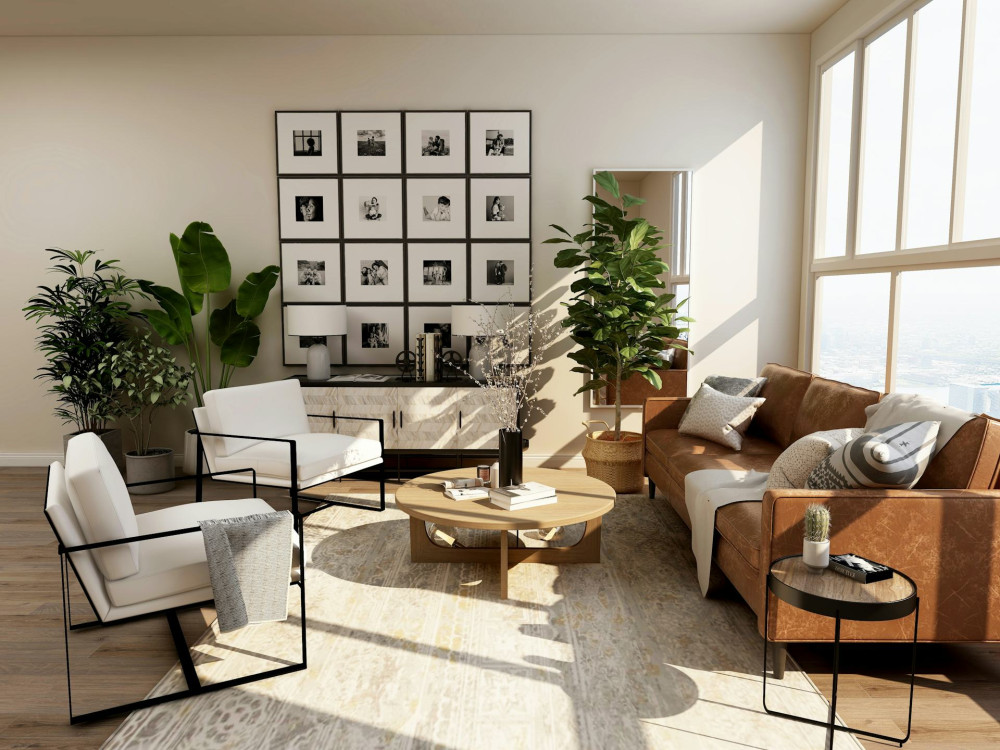
Add personality with plants, artwork, and meaningful objects. A large plant placed between the two zones can act as a natural divider, while framed prints or family photos can make the space feel personal and lived-in.

Think Holistically—but Keep It Personal

Designing an open kitchen and dining area isn’t just about aesthetics—it’s about how you live. Consider how you move between cooking, serving, and dining, and let those patterns guide your layout and design choices.

A well-designed space supports both function and personality. The details—your favorite pendant light, a vintage chair, or a handmade bowl—bring warmth and authenticity.

When color, materials, and function work together, your kitchen and dining room become more than just adjoining spaces—they become the heart of your home.

How to choose the right type of home for your family
Are you considering changing your home type? This e-book examines the advantages and disadvantages of different types of housing, from townhouses to apartments, so that you can more easily find the type of housing that suits your familys needs and lifestyle.
Download e-book
When Technology Meets Aesthetics: The Changing Modern Home Style
Discover how technology and design merge to redefine the modern living space
Trends
Trends
Smart Home
Interior Design
Modern Living
Home Technology
Sustainable Design
3 min
From smart lighting to sustainable materials, technology is reshaping the way we live and decorate. Explore how innovation and aesthetics come together to create homes that are both functional and beautiful.
Ariana Bradley
Ariana
Bradley
Mindful Decorating with Plants – Create Calm and Presence in Your Home
Bring harmony and mindfulness into your home with the natural beauty of plants
Trends
Trends
Mindful Living
Home Decor
Indoor Plants
Wellness
Interior Design
7 min
Discover how thoughtful plant placement and care can transform your home into a peaceful retreat. Learn how to decorate mindfully with greenery to create balance, presence, and a deeper connection to nature.
Piper Foster
Piper
Foster
Transform Your Space with Simple Renovation Ideas
Refresh your home with easy updates that make a big difference
Trends
Trends
Home Renovation
Interior Design
DIY
Home Improvement
Decorating Ideas
3 min
Discover how small, budget-friendly renovation ideas can completely transform your home. From color and lighting to surfaces and details, learn simple ways to create a space that feels new, functional, and uniquely yours.
Lucas Young
Lucas
Young
How to Create a Functional Home After the Kids Have Moved Out
Redefine your living space and make your home truly yours again
Trends
Trends
Home Design
Empty Nest
Interior Inspiration
Decluttering
Lifestyle
5 min
When the kids have moved out, your home enters a new phase—full of space, opportunity, and potential. Discover how to transform empty rooms, declutter with purpose, and design a flexible, comfortable home that reflects your lifestyle today.
Jack Brooks
Jack
Brooks
Connection Between Kitchen and Dining Room: Colors and Materials That Tie the Spaces Together
Create a seamless flow between your kitchen and dining area with coordinated colors and materials
Trends
Trends
Interior Design
Kitchen Decor
Dining Room
Home Styling
Open Concept
6 min
Discover how to connect your kitchen and dining room through thoughtful design choices. Learn how color palettes, materials, and lighting can work together to create a harmonious and inviting open-concept space that feels both functional and stylish.
Amelia Ortiz
Amelia
Ortiz
Make Your Own Natural Table Care Oil – Simple and Sustainable
Give your wooden furniture a natural glow with a simple, eco-friendly oil you can make yourself
Table
Table
DIY
Natural Living
Home Care
Sustainable Design
Wood Furniture
4 min
Discover how to create your own natural table care oil using just a few ingredients. This easy, sustainable DIY project helps you protect and nourish your wooden surfaces while reducing waste and avoiding synthetic chemicals.
Ariana Bradley
Ariana
Bradley
Desk Colors: Create Energy or Calm with the Right Shades
Transform your workspace with colors that inspire focus, creativity, and balance
Table
Table
Workspace Design
Color Psychology
Productivity
Home Office
Well-Being
3 min
Discover how the colors around your desk can influence your mood, energy, and productivity. Learn which shades boost motivation, which create calm, and how to find the perfect color balance for your ideal workspace.
Piper Foster
Piper
Foster
Move the Kids’ Table Without Scratches – How to Protect Your Floor
Keep your floors flawless while letting the kids enjoy their space
Table
Table
Home Care
Family Living
Floor Protection
Furniture Tips
Interior Maintenance
5 min
Moving the kids’ table doesn’t have to mean scuffed floors or damaged furniture. Discover simple, practical tips to protect your floors and make rearranging your home easier and safer for everyone.
Lucas Young
Lucas
Young
Contrasts Between Bar Tables and Bar Stools Bring Life to the Interior Design
Discover how the interplay between bar tables and stools transforms your home bar into a stylish focal point
Table
Table
Interior Design
Home Bar
Furniture
Bar Stools
Bar Tables
3 min
Explore how contrasts in materials, colors, and shapes between bar tables and bar stools can bring energy and personality to your interior. Learn how to balance design elements to create a cohesive and inviting atmosphere in your home bar.
Jack Brooks
Jack
Brooks