Contrasts Between Bar Tables and Bar Stools Bring Life to the Interior Design


Contrasts Between Bar Tables and Bar Stools Bring Life to the Interior Design
A home bar area can be much more than a place to pour a drink. It can serve as a social hub, a design statement, and a way to add energy to your interior. One of the most effective ways to give the space character and personality is by playing with contrasts—especially between the bar table and bar stools. When materials, colors, and shapes interact, they create a dynamic balance that makes the design both engaging and inviting.
Why Contrasts Work
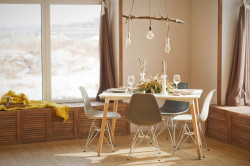
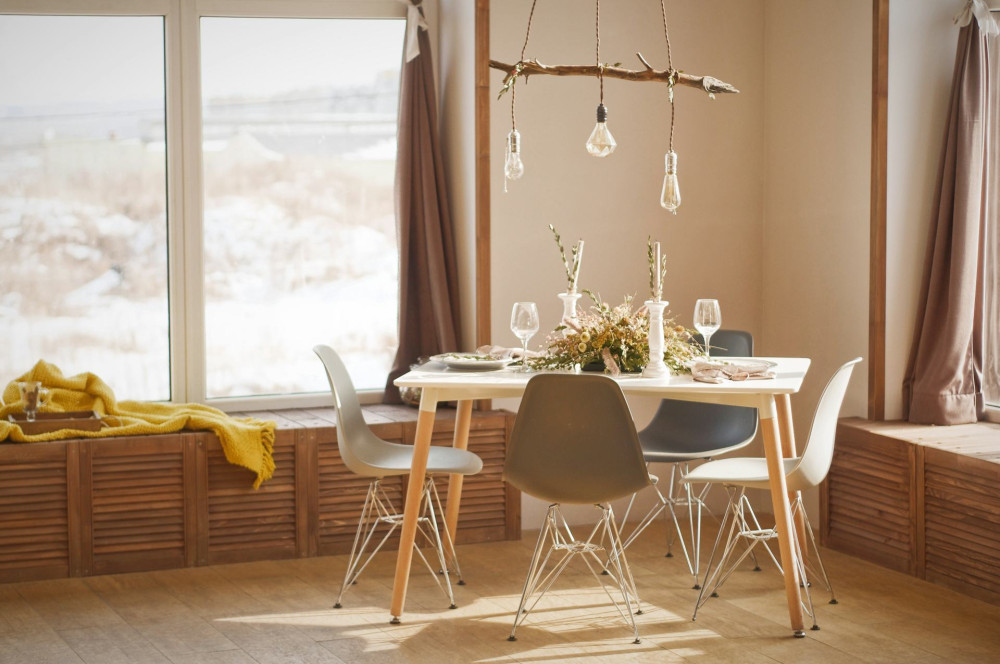
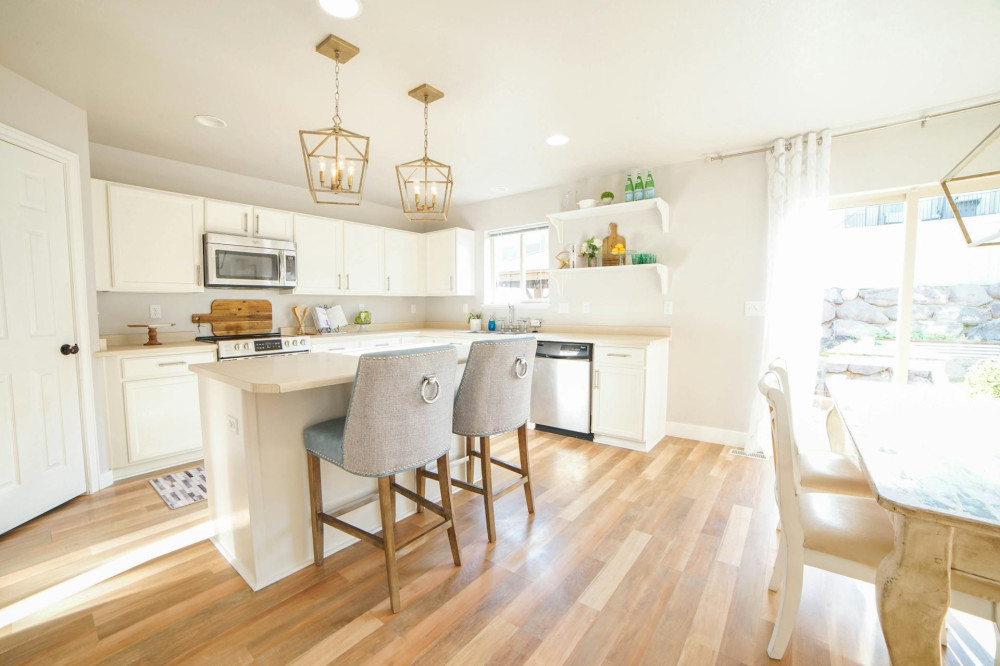
Contrasts create visual tension in the best possible way. When a light wood bar table is paired with dark metal stools, or when a sleek marble surface meets soft upholstered seats, the interplay draws the eye and adds depth. The goal isn’t chaos—it’s balance. Contrasts make a room feel intentional and full of life.
A perfectly matching set can look harmonious, but sometimes too uniform. Mixing materials and styles can bring warmth and individuality without losing cohesion.
Materials That Complement Each Other
When choosing bar tables and stools, materials are a great place to start. Here are a few combinations that work beautifully in American homes:
- Wood and metal – a warm oak or walnut table paired with industrial-style metal stools creates a modern yet cozy atmosphere.
- Marble and leather – the cool sophistication of marble contrasts elegantly with the tactile comfort of leather seats.
- Black and natural tones – a dark tabletop can highlight light wood stools, creating a calm and balanced contrast.
- Matte and glossy finishes – a matte table surface combined with shiny stool legs adds subtle visual interest.
By selecting materials that differ yet complement each other, you can achieve a look that feels both balanced and vibrant.
Color as a Mood Setter
Color plays a major role in how a space feels. A neutral-toned bar table can serve as a base for colorful stools that inject energy and personality. Conversely, a bold table in black metal or deep walnut can be softened with lighter or natural shades on the stools.
For a calm and cohesive look, try tone-on-tone contrasts—different shades of gray or beige, for example. If you prefer a more daring and contemporary vibe, go for sharper contrasts like navy blue against brass or forest green paired with matte black.
Shape and Proportion
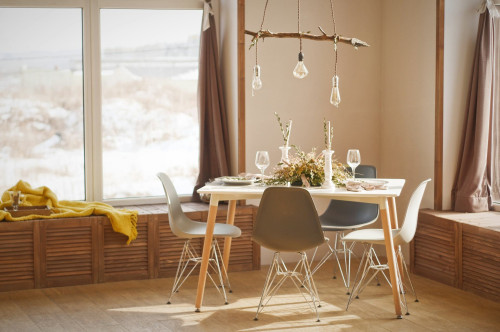
Contrasts aren’t just about color and material—they’re also about form. A round bar table can be paired with angular stools for a playful balance, while a tall, slender table might look best with more substantial seating. The key is proportion: the pieces should differ but still feel harmonious together.
Think in terms of rhythm—repeat certain lines or shapes in both the table and stools so the contrasts feel intentional rather than random.
Læs også:
Creating Cohesion Through Details
Even when working with contrasts, it’s important to have a unifying element. This could be a shared metal finish, a repeated wood tone, or a fabric that appears elsewhere in the room. Small details like footrests, stitching, or hardware can tie the look together.
Lighting also plays a crucial role. A pendant light above the bar table can highlight textures and colors, while warm light can make contrasts feel more natural and inviting.
A Personal Expression
The beauty of working with contrasts is that there’s no single right answer. It’s about finding the combination that fits your style and your home. Some people prefer a minimalist approach with subtle differences, while others embrace bold colors, textures, and shapes.
By experimenting with contrasts, you can create a bar area that feels personal and alive—a space where differences don’t clash but instead come together in perfect harmony.
Læs også: