The Coffee Table as a Focal Point: Create Rhythm and Movement in Your Living Room

The Coffee Table as a Focal Point: Create Rhythm and Movement in Your Living Room
The coffee table is often the quiet centerpiece of the living room — a piece we take for granted, yet one that plays a major role in defining the space. It ties together the sofa, rug, and seating area, and it’s where we gather around coffee, books, and conversation. But a coffee table can be more than just practical. With the right choice and placement, it can create rhythm, movement, and balance in your décor — becoming an aesthetic focal point in its own right.
The Coffee Table as the Room’s Rhythm Maker
When we talk about rhythm in interior design, we’re referring to how the eye moves through a space. A coffee table can serve as a visual anchor that unites the surrounding elements and creates harmony. Its shape, material, and height all play a part.
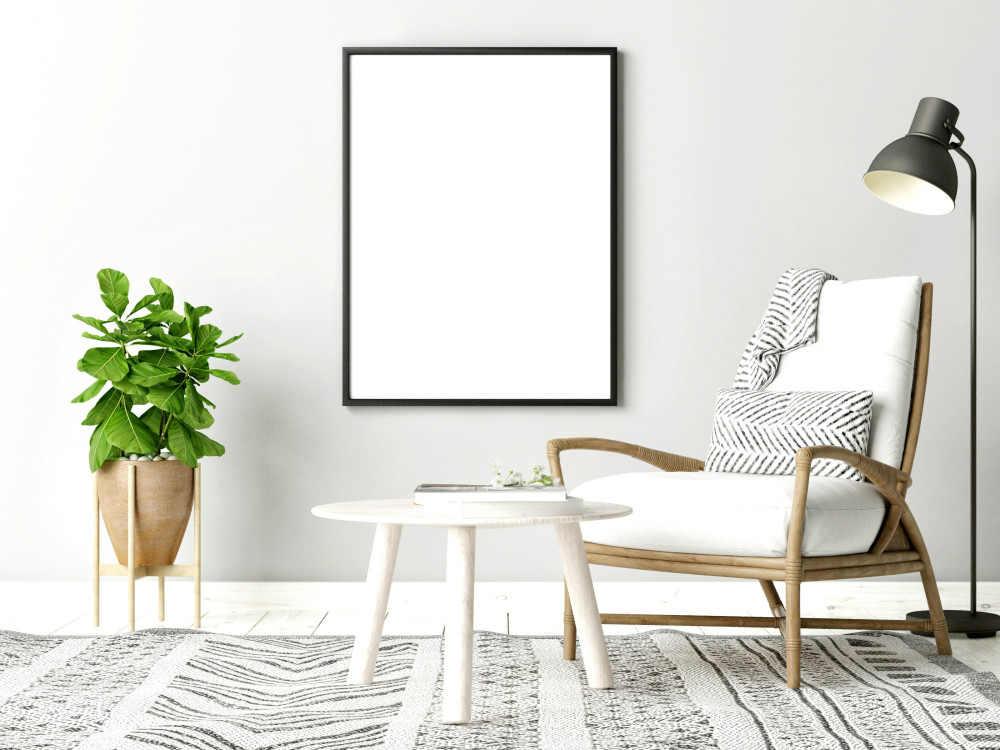
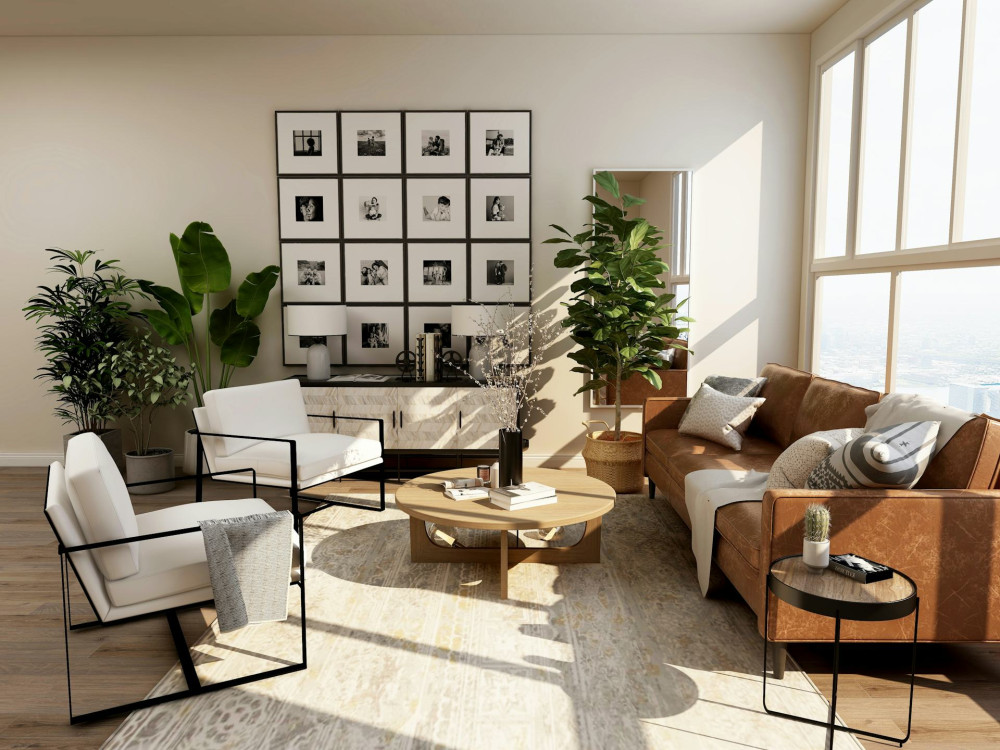
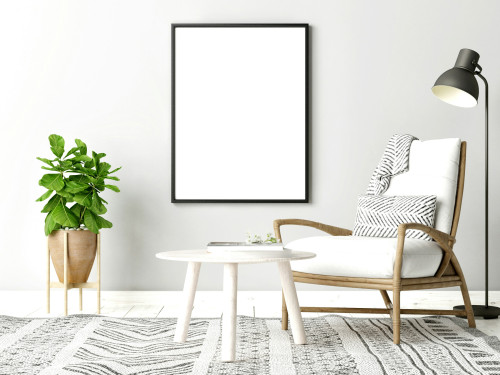
A round table introduces a soft, flowing movement and works well in rooms where you want a relaxed, organic feel. A square or rectangular table, on the other hand, adds structure and direction — ideal for spaces where you want to emphasize clean lines and symmetry.
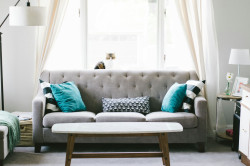
Also consider how the table interacts with your sofa’s shape. A long, low sofa can be balanced by a more compact table, while a large sectional often calls for a table with more volume so the proportions feel right.
Materials That Set the Mood
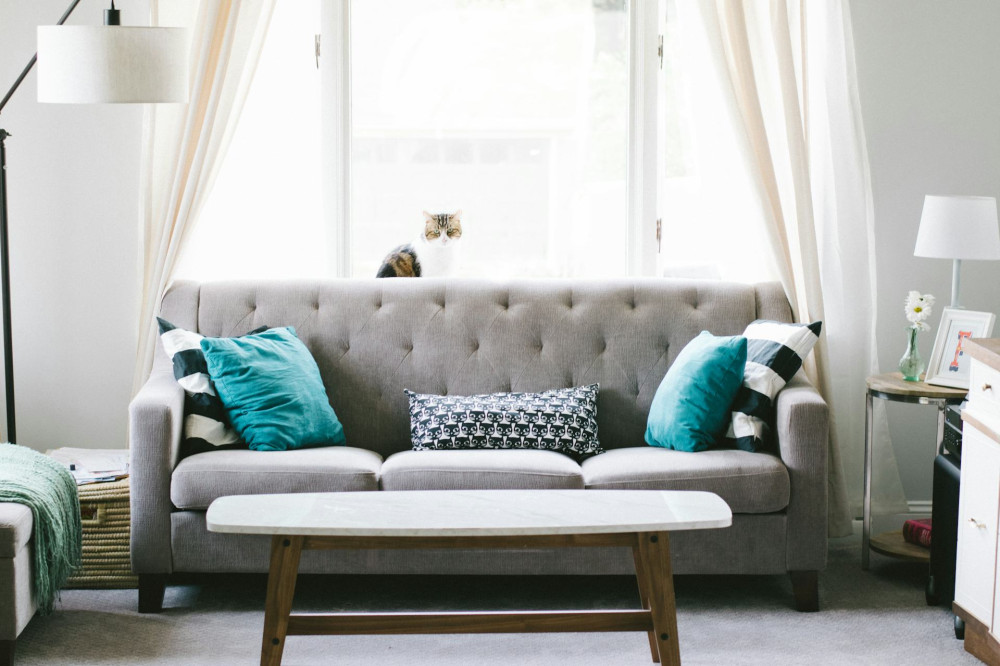
The material you choose has a big impact on how the coffee table feels in the room. Wood brings warmth and a natural touch, while glass and metal create a lighter, more contemporary look.
- Wood – timeless and versatile, especially in oak, walnut, or maple. Perfect for cozy, classic interiors.
- Marble – elegant and luxurious, though it requires a bit of care.
- Glass – reflects light and makes the room feel more open.
- Metal – adds edge and contrast, especially when paired with soft fabrics.
Mixing materials — for example, a wooden top with metal legs — can add visual interest and movement. The goal is to find a balance between calm and dynamic elements.
Creating Movement Through Composition
A single coffee table can be beautiful on its own, but grouping smaller tables of different heights and shapes can bring energy to the room. It adds variation and makes it easy to adapt the layout for different occasions.
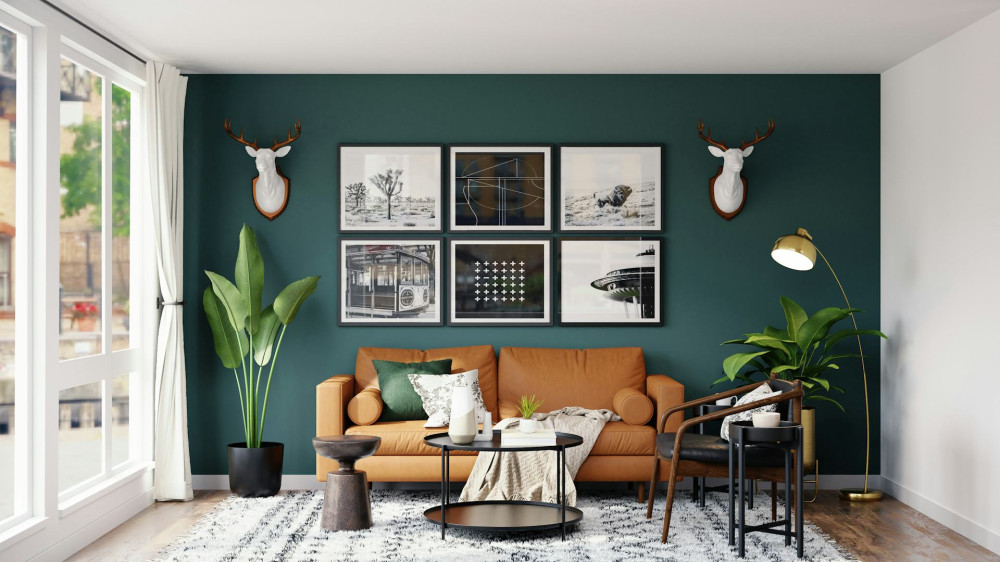
Try pairing a low, round table with a taller, square side table. This creates a natural rhythm and flexibility — perfect for entertaining or simply changing up the atmosphere.
Another trick is to let the tables overlap slightly. This overlapping effect gives a sense of motion and makes the arrangement more visually engaging.
Color and Contrast
Color influences how we experience a space. A light-colored coffee table can make the living room feel airy and open, while a dark one adds depth and grounding.
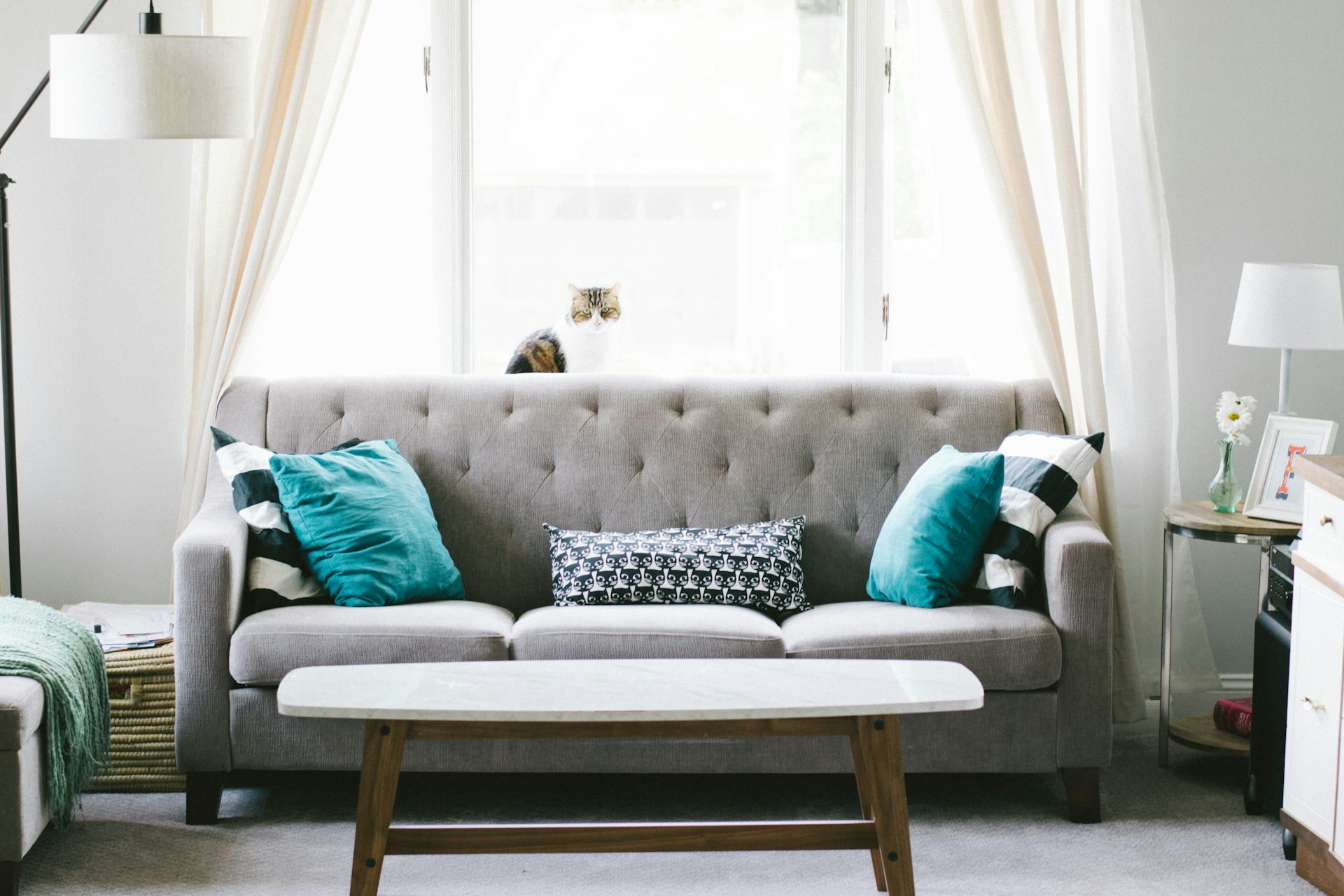
If you want the table to stand out, choose a color or finish that contrasts with your sofa and rug. A dark wood table against a light couch creates a striking focal point, while a table in similar tones blends in for a more harmonious look.
Also think about how the surface reflects light. A glossy finish catches the eye, while a matte one feels more understated and calm.
Læs også:
Details That Make the Difference
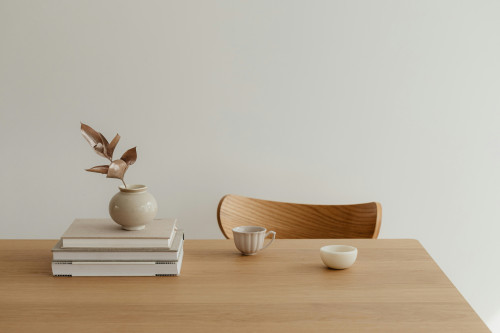
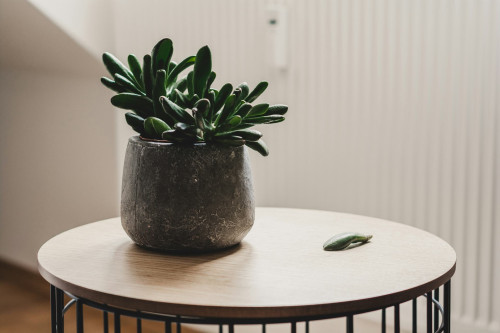
Small details can transform a coffee table from functional to personal. A vase of fresh flowers, a stack of art books, or a sculptural bowl can serve as visual pauses that support the rhythm of the room.
Be careful not to overcrowd the surface — it should still be usable. A good rule of thumb is to leave about one-third of the tabletop clear so it feels open and inviting.
A Table That Fits Your Lifestyle
Your coffee table should suit not only the room but also your daily life. If you have young children, a round table without sharp corners is practical. If you often work from the sofa, a table with adjustable height or hidden storage can be a smart choice.
The key is to choose a table that feels like a natural part of your lifestyle — a piece that’s both functional and inspiring.
Designing a Living Room with Flow and Balance
When you choose a coffee table, you’re not just picking a piece of furniture — you’re defining the heart of your living space. It’s where form meets function, and where the rhythm of the room begins.
By considering proportions, materials, and composition, you can create a living room that feels both lively and balanced — a space where the eye moves naturally and where you’ll want to linger just a little longer.
Læs også: