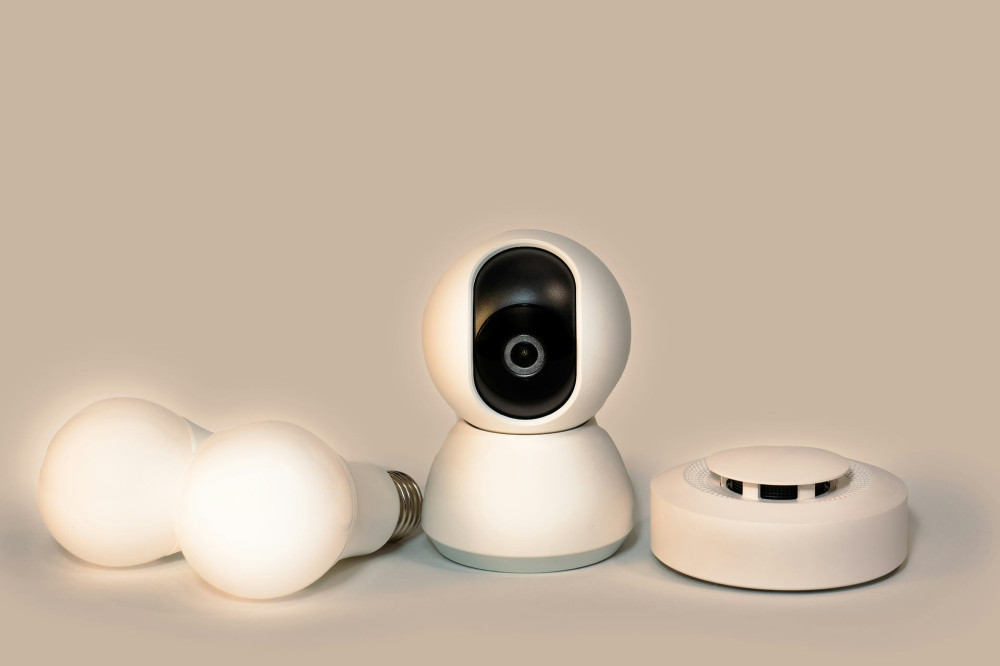
Data from Home Appliances Can Reveal New Energy-Saving Opportunities

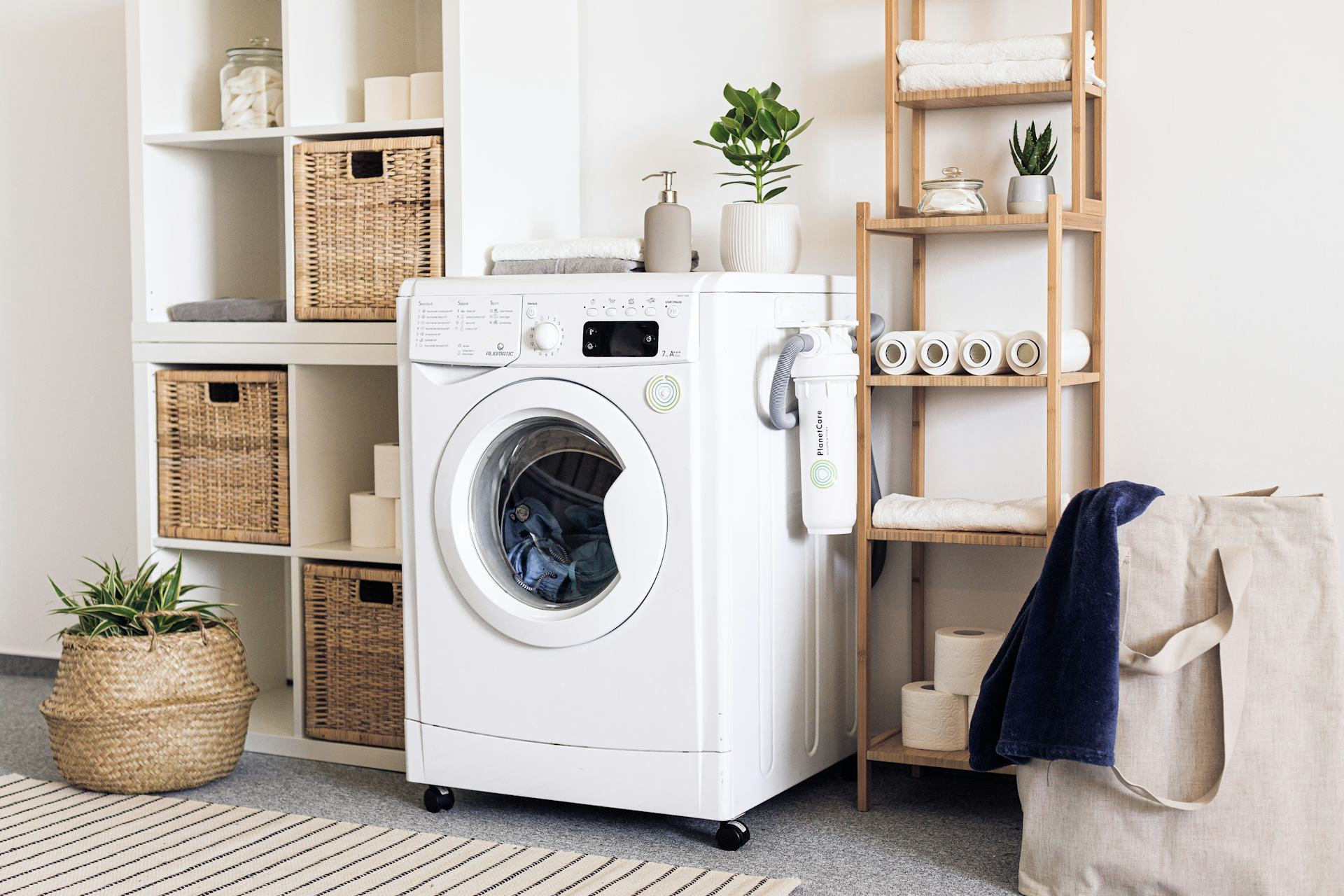
Data from Home Appliances Can Reveal New Energy-Saving Opportunities
Most of us rarely think about how much data our home appliances actually generate. Modern refrigerators, washing machines, and dishwashers are now equipped with sensors and internet connections that record everything from energy use to usage patterns. This data can be a goldmine—not only for manufacturers but also for consumers who want to save energy and money in their daily lives.
Smart Appliances – More Than Just Convenience
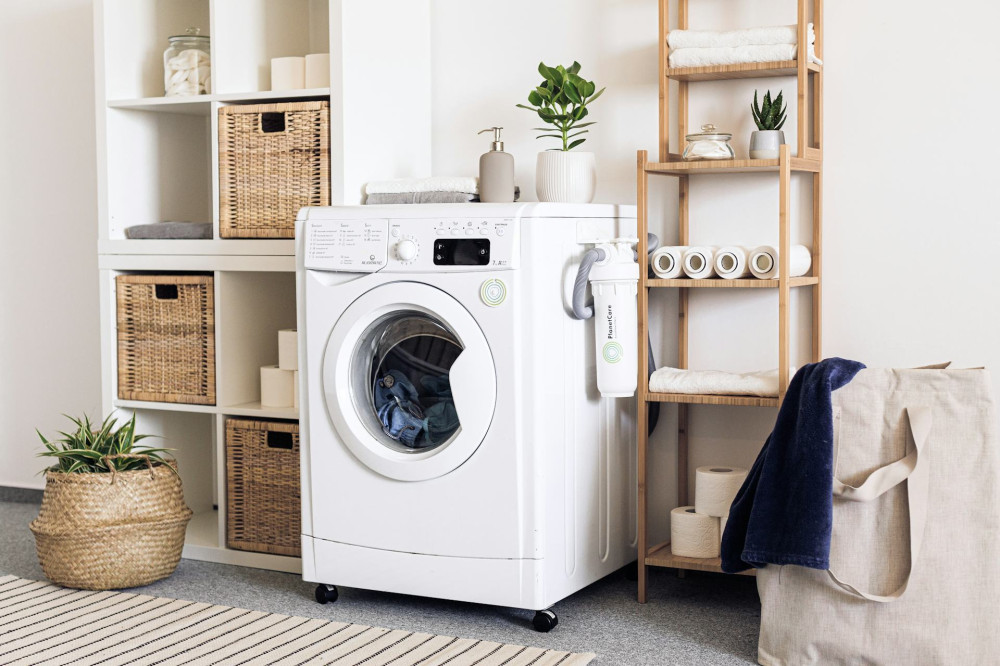
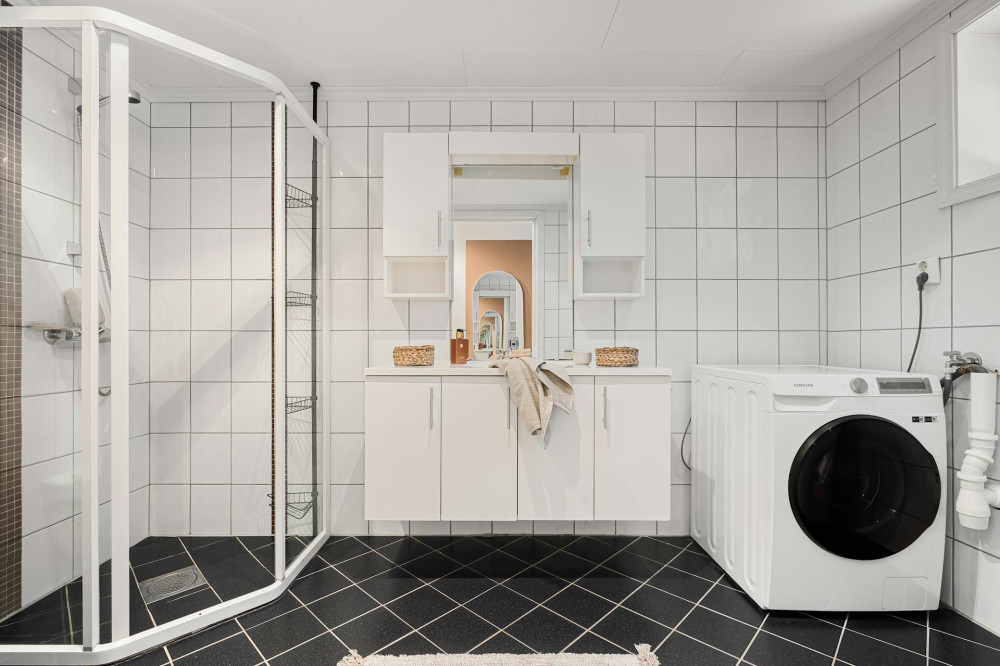
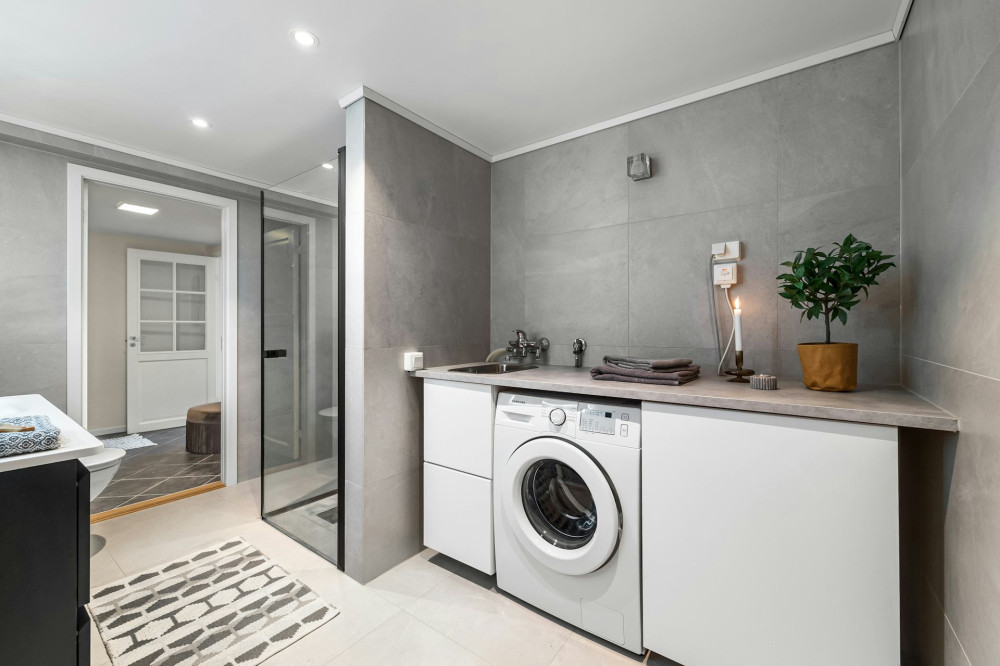
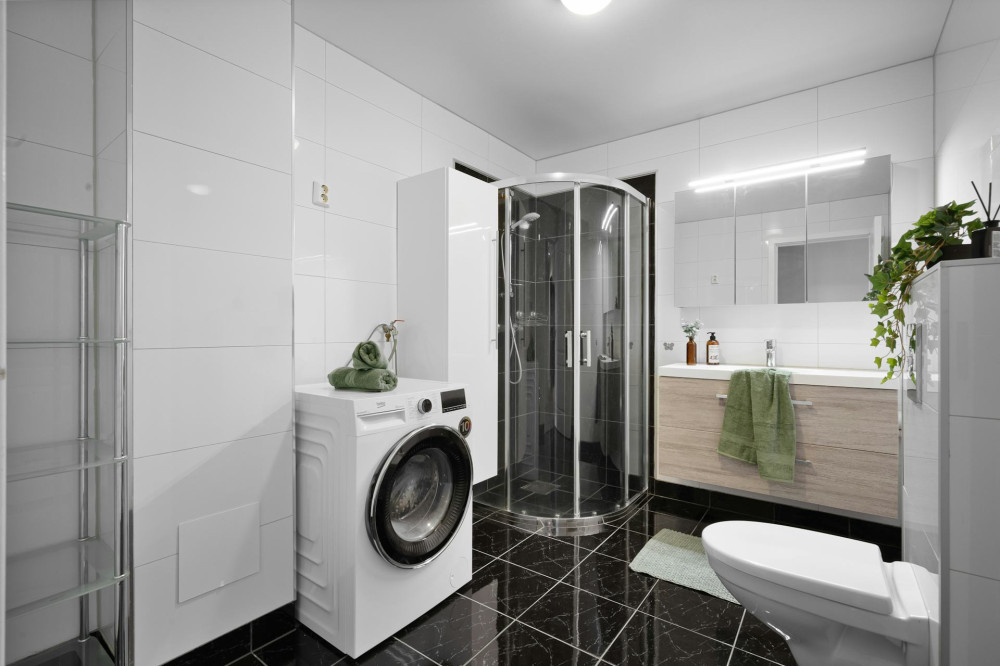
In recent years, the development of so-called “smart appliances” has accelerated. These devices can communicate with each other, adapt to user habits, and even suggest more energy-efficient ways to operate. A refrigerator, for example, can track how often the door is opened and adjust its cooling cycles accordingly. A washing machine can select the most efficient program based on load size and water temperature.
But the most exciting potential lies in what happens when data from thousands of households is collected and analyzed. Patterns and trends can reveal where the biggest opportunities for energy savings exist—both in individual homes and across the country.
Data as the Key to Smarter Energy Use
When energy companies and manufacturers gain access to anonymized appliance data, they can identify inefficient habits and technologies. Data might show, for instance, that many people wash clothes in hotter water than necessary or that dishwashers often run half-empty. With that knowledge, companies can design new features that automatically optimize energy use.
Consumers can also benefit directly from insights into their own data. Many appliance makers now offer apps that show how much energy each device uses and how to reduce consumption. Small changes—like running the dishwasher at night when electricity demand is lower, or using eco modes more often—can add up to noticeable savings over time.
Læs også:
From Data to Action – What You Can Do
Even as technology becomes more advanced, you as a consumer still hold the key to the biggest savings. Here are a few simple ways to use appliance data to your advantage:
- Check your energy use regularly. Many smart appliances display energy consumption in their apps—use that information to spot where you can improve.
- Take advantage of scheduling features. Run your washer or dishwasher during off-peak hours when electricity is cheaper or cleaner.
- Keep software up to date. Updates can improve efficiency and unlock new data-driven features.
- Compare appliances. If you’re replacing an old machine, use available data to choose the most energy-efficient model.
A Step Toward a Greener Home
Data from home appliances isn’t just about technology—it’s about understanding our daily routines better. When we gain insight into how and when we use energy, it becomes easier to change habits and make more sustainable choices. At the same time, manufacturers and utilities can use aggregated data to develop solutions that make the entire energy system more efficient.
In the end, the small bits of data coming from our refrigerators and washing machines could help drive big changes—for the environment, for our wallets, and for a more energy-conscious future.
Læs også: