Ventilation Around Appliances – How to Prevent Overheating

Ventilation Around Appliances – How to Prevent Overheating
When setting up your kitchen or laundry area, it’s easy to focus on layout, design, and convenience. But one factor that often gets overlooked is ventilation around your appliances. Whether it’s your refrigerator, dishwasher, oven, or dryer, every appliance needs space to breathe. Without proper airflow, heat builds up, efficiency drops, and the risk of damage—or even fire—increases. Here’s how to make sure your appliances stay cool, safe, and energy-efficient.
Why Ventilation Matters
All electrical appliances generate heat as they operate. If that heat can’t escape, the appliance has to work harder to maintain its performance—cooling food, drying clothes, or heating meals. Over time, this extra strain can shorten the appliance’s lifespan, increase your energy bills, and create potential safety hazards.
Good ventilation helps to:
- Extend the life of your appliances by preventing overheating.
- Reduce energy use, since machines don’t have to work as hard.
- Prevent moisture buildup, which can lead to mold or damage to cabinets and walls.
- Improve safety, as trapped heat and dust can become a fire risk.
Refrigerators and Freezers – Keep the Compressor Cool
Refrigerators and freezers rely on compressors that release heat as they run. If that heat can’t dissipate, cooling efficiency drops. To keep things running smoothly:
- Behind the unit: Leave at least 2 inches of space between the back of the appliance and the wall.
- Above the unit: Allow 2–4 inches of clearance at the top for air circulation.
- Built-in models: Make sure there are ventilation grilles or openings at the base and back so air can flow upward and out.
Clean the condenser coils and vents regularly to remove dust—this simple step can improve performance and reduce energy use.
Dishwashers – Managing Heat and Moisture
Dishwashers release both heat and steam during operation. If they’re installed in tight cabinetry without airflow, moisture can accumulate and damage surrounding materials.
- Ensure there’s an opening in the toe kick or back panel for air movement.
- After a cycle, leave the door slightly open for 20–30 minutes to let steam escape.
- Check seals and caulking around the unit to make sure moisture isn’t trapped.
If your kitchen tends to get humid, consider using a small vent fan to help remove excess moisture.
Dryers and Washing Machines – Focus on Exhaust and Airflow
Dryers generate more heat than almost any other household appliance, so proper ventilation is essential.
- Vented dryers: Make sure the exhaust duct is not kinked or crushed, and that the outdoor vent flap opens freely. Clean the lint filter after every load and the vent duct at least once a year.
- Condenser or heat pump dryers: Even though they don’t vent outdoors, they still need space for air circulation. Leave at least 4 inches of clearance on all sides.
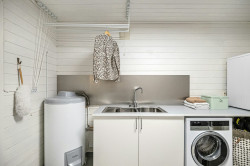
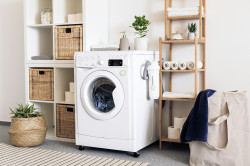
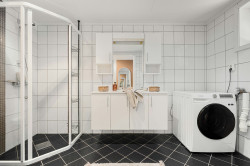
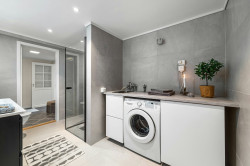
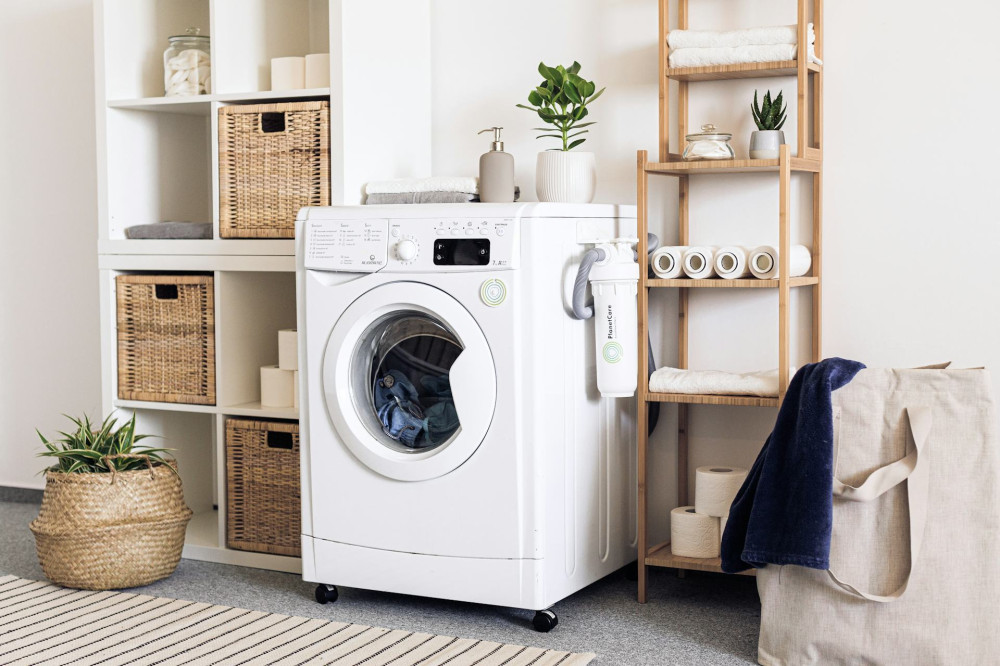
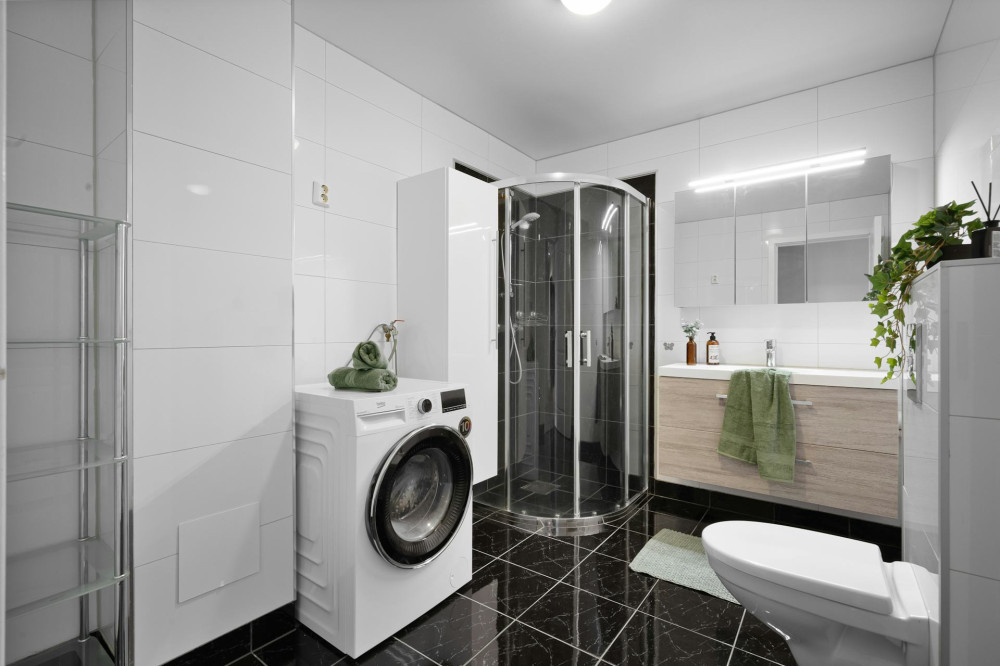
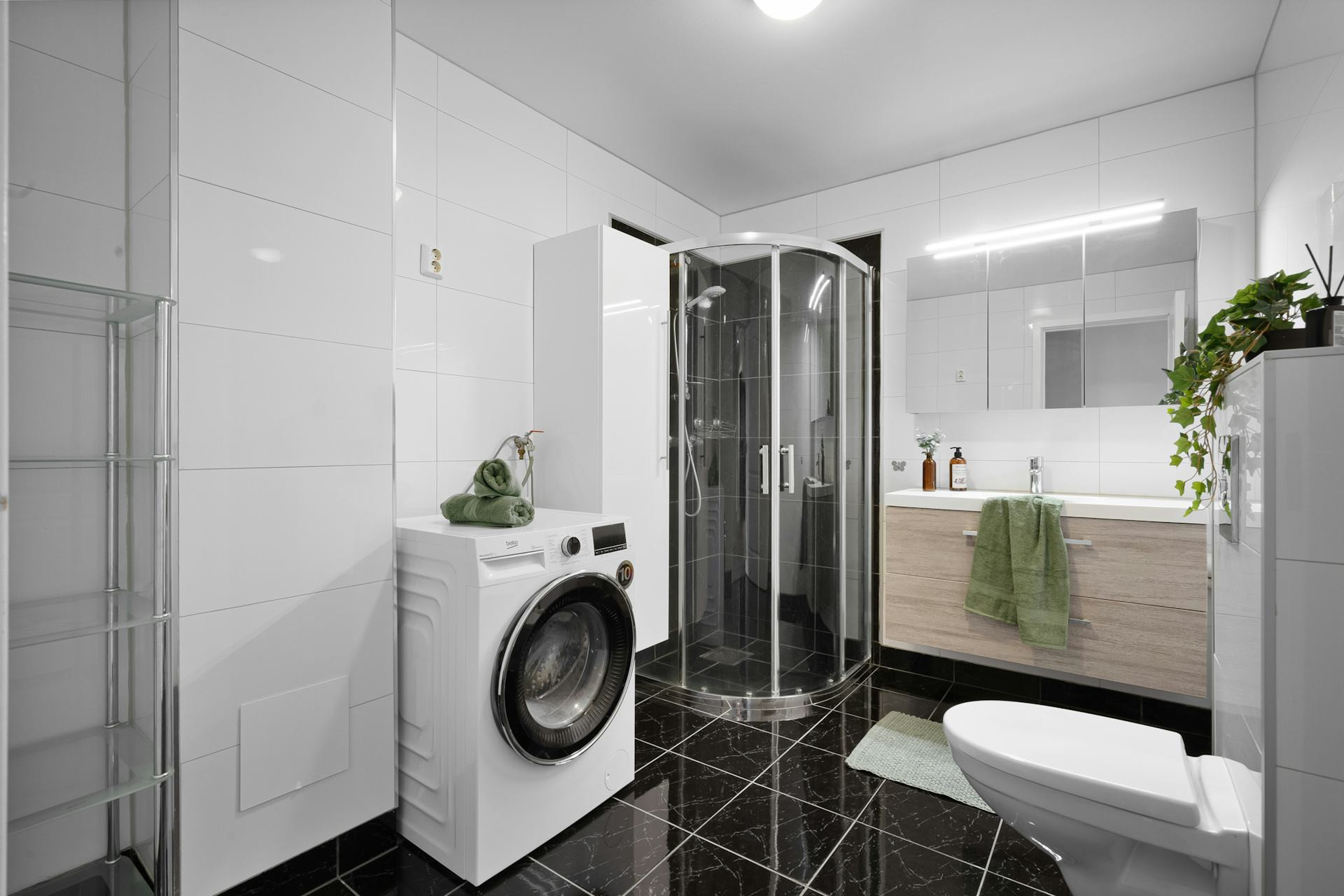
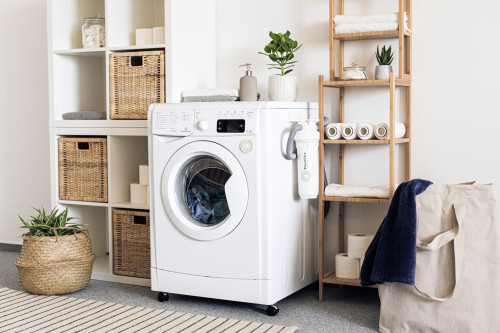
- Washing machines: While they don’t produce much heat, they do create moisture. Keep the laundry area ventilated and leave the washer door open after use to prevent mildew.
Installing a humidity-sensing exhaust fan in your laundry room can automatically remove excess moisture and heat.
Ovens and Cooktops – Hidden Heat Needs Space
Modern built-in ovens and cooktops are designed to fit seamlessly into cabinetry, but they still need airflow to stay safe and efficient. Manufacturers specify exact ventilation requirements—always follow them closely.
- Provide vent openings behind and beneath the oven.
- Don’t block air intakes with drawers or solid panels.
- For induction cooktops, ensure there’s airflow beneath the countertop to prevent the electronics from overheating.
Ignoring these guidelines can affect performance and may even void your warranty.
General Tips for a Healthy Indoor Environment
Ventilation isn’t just about protecting your appliances—it also helps maintain a comfortable and safe home environment. Keep these habits in mind:
- Open windows or run exhaust fans daily, especially in kitchens and laundry rooms.
- Avoid placing appliances too close together.
- Clean vents, filters, and grilles regularly.
- Pay attention to unusual heat, smells, or noises—these can signal poor ventilation or mechanical issues.
Læs også:
A Small Effort with Big Benefits
Ensuring proper ventilation around your appliances doesn’t require major renovations, but it can make a big difference. With just a few inches of space and some regular maintenance, you’ll help your appliances run efficiently, last longer, and keep your home safer and more comfortable.
Læs også: