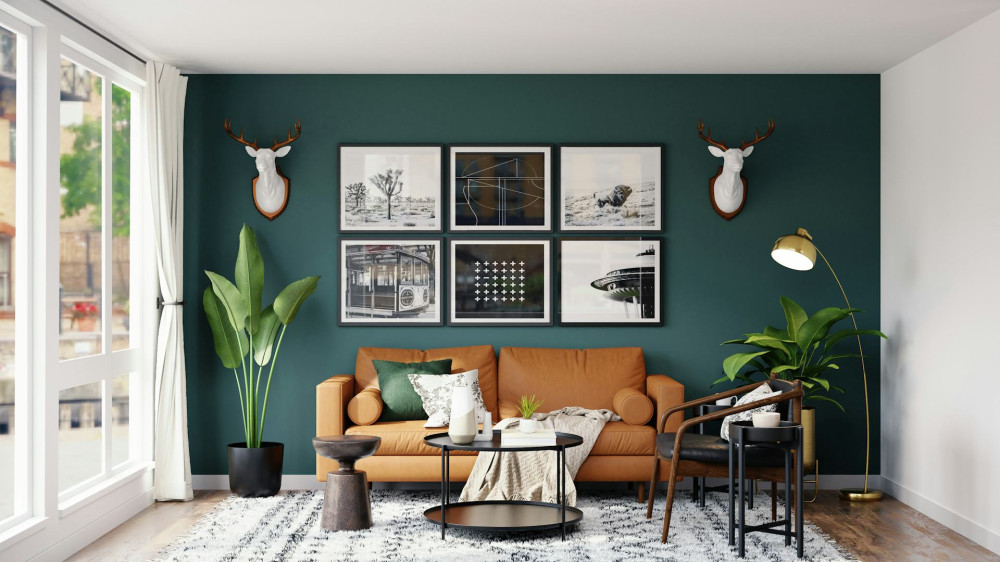
Electronics in the Bedroom – How Does It Affect Your Sleep?

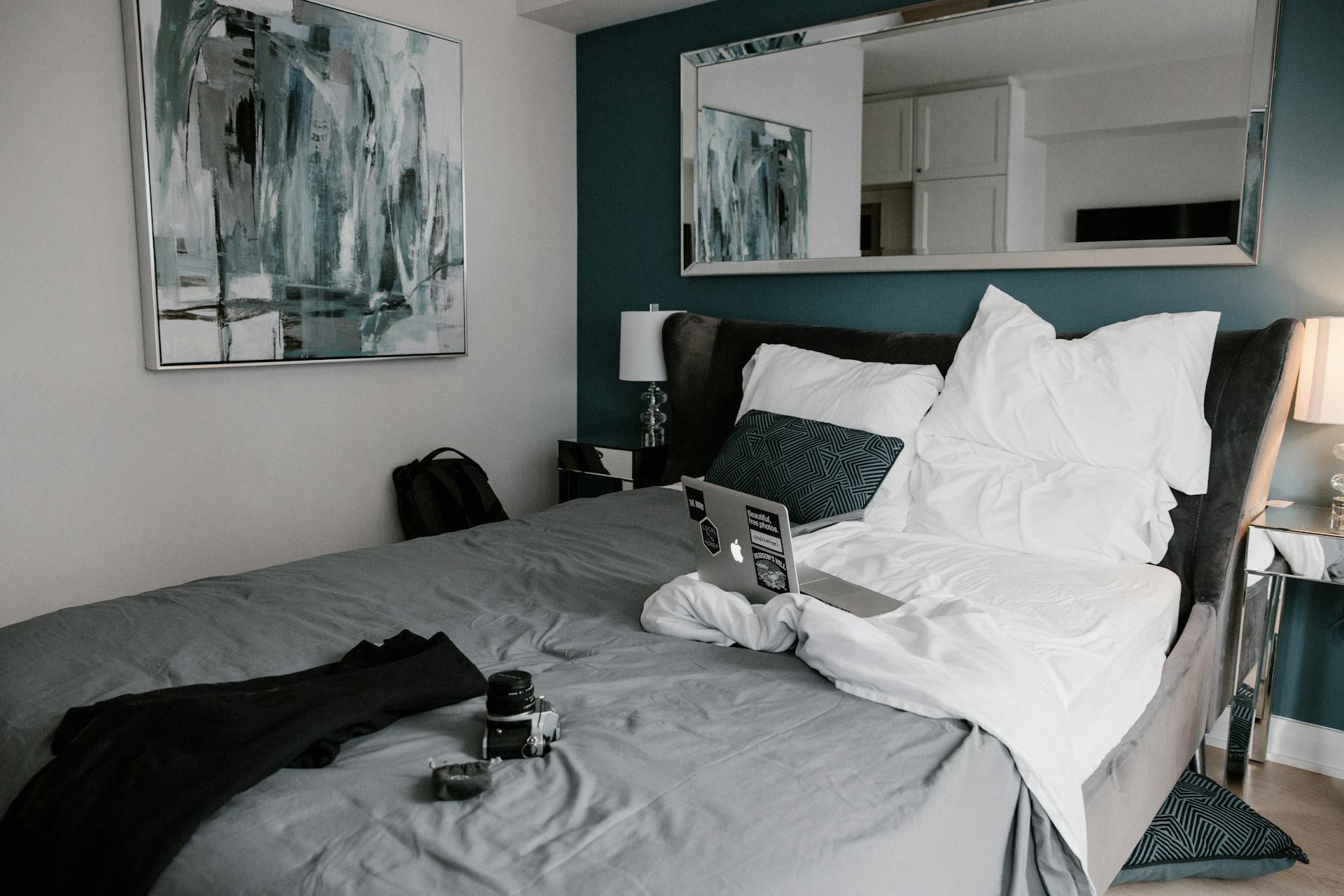
Electronics in the Bedroom – How Does It Affect Your Sleep?
Smartphones, tablets, TVs, and smartwatches have become constant companions in our daily lives – even when we go to bed. Many Americans use their phones as alarm clocks, scroll through social media before turning off the lights, or fall asleep to a favorite show. But what does all this technology mean for your sleep? Research suggests that bringing electronics into the bedroom can have a bigger impact than you might think.
Blue Light and Your Body’s Sleep Rhythm
One of the most well-documented ways electronics affect sleep is through the blue light emitted by screens. This light suppresses the production of melatonin, the hormone that helps your body wind down and prepare for rest. When you’re staring at your phone or laptop right before bed, your brain gets the message that it’s still daytime.
Even small amounts of light can disrupt your circadian rhythm, especially if you already struggle to fall asleep. The result? You may lie awake longer, experience more restless sleep, and wake up feeling less refreshed.
A simple fix is to avoid screens at least 30 minutes before bedtime—or use a “night mode” that reduces blue light. Better yet, leave your phone outside the bedroom altogether.
Mental Noise and Constant Connectivity
Electronics don’t just affect your body—they also keep your mind busy. Checking messages, emails, or social media before bed keeps your brain active and alert. The constant flow of information and notifications makes it harder to unwind and transition into sleep.
Many people find their thoughts racing after scrolling through news or social feeds, or they feel tempted to check “just one more thing.” This mental noise can delay sleep and reduce its quality.
Try setting a digital boundary: silence notifications in the evening and put your phone away at a set time. This helps signal to your brain that the day is winding down.
TVs in the Bedroom – Comfort or Distraction?
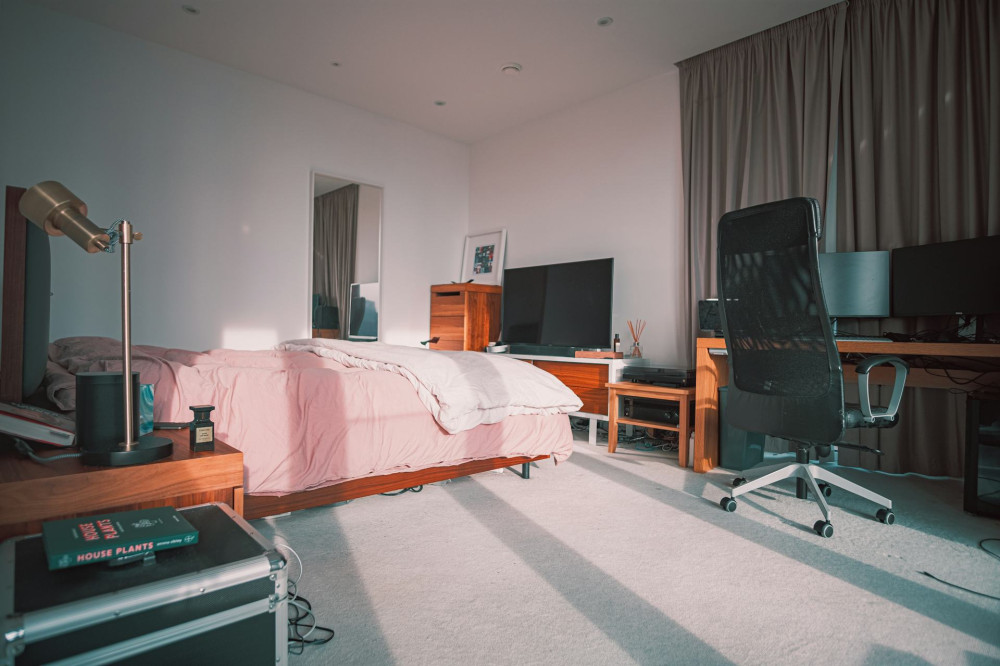
For many households, having a TV in the bedroom feels cozy and relaxing. It might seem harmless to fall asleep to a movie or late-night show, but studies show that it often leads to poorer sleep quality. The light, sound, and rapid scene changes keep your brain stimulated, even when you think you’re relaxing.
The content itself can also affect your emotions. Watching intense dramas, thrillers, or even the nightly news can raise your heart rate and make it harder to drift off afterward. If you enjoy watching TV before bed, try turning it off at least 20 minutes before you plan to sleep.
Smart Devices – Help or Hindrance?
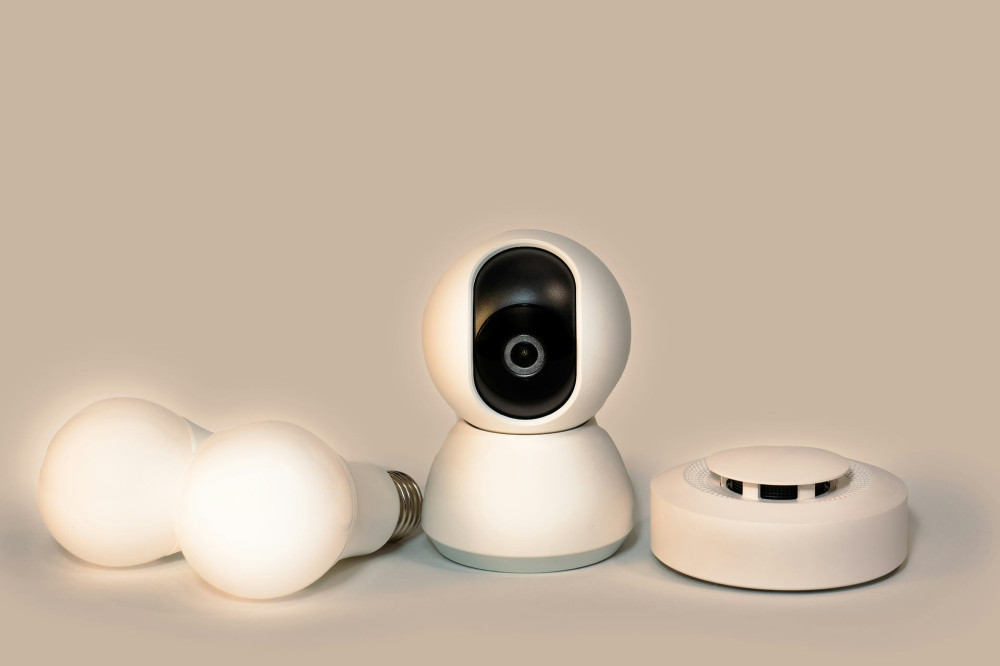
In recent years, the market has exploded with “sleep-friendly” gadgets: smartwatches, sleep trackers, and apps that monitor your rest. These tools can provide useful insights, but they can also create pressure to “perform” a good night’s sleep.
If you use technology to improve your sleep, treat it as a guide, not a judge. The data can be interesting, but it shouldn’t dictate how you feel about your rest. Listen to your body first, and use the numbers as a supplement.
Creating a Bedroom Free of Distractions
A calm, tech-free bedroom can make a big difference in how well you sleep. Here are a few simple tips to create a more restful environment:
- Leave your phone outside the bedroom – use a traditional alarm clock instead.
- Turn off Wi-Fi and notifications – reduce the temptation to check your screen.
- Establish a bedtime routine – read a book, stretch, or listen to calming music.
- Keep the room dark and cool – your body sleeps best in these conditions.
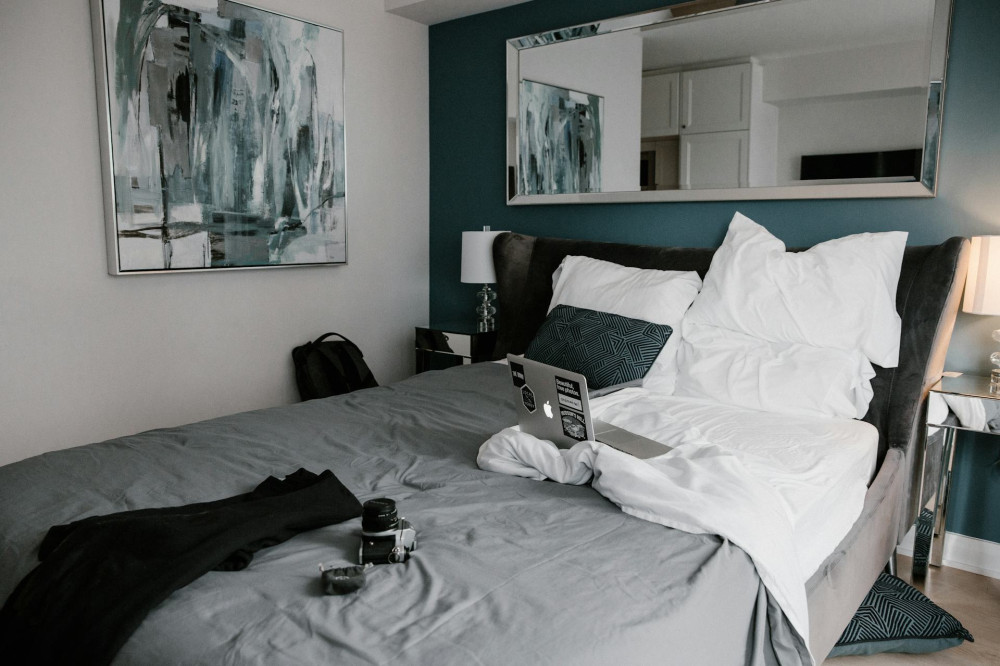
- Use your bed only for sleep and relaxation – not for work or streaming.
When you remove electronics from your sleeping space, you help your brain associate the room with rest, not stimulation.
Læs også:

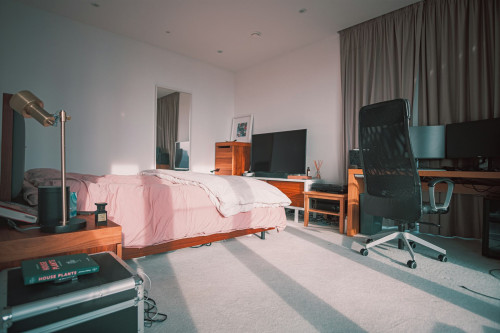


An Investment in Better Sleep
Changing your habits around electronics might seem like a small step, but the impact on your sleep can be significant. You’ll fall asleep faster, sleep more deeply, and wake up feeling more energized. It’s not about giving up technology entirely—it’s about using it mindfully and allowing yourself to truly disconnect at the end of the day.
A good night’s sleep often starts with one simple choice: leaving the screen outside the bedroom door.
Læs også: