Fresh Air and Good Ventilation Create a Healthy Sleep Environment

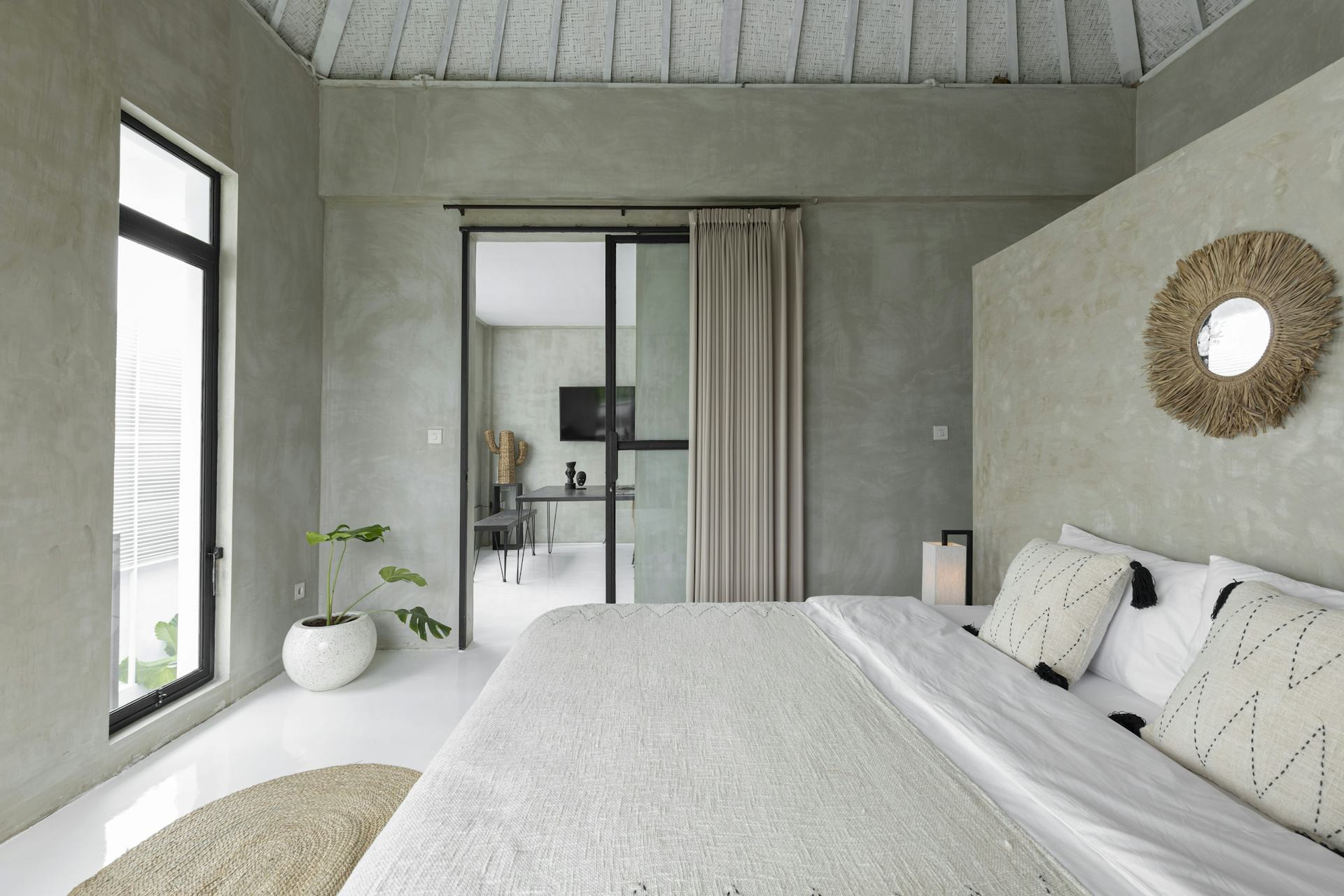
Fresh Air and Good Ventilation Create a Healthy Sleep Environment
A good night’s sleep isn’t just about a comfortable mattress or blackout curtains. The air you breathe while you sleep plays a major role in how well you rest—and how refreshed you feel in the morning. Fresh air and proper ventilation are key to maintaining a healthy indoor environment that supports your body’s natural recovery. Here’s why air quality matters and how you can create a sleep space that helps you wake up feeling your best.
Why Fresh Air Matters
While you sleep, your body exhales moisture and carbon dioxide. In a closed room, these can quickly build up, making the air stuffy and humid. Poor ventilation can lead to headaches, fatigue, and irritation of the airways.
A bedroom with fresh air, on the other hand, provides better oxygen levels, a cooler temperature, and balanced humidity—all of which promote deeper, more restorative sleep. Many people notice they wake up more alert and energized when they sleep in a well-ventilated room.
Læs også:

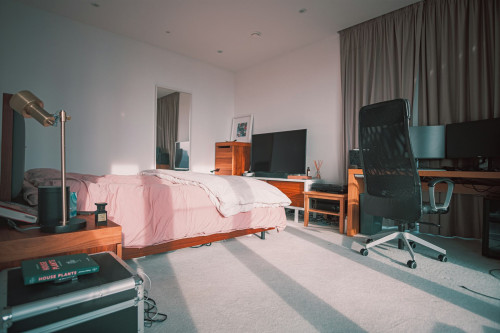


How to Improve Ventilation
There are several ways to keep the air in your bedroom fresh—some simple, others more technical.
- Air out your room daily – Open your windows wide for 5–10 minutes in the morning and evening. A quick, full exchange of air is more effective than leaving a window cracked all day.
- Keep vents and air returns clear – Don’t block HVAC vents or air returns with furniture or curtains. They’re designed to keep air circulating evenly.
- Use mechanical ventilation if needed – In newer, tightly sealed homes, a whole-house ventilation system or an energy recovery ventilator (ERV) can bring in fresh air without wasting heat or cooling.
- Control humidity – Avoid drying clothes indoors and keep humidity between 40% and 60%. A small dehumidifier or humidifier can help maintain balance depending on your climate.
Even small changes in your daily routine can make a noticeable difference in air quality—and in how well you sleep.
The Right Temperature for Restful Sleep
Temperature plays a big role in sleep quality. Most people sleep best in a slightly cool room—typically between 60°F and 67°F. If it’s too warm, your body has to work harder to cool down; if it’s too cold, you may wake up uncomfortable.
A cool, well-ventilated room helps your body regulate its natural sleep rhythm, making it easier to fall asleep and stay in the deep sleep stages that restore energy and health.
Plants and Materials That Support Air Quality
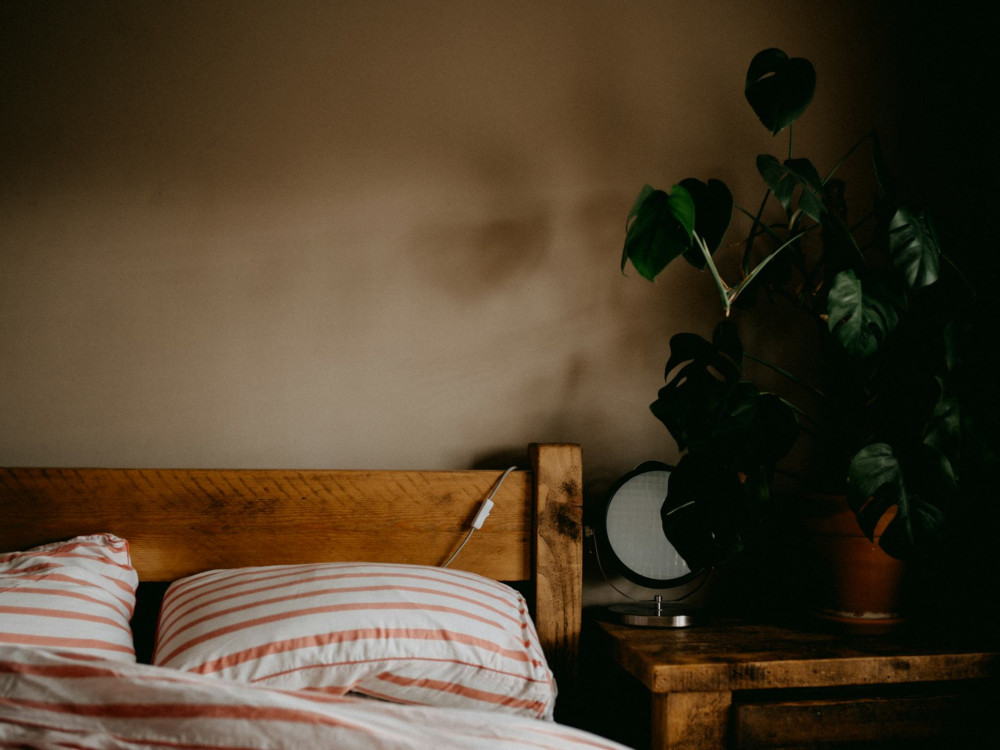
Certain houseplants can help improve indoor air by absorbing carbon dioxide and releasing oxygen. Plants like peace lilies, snake plants, and ferns are popular bedroom choices because they’re easy to care for and can slightly enhance air freshness.
You can also choose natural materials for bedding and furniture—such as cotton, wool, and solid wood—that don’t release chemical fumes. These materials help create a cleaner, more comfortable environment for rest.
Signs of Poor Air Quality in the Bedroom
If you often wake up with a headache, dry throat, or feel groggy despite enough sleep, your bedroom air might be the culprit. Condensation on windows or a musty smell in the morning are also signs of excess humidity and poor ventilation.
Consider using a hygrometer to monitor humidity levels and adjust your habits—like airing out more often or moving your bed away from cold exterior walls.
A Healthy Sleep Environment Starts with the Air
A truly restful bedroom is about more than comfort—it’s about health. Fresh air and good ventilation give your body the oxygen and calm it needs for quality sleep. With a few simple adjustments, you can create a space that not only feels inviting but also helps you wake up refreshed, clear-headed, and ready for the day.
Læs også: