Green Roofs as Inspiration for Sustainable Housing Construction

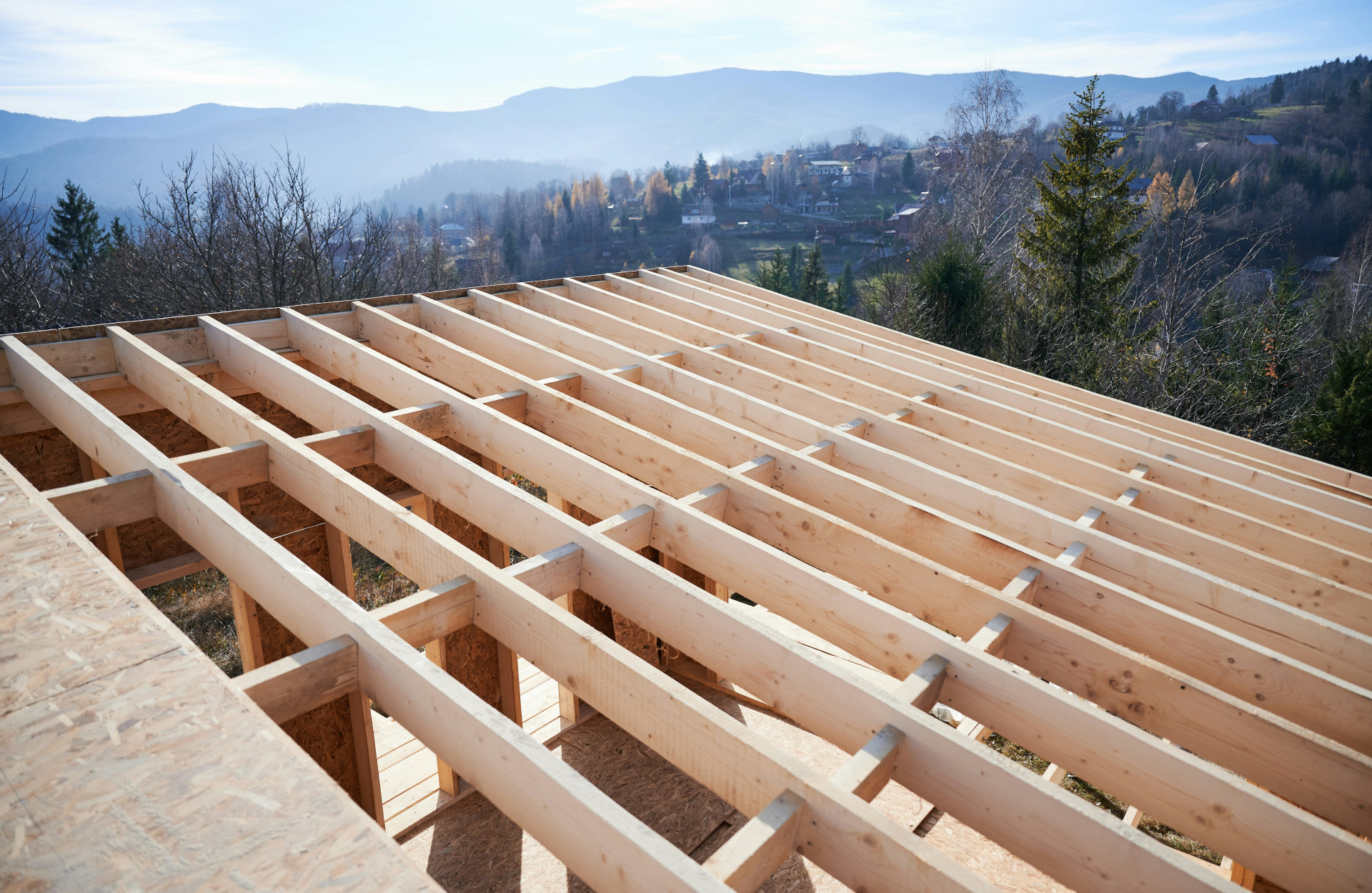
Green Roofs as Inspiration for Sustainable Housing Construction
Green roofs are no longer just an architectural trend in major cities—they have become a symbol of a new way of thinking about housing and sustainability. As climate concerns grow and urban areas expand, more homeowners, developers, and city planners across the United States are turning to green roofs as a practical and inspiring solution. But what exactly is a green roof, and how can it help shape the future of sustainable housing?
What Is a Green Roof?
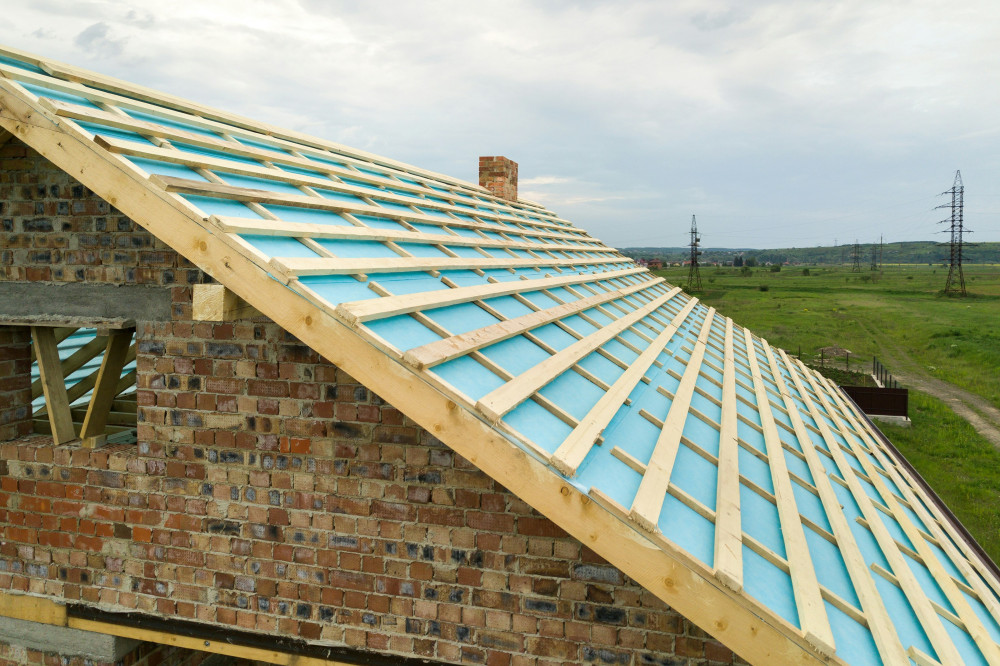
A green roof is a roof surface covered with vegetation—typically sedum, grasses, herbs, or even small shrubs. Beneath the plants lies a carefully layered system of soil or growing medium, drainage, and waterproof membranes that protect the building and support plant growth.
There are two main types of green roofs:
- Extensive green roofs, which are lightweight, require minimal maintenance, and are ideal for flat or gently sloped roofs.
- Intensive green roofs, which can support deeper soil and larger plants, often functioning as rooftop gardens or outdoor living spaces.
Both types contribute to environmental improvement, though in different ways.
Environmental Benefits
Green roofs offer a range of proven environmental advantages that make them a natural fit for sustainable housing construction.
- Stormwater management: Vegetation and soil absorb and slow down rainwater, reducing runoff and easing pressure on urban drainage systems. This is especially valuable in U.S. cities facing frequent flooding and aging infrastructure.
- Energy efficiency: A green roof acts as an extra layer of insulation, keeping buildings warmer in winter and cooler in summer. This can lower heating and cooling costs and reduce overall energy consumption.
- Improved air quality: Plants capture carbon dioxide and filter airborne pollutants, contributing to cleaner, healthier city air.
- Biodiversity: Green roofs create habitats for pollinators, birds, and insects—an important contribution in dense urban environments where natural green spaces are limited.
Læs også:
Aesthetic and Well-Being Benefits
Beyond their technical advantages, green roofs also enhance the visual and emotional quality of urban living. They transform dull, gray rooftops into vibrant landscapes that change with the seasons. For residents in apartment buildings, the view of greenery can bring a sense of calm and connection to nature, even in the heart of the city.
Research in environmental psychology has shown that access to green spaces can reduce stress and improve mental health. As a result, architects and developers are increasingly incorporating green roofs into residential and mixed-use projects as part of a holistic approach to well-being.
Green Roofs in the United States
Interest in green roofs has grown steadily across the U.S. over the past two decades. Cities like Chicago, Portland, and New York have been pioneers, offering incentives and grants to encourage green roof installations. Chicago’s City Hall, for example, has had a green roof since 2001, serving as a model for urban sustainability.
In residential construction, green roofs are gaining popularity among homeowners seeking to reduce their environmental footprint. They are being added to garages, garden sheds, and single-family homes as both a design feature and a sustainability measure. Advances in lightweight materials and modular systems have made it easier and more affordable to install green roofs, even on smaller structures.
Challenges and Considerations
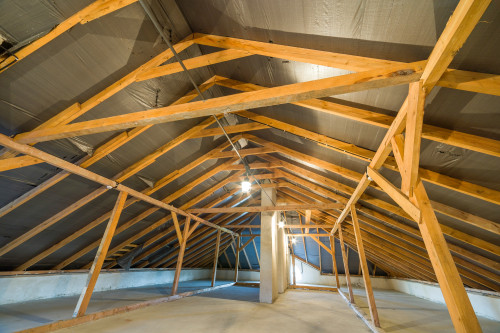
While green roofs offer many benefits, they also require careful planning. The roof structure must be able to support the additional weight of soil and vegetation, and proper waterproofing and drainage are essential. Plant selection should match the local climate and the roof’s exposure to sun and wind.
Maintenance is generally minimal but necessary—occasional weeding, inspection of drains, and seasonal care help ensure long-term performance. When properly designed and maintained, a green roof can last for decades while protecting the underlying roof membrane from UV radiation and temperature fluctuations.
A Step Toward the Future of Sustainable Housing
Green roofs represent more than an architectural feature—they are a tangible example of how buildings can actively contribute to environmental solutions. They combine functionality, beauty, and sustainability in a way that inspires innovation in housing design and urban development.
As the U.S. continues to face challenges related to climate change, urban heat, and resource use, green roofs offer a practical and inspiring path forward. Building the homes of the future isn’t just about reducing energy consumption—it’s about creating structures that give back to their surroundings. Green roofs show that this vision is possible—one roof at a time.
Læs også: