The Evolution of the Asbestos Cement Roof: How It Has Shaped Home Value and Appearance Over Time

The Evolution of the Asbestos Cement Roof: How It Has Shaped Home Value and Appearance Over Time
For much of the twentieth century, asbestos cement roofing was a familiar sight across American neighborhoods and industrial landscapes. From the corrugated panels on barns and factories to the sleek shingles on mid-century homes, this material once symbolized progress, durability, and modern design. Its story, however, is one of both innovation and caution—a reflection of how building materials evolve alongside our understanding of health, safety, and aesthetics.
From Industrial Innovation to Widespread Use
Asbestos cement was first developed in Europe in the late 1800s and quickly gained traction in the United States in the early 1900s. By combining Portland cement with asbestos fibers, manufacturers created a material that was lightweight, fire-resistant, and remarkably strong. These qualities made it ideal for roofing, siding, and even water pipes—especially in an era when fire safety and affordability were top priorities.
By the 1920s and 1930s, asbestos cement roofing had become a staple of American construction. Corrugated sheets covered barns and warehouses, while shingle-style panels appeared on homes from New England to California. The material’s low cost and minimal maintenance needs appealed to homeowners and builders alike, particularly during the postwar housing boom of the 1950s and 1960s. For many, an asbestos cement roof represented a practical, modern choice that could withstand decades of weather with little upkeep.
The Health Crisis and a Turning Point
The very fibers that gave asbestos cement its strength would later become its downfall. By the 1970s, medical research had firmly linked asbestos exposure to serious health conditions, including asbestosis, lung cancer, and mesothelioma. As public awareness grew, federal regulations began to restrict and eventually ban the use of asbestos in most building materials. The Environmental Protection Agency (EPA) and the Occupational Safety and Health Administration (OSHA) introduced strict guidelines for handling and removing asbestos-containing products.
This shift marked the end of an era. Homeowners with asbestos cement roofs faced difficult decisions: whether to remove the material entirely or encapsulate it to prevent fiber release. The stigma surrounding asbestos also affected property values, as potential buyers grew wary of the health risks and the costs of remediation.
Reinvention Through Safer Alternatives
The decline of asbestos cement did not mean the end of fiber-reinforced roofing. Manufacturers soon developed new formulations that replaced asbestos with safer materials such as cellulose, glass, or synthetic fibers. These modern fiber cement products retained the durability and weather resistance of their predecessors but eliminated the health hazards.
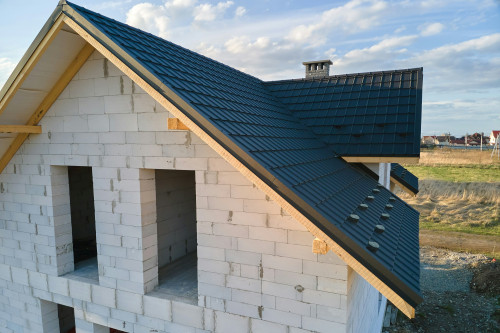
Today, fiber cement roofing and siding are once again popular in American homebuilding. They offer the same advantages—fire resistance, longevity, and low maintenance—while also providing a wide range of colors, textures, and profiles. Homeowners can choose designs that mimic wood, slate, or traditional shingles, allowing for both classic and contemporary aesthetics.
Design, Curb Appeal, and Home Value
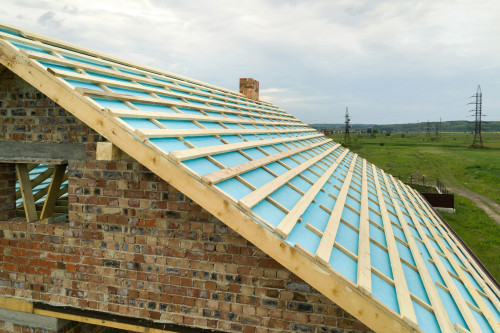
A roof is one of the most visible elements of a home’s exterior, and its condition can significantly influence curb appeal and resale value. A well-maintained roof signals quality and care, while a deteriorating one can quickly diminish a property’s overall impression. Modern fiber cement roofs, with their clean lines and fade-resistant finishes, help maintain a home’s visual appeal for decades.
In regions prone to wildfires or severe weather, fiber cement’s fire and impact resistance can also enhance a home’s safety rating and insurance profile. For many homeowners, investing in a durable, low-maintenance roof is not just a matter of aesthetics—it’s a long-term financial decision that protects both the structure and its market value.
Sustainability and the Future of Fiber Cement
As sustainability becomes a central concern in American construction, fiber cement has adapted to meet new environmental standards. Many manufacturers now use recycled materials and energy-efficient production methods. The long lifespan of fiber cement products also reduces waste and the need for frequent replacements, contributing to a lower overall environmental footprint.
Looking ahead, innovation continues to shape the future of roofing. Researchers and manufacturers are exploring ways to integrate solar technology, improve recyclability, and develop coatings that resist pollution or algae growth. These advancements suggest that the legacy of asbestos cement—its blend of practicality and performance—will live on in safer, more sustainable forms.
Læs også:
A Material That Mirrors Its Time
The story of the asbestos cement roof is, in many ways, the story of twentieth-century American building culture: a pursuit of progress tempered by lessons in health and responsibility. What began as a revolutionary material for modern living evolved into a cautionary tale—and ultimately, a platform for innovation. Today’s fiber cement roofs honor that history while pointing toward a future where durability, design, and sustainability coexist. In doing so, they remind us that even the most utilitarian materials can shape not only our homes but also our understanding of what it means to build wisely.
Læs også: