How to Calculate the Right Amount of Paint for Your Room

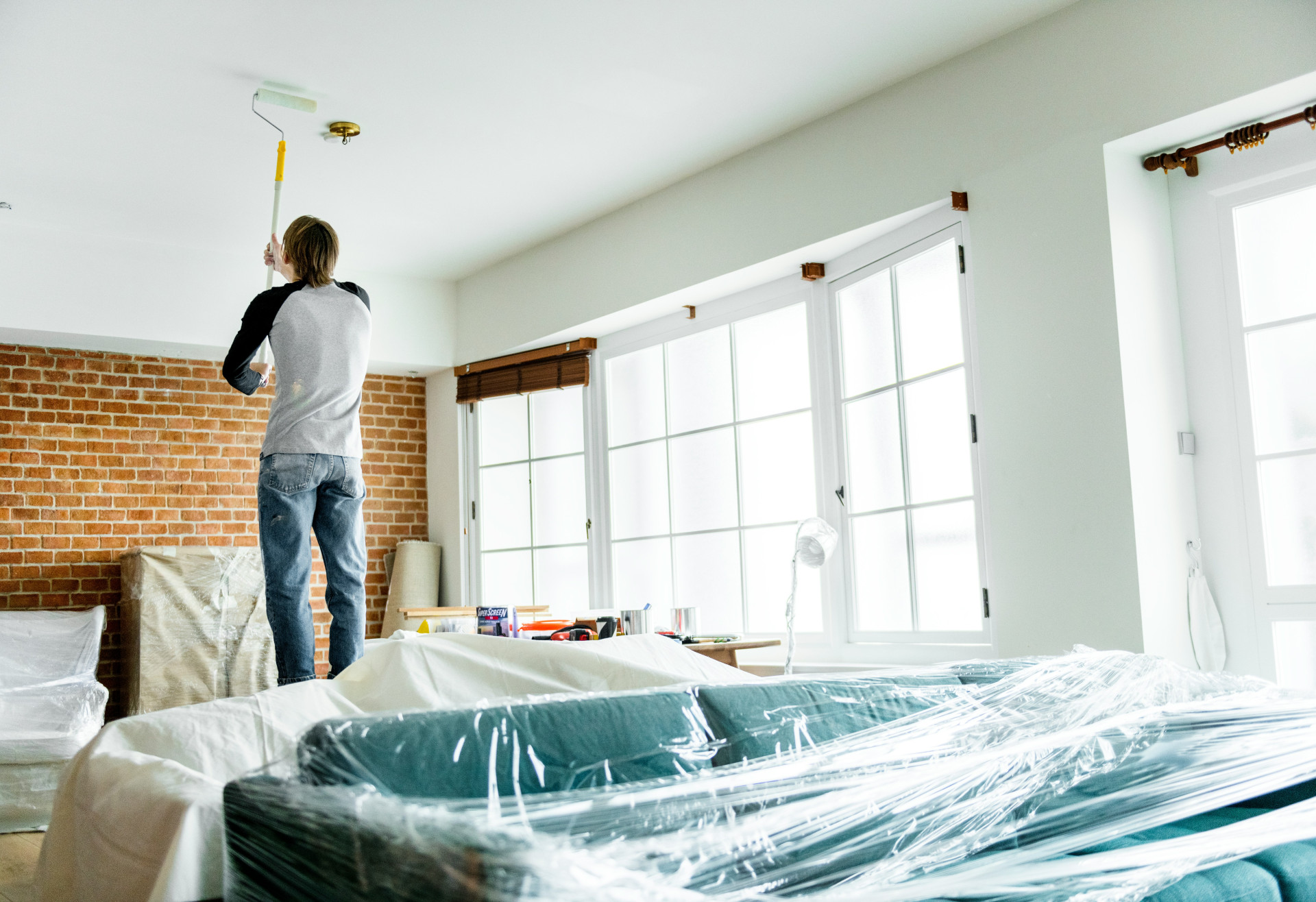
Avoid running out of paint or buying too much with a few simple calculations
Paint
Paint
5 min
Learn how to measure your walls, account for doors and windows, and factor in paint coverage to determine exactly how much paint your room needs. Save time, money, and effort while achieving a flawless finish.
Piper Foster
Piper
Foster

How to Calculate the Right Amount of Paint for Your Room

Avoid running out of paint or buying too much with a few simple calculations
Paint
Paint
5 min
Learn how to measure your walls, account for doors and windows, and factor in paint coverage to determine exactly how much paint your room needs. Save time, money, and effort while achieving a flawless finish.
Piper Foster
Piper
Foster

When you’re getting ready to paint a room, it’s tempting to grab a few gallons and hope for the best. But to avoid waste, extra trips to the hardware store, and color inconsistencies, it’s worth taking a few minutes to calculate exactly how much paint you’ll need. With a simple method, you can figure out the right amount and ensure a smooth, even finish from start to end.

Start by Measuring Your Room

The first step is to measure your walls. You’ll need the perimeter of the room and the height of the walls to calculate the total wall area to be painted.

  1. Measure the length of each wall and add them together to get the total perimeter.
  2. Measure the height from floor to ceiling.
  3. Multiply the perimeter by the height to find the total wall area in square feet.

Example: A room that’s 12 feet by 15 feet with an 8-foot ceiling has a perimeter of 54 feet. 54 ft × 8 ft = 432 square feet of wall area.

Subtract Doors and Windows

You usually won’t paint over doors and windows, so subtract their areas from your total. A standard door is about 20 square feet, and an average window is around 15 square feet.

If your room has one door and two windows, subtract 50 square feet from the total.

In the example above: 432 sq. ft. – 50 sq. ft. = 382 square feet to paint.

Know Your Paint’s Coverage

Every paint can lists its coverage rate—how many square feet it covers per gallon. Most interior paints cover between 300 and 400 square feet per gallon, depending on the surface and paint type.

If your paint covers 350 sq. ft. per gallon and you have 382 sq. ft. to paint: 382 ÷ 350 = about 1.1 gallons per coat.

Don’t Forget the Number of Coats

Most walls need two coats for a consistent, durable finish. Multiply your paint amount by two.

In the example: 1.1 gallons × 2 coats = 2.2 gallons total.

If you’re painting over a dark color or a porous surface, you may need an extra coat or a primer first. Ask your local paint store for advice if you’re unsure.

Consider Surface and Paint Type

Different surfaces absorb paint differently. Smooth drywall uses less paint than textured plaster or brick. The rougher the surface, the more paint you’ll need.

  • Smooth walls: about 350–400 sq. ft. per gallon
  • Lightly textured walls: about 250–350 sq. ft. per gallon
  • Heavily textured or rough surfaces: about 150–250 sq. ft. per gallon

Always check the manufacturer’s recommendations on the label—they can vary by brand and finish.

Add a Little Extra

It’s smart to buy about 10% more paint than your calculation suggests. This covers touch-ups, roller absorption, and small measurement errors. It’s better to have a little left over than to run out mid-project.

In the example: 2.2 gallons × 1.1 = about 2.4 gallons – round up to 2½ gallons.

Quick Recap – Step-by-Step

  1. Measure the perimeter and height of your room.
  2. Multiply to find total wall area.
  3. Subtract doors and windows.
  4. Divide by the paint’s coverage rate.
  5. Multiply by the number of coats.
  6. Add 10% for safety.

That’s your total paint requirement—no guesswork needed.

A Great Finish Starts with Good Planning

Knowing how much paint you need helps you buy the right amount in one trip, ensuring color consistency and saving time, money, and effort. With a little preparation and a simple calculation, you can paint your room efficiently—and enjoy the satisfaction of a perfectly finished space.

How to choose the right type of home for your family
Are you considering changing your home type? This e-book examines the advantages and disadvantages of different types of housing, from townhouses to apartments, so that you can more easily find the type of housing that suits your familys needs and lifestyle.
Download e-book
Elastic Paint That Resists Cracking – How It Works
Discover the flexible coating that keeps surfaces smooth and protected
Paint
Paint
Elastic Paint
Home Improvement
Surface Protection
Building Materials
Painting Techniques
7 min
Learn how elastic paint adapts to temperature changes and movement without cracking or peeling. This innovative coating technology offers lasting protection for walls, siding, and concrete—both indoors and out.
Ariana Bradley
Ariana
Bradley
How to Calculate the Right Amount of Paint for Your Room
Avoid running out of paint or buying too much with a few simple calculations
Paint
Paint
Home Improvement
Interior Painting
DIY
Decorating Tips
Room Makeover
5 min
Learn how to measure your walls, account for doors and windows, and factor in paint coverage to determine exactly how much paint your room needs. Save time, money, and effort while achieving a flawless finish.
Piper Foster
Piper
Foster
Spring Checkup for Painted Surfaces – Freshen Up Your Home with Small Touch-Ups
Give your home a quick seasonal refresh with easy paint touch-ups
Paint
Paint
Home Improvement
Interior Painting
DIY
Spring Cleaning
Home Maintenance
5 min
Welcome spring by brightening up your home’s painted surfaces. With a few simple inspections, cleanups, and small repairs, you can restore color and charm without a full repaint. Discover how a spring checkup keeps your walls, trim, and exterior looking their best all year.
Lucas Young
Lucas
Young
Calm Expression: Paint Doors and Trim the Same Color as the Walls
Create a seamless and soothing atmosphere by blending doors, trim, and walls in one unified color
Paint
Paint
Interior Design
Home Decor
Painting Tips
Color Harmony
Modern Style
4 min
Discover how painting doors and trim the same color as your walls can transform your home’s look. This simple design trick brings calm, balance, and a modern touch to any room while letting light and texture take center stage.
Jack Brooks
Jack
Brooks
Organize Your Painting Space – How to Paint Walls and Ceilings Without Interruptions
Set up your painting area for a smooth, uninterrupted workflow
Paint
Paint
Painting
Home Improvement
DIY
Interior Design
Wall Painting
7 min
Discover how to prepare and organize your painting space before you start. With smart planning and the right setup, you can paint walls and ceilings efficiently, avoid unnecessary pauses, and enjoy a more seamless painting experience.
Amelia Ortiz
Amelia
Ortiz
When Technology Meets Aesthetics: The Changing Modern Home Style
Discover how technology and design merge to redefine the modern living space
Trends
Trends
Smart Home
Interior Design
Modern Living
Home Technology
Sustainable Design
3 min
From smart lighting to sustainable materials, technology is reshaping the way we live and decorate. Explore how innovation and aesthetics come together to create homes that are both functional and beautiful.
Ariana Bradley
Ariana
Bradley
Mindful Decorating with Plants – Create Calm and Presence in Your Home
Bring harmony and mindfulness into your home with the natural beauty of plants
Trends
Trends
Mindful Living
Home Decor
Indoor Plants
Wellness
Interior Design
7 min
Discover how thoughtful plant placement and care can transform your home into a peaceful retreat. Learn how to decorate mindfully with greenery to create balance, presence, and a deeper connection to nature.
Piper Foster
Piper
Foster
Transform Your Space with Simple Renovation Ideas
Refresh your home with easy updates that make a big difference
Trends
Trends
Home Renovation
Interior Design
DIY
Home Improvement
Decorating Ideas
3 min
Discover how small, budget-friendly renovation ideas can completely transform your home. From color and lighting to surfaces and details, learn simple ways to create a space that feels new, functional, and uniquely yours.
Lucas Young
Lucas
Young
How to Create a Functional Home After the Kids Have Moved Out
Redefine your living space and make your home truly yours again
Trends
Trends
Home Design
Empty Nest
Interior Inspiration
Decluttering
Lifestyle
5 min
When the kids have moved out, your home enters a new phase—full of space, opportunity, and potential. Discover how to transform empty rooms, declutter with purpose, and design a flexible, comfortable home that reflects your lifestyle today.
Jack Brooks
Jack
Brooks