Odors from your heating system? It might be time for a maintenance checkup


Odors from your heating system? It might be time for a maintenance checkup
A strange smell coming from your furnace, vents, or baseboard heaters can quickly turn a cozy home into an uncomfortable one. Many homeowners notice odd odors when they first turn on the heat in the fall, but smells can also appear in the middle of the heating season. Sometimes the cause is harmless, but in other cases, it’s a sign that your system needs professional attention. Here’s what those odors might mean—and what you can do about them.
Why does your heating system smell?
There are several possible reasons your heating system might produce an unpleasant odor. Some of the most common include:
- Dust buildup on heating elements or vents – When the system starts up after months of inactivity, dust burns off and creates a temporary burnt smell.
- Clogged air filters – A dirty filter can trap moisture and debris, leading to musty or stale odors.
- Gas or oil leaks – A sulfur or “rotten egg” smell can indicate a gas leak, while an oily or chemical odor may point to a problem with an oil furnace.
- Electrical issues – A sharp, metallic, or burning plastic smell could mean overheating components or faulty wiring.
- Mold or mildew in ductwork – If your ducts or evaporator coil are damp, mold can grow and spread a musty odor through your home.
The source of the smell can come from the furnace itself, the duct system, or even the air vents in each room.
When the smell is a warning sign
A faint burnt odor when you first turn on the heat in the fall is normal and should disappear after a few hours. But if the smell lingers, changes, or is accompanied by unusual noises, it’s time to take action.
Certain odors should never be ignored. Gas, oil, or electrical burning smells can signal serious safety hazards. If you suspect a gas leak, turn off the system, leave your home immediately, and call your gas company or 911. For electrical or oil-related odors, shut down the system and contact a licensed HVAC technician right away.
The benefits of regular maintenance
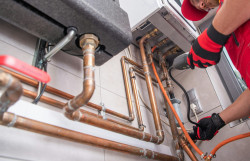
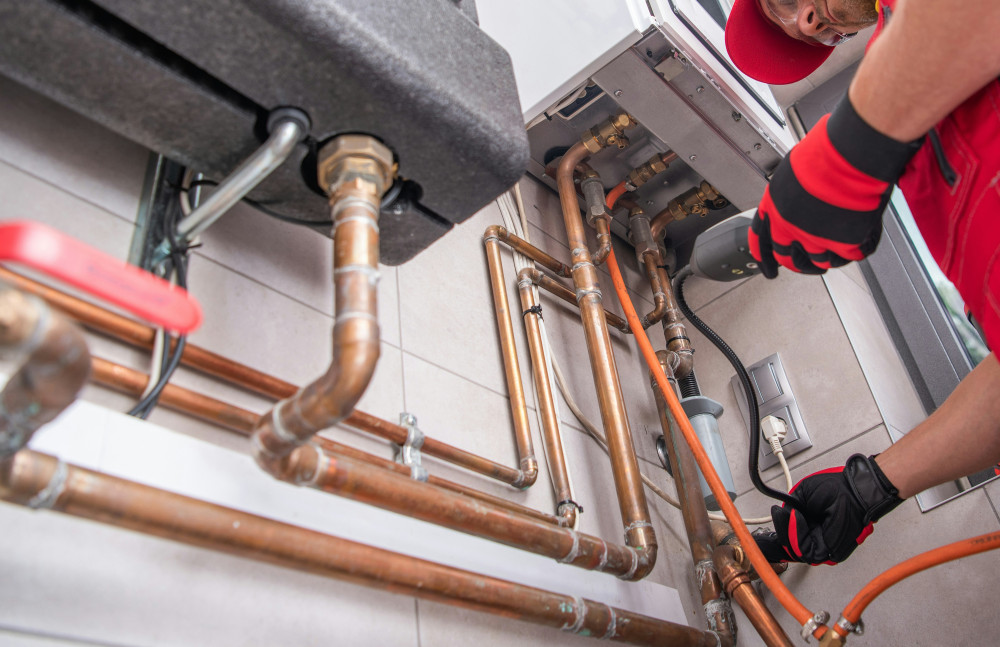
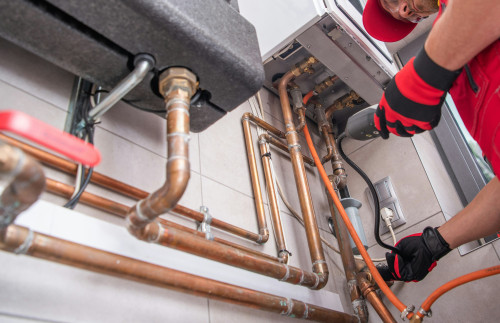
A professional maintenance checkup isn’t just about eliminating odors—it’s also about keeping your system efficient, safe, and long-lasting. During a routine inspection, an HVAC technician will typically:
- Clean and inspect burners, coils, and heat exchangers
- Check for gas or oil leaks
- Replace or clean air filters
- Test safety controls and thermostat operation
- Inspect ductwork and airflow
- Verify proper combustion and ventilation
A well-maintained heating system uses less energy, provides more consistent warmth, and reduces the risk of breakdowns during the coldest months.
How to prevent odors yourself
While professional service is essential, there are several steps you can take to keep your system in good shape:
- Replace air filters every one to three months, depending on usage and filter type.
- Vacuum vents and registers regularly to remove dust and pet hair.
- Keep the area around your furnace clear of clutter and flammable materials.
- Run your system briefly before the heating season to burn off dust buildup.
- Ensure proper ventilation by keeping air returns and exhaust vents unobstructed.
These simple habits can help maintain good indoor air quality and prevent unpleasant smells.
Læs også:


When to call a professional
If odors persist even after cleaning and filter changes, it’s time to schedule a service visit. You should also call a technician if:
- The smell is chemical, metallic, or similar to gas
- You notice soot, rust, or moisture around the furnace or ducts
- The system cycles on and off frequently or makes unusual noises
- It’s been more than a year since your last maintenance check
A certified HVAC professional can quickly identify the cause and ensure your system is operating safely and efficiently.
A healthy system means a comfortable home
Your heating system should keep you warm—not fill your home with strange smells. Regular maintenance is the best way to prevent problems, improve efficiency, and protect your family’s comfort and safety. So if you notice an odor coming from your heat, don’t ignore it—it’s your system’s way of asking for a little care.
Læs også: