Sustainable Home Design: Balancing Environmental and Economic Considerations

Sustainable Home Design: Balancing Environmental and Economic Considerations
Sustainable home design is about more than choosing eco-friendly materials—it’s about creating a living space that conserves resources, saves money, and enhances comfort for years to come. With thoughtful planning and smart choices, you can design a home that benefits both the planet and your wallet. Here’s how to balance environmental responsibility with economic practicality in your home.
Invest in Quality, Not Quantity
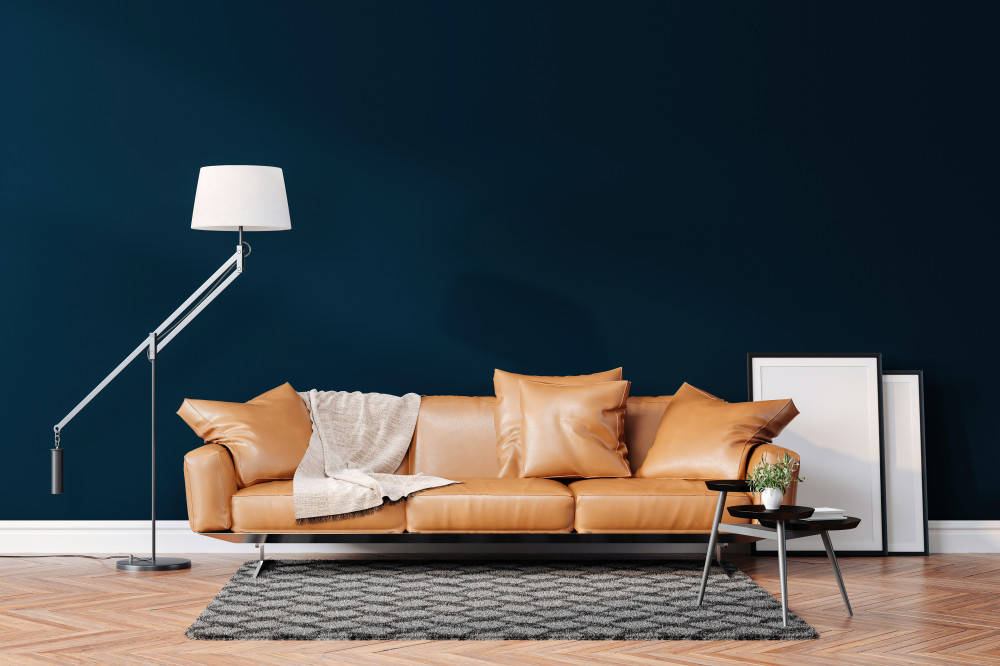
One of the most sustainable decisions you can make is to buy fewer, better-quality items. Durable furniture and fixtures last longer, can be repaired, and often retain their value. This means fewer replacements over time—saving both money and resources.
Opt for timeless designs rather than fleeting trends. Classic pieces made from wood, metal, or natural fibers can easily blend with new elements as your style evolves. This approach keeps your home adaptable and reduces waste from constant redecorating.
Læs også:

Reuse and Upcycle – Give Old Items New Life
Reusing and repurposing are cornerstones of sustainable design. High-quality secondhand furniture, lighting, and décor can often be found at thrift stores, estate sales, or online marketplaces. Buying used reduces demand for new production and helps keep perfectly good items out of landfills.
You can also try upcycling—transforming old materials into something new. Refinish a vintage dresser, reupholster a chair, or turn reclaimed wood into shelving. These projects add personality to your home while minimizing environmental impact.
Choose Natural and Durable Materials
Material selection plays a major role in sustainability. Look for natural materials like wood, wool, linen, bamboo, and cork, which are renewable and biodegradable. Avoid plastics and synthetic fabrics when possible—they wear out faster and can release microplastics into the environment.
When purchasing new furniture or building materials, check for certifications such as FSC (Forest Stewardship Council) or GREENGUARD, which ensure responsible sourcing and low emissions. Locally made products also tend to have a smaller carbon footprint than those shipped from overseas.
Save Energy Through Smart Design
Sustainable design also means using energy wisely. Small adjustments can make a big difference in your home’s efficiency:
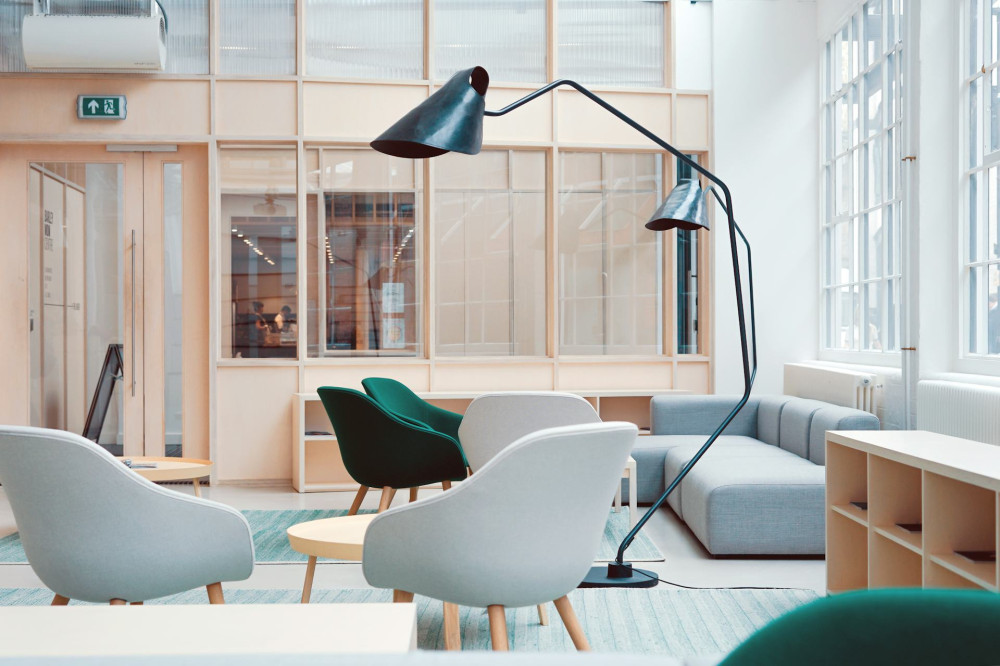
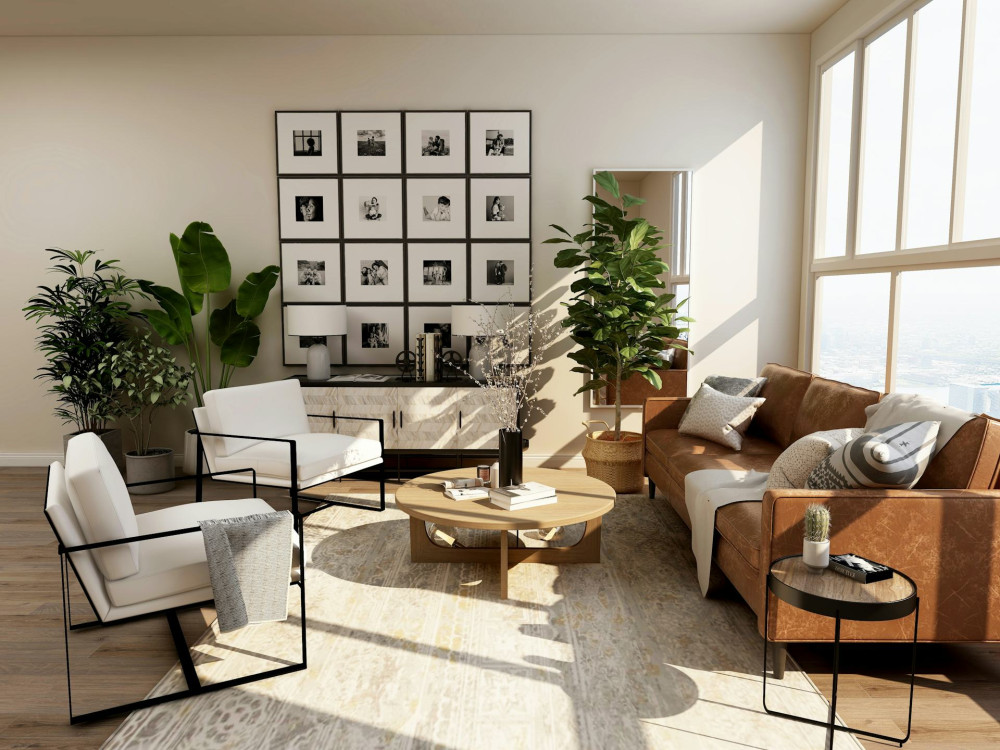
- Maximize natural light – Arrange workspaces and living areas near windows to reduce the need for artificial lighting.
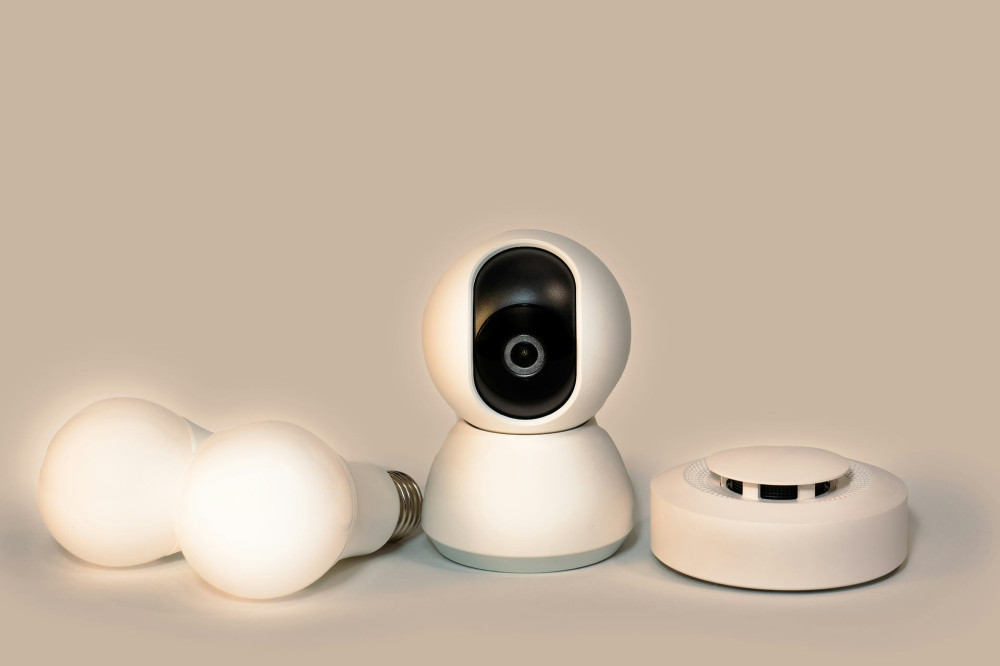
- Switch to LED bulbs – They use up to 80% less energy than incandescent bulbs and last much longer.
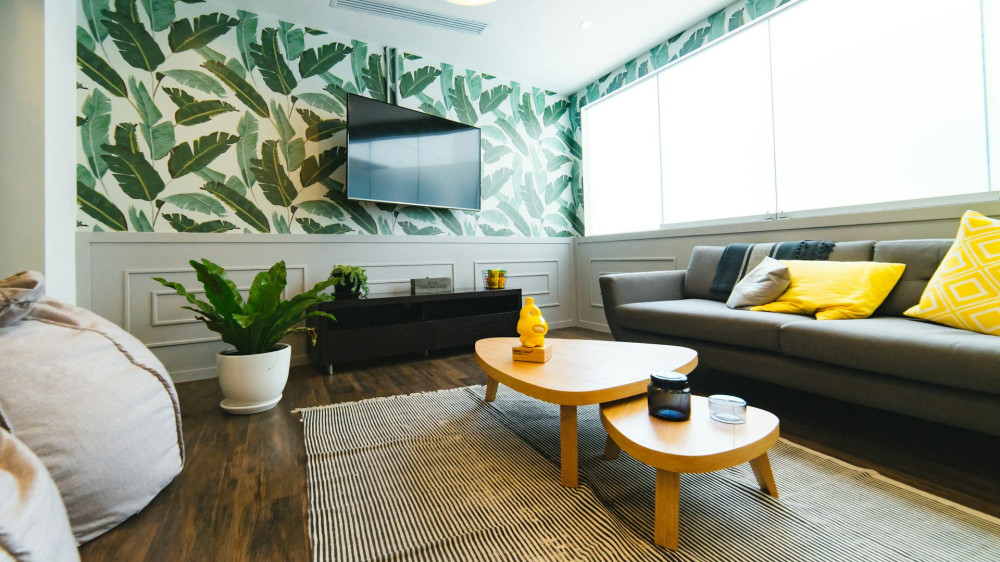
- Use textiles strategically – Heavy curtains and rugs help retain heat in winter, while light fabrics keep rooms cooler in summer.
- Add indoor plants – They improve air quality naturally and bring a calming touch to your space.
These changes not only reduce your environmental footprint but can also lower your utility bills.
Design for Function and Flexibility
A sustainable home is one that works well for your lifestyle. Think about how you use each room and whether you can make better use of the space. Multifunctional furniture—like a sofa bed, extendable dining table, or built-in storage—reduces clutter and the need for extra pieces.
Plan for flexibility, too. A nursery can later become a home office or guest room with minimal changes. Designing with adaptability in mind helps your home evolve with you, reducing the need for costly renovations down the line.
Create a Home with Character, Not Just Style
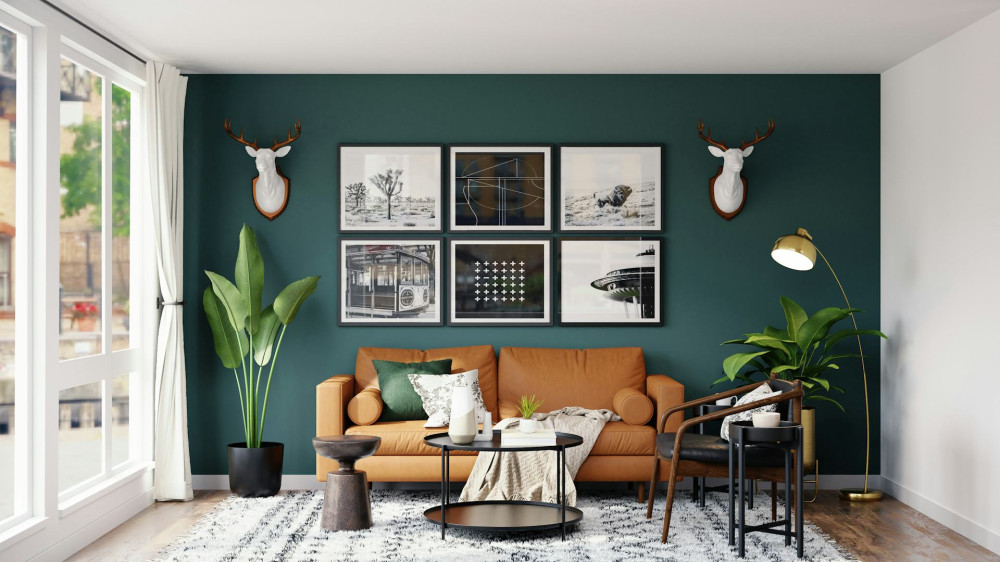
Sustainability isn’t about achieving a perfect, minimalist look—it’s about creating a home that feels authentic and lasting. Choose items with history, materials that age gracefully, and designs that reflect your personality. When you love what you have, you’re less likely to replace it.
Ultimately, the most sustainable home is one that endures—both in quality and in the connection you feel to it. By balancing environmental awareness with economic sense, you can build a home that’s good for you, your community, and the planet.
Læs også: