Use Your Budget as a Tool for Realistic Home Improvements

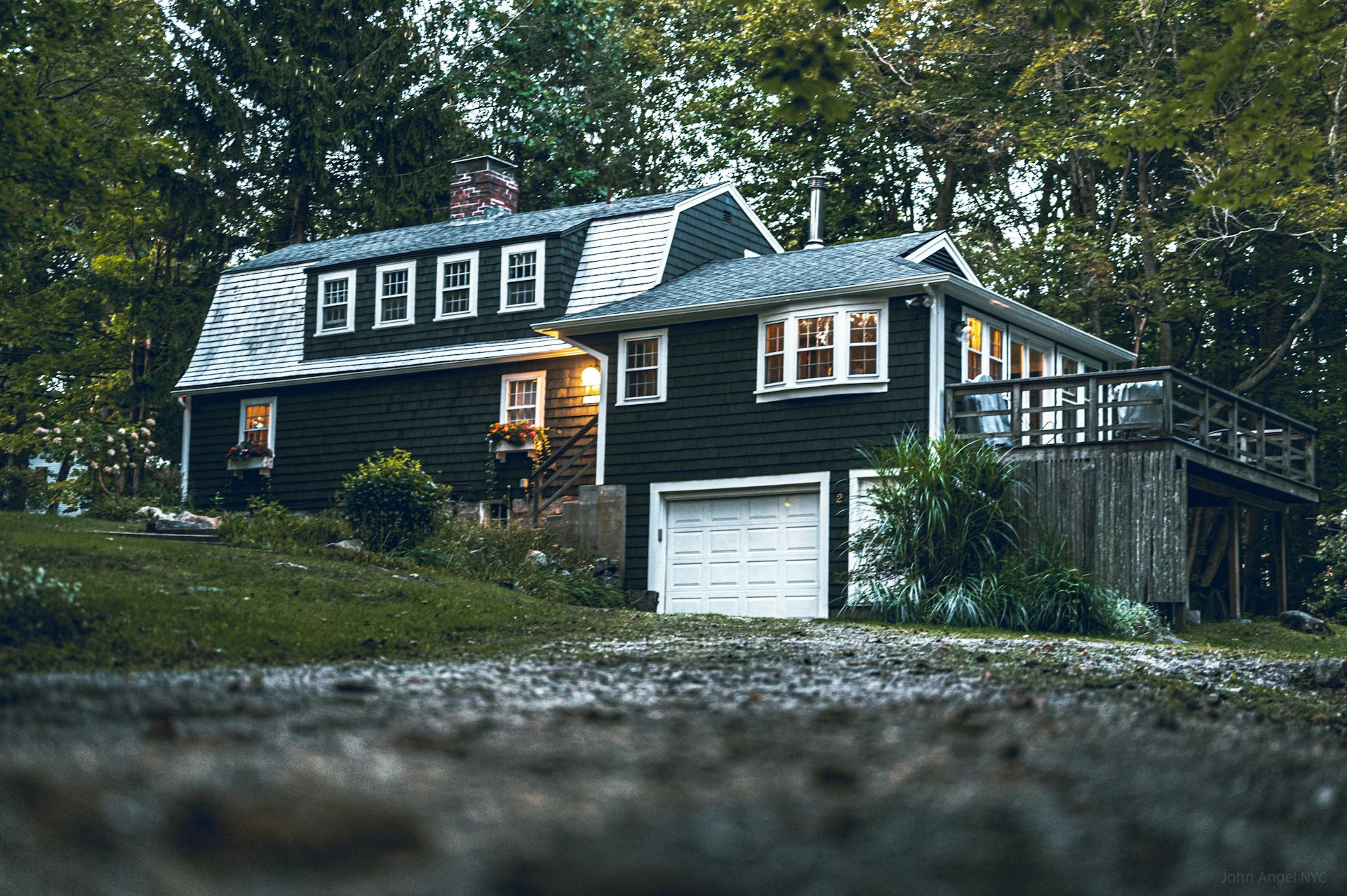
Turn your renovation dreams into achievable projects with smart budgeting
Money
Money
4 min
Learn how to use your budget as a practical tool for planning and completing home improvements that match your financial reality. Discover strategies for prioritizing projects, managing costs, and making upgrades that add long-term value to your home.
Jack Brooks
Jack
Brooks

Use Your Budget as a Tool for Realistic Home Improvements

Turn your renovation dreams into achievable projects with smart budgeting
Money
Money
4 min
Learn how to use your budget as a practical tool for planning and completing home improvements that match your financial reality. Discover strategies for prioritizing projects, managing costs, and making upgrades that add long-term value to your home.
Jack Brooks
Jack
Brooks

The dream of upgrading your home is alive in many households—whether it’s a kitchen remodel, better insulation, or simply a fresh coat of paint. But without a realistic budget, even the best intentions can lead to frustration and unfinished projects. A well-thought-out budget isn’t just a spreadsheet; it’s a tool that helps you prioritize, plan, and complete home improvements in a way that fits both your finances and your lifestyle.

Start by Understanding Your Finances

Before you start planning your dream renovation, take a close look at your financial situation. How much room do you really have for home improvements? Review your income, monthly expenses, savings, and any existing debt. This gives you a clear picture of what you can afford without putting your everyday finances at risk.

Create a simple overview of:

  • Income and fixed expenses – to see how much you have left each month.
  • Savings and emergency funds – which can help cover larger projects.
  • Financing options – such as a home equity loan, line of credit, or energy-efficiency rebates.

Once you know your financial limits, it becomes easier to decide which improvements are realistic now and which can wait.

Prioritize by Need and Value

Not all home improvements are equally important. Some are essential for safety or maintenance, while others enhance comfort or curb appeal. A good budget helps you focus on what matters most.

Try dividing your projects into three categories:

  1. Essential repairs – such as fixing a leaky roof, replacing old windows, or upgrading outdated wiring.
  2. Comfort upgrades – like remodeling a bathroom, adding central air, or improving insulation.
  3. Aesthetic changes – painting, landscaping, or updating décor.

By ranking projects based on necessity and potential return on investment, you can make sure your money goes where it makes the biggest difference.

Build a Realistic Budget—and Stick to It

Once you’ve set your priorities, it’s time to create a detailed budget. Get multiple quotes from contractors and research material costs. Don’t forget to include a contingency fund—adding 10–15% to your total is a smart way to prepare for unexpected expenses.

A solid budget should include:

  • Materials and labor
  • Permits and inspection fees
  • Delivery and disposal costs
  • Unexpected expenses

It can be tempting to stretch your budget to fit more projects in, but that often leads to delays or unfinished work. It’s better to complete a smaller project successfully than to start a big one you can’t finish.

Think Long-Term and Plan in Phases

Home improvements don’t have to happen all at once. Many projects can be broken into phases, allowing your finances to keep pace. This approach also gives you flexibility to adjust plans if your needs or budget change.

Create a multi-year plan that spreads projects over time. Start with improvements that add the most value—like energy-efficient upgrades that lower utility bills and boost resale value. Then move on to aesthetic updates when your budget allows.

Use Your Budget as a Management Tool

A budget isn’t something you make once and forget. It’s a living document that should be updated as your project progresses. Track actual expenses, compare them to your plan, and make adjustments as needed. This helps you stay in control and avoid unpleasant surprises.

Consider using a spreadsheet or a home improvement budgeting app to monitor spending in real time. Seeing where your money goes makes it easier to identify savings opportunities and stay on track.

Make Home Improvements Part of Your Financial Plan

When you use your budget actively, home improvements become a planned investment rather than a spontaneous expense. It brings clarity, confidence, and better results—for both your home and your finances.

A realistic budget doesn’t limit your dreams; it makes them achievable. With thoughtful planning, you can improve your home at a pace that fits your financial situation—and enjoy the process along the way.

How to choose the right type of home for your family
Are you considering changing your home type? This e-book examines the advantages and disadvantages of different types of housing, from townhouses to apartments, so that you can more easily find the type of housing that suits your familys needs and lifestyle.
Download e-book
Sustainable Home Design: Balancing Environmental and Economic Considerations
Design a home that’s kind to both the planet and your budget
Money
Money
Sustainable Living
Home Design
Eco-Friendly
Energy Efficiency
Green Building
5 min
Discover how sustainable home design can combine environmental responsibility with economic sense. Learn practical ways to build or renovate a home that reduces waste, saves energy, and creates a comfortable living space for the future.
Ariana Bradley
Ariana
Bradley
Debt Through Life – From College to Retirement
How debt shapes our financial journey from student loans to retirement planning
Money
Money
Personal Finance
Debt Management
Financial Planning
Life Stages
Money Management
4 min
Discover how different types of debt influence each stage of life—from college borrowing and mortgages to midlife credit and retirement finances. Learn how to manage debt responsibly and make it work for your long-term financial well-being.
Piper Foster
Piper
Foster
Motivation and Rewards: How to Stick to Healthy Financial Habits
Stay motivated and make smart choices that turn good financial intentions into lasting habits
Money
Money
Personal Finance
Financial Habits
Motivation
Money Management
Self-Improvement
7 min
Discover how to keep your financial goals on track by combining motivation, rewards, and practical strategies. Learn how to celebrate progress, stay inspired, and build money habits that support a balanced and fulfilling life.
Lucas Young
Lucas
Young
Use Your Budget as a Tool for Realistic Home Improvements
Turn your renovation dreams into achievable projects with smart budgeting
Money
Money
Home Improvement
Budget Planning
Renovation
Financial Management
Home Projects
4 min
Learn how to use your budget as a practical tool for planning and completing home improvements that match your financial reality. Discover strategies for prioritizing projects, managing costs, and making upgrades that add long-term value to your home.
Jack Brooks
Jack
Brooks
Organize Your Home Search and Stay on Top of Your Finances
Take control of your home search with smart planning and financial clarity
Money
Money
Home Buying
Personal Finance
Budgeting
Real Estate
Organization
4 min
Searching for a new home doesn’t have to be stressful. Learn how to define your needs, organize your search, and manage your finances so you can make confident decisions and find the right place for your lifestyle and budget.
Amelia Ortiz
Amelia
Ortiz
When Technology Meets Aesthetics: The Changing Modern Home Style
Discover how technology and design merge to redefine the modern living space
Trends
Trends
Smart Home
Interior Design
Modern Living
Home Technology
Sustainable Design
3 min
From smart lighting to sustainable materials, technology is reshaping the way we live and decorate. Explore how innovation and aesthetics come together to create homes that are both functional and beautiful.
Ariana Bradley
Ariana
Bradley
Mindful Decorating with Plants – Create Calm and Presence in Your Home
Bring harmony and mindfulness into your home with the natural beauty of plants
Trends
Trends
Mindful Living
Home Decor
Indoor Plants
Wellness
Interior Design
7 min
Discover how thoughtful plant placement and care can transform your home into a peaceful retreat. Learn how to decorate mindfully with greenery to create balance, presence, and a deeper connection to nature.
Piper Foster
Piper
Foster
Transform Your Space with Simple Renovation Ideas
Refresh your home with easy updates that make a big difference
Trends
Trends
Home Renovation
Interior Design
DIY
Home Improvement
Decorating Ideas
3 min
Discover how small, budget-friendly renovation ideas can completely transform your home. From color and lighting to surfaces and details, learn simple ways to create a space that feels new, functional, and uniquely yours.
Lucas Young
Lucas
Young
How to Create a Functional Home After the Kids Have Moved Out
Redefine your living space and make your home truly yours again
Trends
Trends
Home Design
Empty Nest
Interior Inspiration
Decluttering
Lifestyle
5 min
When the kids have moved out, your home enters a new phase—full of space, opportunity, and potential. Discover how to transform empty rooms, declutter with purpose, and design a flexible, comfortable home that reflects your lifestyle today.
Jack Brooks
Jack
Brooks