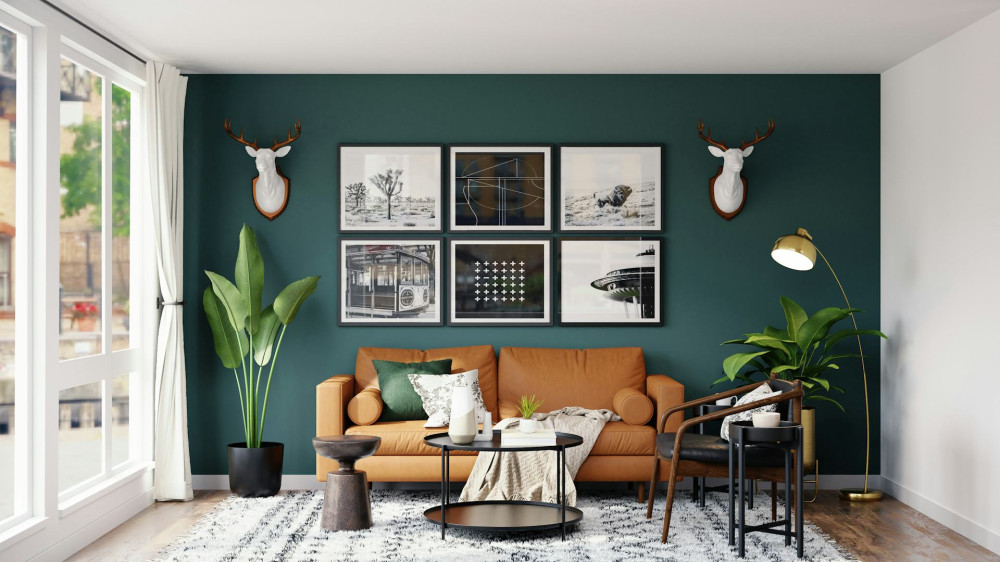
Accent lighting that warms up cold rooms

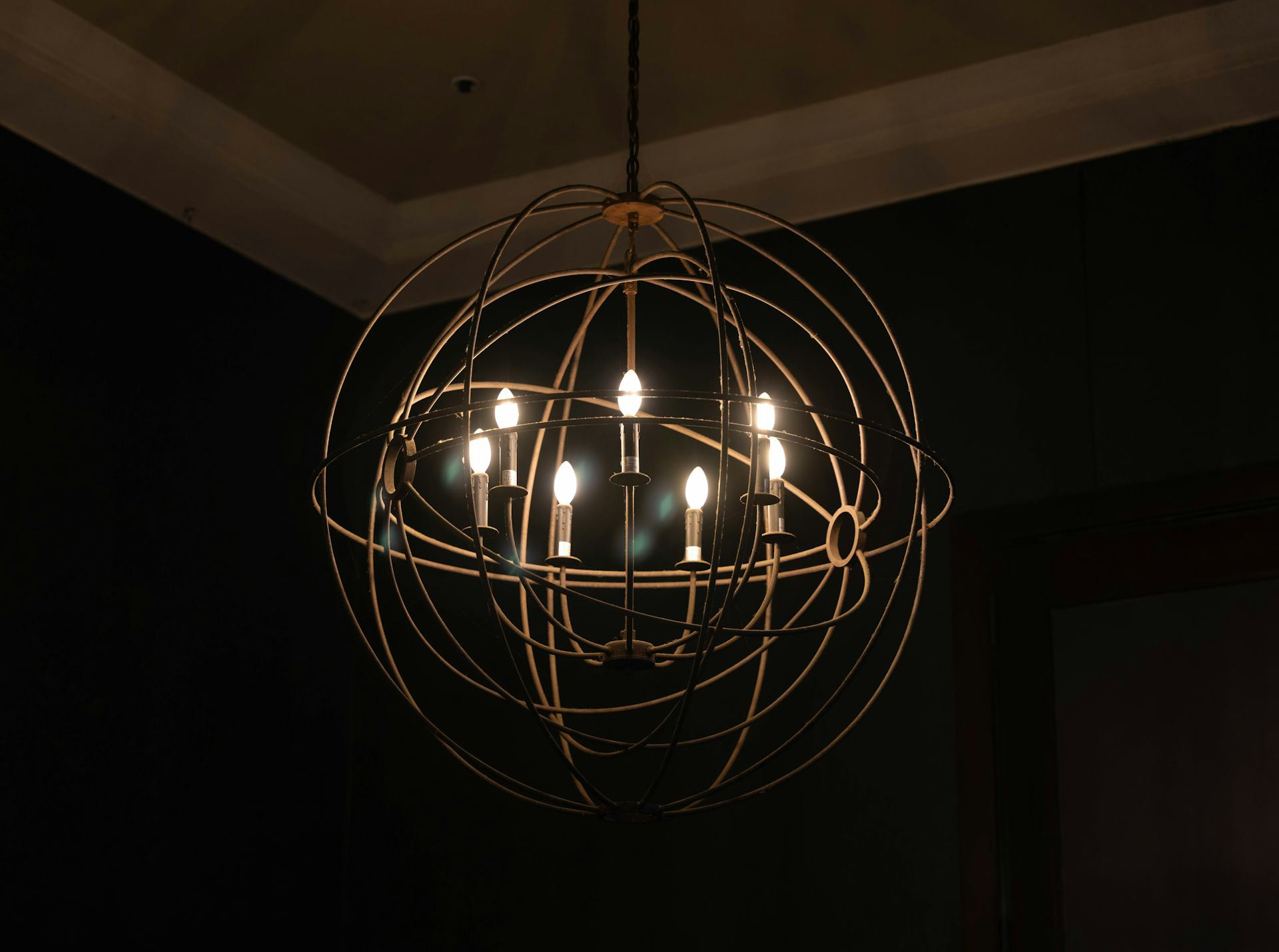
Accent lighting that warms up cold rooms
When a room feels cold or uninviting, it’s often not the thermostat that’s to blame—it’s the lighting. The right light can transform a space from sterile to cozy, and accent lighting plays a key role in that transformation. By highlighting details, adding depth, and introducing warm tones, you can make even the most neutral rooms feel welcoming.
What is accent lighting?
Accent lighting is the type of light used to draw attention to specific features in a room—like a painting, a plant, a bookshelf, or an architectural detail. While general lighting ensures visibility and task lighting provides function, accent lighting is all about mood and character.
It acts as the “storyteller” of a space, guiding the eye and creating contrast. A room without accent lighting can feel flat, while one with well-placed light sources comes alive with dimension and warmth.
Create warmth with color temperature and direction
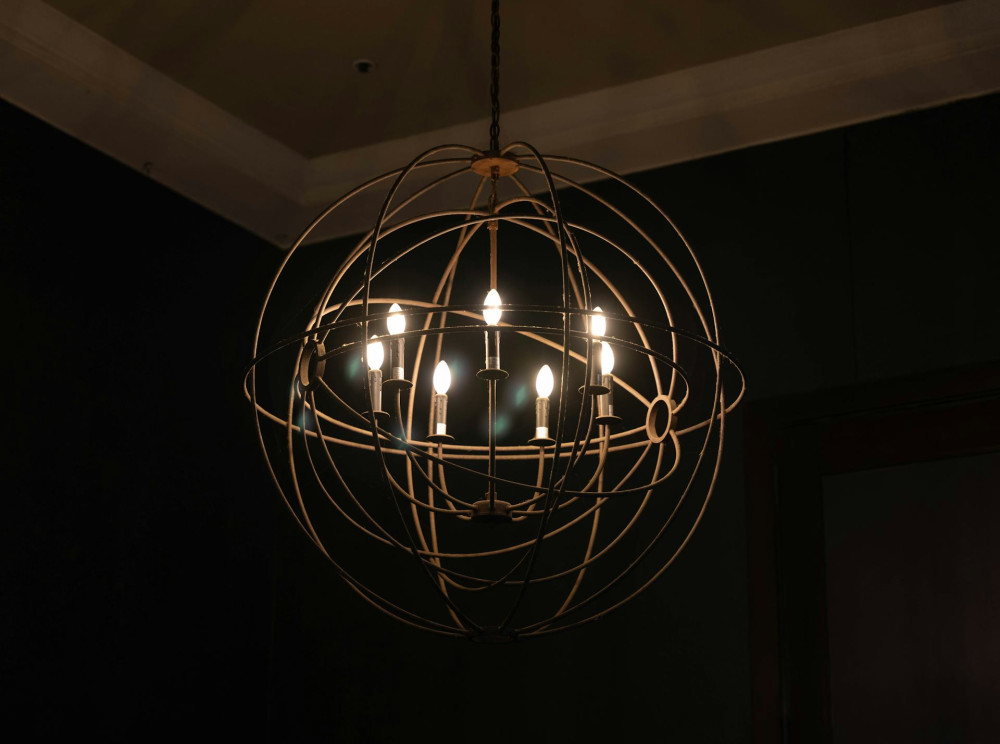
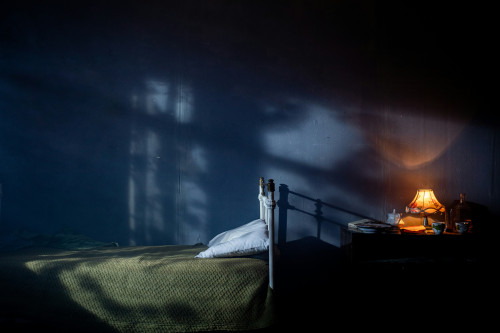
If you want a room to feel warmer, start with the right color temperature. Bulbs labeled “warm white” (around 2700–3000 Kelvin) emit a soft, golden glow reminiscent of candlelight or sunset. Avoid cool white or daylight bulbs in spaces where you want a cozy atmosphere—they tend to make rooms feel stark.
The direction of the light also matters. Light that bounces off walls or ceilings spreads softly throughout the room. Try wall sconces, uplights, or spotlights aimed at surfaces rather than directly at the floor. This indirect lighting creates a more comfortable and inviting feel.
Layer your lighting
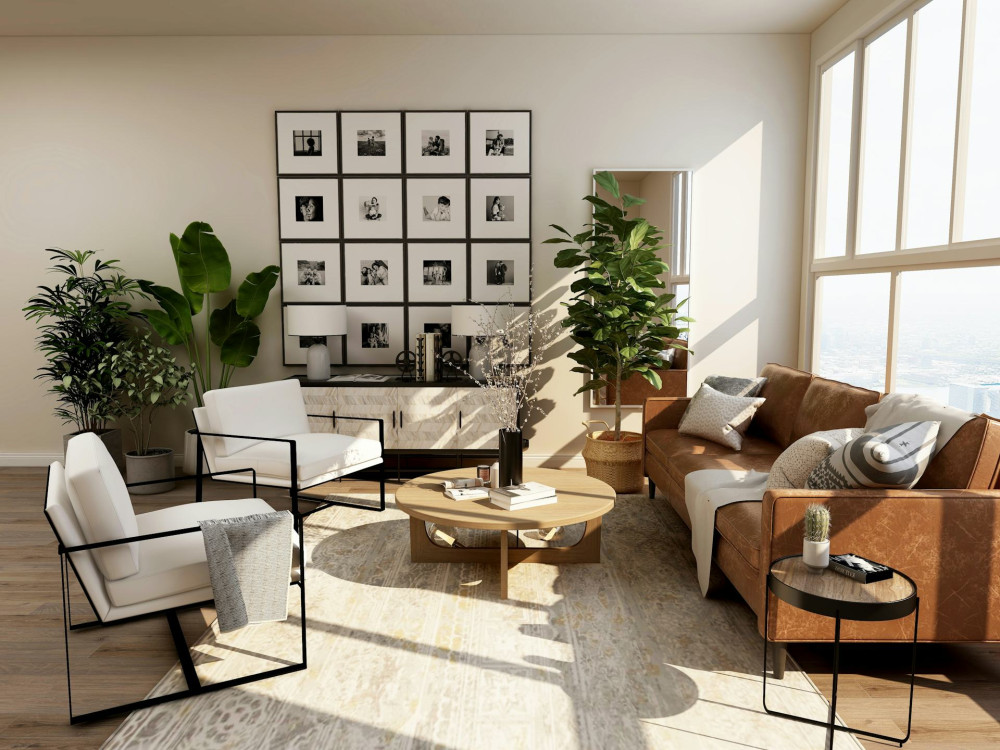
A warm, dynamic room comes from layering different types of light. Combine ambient, task, and accent lighting so you can adjust the mood as needed.
- Ambient lighting: The general illumination that ensures the room is evenly lit.
- Task lighting: Focused light for activities like reading, cooking, or working.
- Accent lighting: Light that adds drama, highlights details, and sets the tone.
Using dimmable fixtures allows you to shift easily from bright and functional to soft and relaxing.
Highlight what matters most
Accent lighting isn’t just about aesthetics—it’s about telling a story about your home. A spotlight on a piece of art, a lamp that brings out the texture of a brick wall, or an LED strip behind a bookshelf can add personality and warmth.
Think about what you want people to notice first when they walk into the room. That’s where your accent lighting should go.
Læs også:
Choose materials and fixtures that enhance warmth
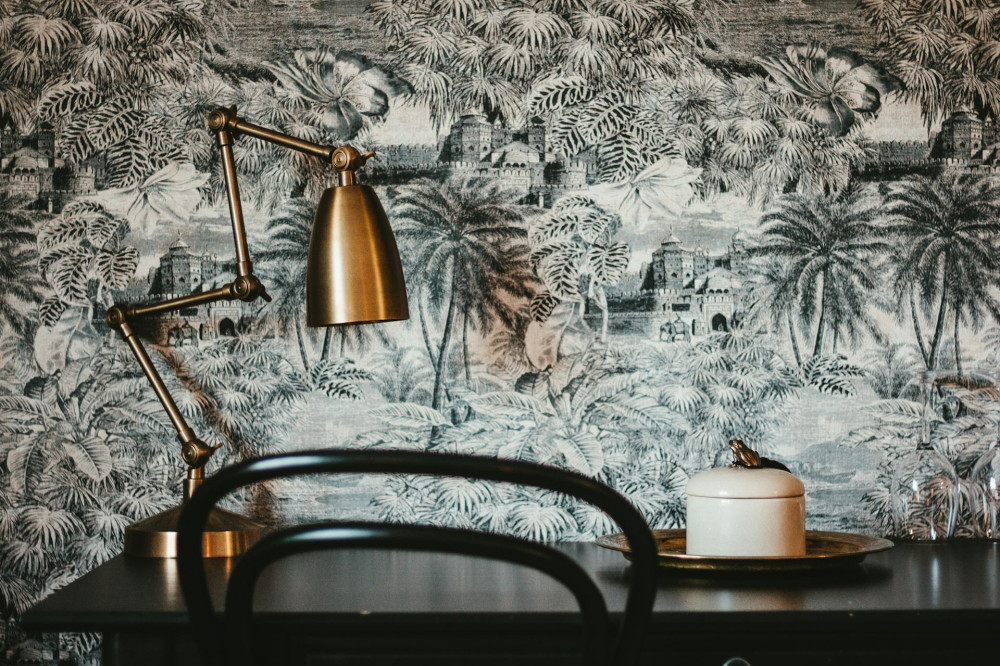
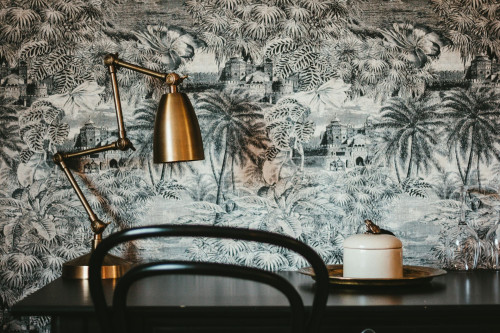
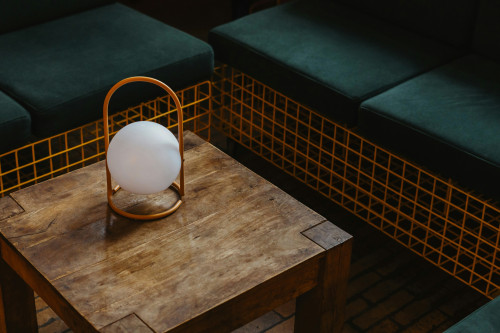
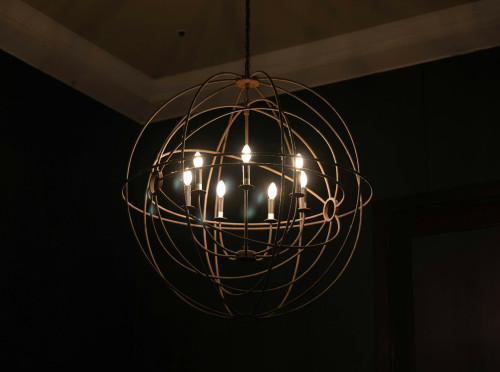
The design and material of your light fixtures also influence how the light feels. Shades made of fabric, frosted glass, or brass diffuse light gently and add a natural warmth. Avoid overly cool metals or harsh LEDs with poor color rendering—they can make a space feel clinical.
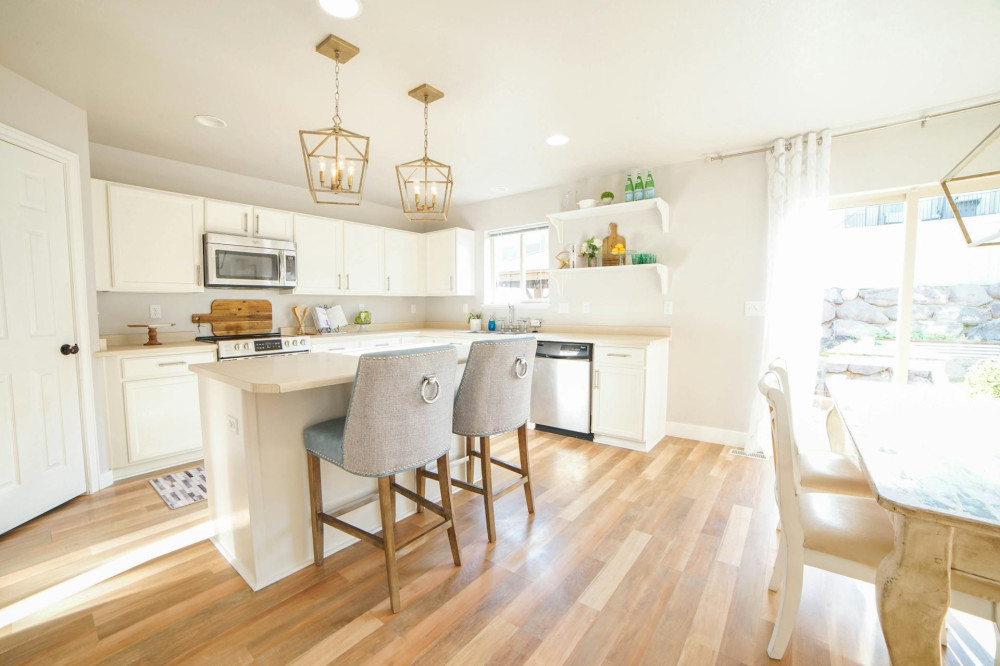
A good rule of thumb is to choose fixtures that complement your décor but also add contrast. For example, a warm brass pendant in a modern white kitchen can balance cool tones with a touch of warmth.
Small changes, big impact
You don’t need to overhaul your entire lighting setup to make a difference. A few well-placed lamps can dramatically change the atmosphere. Try:
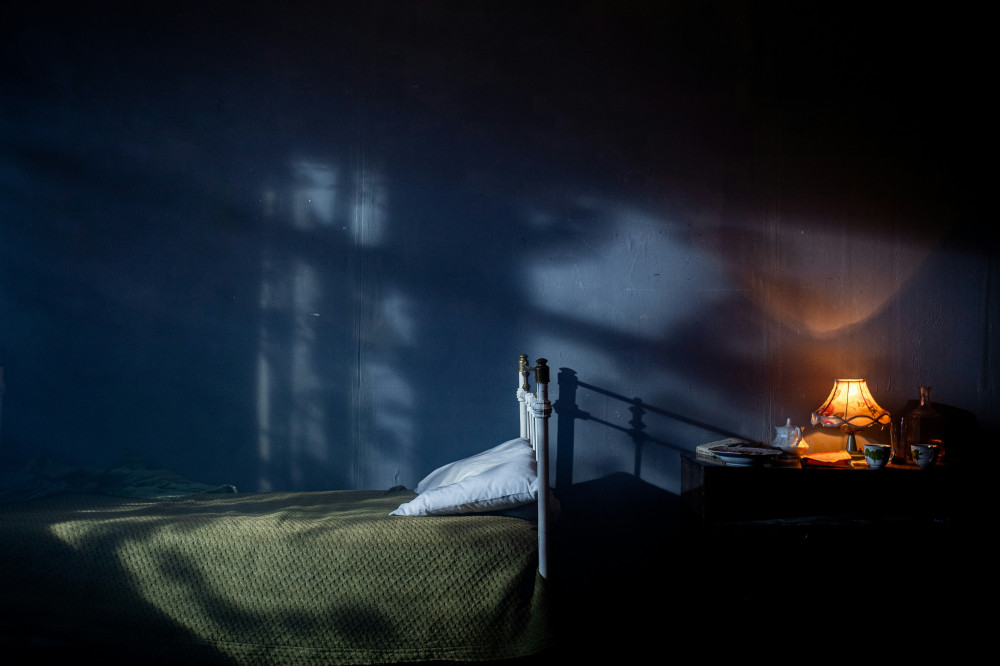
- Adding a table lamp in a dim corner.
- Installing LED strips under shelves or inside display cabinets.
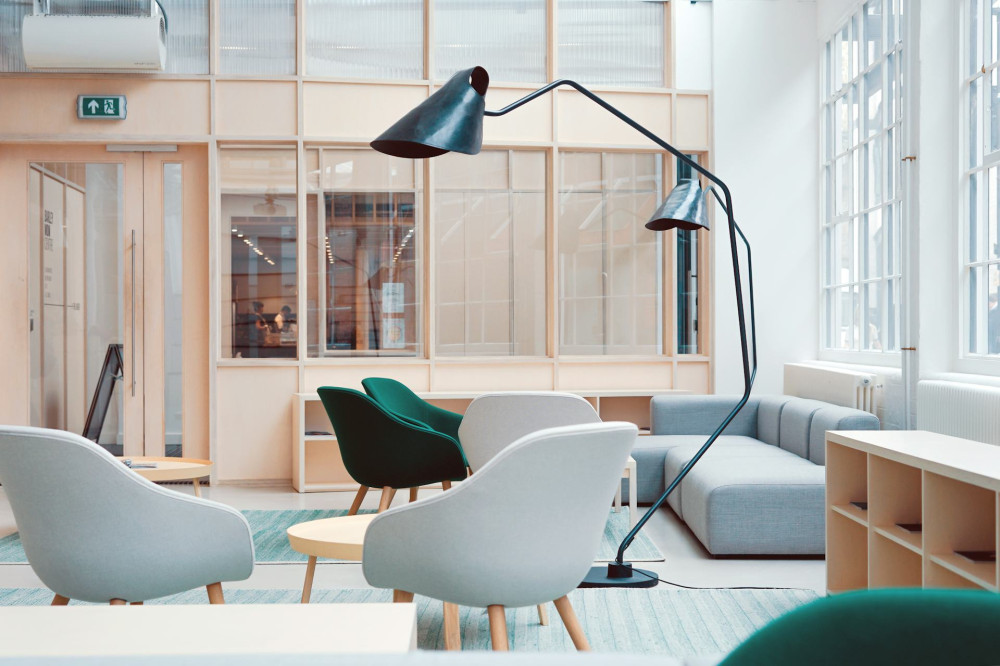
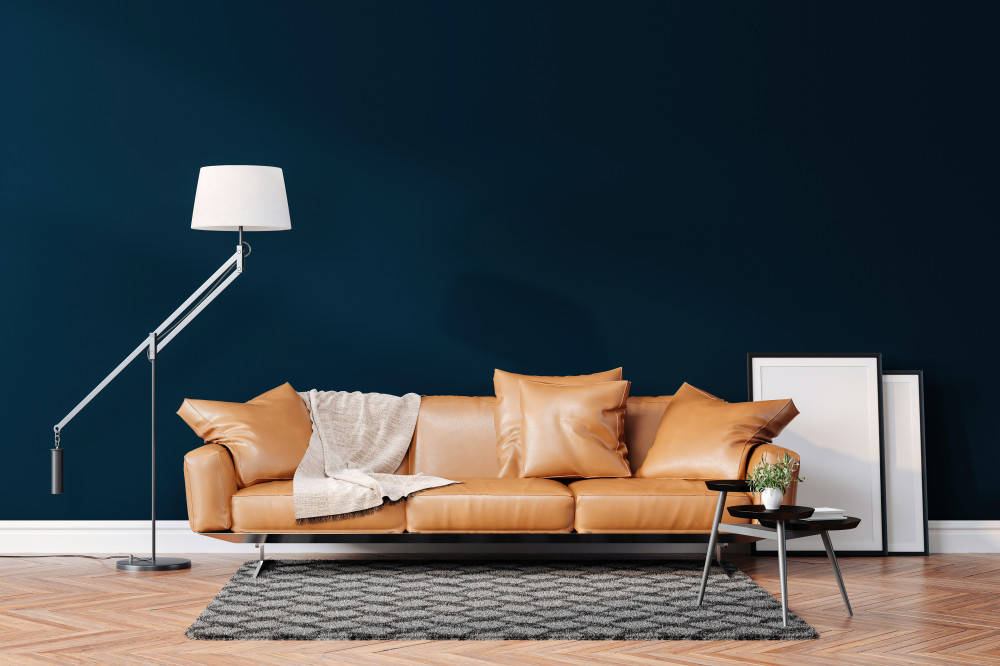
- Placing a floor lamp that casts light upward.
- Swapping out cool bulbs for warmer ones.
These small adjustments can shift a room from cold to inviting in minutes.
Light that makes a house feel like home
Accent lighting is more than a design detail—it’s a way to create a sense of home. When the light falls just right, a room feels safe, alive, and personal. It’s a reminder that a home isn’t only about furniture and color—it’s about the atmosphere that light creates.
Læs også: