Plan Your Ambient Lighting – Avoid Glare and Shadows


Plan Your Ambient Lighting – Avoid Glare and Shadows
Good lighting is about more than style – it’s about comfort, function, and well-being. Ambient lighting forms the foundation of every lighting plan, setting the tone for both task and accent lighting. When it’s done right, a room feels balanced, inviting, and easy on the eyes. When it’s done wrong, you get glare, harsh shadows, and eye strain. Here’s how to plan your ambient lighting so you can avoid the most common mistakes.
What Is Ambient Lighting?
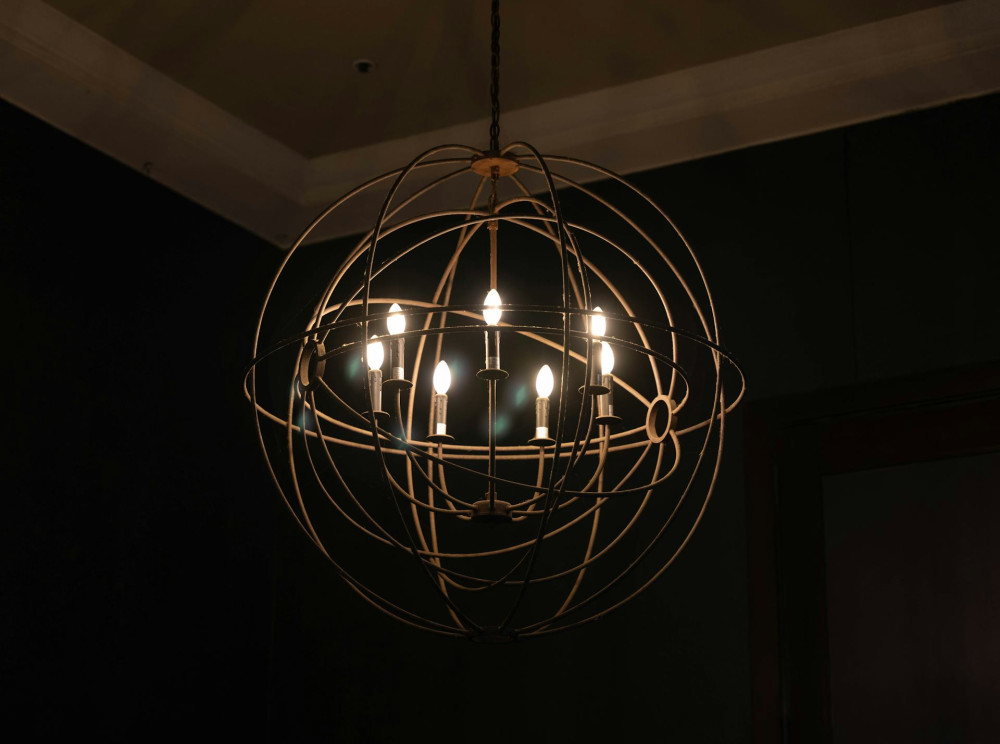
Ambient lighting – also called general lighting – provides the overall illumination that allows you to move around safely and comfortably. It should create an even, pleasant level of brightness without drawing attention to itself. In most homes, it comes from ceiling fixtures, recessed lights, or large pendants, but it can also be achieved with indirect light reflected off walls or ceilings.
The goal isn’t drama, but balance. Once your ambient lighting is in place, you can layer in task lighting for cooking or reading, and accent lighting to highlight artwork or architectural details.
Avoid Glare – Think About Placement and Direction
Glare happens when a light source is too bright or positioned so you’re looking directly into it. It can occur with recessed lights, pendants, or LED panels. To prevent glare:
- Position fixtures thoughtfully. Avoid placing downlights directly above seating areas or dining tables where people often look up.
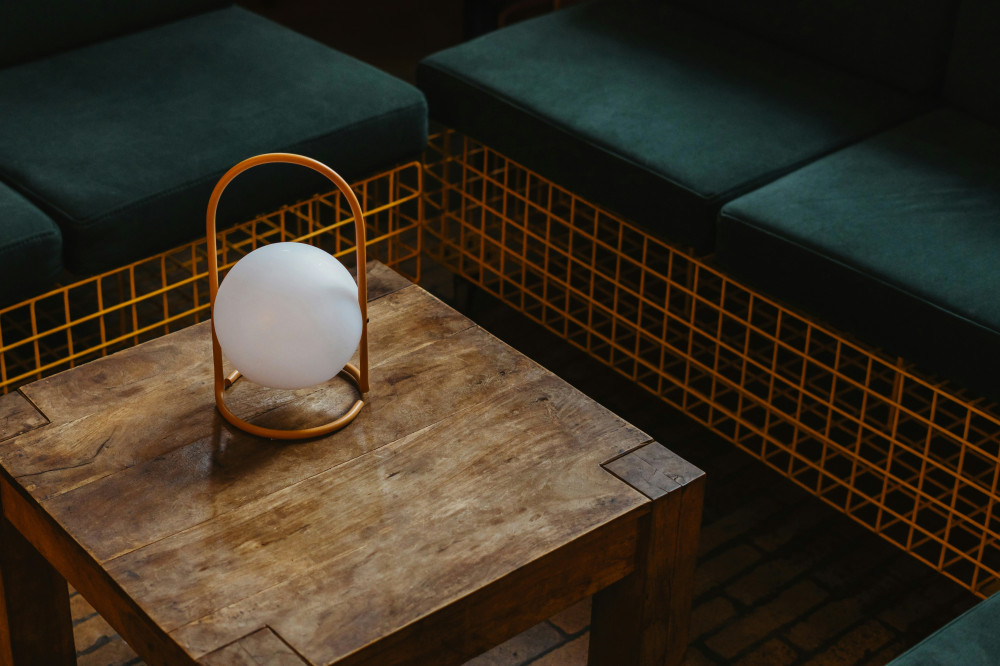
- Choose fixtures with diffusers or shades. Frosted glass, fabric shades, or reflectors that bounce light indirectly can make a big difference.
- Use dimmable bulbs. This lets you adjust brightness for different times of day and activities.
A simple test: turn on the lights and sit where you normally would – at the table, on the couch, or at your desk. If you feel discomfort or see bright spots in your vision, the lighting needs adjustment.
Shadows – When Light Falls the Wrong Way
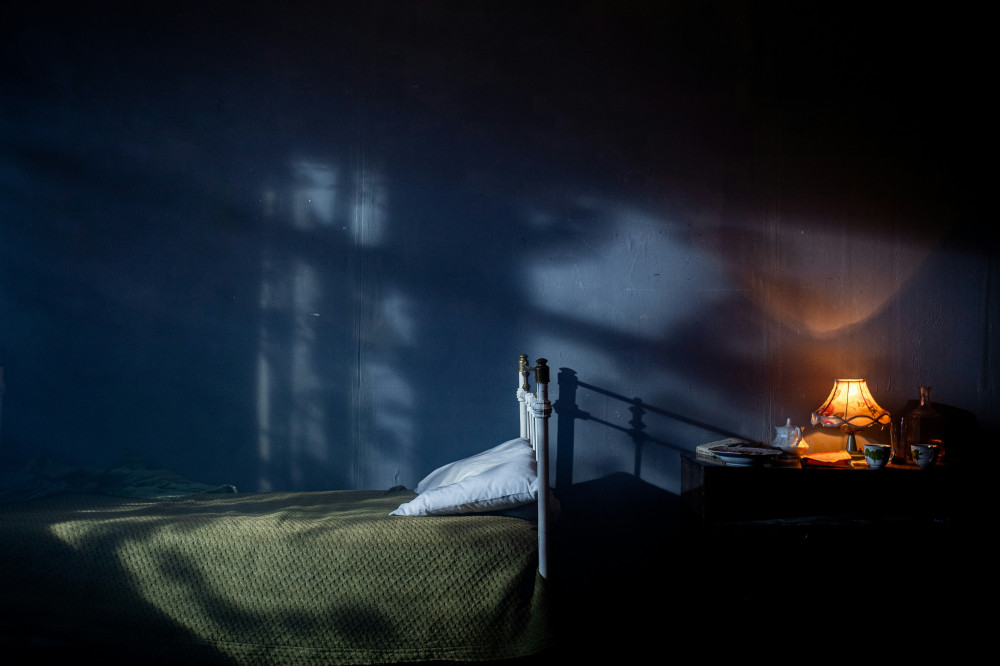
Shadows can add depth, but too many or too harsh shadows make a space uncomfortable. They often occur when light comes from only one direction. The solution is to create layers of light.
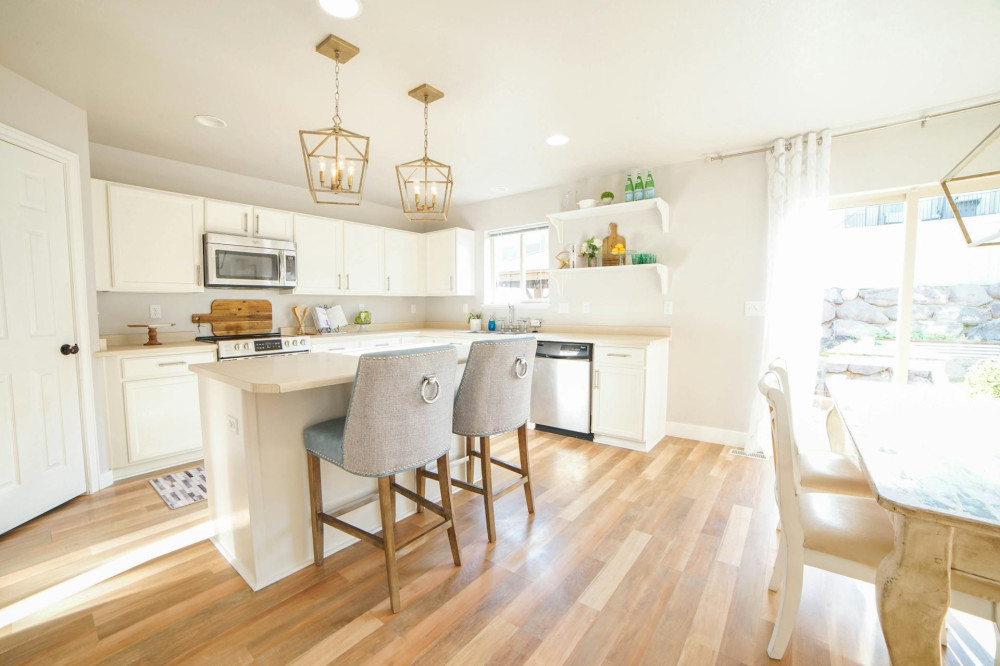
Combine ceiling lights with wall sconces, floor lamps, or uplights that cast light in different directions. This creates a more even distribution and a calmer visual effect. In the kitchen, for example, pair ceiling lights with under-cabinet lighting to eliminate shadows on countertops while you work.
Choose the Right Brightness and Color Temperature
Ambient lighting should be bright enough for visibility but not so intense that it feels clinical. As a general guideline:
- Living rooms and bedrooms: 10–20 foot-candles (roughly 100–200 lux)
- Kitchens and bathrooms: 30–50 foot-candles (300–500 lux)
- Home offices or work areas: 50 foot-candles and above (500 lux or more)
Color temperature also matters. Warm white light (2700–3000 Kelvin) creates a cozy, relaxing atmosphere, while cooler white light (3500–4000 Kelvin) promotes alertness and focus. Consider using different temperatures in different rooms – or choose tunable LED bulbs that let you adjust the tone as needed.
Indirect Lighting – A Soft, Elegant Solution
One of the best ways to avoid both glare and harsh shadows is to use indirect lighting. This can include LED strips hidden behind molding, light reflected off the ceiling, or wall sconces that direct light upward. The result is a soft, diffused glow that spreads evenly throughout the room.
Indirect lighting works especially well in living rooms and bedrooms, where you want a calm, relaxing atmosphere. It can also be combined with direct lighting for flexibility throughout the day.
Læs også:

Plan Ahead – Think About the Whole Space
The best lighting plans start before you install the first fixture. Consider how the room will be used, how it’s furnished, and what colors dominate the space. Light-colored walls reflect light and need less brightness, while darker surfaces absorb light and require more.
Sketch a simple plan showing where you need general, task, and accent lighting. This helps you avoid over-lighting the room and ensures a more harmonious result.
A Comfortable Light Environment Every Day
When your ambient lighting is well planned, you won’t notice it – but you’ll feel it. The room will seem naturally bright, colors will look true, and your eyes will stay relaxed. That’s the goal: lighting that supports your daily life without demanding attention.
Læs også: