Work Lighting with Aesthetics – When Function Meets Form

Work Lighting with Aesthetics – When Function Meets Form
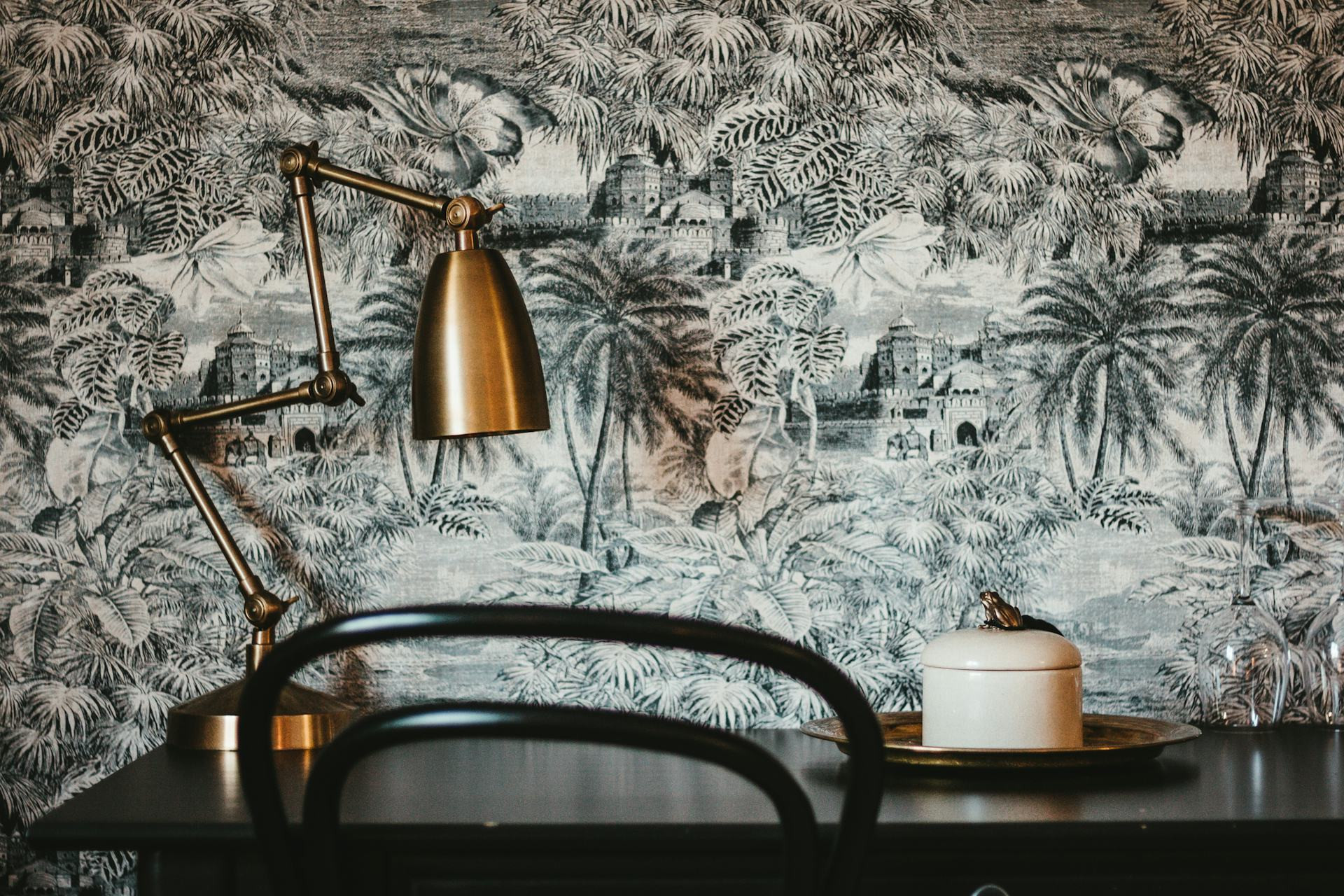
Work lighting isn’t just about seeing what you’re doing. It’s about creating an environment that supports focus, comfort, and inspiration. Today, lighting has evolved beyond its purely practical role—it’s an integral part of interior design that can elevate both mood and aesthetics. When function meets form, the result is a perfect balance between effective illumination and beautiful design.
Why Good Work Lighting Matters
Whether you’re working from home, in an office, or in a creative studio, lighting has a major impact on productivity and well-being. Too little light can cause eye strain and fatigue, while overly bright or poorly placed light can create glare and discomfort. The right work lighting should therefore be both functional and flexible—while also complementing the style of the space.
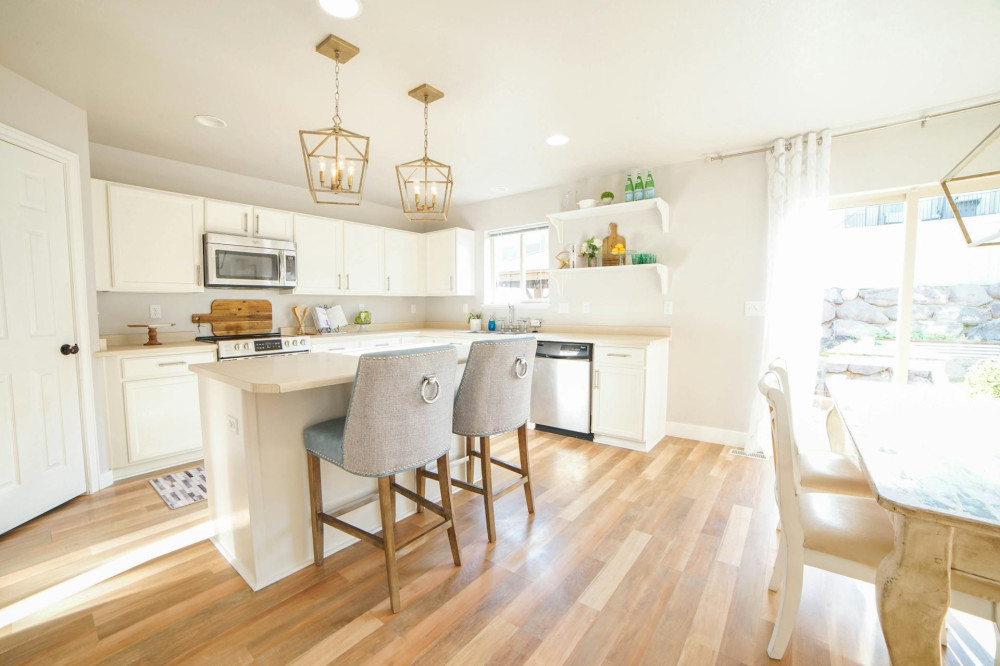
A good approach is to combine ambient lighting with task lighting. Ceiling fixtures or recessed lights provide general illumination, while desk lamps, pendants, or wall-mounted lights can focus brightness exactly where you need it.
Design and Function in Harmony
Not long ago, work lighting was often synonymous with purely utilitarian fixtures. Today, there’s a wide range of options where design and function go hand in hand. Manufacturers and designers alike recognize that lighting should not only perform well but also enhance the look and feel of a room.
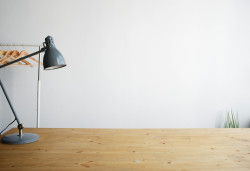
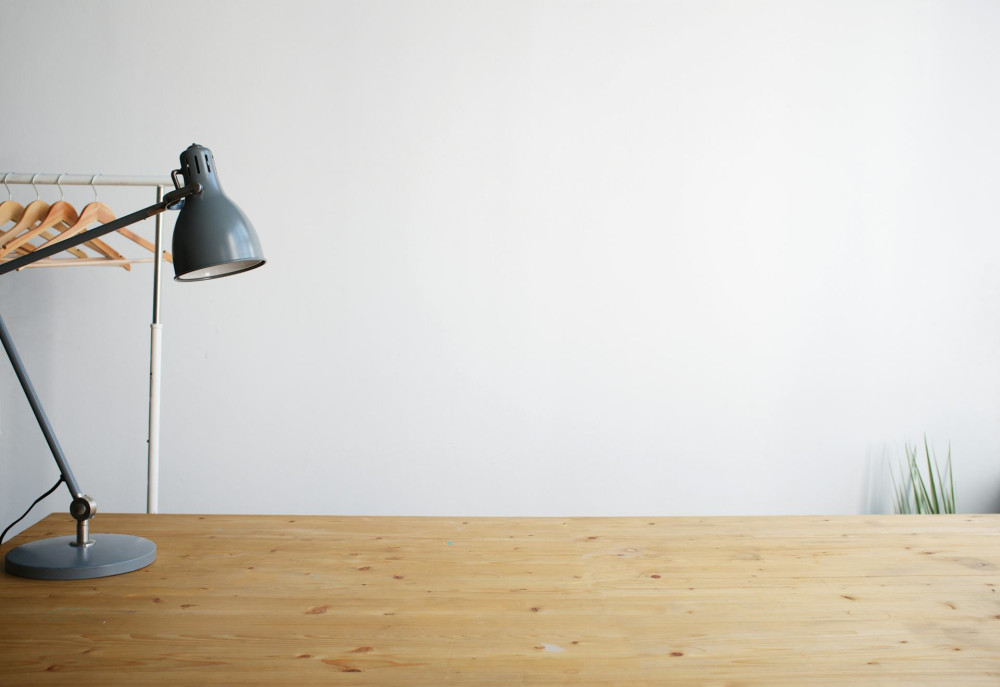
- Minimalist desk lamps in metal or wood fit perfectly into modern home offices.
- Adjustable pendant lights offer both flexibility and a refined aesthetic above a worktable.
- Integrated LED fixtures can be built into shelves or cabinetry for a clean, seamless look.
The key is to find lighting that supports your work while reflecting your personal style.
Color Temperature and Brightness – The Technical Side of Aesthetics
When it comes to work lighting, color temperature and brightness play a crucial role. Cooler white light (around 4000–5000 Kelvin) promotes concentration and makes details easier to see, while warmer light (2700–3000 Kelvin) creates a more relaxed atmosphere.
In many American home offices, dimmable lamps are a popular choice, allowing you to adjust brightness according to the time of day or the task at hand. This flexibility helps maintain comfort and can easily transition the space from work mode to relaxation mode.
Læs også:
Sustainability and Smart Technology
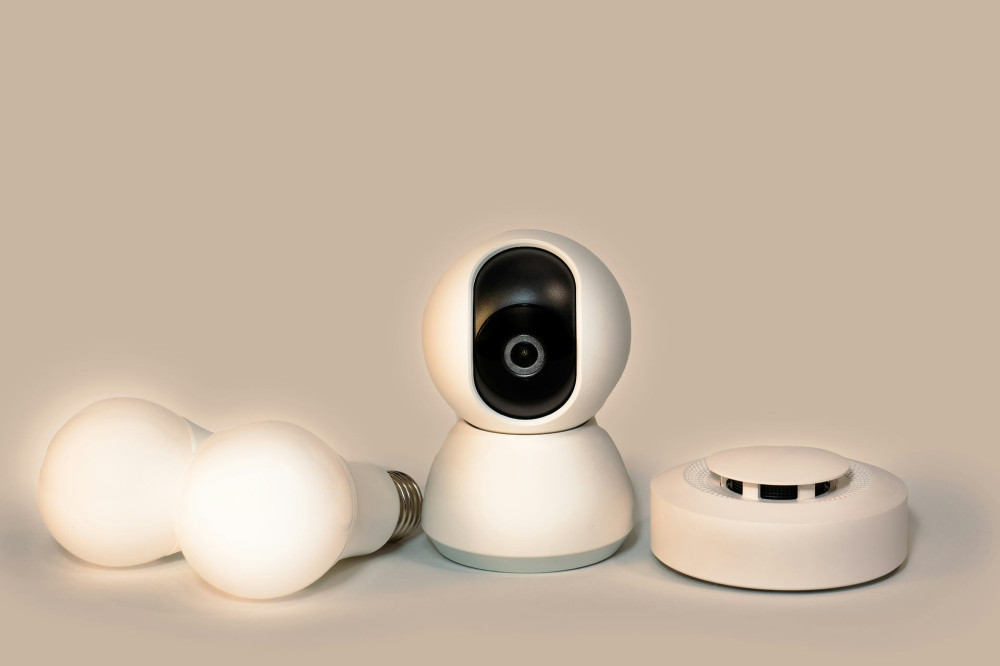
Modern work lighting is not only stylish and functional—it’s also energy-efficient. LED technology provides bright, consistent light with low energy consumption and long lifespan. At the same time, smart lighting systems are becoming increasingly common: fixtures that can be controlled via smartphone or voice command, and that automatically adjust to your daily rhythm.
Many designers are also embracing sustainable materials and modular designs, making it easier to repair or upgrade fixtures instead of replacing them. This approach supports both environmental responsibility and long-term value.
Creating a Cohesive Interior
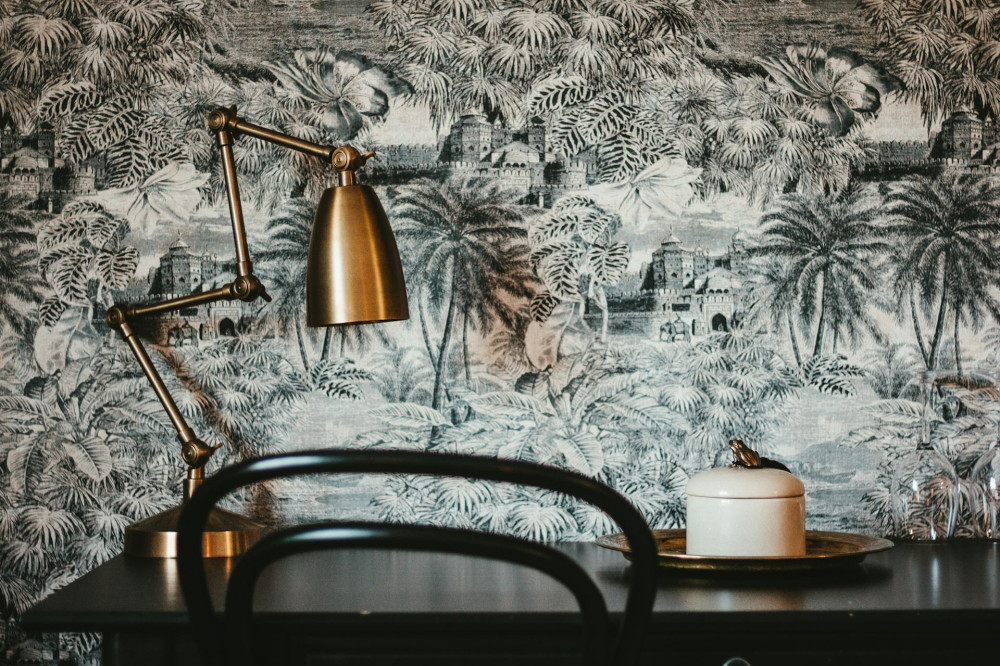
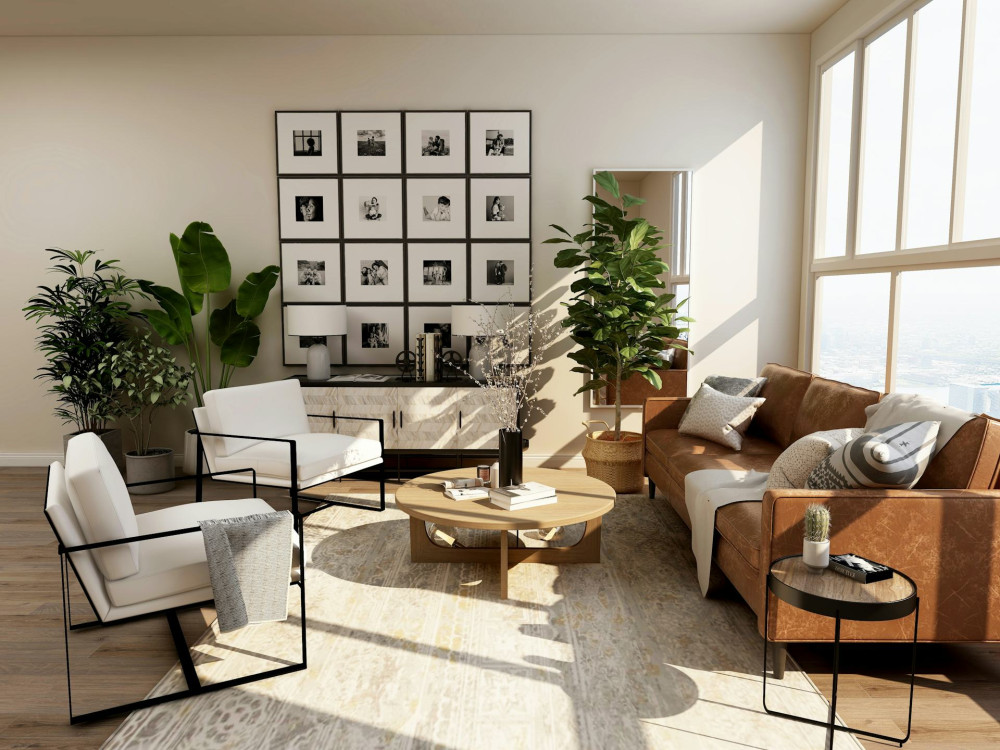
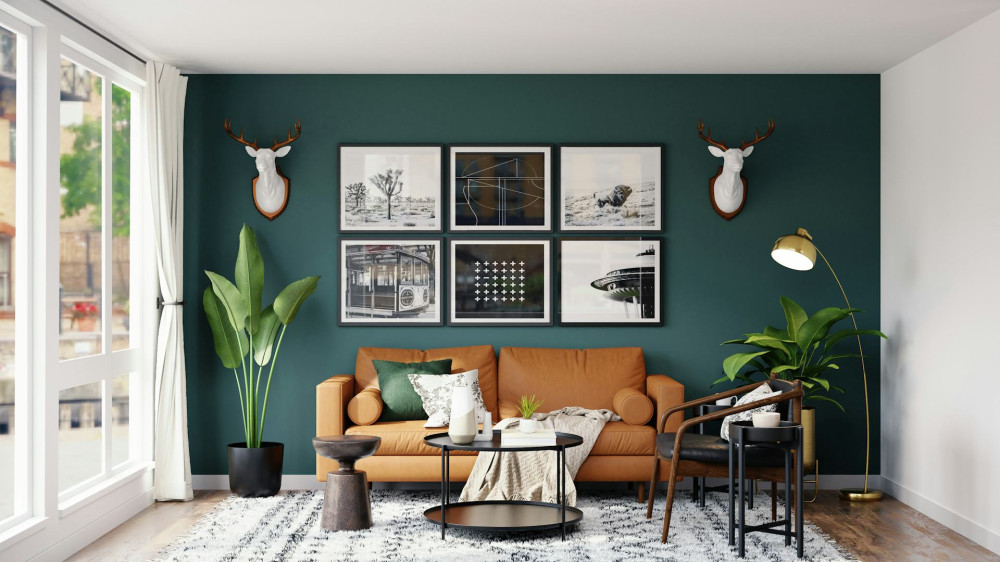
Work lighting should be considered as part of the overall design of a space. A lamp can serve as a statement piece, but it should also harmonize with furniture, colors, and materials. Think about how light interacts with walls, surfaces, and textures—and how it shapes the atmosphere of the room.
A helpful tip is to use multiple light sources at different heights. This layering adds depth and balance, making it easier to adapt lighting for various activities. In this way, lighting becomes not just a tool, but an integral part of the room’s aesthetic identity.
When Light Becomes Part of Everyday Life
The best work lighting is the kind you hardly notice—because it feels natural and effortless. It supports your focus, enhances the character of your space, and creates an atmosphere that makes you want to stay and create. When function meets form, light becomes more than illumination—it becomes an experience.
Læs også: