Attract Pollinators to Your Vegetable Garden – Nature’s Own Helpers

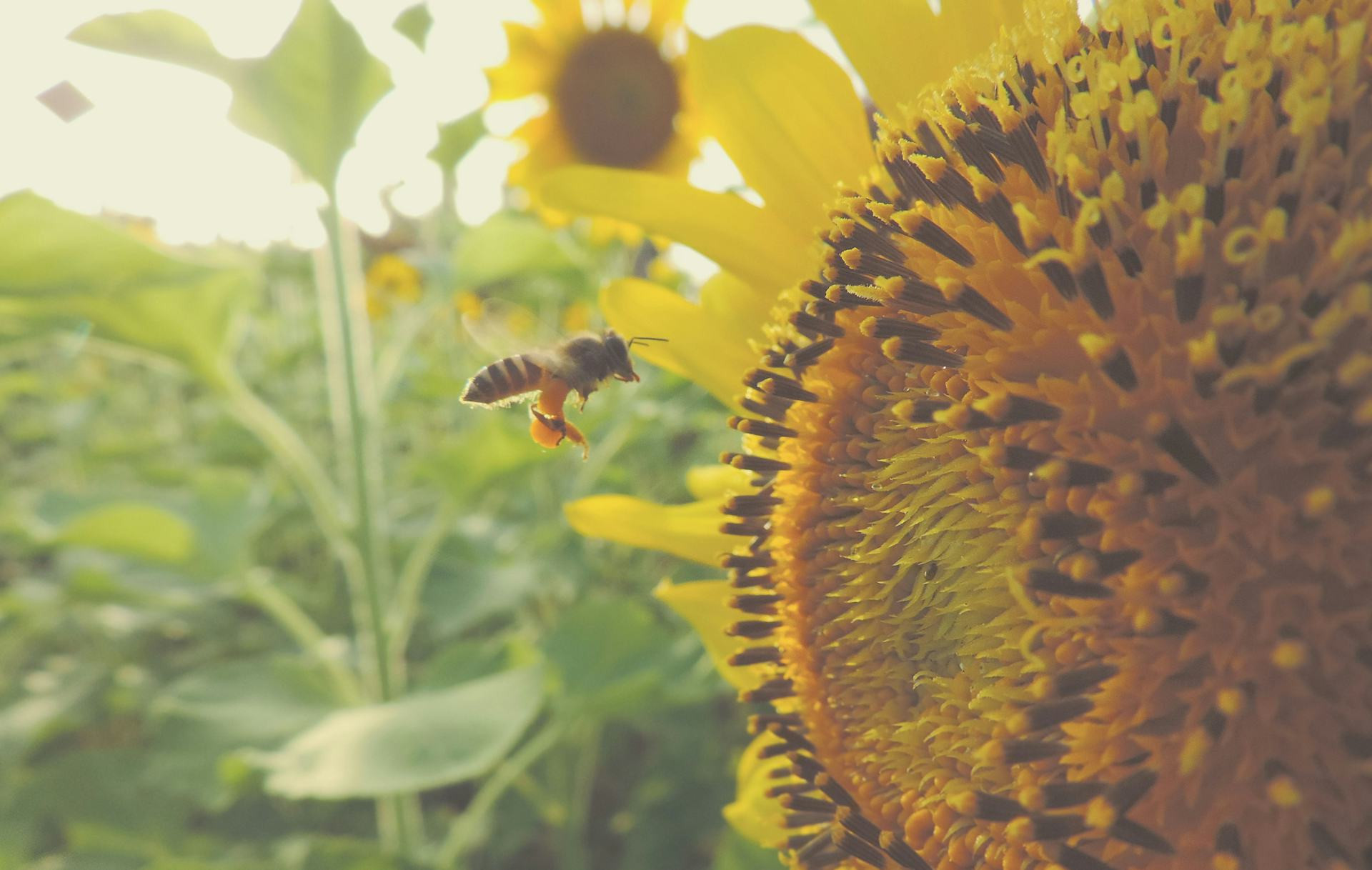
Turn your vegetable patch into a buzzing paradise for bees, butterflies, and other vital garden guests
Outdoors
Outdoors
6 min
Discover how to attract pollinators that help your vegetables thrive. With simple steps like planting nectar-rich flowers, offering shelter, and avoiding pesticides, you can create a vibrant, productive garden that supports both nature and your harvest.
Amelia Ortiz
Amelia
Ortiz

Attract Pollinators to Your Vegetable Garden – Nature’s Own Helpers

Turn your vegetable patch into a buzzing paradise for bees, butterflies, and other vital garden guests
Outdoors
Outdoors
6 min
Discover how to attract pollinators that help your vegetables thrive. With simple steps like planting nectar-rich flowers, offering shelter, and avoiding pesticides, you can create a vibrant, productive garden that supports both nature and your harvest.
Amelia Ortiz
Amelia
Ortiz

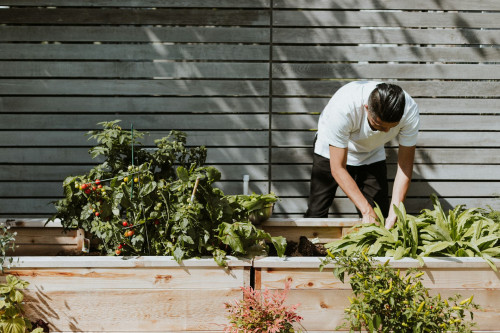
A thriving vegetable garden isn’t just about good soil and quality seeds – it’s about life. Bees, butterflies, hoverflies, and other pollinators play a vital role in helping your vegetables, fruit trees, and berry bushes produce a bountiful harvest. Without them, many plants would never set fruit. Fortunately, with a few simple steps, you can make your garden a welcoming haven for nature’s own helpers.

Why Pollinators Are Essential

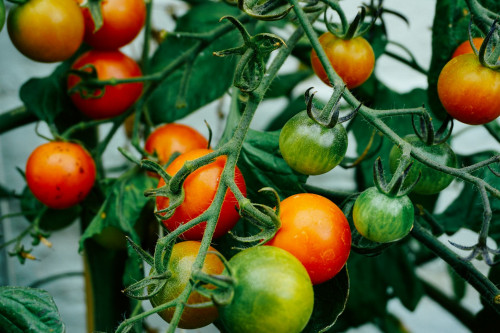
Pollinators transfer pollen from flower to flower, allowing plants to form seeds and fruits. In your vegetable garden, that means more tomatoes, bigger cucumbers, and healthier squash. But pollinators also support the broader ecosystem – they boost biodiversity and help keep nature in balance.

Sadly, many pollinators are under pressure due to habitat loss, pesticides, and climate change. By creating a pollinator-friendly garden, you can support these vital creatures while improving your own harvest.

Create a Blooming Buffet

Pollinators are drawn to flowers that offer nectar and pollen. The more blooms you have, the more visitors you’ll attract. Aim for continuous flowering from early spring through late fall.

  • Spring: Early bloomers like crocus, wild columbine, and fruit tree blossoms provide much-needed food after winter.
  • Summer: Lavender, bee balm, coneflower, and clover are favorites for bees and butterflies.
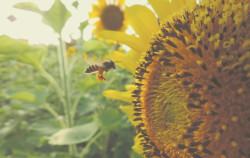
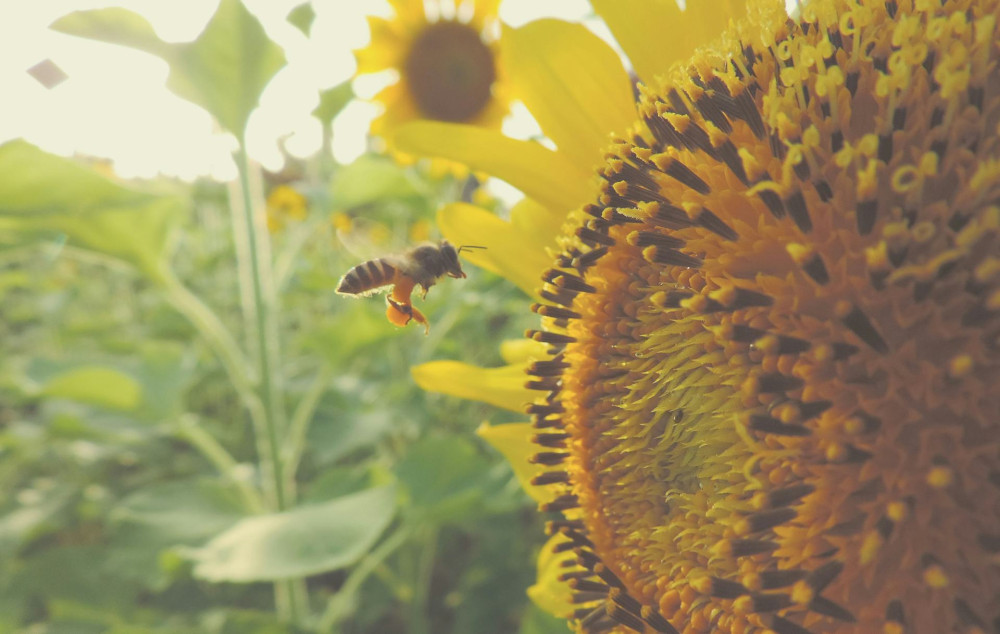
  • Fall: Late bloomers such as goldenrod, asters, and sunflowers keep pollinators fed as the season winds down.

Plant flowers in clusters rather than single plants – it makes them easier for pollinators to find. Whenever possible, choose native species, as local pollinators are best adapted to them.

Let a Little Wildness In

A perfectly manicured garden may look tidy, but a touch of wildness works wonders for biodiversity. Leave a corner of your yard to grow naturally with wildflowers or let the grass grow a bit longer. Even a small patch of dandelions, clover, and milkweed can become a pollinator paradise.

You can also sow a wildflower meadow – a mix of annuals and perennials that provide color and life all summer long. It requires little maintenance and gives your garden a natural, relaxed look.

Provide Shelter and Nesting Spots

Pollinators need more than flowers – they also need safe places to live and overwinter. You can help by adding:

  • Bee hotels: Small wooden structures filled with hollow stems or drilled holes offer nesting sites for solitary bees.
  • Brush piles or rock stacks: These provide shelter for hoverflies, butterflies, and other beneficial insects.
  • Bare soil patches: Many native ground-nesting bees dig their nests directly in the earth, so avoid covering every inch with mulch or turf.

A diverse garden with flowers, shrubs, rocks, and dead wood creates the best conditions for a rich insect life.

Avoid Pesticides

Even small amounts of pesticides can harm pollinators. Instead, use natural methods to manage pests:

  • Encourage beneficial insects like ladybugs and lacewings that feed on aphids.
  • Remove infested plants by hand.
  • Strengthen plant health with compost and good soil care.

An organic approach not only protects pollinators but also leads to a healthier, more resilient garden.

Offer Water and Resting Spots

Just like people, pollinators need water. A shallow dish filled with pebbles and water, a birdbath, or even a small puddle can do the trick. Make sure there are places for insects to land safely without drowning.

Flat stones placed in sunny spots also make great resting and warming areas for bees and butterflies on cool mornings.

A Living Garden Brings More Joy

When you welcome pollinators into your garden, you gain more than just a better harvest – you create a space full of color, movement, and life. It’s a reminder that even small gardens can make a big difference for nature.

By thinking about blooms, habitats, and natural balance, you can build a thriving ecosystem where plants, animals, and people flourish side by side.

How to choose the right type of home for your family
Are you considering changing your home type? This e-book examines the advantages and disadvantages of different types of housing, from townhouses to apartments, so that you can more easily find the type of housing that suits your familys needs and lifestyle.
Download e-book
Outdoor Dining with Seasonal Ingredients
Enjoy every season with fresh flavors and open-air dining
Outdoors
Outdoors
Outdoor Dining
Seasonal Cooking
Food Inspiration
Sustainable Living
Fresh Ingredients
7 min
Discover how to make the most of outdoor meals all year round by cooking with seasonal ingredients. From spring greens to winter comfort dishes, learn how nature’s rhythm can inspire your table and create memorable dining experiences.
Ariana Bradley
Ariana
Bradley
Hard and Soft in Harmony – How to Create Balance in Large Garden Landscapes
Discover how to blend structure and softness for a cohesive, inviting outdoor space
Outdoors
Outdoors
Garden Design
Landscape Architecture
Outdoor Living
Garden Planning
Design Inspiration
6 min
Learn how to create balance in large garden landscapes by combining hard materials like stone and concrete with the natural beauty of plants and water. This guide shows how thoughtful contrasts and unified design can transform vast outdoor areas into harmonious, livable environments.
Piper Foster
Piper
Foster
The Perfect Smoky Flavor: How to Use Wood Chips and Chunks the Right Way
Master the art of smoky cooking with the right wood and technique
Outdoors
Outdoors
Grilling
Barbecue
Smoking
Outdoor Cooking
Flavor Techniques
2 min
Discover how to achieve that irresistible smoky flavor every time you grill or smoke food. Learn the difference between wood chips and chunks, how to prepare them properly, and how to match smoke with your favorite meats, fish, and vegetables.
Lucas Young
Lucas
Young
How Your Plants React to Rainwater
Discover why a natural downpour can do wonders for your garden
Outdoors
Outdoors
Gardening
Rainwater
Plant Care
Sustainable Living
Soil Health
4 min
Rainwater is more than just free hydration for your plants—it’s a natural elixir that nourishes roots, balances soil, and supports healthy growth. Learn how your plants respond to rainfall and how you can make the most of nature’s own watering system.
Jack Brooks
Jack
Brooks
Attract Pollinators to Your Vegetable Garden – Nature’s Own Helpers
Turn your vegetable patch into a buzzing paradise for bees, butterflies, and other vital garden guests
Outdoors
Outdoors
Pollinators
Vegetable Garden
Sustainable Gardening
Bees
Wildlife Gardening
6 min
Discover how to attract pollinators that help your vegetables thrive. With simple steps like planting nectar-rich flowers, offering shelter, and avoiding pesticides, you can create a vibrant, productive garden that supports both nature and your harvest.
Amelia Ortiz
Amelia
Ortiz
When Technology Meets Aesthetics: The Changing Modern Home Style
Discover how technology and design merge to redefine the modern living space
Trends
Trends
Smart Home
Interior Design
Modern Living
Home Technology
Sustainable Design
3 min
From smart lighting to sustainable materials, technology is reshaping the way we live and decorate. Explore how innovation and aesthetics come together to create homes that are both functional and beautiful.
Ariana Bradley
Ariana
Bradley
Mindful Decorating with Plants – Create Calm and Presence in Your Home
Bring harmony and mindfulness into your home with the natural beauty of plants
Trends
Trends
Mindful Living
Home Decor
Indoor Plants
Wellness
Interior Design
7 min
Discover how thoughtful plant placement and care can transform your home into a peaceful retreat. Learn how to decorate mindfully with greenery to create balance, presence, and a deeper connection to nature.
Piper Foster
Piper
Foster
Transform Your Space with Simple Renovation Ideas
Refresh your home with easy updates that make a big difference
Trends
Trends
Home Renovation
Interior Design
DIY
Home Improvement
Decorating Ideas
3 min
Discover how small, budget-friendly renovation ideas can completely transform your home. From color and lighting to surfaces and details, learn simple ways to create a space that feels new, functional, and uniquely yours.
Lucas Young
Lucas
Young
How to Create a Functional Home After the Kids Have Moved Out
Redefine your living space and make your home truly yours again
Trends
Trends
Home Design
Empty Nest
Interior Inspiration
Decluttering
Lifestyle
5 min
When the kids have moved out, your home enters a new phase—full of space, opportunity, and potential. Discover how to transform empty rooms, declutter with purpose, and design a flexible, comfortable home that reflects your lifestyle today.
Jack Brooks
Jack
Brooks