How Your Plants React to Rainwater

Discover why a natural downpour can do wonders for your garden
Outdoors
Outdoors
4 min
Rainwater is more than just free hydration for your plants—it’s a natural elixir that nourishes roots, balances soil, and supports healthy growth. Learn how your plants respond to rainfall and how you can make the most of nature’s own watering system.
Jack Brooks
Jack
Brooks

How Your Plants React to Rainwater

Discover why a natural downpour can do wonders for your garden
Outdoors
Outdoors
4 min
Rainwater is more than just free hydration for your plants—it’s a natural elixir that nourishes roots, balances soil, and supports healthy growth. Learn how your plants respond to rainfall and how you can make the most of nature’s own watering system.
Jack Brooks
Jack
Brooks

When the rain starts to fall, it’s not just your lawn that breathes a sigh of relief. For most plants, rainwater is a refreshing gift that’s quite different from the tap water we use from the hose. But what exactly happens when your plants get a good soaking from the sky—and why is it often better for them than regular tap water? Here’s a closer look at how your garden responds when the clouds open up.

The Natural Composition of Rainwater

Rainwater is naturally soft and free from the minerals and chemicals often found in municipal water supplies. In many parts of the U.S., tap water contains chlorine, fluoride, and varying levels of calcium and magnesium—substances that can build up in soil over time and make it harder for plants to absorb nutrients. Rainwater, on the other hand, is pure and slightly acidic, which helps dissolve nutrients in the soil and makes them more available to plant roots.

It also contains trace amounts of nitrogen and carbon dioxide absorbed from the atmosphere. These elements can give plants a small but noticeable boost, acting like a gentle, natural fertilizer.

From Roots to Leaves: How Plants Respond

When rainwater seeps into the soil, it sets off a chain of beneficial processes underground. The water carries oxygen into the tiny spaces between soil particles, improving aeration and helping roots “breathe.” This oxygen exchange is essential for healthy root growth and nutrient uptake.

Above ground, you can often see the difference within hours of a rainfall. Leaves look perkier, colors appear more vibrant, and plants seem to “stand taller.” That’s because they’ve restored their internal water balance and can photosynthesize more efficiently. Even houseplants placed outside during a light rain often show renewed vigor afterward.

Rain’s Role in Soil Health

Rainwater doesn’t just benefit plants directly—it also nourishes the living ecosystem within the soil. Moisture from rain supports beneficial bacteria, fungi, and earthworms, all of which help break down organic matter and release nutrients. A thriving soil community is one of the main reasons rainwater-fed gardens often look so lush.

However, after long dry spells, the first rainfall can sometimes wash away surface nutrients before the soil has a chance to absorb them. To prevent this, gardeners can use mulch or compost to protect the soil, retain moisture, and reduce nutrient runoff.

When There’s Too Much of a Good Thing

While rainwater is natural and beneficial, too much of it can cause trouble. Heavy downpours can lead to waterlogged soil, depriving roots of oxygen and increasing the risk of root rot or fungal diseases. In areas prone to flooding or clay-heavy soils, proper drainage is key.

Container plants are especially vulnerable since excess water can’t always drain quickly enough. Make sure pots have drainage holes and consider adding a layer of gravel or coarse material at the bottom. In garden beds, mixing in compost or sand can help improve drainage and prevent standing water.

Making the Most of Rainwater

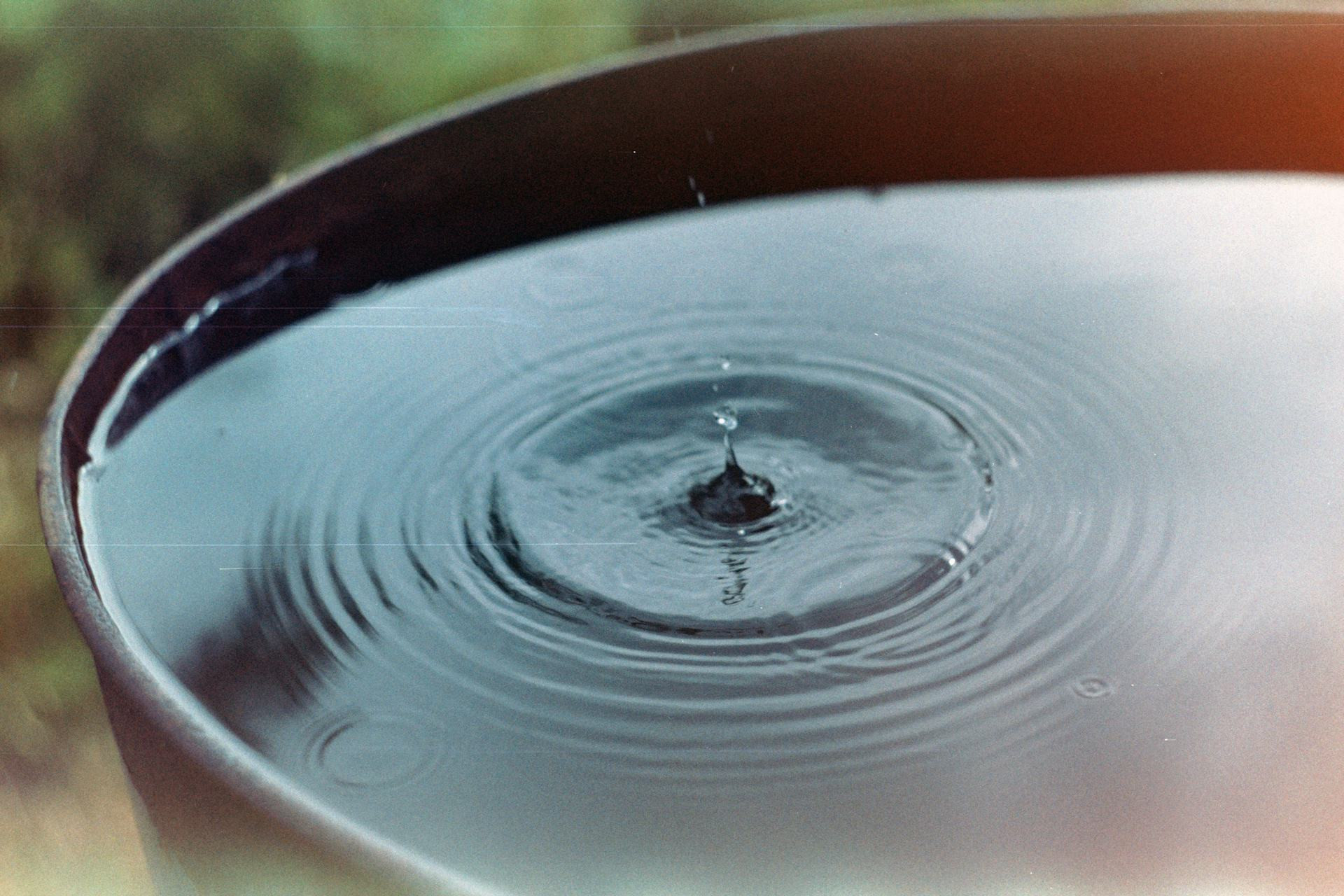
If you want to take advantage of nature’s best irrigation, consider collecting rainwater. A rain barrel connected to your downspout is an easy, eco-friendly way to store water for later use. It’s perfect for watering flower beds, vegetable gardens, and potted plants—especially during dry summer weeks.

Keep your barrel covered to prevent mosquitoes from breeding, and clean it periodically to remove debris. The result is a free, sustainable source of soft water that your plants will love.

Rainwater: Nature’s Own Plant Care

Rainwater is part of the natural cycle that plants have evolved to thrive in. It provides not only hydration but also a rhythm of wet and dry periods that encourages strong, resilient growth. By understanding how your plants react to rainwater, you can better support them through every season—whether you’re tending a backyard garden in the Midwest or a balcony full of succulents in California.

So next time it rains, let your watering can rest. Your plants will thank you for letting them drink straight from the sky.

How to choose the right type of home for your family
Are you considering changing your home type? This e-book examines the advantages and disadvantages of different types of housing, from townhouses to apartments, so that you can more easily find the type of housing that suits your familys needs and lifestyle.
Download e-book
Outdoor Dining with Seasonal Ingredients
Enjoy every season with fresh flavors and open-air dining
Outdoors
Outdoors
Outdoor Dining
Seasonal Cooking
Food Inspiration
Sustainable Living
Fresh Ingredients
7 min
Discover how to make the most of outdoor meals all year round by cooking with seasonal ingredients. From spring greens to winter comfort dishes, learn how nature’s rhythm can inspire your table and create memorable dining experiences.
Ariana Bradley
Ariana
Bradley
Hard and Soft in Harmony – How to Create Balance in Large Garden Landscapes
Discover how to blend structure and softness for a cohesive, inviting outdoor space
Outdoors
Outdoors
Garden Design
Landscape Architecture
Outdoor Living
Garden Planning
Design Inspiration
6 min
Learn how to create balance in large garden landscapes by combining hard materials like stone and concrete with the natural beauty of plants and water. This guide shows how thoughtful contrasts and unified design can transform vast outdoor areas into harmonious, livable environments.
Piper Foster
Piper
Foster
The Perfect Smoky Flavor: How to Use Wood Chips and Chunks the Right Way
Master the art of smoky cooking with the right wood and technique
Outdoors
Outdoors
Grilling
Barbecue
Smoking
Outdoor Cooking
Flavor Techniques
2 min
Discover how to achieve that irresistible smoky flavor every time you grill or smoke food. Learn the difference between wood chips and chunks, how to prepare them properly, and how to match smoke with your favorite meats, fish, and vegetables.
Lucas Young
Lucas
Young
How Your Plants React to Rainwater
Discover why a natural downpour can do wonders for your garden
Outdoors
Outdoors
Gardening
Rainwater
Plant Care
Sustainable Living
Soil Health
4 min
Rainwater is more than just free hydration for your plants—it’s a natural elixir that nourishes roots, balances soil, and supports healthy growth. Learn how your plants respond to rainfall and how you can make the most of nature’s own watering system.
Jack Brooks
Jack
Brooks
Attract Pollinators to Your Vegetable Garden – Nature’s Own Helpers
Turn your vegetable patch into a buzzing paradise for bees, butterflies, and other vital garden guests
Outdoors
Outdoors
Pollinators
Vegetable Garden
Sustainable Gardening
Bees
Wildlife Gardening
6 min
Discover how to attract pollinators that help your vegetables thrive. With simple steps like planting nectar-rich flowers, offering shelter, and avoiding pesticides, you can create a vibrant, productive garden that supports both nature and your harvest.
Amelia Ortiz
Amelia
Ortiz
When Technology Meets Aesthetics: The Changing Modern Home Style
Discover how technology and design merge to redefine the modern living space
Trends
Trends
Smart Home
Interior Design
Modern Living
Home Technology
Sustainable Design
3 min
From smart lighting to sustainable materials, technology is reshaping the way we live and decorate. Explore how innovation and aesthetics come together to create homes that are both functional and beautiful.
Ariana Bradley
Ariana
Bradley
Mindful Decorating with Plants – Create Calm and Presence in Your Home
Bring harmony and mindfulness into your home with the natural beauty of plants
Trends
Trends
Mindful Living
Home Decor
Indoor Plants
Wellness
Interior Design
7 min
Discover how thoughtful plant placement and care can transform your home into a peaceful retreat. Learn how to decorate mindfully with greenery to create balance, presence, and a deeper connection to nature.
Piper Foster
Piper
Foster
Transform Your Space with Simple Renovation Ideas
Refresh your home with easy updates that make a big difference
Trends
Trends
Home Renovation
Interior Design
DIY
Home Improvement
Decorating Ideas
3 min
Discover how small, budget-friendly renovation ideas can completely transform your home. From color and lighting to surfaces and details, learn simple ways to create a space that feels new, functional, and uniquely yours.
Lucas Young
Lucas
Young
How to Create a Functional Home After the Kids Have Moved Out
Redefine your living space and make your home truly yours again
Trends
Trends
Home Design
Empty Nest
Interior Inspiration
Decluttering
Lifestyle
5 min
When the kids have moved out, your home enters a new phase—full of space, opportunity, and potential. Discover how to transform empty rooms, declutter with purpose, and design a flexible, comfortable home that reflects your lifestyle today.
Jack Brooks
Jack
Brooks