Hard and Soft in Harmony – How to Create Balance in Large Garden Landscapes

Hard and Soft in Harmony – How to Create Balance in Large Garden Landscapes
Expansive gardens can be breathtaking, but without the right balance between hard and soft elements, they can easily feel cold or overwhelming. Stone, concrete, and architectural structures provide order and direction, while plants, lawns, and water bring life and movement. The art lies in blending these two worlds so the landscape feels both intentional and natural. Here’s how to create harmony in large outdoor spaces—whether you’re designing a new property or refreshing an established garden.
Begin with the Big Picture – Think in Zones
In large landscapes, it’s essential to think in terms of overall flow rather than isolated details. Consider how different areas connect and how people will move through them. Create distinct zones with specific purposes—a dining terrace, a vegetable garden, a quiet retreat by the water, or an open lawn for play and gatherings.
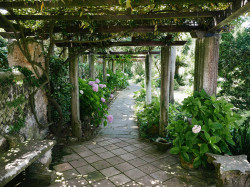
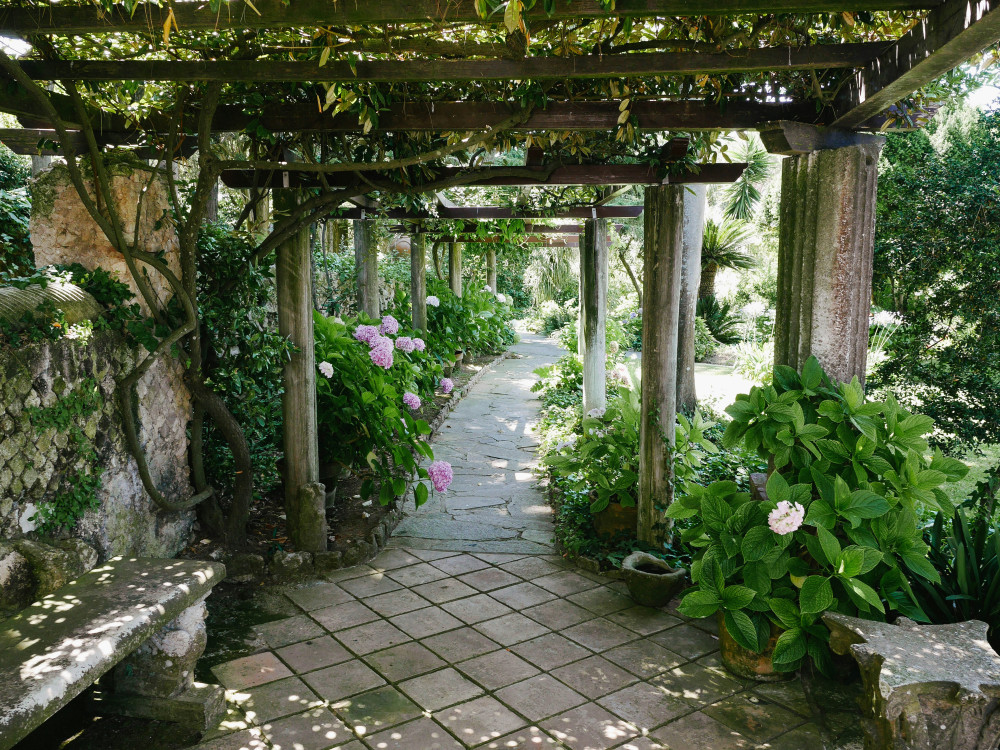
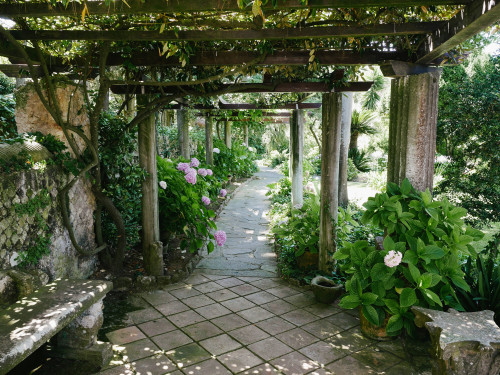
Hardscape elements such as patios, walkways, and retaining walls define these zones and guide movement. Softscape elements—plants, shrubs, and groundcovers—unify the spaces and soften transitions. When planning, repeat certain materials and plant types throughout the property to create a sense of cohesion.
Use Contrast with Intention
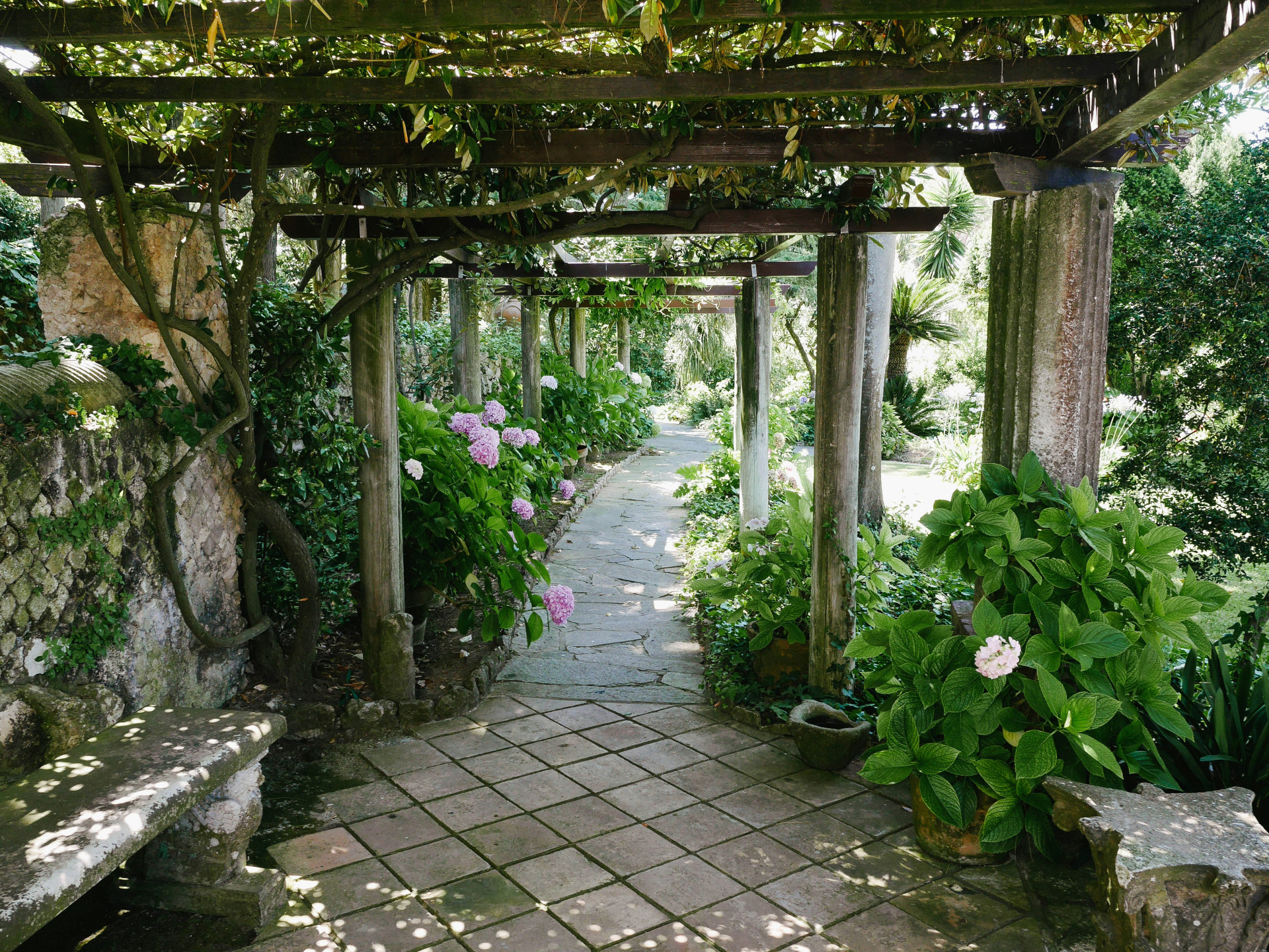
Contrast is the key to balance. A sleek stone path gains warmth when bordered by ornamental grasses or lavender. A crisp hedge becomes more inviting when paired with flowering shrubs or a small tree with airy foliage. The goal isn’t to minimize differences but to let them enhance one another.
- Hard meets soft: Pair pavers with creeping groundcovers that spill between the joints.
- Light meets dark: Combine pale stone with deep green foliage—or the reverse—to add depth.
- Structured meets wild: Let a neatly trimmed hedge flow into a looser, more natural planting bed.
When contrasts are thoughtfully balanced, the garden feels both dynamic and serene.
Læs også:

Choose Materials That Speak the Same Language
Material selection has a major impact on the overall impression. In large gardens, too many surface types can feel chaotic. Choose a few key materials that complement your home’s architecture and the surrounding environment.
Natural stone, brick, and wood bring warmth and texture, while concrete and steel can add a contemporary edge. The most successful designs allow materials and plants to complement each other—a weathered stone wall looks beautiful with native perennials, while a smooth concrete terrace pairs well with minimalist plantings in shades of green and silver.
Also consider how materials age. A garden becomes more beautiful over time when surfaces develop character and plants grow into the structure.
Plants That Create Rhythm and Calm
In large landscapes, plants can lose impact if used without rhythm or repetition. Select a few signature species and repeat them across the property to create unity. Layer in seasonal variations for year-round interest.
Grasses, shrubs, and perennials of varying heights and textures add movement and softness. Trees serve as vertical anchors, providing structure and shade. Pay attention to color harmony—multiple shades of green create calm, while carefully chosen blooms add energy without overwhelming the scene.
Water as a Unifying Element
A pond, reflecting pool, or even a simple fountain can tie the entire landscape together. Water reflects light, introduces sound, and attracts wildlife. In large gardens, it can serve as a focal point that balances hard surfaces with lush plantings.
Even a modest water feature can make a big impact. The key is placement—water should feel like a natural part of the design, not an afterthought.
Connect House and Garden
A harmonious landscape begins at the house. The materials and colors used in your home should be echoed outdoors—through paving, wood tones, or plant palettes. This creates a seamless transition between indoor and outdoor spaces.
Patios and walkways can act as bridges between the home’s architecture and the garden’s organic forms. When hard and soft elements meet in a smooth flow, the garden feels like an extension of the home rather than a separate space.
A Landscape That Evolves
Creating balance in a large garden is not a one-time project but an ongoing process. Plants grow, materials weather, and light changes with the seasons. That evolution is what makes a garden truly alive. By thinking in terms of unity, repetition, and contrast, you can design a landscape that feels both intentional and natural—a place where hard and soft exist in perfect harmony.
Læs også: