Avoid Carbon Monoxide Poisoning – How to Use Wood Stoves and Gas Appliances Safely

Avoid Carbon Monoxide Poisoning – How to Use Wood Stoves and Gas Appliances Safely
Carbon monoxide (CO) is an invisible, odorless gas that can be deadly if it builds up inside your home. It’s produced when fuels such as wood, gas, or charcoal don’t burn completely. Leaks can occur from wood stoves, furnaces, water heaters, or gas appliances that aren’t properly installed or maintained. Every year, hundreds of Americans die from carbon monoxide poisoning—tragedies that could often be prevented with simple precautions. Here’s how to keep your home warm and safe.
What Is Carbon Monoxide – and Why Is It Dangerous?
Carbon monoxide forms when there isn’t enough oxygen for complete combustion. Unlike smoke, you can’t see or smell it, which makes it especially dangerous. When inhaled, CO binds to hemoglobin in your blood, preventing oxygen from reaching your organs and tissues. Even small amounts can cause headaches, dizziness, nausea, and confusion. Prolonged exposure or high concentrations can lead to unconsciousness and death.
Because symptoms can mimic the flu or fatigue, it’s important to recognize the warning signs and act quickly if you suspect a problem.
Using a Wood Stove Safely
A wood stove can make your home cozy, but improper use can lead to smoke and carbon monoxide buildup. Follow these safety tips:
- Burn only dry, seasoned wood. Wet or green wood burns poorly and produces more smoke and CO.
- Keep air vents open. The fire needs oxygen to burn cleanly—never close the damper completely.
- Start fires from the top down. This method helps the fire burn hotter and cleaner.
- Have your chimney cleaned and inspected annually. Creosote buildup or blockages can trap dangerous gases inside.
- Watch the flame. A bright, steady flame indicates good combustion; a smoky or flickering flame may signal a problem.
If you feel dizzy, nauseated, or develop a headache while using your stove, extinguish the fire, open windows, and leave the area immediately. Have the stove and chimney checked by a certified professional before using them again.
Gas Appliances Require Extra Care
Gas furnaces, stoves, water heaters, and space heaters are convenient, but they must be used correctly to prevent CO leaks—especially in enclosed spaces.
- Never use outdoor gas appliances indoors. Grills, camp stoves, and patio heaters are for outdoor use only.
- Ensure proper ventilation. When cooking on a gas range, use your exhaust fan or open a window.
- Check the flame color. A blue flame means the gas is burning efficiently. A yellow or orange flame can indicate incomplete combustion.
- Schedule regular maintenance. Have a qualified technician inspect and service your gas appliances every year.
- Store propane tanks safely. Keep them upright, outdoors, and away from heat sources.
Install Carbon Monoxide Alarms
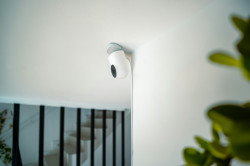
The most reliable way to detect carbon monoxide is with a CO alarm. It works like a smoke detector but senses CO in the air.
- Place alarms correctly. Install one on every level of your home, especially near sleeping areas and any room with a fuel-burning appliance.
- Test alarms monthly. Press the test button to ensure they’re working, and replace batteries as recommended.
- Replace alarms every 5–7 years. Sensors lose sensitivity over time, so check the manufacturer’s instructions.
A carbon monoxide alarm is a small investment that can save lives.
Know the Symptoms – and Act Fast
If you or anyone in your household experiences sudden headache, dizziness, nausea, confusion, or shortness of breath, it could be carbon monoxide poisoning. Take these steps immediately:
- Turn off all fuel-burning appliances.
- Open doors and windows to ventilate the area.
- Leave the building and call 911.
- Tell emergency responders you suspect carbon monoxide exposure.
Do not re-enter your home until professionals confirm it’s safe.
Læs også:
Safety Starts with Good Habits
Most carbon monoxide incidents happen because of overlooked maintenance or poor ventilation. Make it a habit to have your heating systems, chimneys, and gas appliances inspected every year—ideally before the heating season begins.
With a few precautions and a working CO alarm, you can enjoy the warmth of your wood stove or gas appliances safely, knowing your home and family are protected.
Læs også: