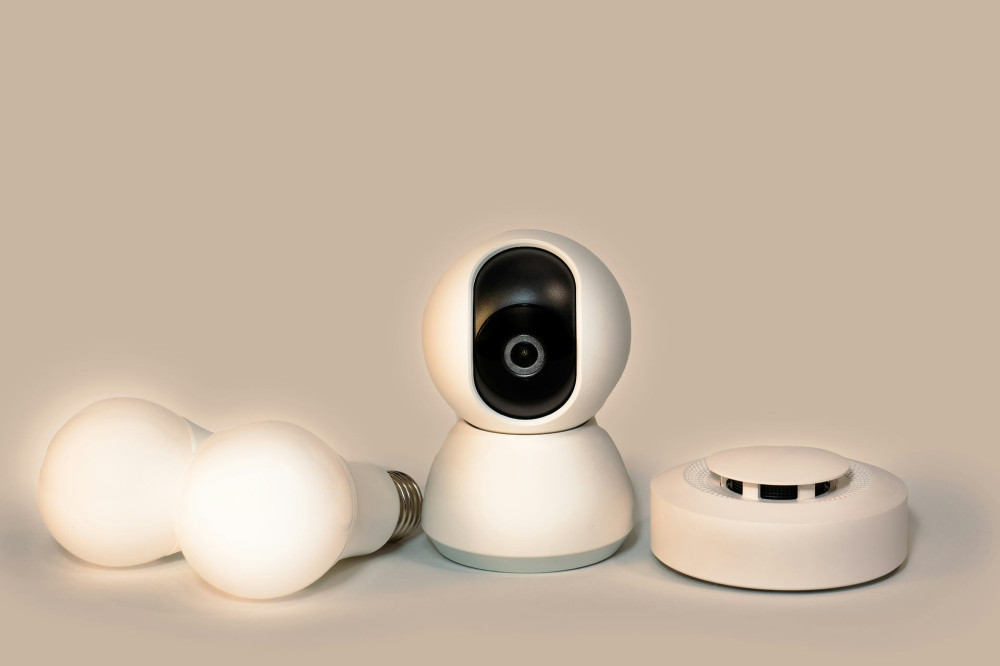
How a Smoke and Fire Alarm Works in Your Home

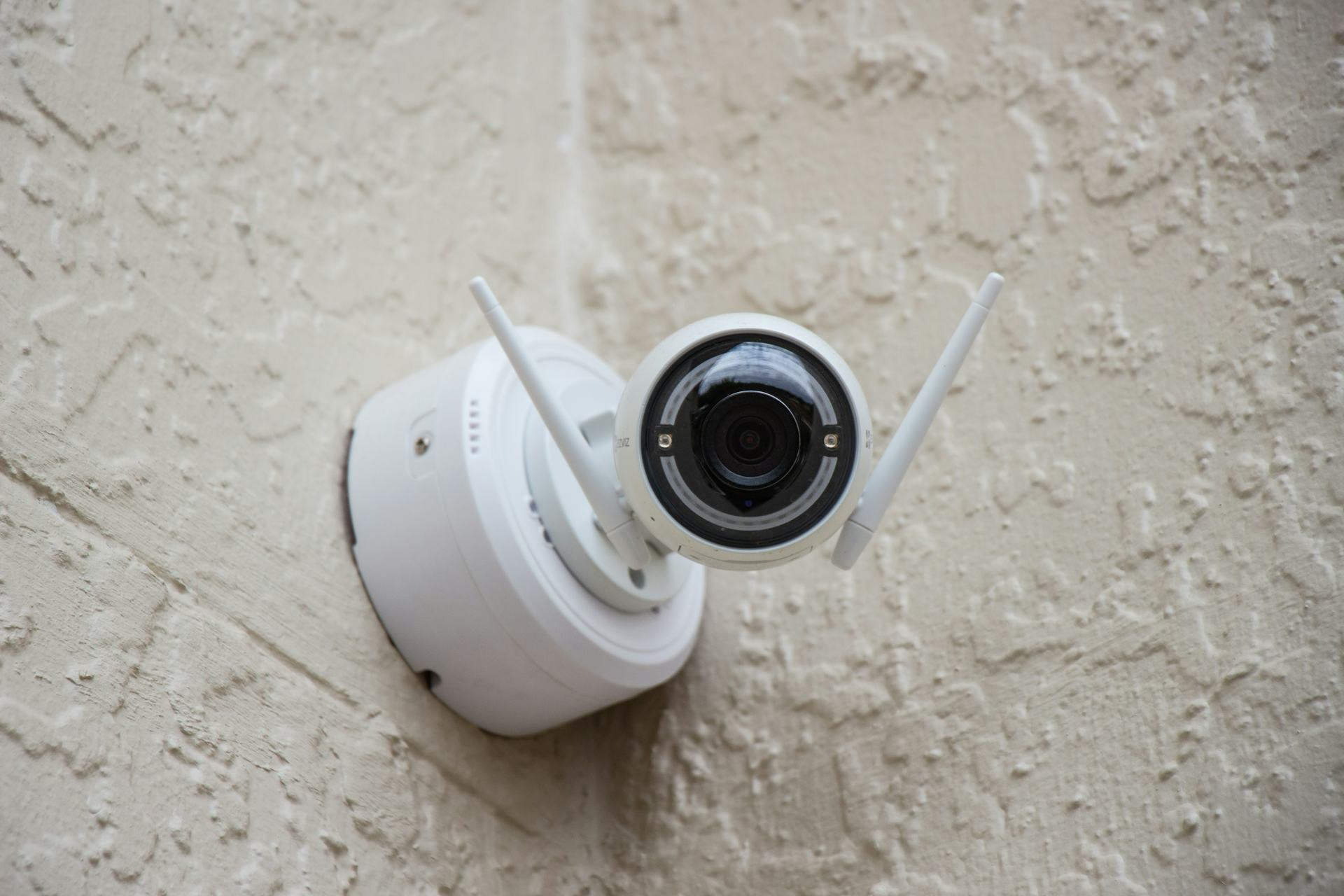
How a Smoke and Fire Alarm Works in Your Home
A smoke and fire alarm is one of the most important safety devices you can have in your home. It can save lives by warning you early if a fire starts, giving you time to act before smoke and flames become dangerous. But how does a smoke alarm actually work, and what should you do to make sure it’s ready when you need it? Here’s a look at the technology behind these life-saving devices and how to keep them in top condition.
Two Main Types of Smoke Alarms
Most smoke alarms for residential use rely on one of two detection methods: ionization or photoelectric sensors.
-
Ionization smoke alarms detect tiny particles from fast-flaming fires, such as those caused by paper or wood. Inside the alarm, a small amount of radioactive material creates an electrical current between two plates. When smoke enters the chamber, it disrupts the current, triggering the alarm. These alarms are very sensitive to small particles but are less common today due to disposal regulations and environmental concerns.
-
Photoelectric smoke alarms use a light beam and a sensor. When smoke enters the chamber, it scatters the light, which the sensor detects, setting off the alarm. Photoelectric alarms are especially good at detecting smoldering fires, such as those from electrical wiring or upholstery.
Many modern models are dual-sensor alarms, combining both technologies to detect both fast and slow-burning fires. Some also include carbon monoxide (CO) sensors for added protection.
How the Alarm Responds
When smoke is detected, the alarm emits a loud, piercing sound—usually at least 85 decibels—to alert everyone in the home. Some models also include flashing lights, which are helpful for people with hearing impairments or in noisy environments.
In newer systems, alarms can be interconnected, meaning if one alarm goes off, all alarms in the home sound simultaneously. This feature provides extra warning time, especially in multi-story homes.
Power Supply and Maintenance
Smoke alarms can be battery-powered or hardwired into your home’s electrical system. Battery-powered models are easy to install but require regular battery replacement—typically once a year. Many newer alarms come with sealed lithium batteries that last up to 10 years.
Hardwired alarms usually have a backup battery so they continue to work during a power outage. Regardless of type, you should test your alarms monthly by pressing the test button to ensure they’re functioning properly.
It’s also a good idea to note the installation date. Most manufacturers recommend replacing the entire unit every 8–10 years, as sensors can lose sensitivity over time.
Placement: Where to Install Alarms
Proper placement is key to effective protection. Follow these basic guidelines:
- Install at least one smoke alarm on every level of your home, including the basement.
- Place alarms inside each bedroom and outside sleeping areas.
- Avoid installing alarms too close to kitchens or bathrooms, where cooking fumes or steam can cause false alarms.
- Mount alarms on the ceiling, at least 4 inches away from the wall, since smoke rises and collects near the ceiling first.
In larger homes, additional alarms may be needed to ensure full coverage.
Læs også:
Smart Alarms and Connected Systems
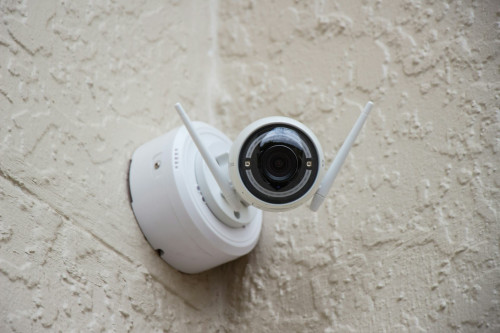
In recent years, smart smoke alarms have become increasingly popular. These devices connect to your Wi-Fi and can send alerts to your smartphone if the alarm sounds. Some can even notify you when the battery is low or when maintenance is needed.
When integrated with a smart home system, alarms can trigger other safety actions—such as turning on lights, unlocking doors, or notifying emergency contacts. This added connectivity enhances safety and peace of mind, especially when you’re away from home.
What to Do When the Alarm Sounds
If your smoke alarm goes off, act quickly and calmly:
- Check for smoke or fire. If there’s a fire, leave the house immediately.
- Close doors behind you to slow the spread of flames and smoke.
- Call 9-1-1 once you’re safely outside.
- Do not re-enter the home until firefighters say it’s safe.
It’s wise to create a family escape plan so everyone knows how to exit the home and where to meet outside.
A Small Investment That Saves Lives
Smoke and fire alarms are inexpensive but can make a life-or-death difference in an emergency. According to the U.S. Fire Administration, the risk of dying in a home fire is cut in half when working smoke alarms are present.
By choosing the right type of alarm, installing it correctly, and keeping it maintained, you can rest easier knowing your home and family are protected—day and night.
Læs også: