Surveillance as a Natural Part of the Safe Home of the Future

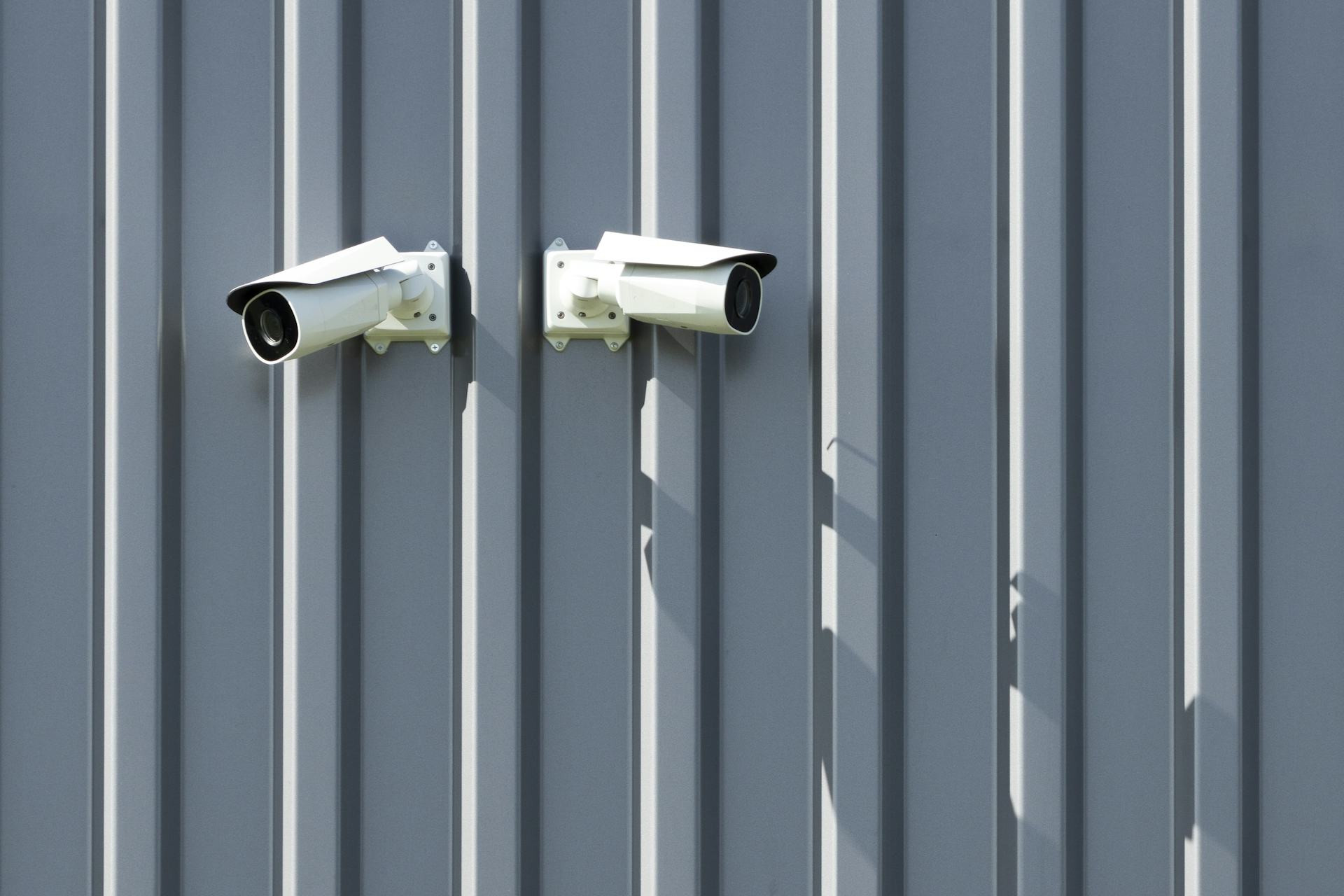
Surveillance as a Natural Part of the Safe Home of the Future
As technology continues to evolve, so does our understanding of what it means to feel safe at home. Where we once relied on sturdy locks, neighborhood watch programs, and maybe a loyal dog, surveillance has now become a natural part of many American households. Cameras, sensors, and smart systems are no longer reserved for businesses or public spaces—they’ve moved into our living rooms, driveways, and doorbells. But what does this shift mean for our sense of security, and how can surveillance become an integrated and positive part of the home of the future?
From Locks and Alarms to Smart Security
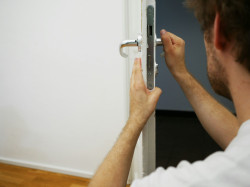
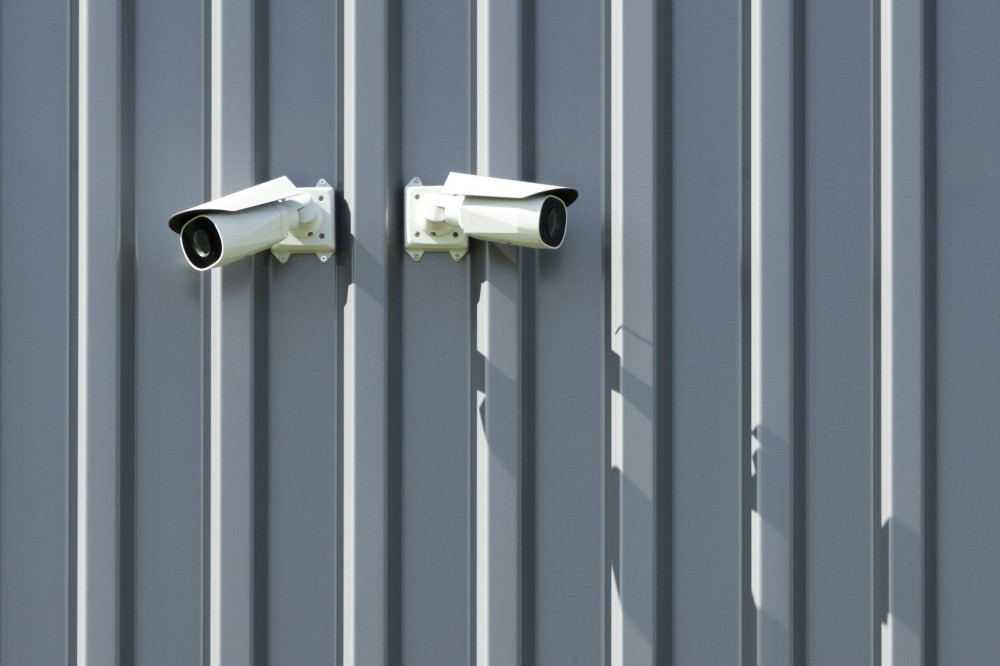
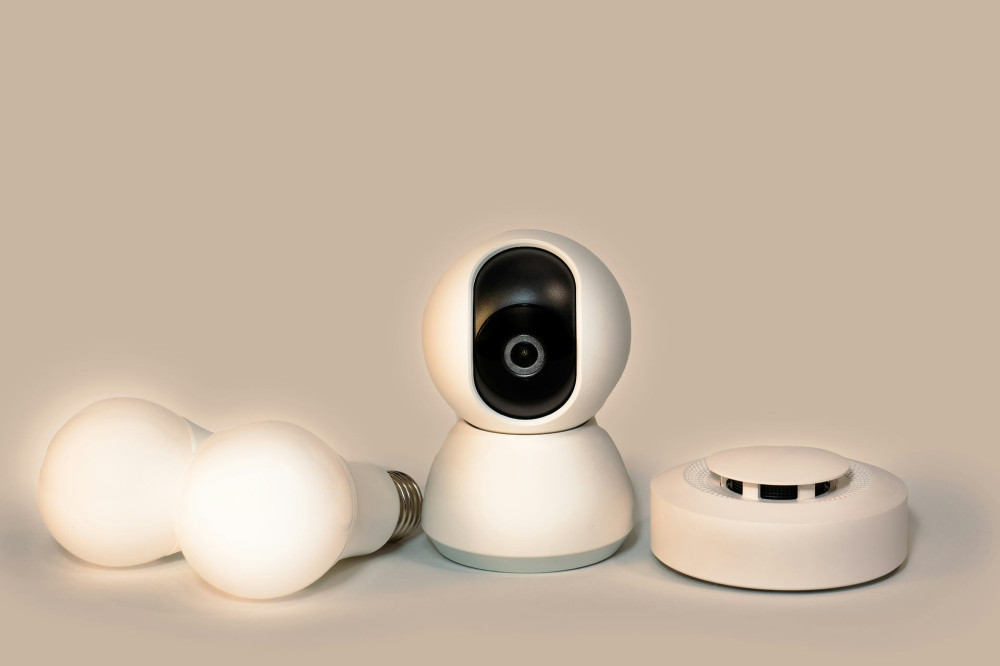
For decades, home security was about physical barriers: solid doors, window locks, and perhaps a loud alarm to scare off intruders. Today, safety is increasingly digital. Smart surveillance systems can detect motion, recognize faces, and send alerts directly to your phone if something seems unusual.
This means you can keep an eye on your home whether you’re at work, on vacation, or simply in another room. For many, this brings a sense of control and peace of mind. Surveillance is no longer just a defense against break-ins—it’s part of a broader experience of comfort and awareness.
Læs også:
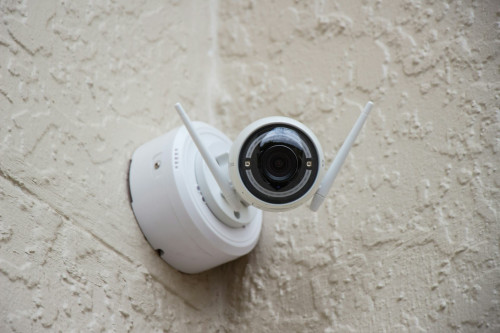
Surveillance as Part of Everyday Life
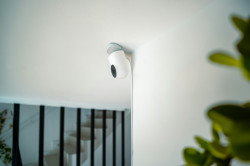
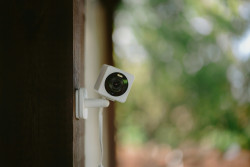
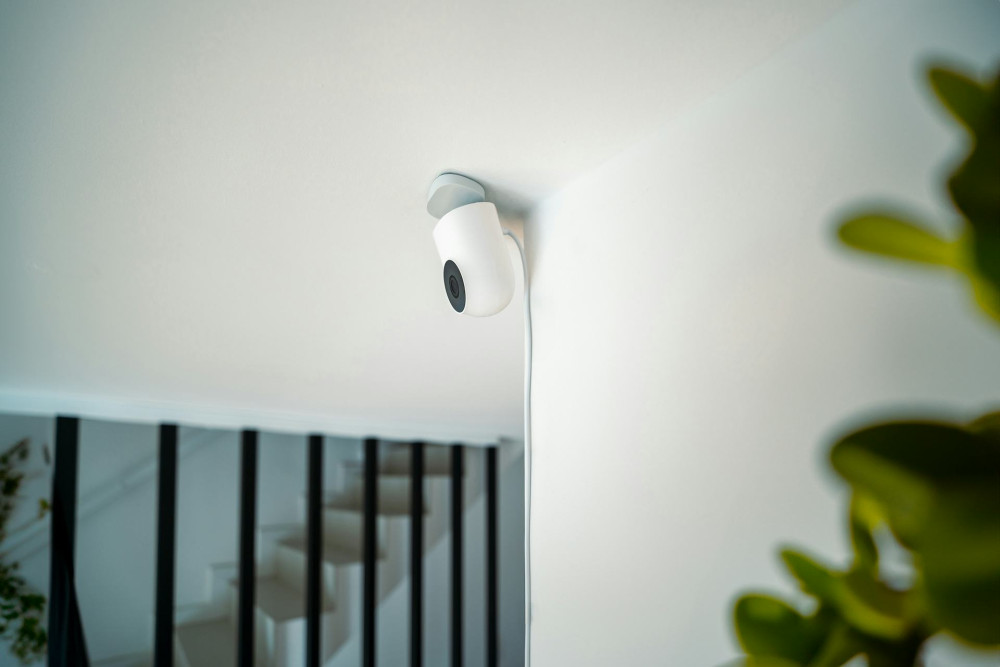
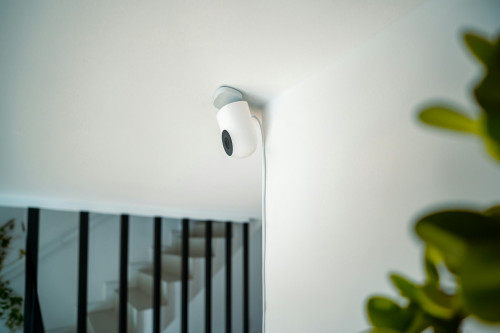
Modern surveillance solutions are designed to be discreet, intuitive, and easy to use. A small camera by the front door, a motion sensor in the backyard, or a video doorbell can quickly become as natural a part of the home as the thermostat or smoke detector.
Many systems can connect with other smart devices: lights can turn on automatically when motion is detected, or you can receive a notification when your kids arrive home from school. In this way, surveillance becomes not only a safety tool but also a practical assistant in daily life.
Balancing Privacy and Trust
While technology offers new possibilities, it also raises important questions about privacy and boundaries. How much surveillance is too much? And how can we ensure that personal data is protected?
For most homeowners, it’s about finding balance. Surveillance should create safety—not anxiety. Transparency and control are key: you should know who has access to your recordings and how they’re stored. Many U.S. manufacturers now emphasize encryption, local storage, and user ownership of data, giving homeowners confidence that their information stays private.
Security as a Holistic Experience
The home of the future isn’t just about physical safety—it’s about a sense of well-being that includes comfort, convenience, and predictability. Surveillance can play a role in that, not as a symbol of fear or mistrust, but as a tool for peace of mind.
When used thoughtfully, technology can give us more freedom: the freedom to travel without worry, to let kids play outside, or to know that everything is fine at home even when we’re away. In this sense, surveillance becomes less about control and more about care.
The Safe Home of Tomorrow
In the coming years, surveillance will likely become even more integrated into our homes. Artificial intelligence will be able to distinguish between normal and unusual activity, and systems will respond automatically—perhaps by alerting the homeowner or contacting emergency services if something seems wrong.
But technology alone doesn’t create safety. It’s how we use it that matters. When surveillance becomes a natural, thoughtful, and respectful part of the home, it can help us achieve what we all seek: a place where we feel secure—both physically and emotionally.
Læs også: