Classic Design Principles in Modern Chairs – Timeless Quality

Classic Design Principles in Modern Chairs – Timeless Quality
When you sit down in a chair, you’re not just taking a seat—you’re engaging with a piece of design history. The chair is one of the most essential and expressive objects in any home, where function, aesthetics, and craftsmanship meet. Today, a new generation of designers is reinterpreting classic design principles for modern living. It’s not about nostalgia, but about continuing a tradition of quality, simplicity, and human-centered design.
Function Before Form – With Beauty as the Goal
One of the most enduring principles in classic furniture design is that function should always come before form. A chair must first be comfortable, stable, and durable. Once those needs are met, form can elevate the experience.
Modern designers still embrace this philosophy. They use ergonomic research and innovative materials to create chairs that support the body naturally—without sacrificing visual appeal. The result is furniture that looks light, feels effortless, and fits seamlessly into everyday life.
Læs også:
Honesty in Materials
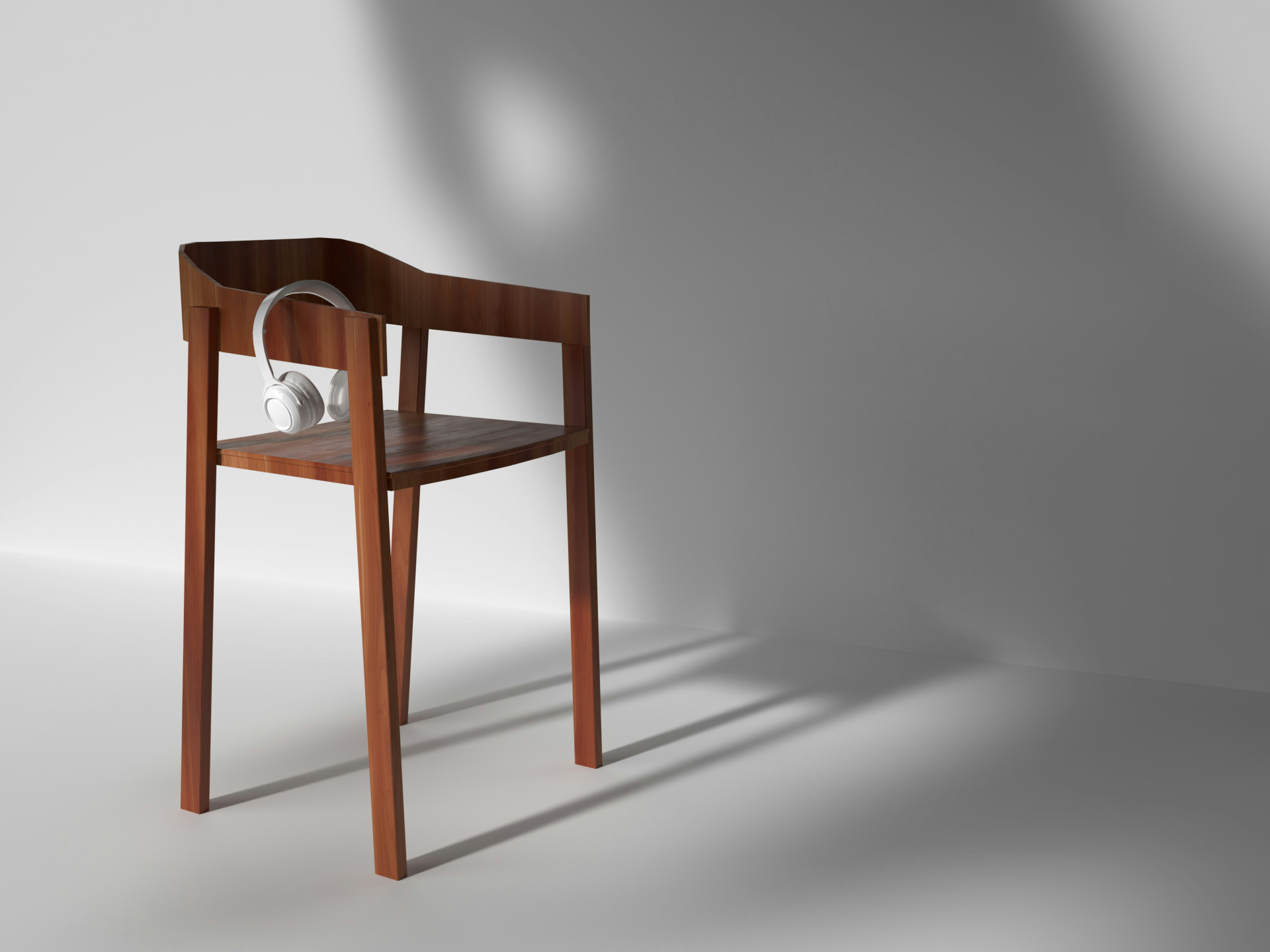
Classic design celebrates the inherent beauty of materials. Instead of hiding the grain of wood or the texture of metal, these qualities are highlighted as part of the design’s character. This honesty creates authenticity and a tactile sense of quality.
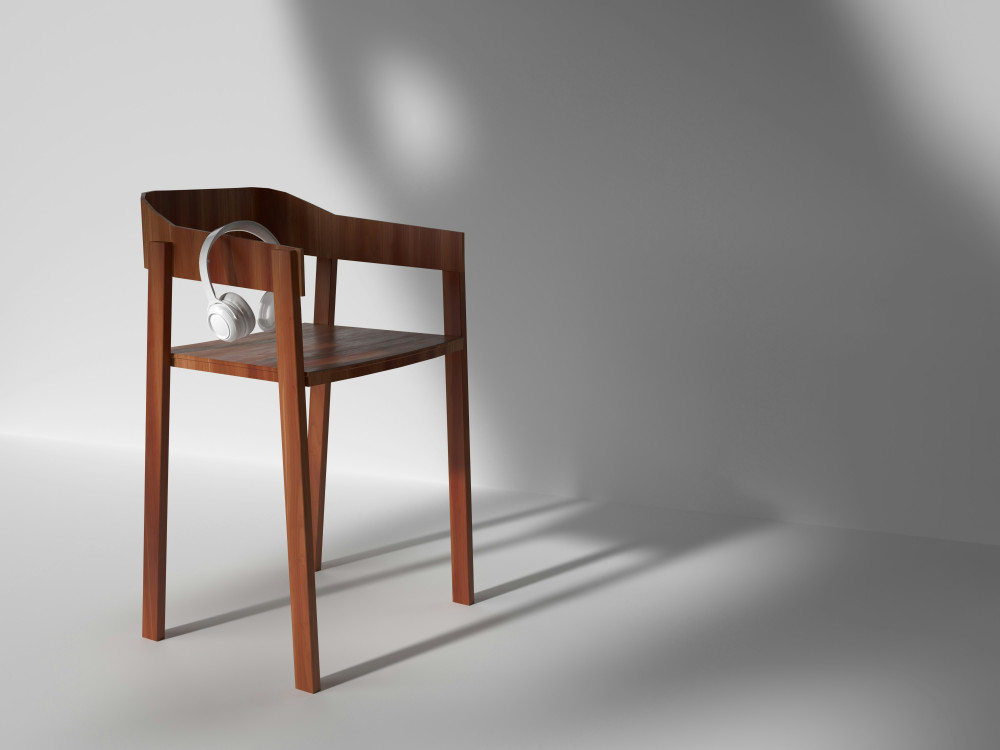
In today’s modern chairs, this approach is reflected in the use of solid wood, molded plywood, leather, and natural finishes. By combining traditional materials with contemporary production methods, designers achieve pieces that are both timeless and sustainable. Many also prioritize responsibly sourced wood and recyclable components—a natural extension of the classic respect for materials.
Simplicity and Proportion
Simplicity doesn’t mean plainness. In fact, it takes great skill to design a chair where every line and angle serves a purpose. The great masters of design—from Charles and Ray Eames to George Nakashima—worked with proportions rooted in the human body. That same approach continues to inspire today’s designers.
Modern chairs often feature clean lines, balanced forms, and an absence of unnecessary ornamentation. This simplicity allows them to fit into a wide range of interiors and styles—and to age gracefully, unaffected by passing trends.
Craftsmanship Meets Technology
While classic chairs were shaped by the precision of handcraft, today’s designers have access to advanced technology. CNC milling, 3D printing, and innovative joinery techniques make it possible to refine details and reduce waste. Yet the best results come when technology and craftsmanship work hand in hand.
A modern chair may be produced industrially, but it can still carry the warmth and precision of human touch. This balance between innovation and tradition is what gives many contemporary chairs their enduring appeal.
Timelessness as a Design Goal
Timelessness can’t be designed directly—it’s the outcome of thoughtful choices. When a chair is created with respect for function, materials, and proportion, it gains a quiet balance that lasts for decades. That’s why many classic chairs are still in production today, and why modern designers strive to create pieces that could become the classics of tomorrow.
Choosing a chair built on classic design principles is more than an aesthetic decision—it’s a sustainable one. A well-made chair that endures both physically and visually is an investment in a home that feels right for years to come.
Læs også: