How to Choose Chairs That Match the Room’s Lighting and Atmosphere

How to Choose Chairs That Match the Room’s Lighting and Atmosphere
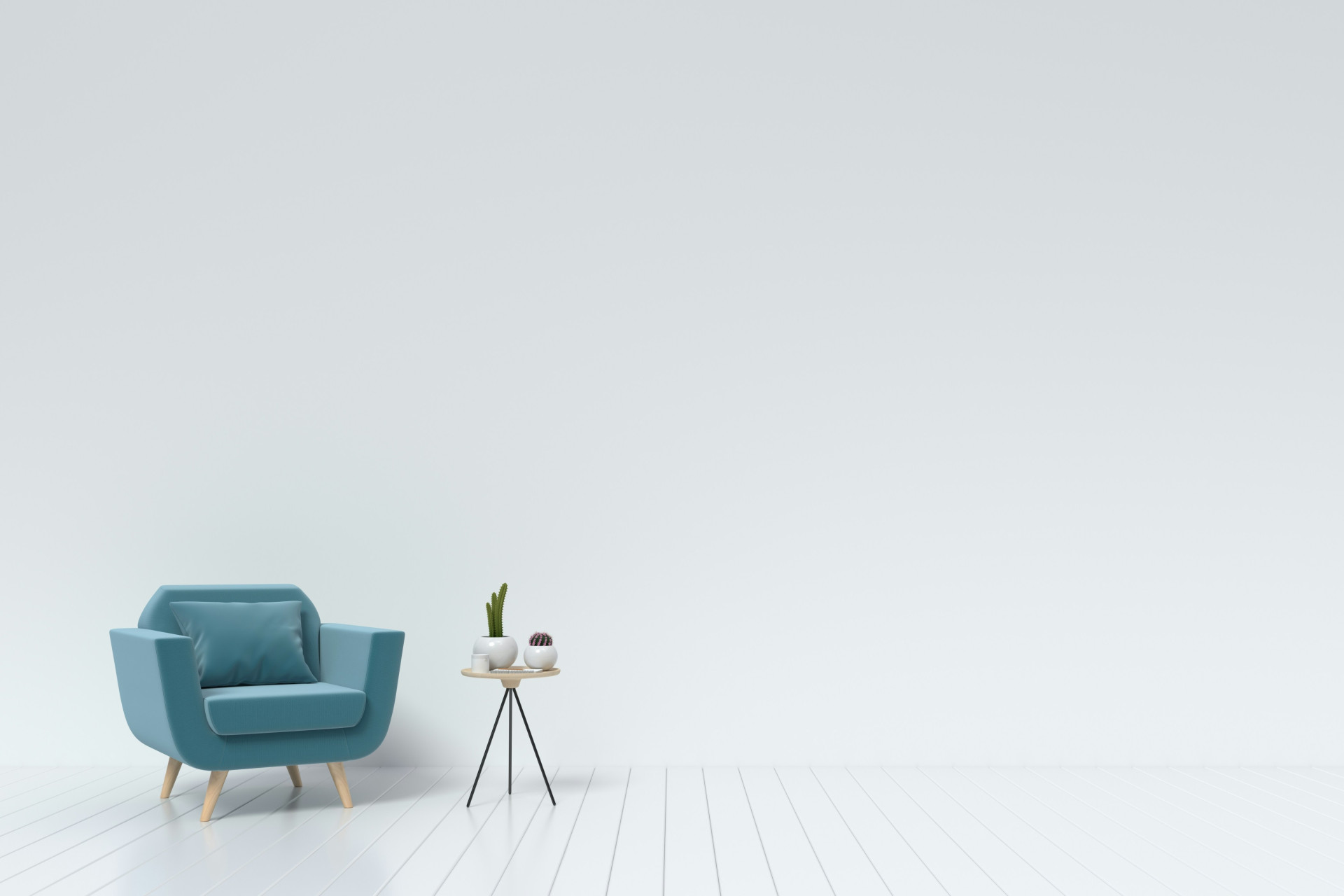
Choosing the right chairs isn’t just about comfort or style—it’s about how they interact with the light and mood of your space. Lighting can dramatically change how colors, materials, and shapes appear, so it’s worth considering how your chairs will look and feel under different conditions. Here’s a guide to help you select chairs that harmonize with your room’s lighting and create the atmosphere you want.
Understand the Room’s Lighting
Before you pick out chairs, take a moment to study how light behaves in your space. Natural daylight and artificial lighting affect colors and materials in very different ways.
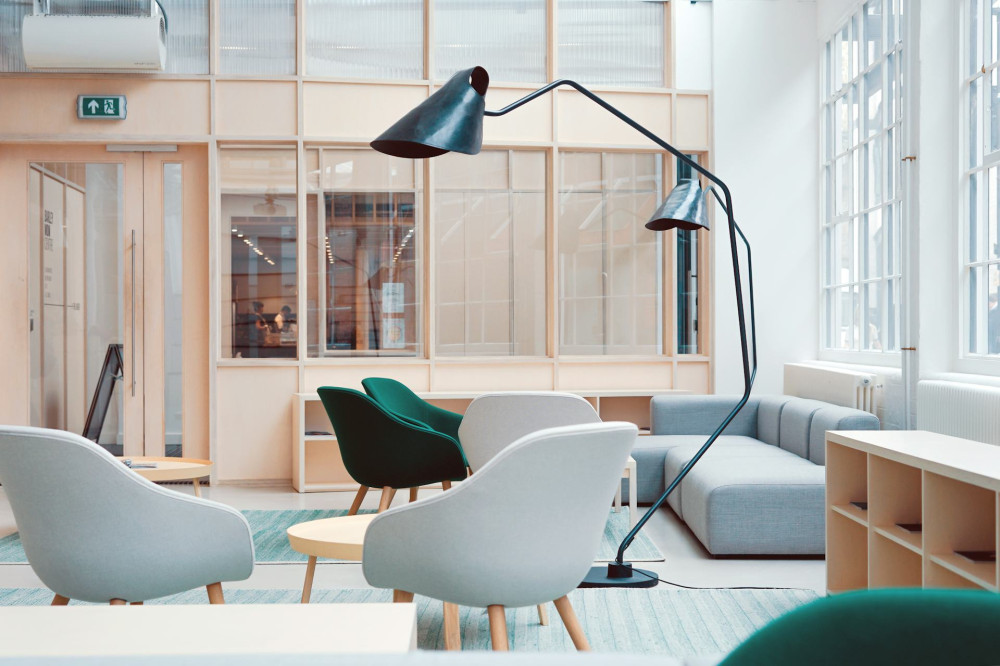
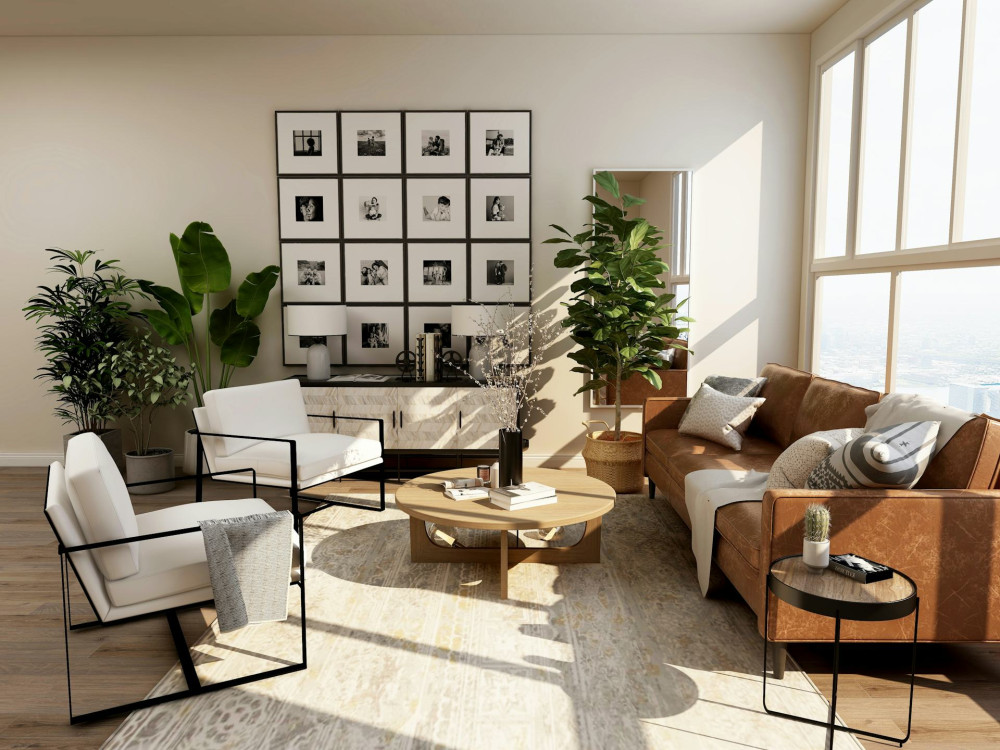
- Natural light: Rooms with large windows or skylights tend to make colors appear more vibrant and true. In these spaces, you can go for darker or richer chair tones—navy, walnut, or deep green—without making the room feel heavy.
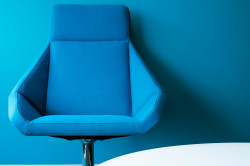
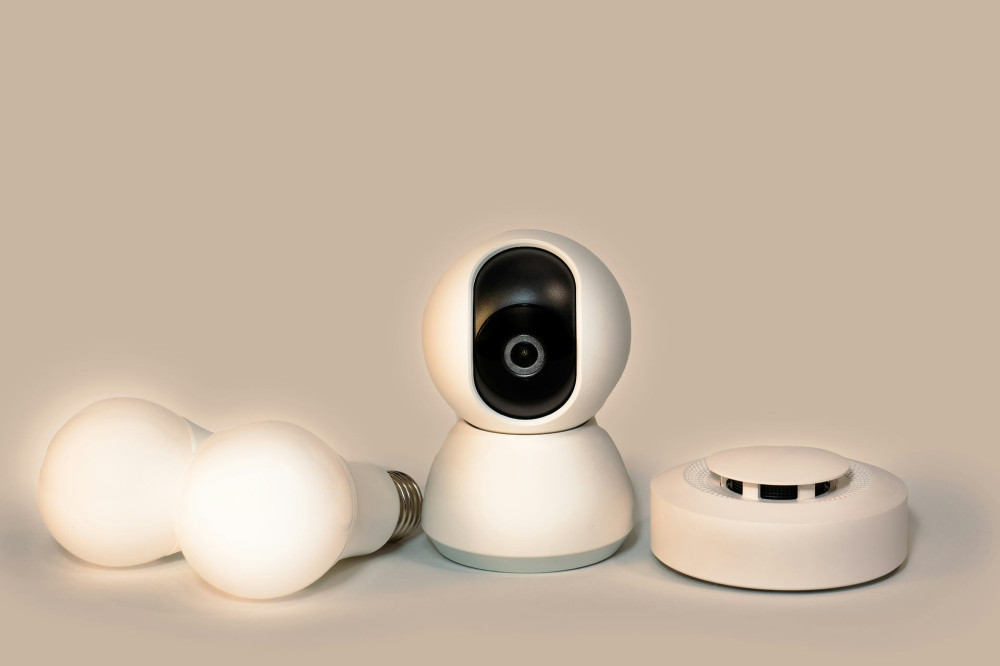
- Artificial light: In rooms that rely mostly on lamps or overhead fixtures, pay attention to the color temperature of your bulbs. Warm light (with a yellow or amber tone) enhances wood and warm hues, creating a cozy feel. Cool light (with a bluish tone) works better with sleek materials like metal, glass, or molded plastic, giving a crisp, modern look.
Notice how the light changes throughout the day. A chair that looks perfect in morning sunlight might feel completely different under evening lighting.
Match Materials to the Mood
The material of your chairs plays a big role in how the room feels—not just visually, but in how it interacts with light.
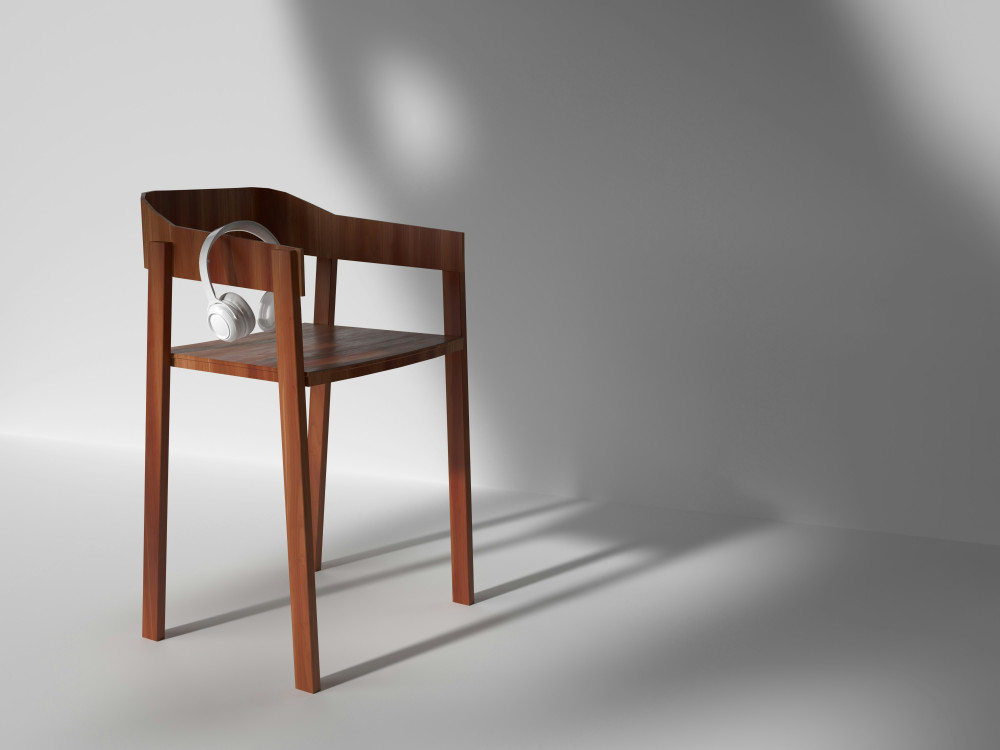
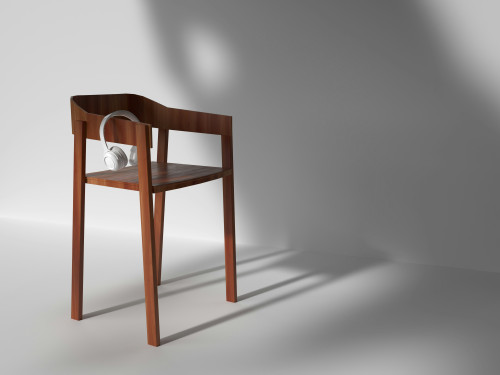
- Wood adds warmth and a natural touch. It pairs beautifully with soft, warm lighting and creates a welcoming, relaxed atmosphere.
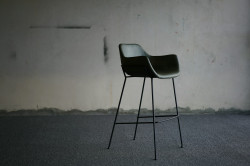
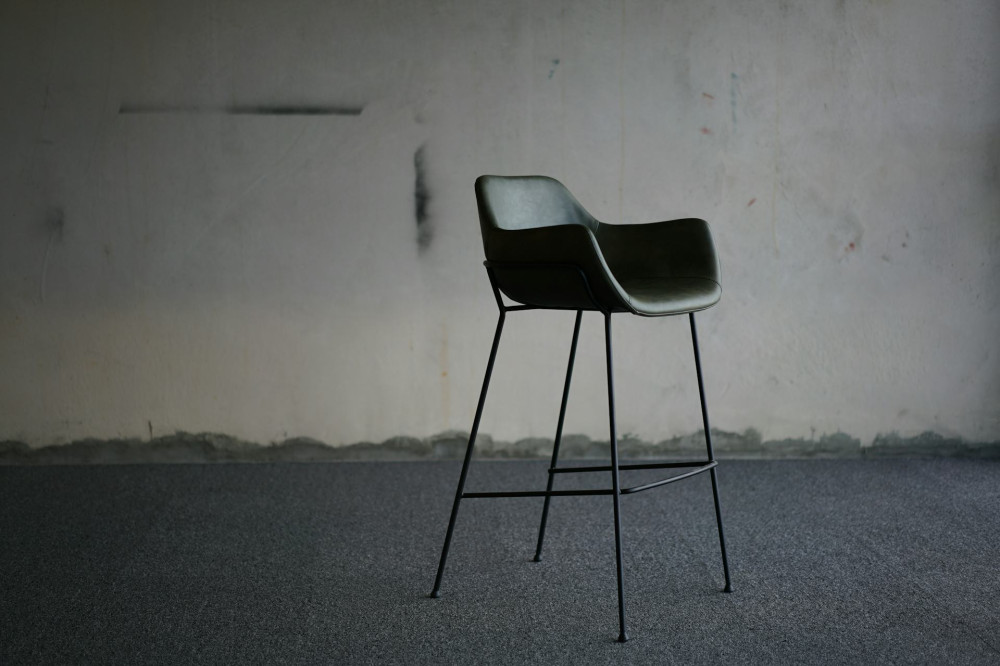
- Metal reflects light and gives a more industrial or contemporary vibe. It works well in spaces with cooler, brighter lighting.
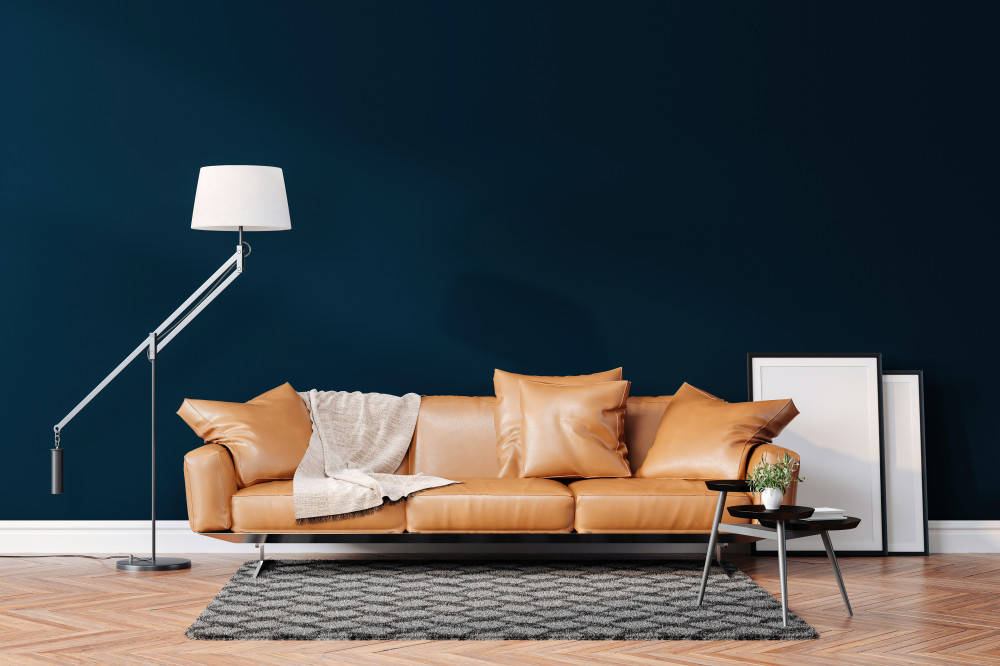
- Upholstered chairs in fabric or leather absorb light, softening the room and making it feel more intimate. They’re ideal for dining rooms or living areas where comfort and coziness matter.
- Plastic or lacquered finishes reflect light and can make a space feel fresh and airy—great for kitchens, home offices, or casual dining areas.
Think about how the chair’s surface interacts with your floors, walls, and light fixtures. A matte finish can tone down a bright room, while a glossy surface can bring life to a dim corner.
Choose Colors That Work With the Light
Colors shift depending on the lighting, so always test color samples in the actual room before deciding.
- In darker rooms with limited daylight, lighter chairs—white, cream, or pale wood—can open up the space and make it feel larger.
- In bright rooms, darker chairs can add contrast and depth, preventing the space from feeling too stark.
- For a warm, inviting atmosphere, choose colors with red, orange, or golden undertones—they glow beautifully under warm light.
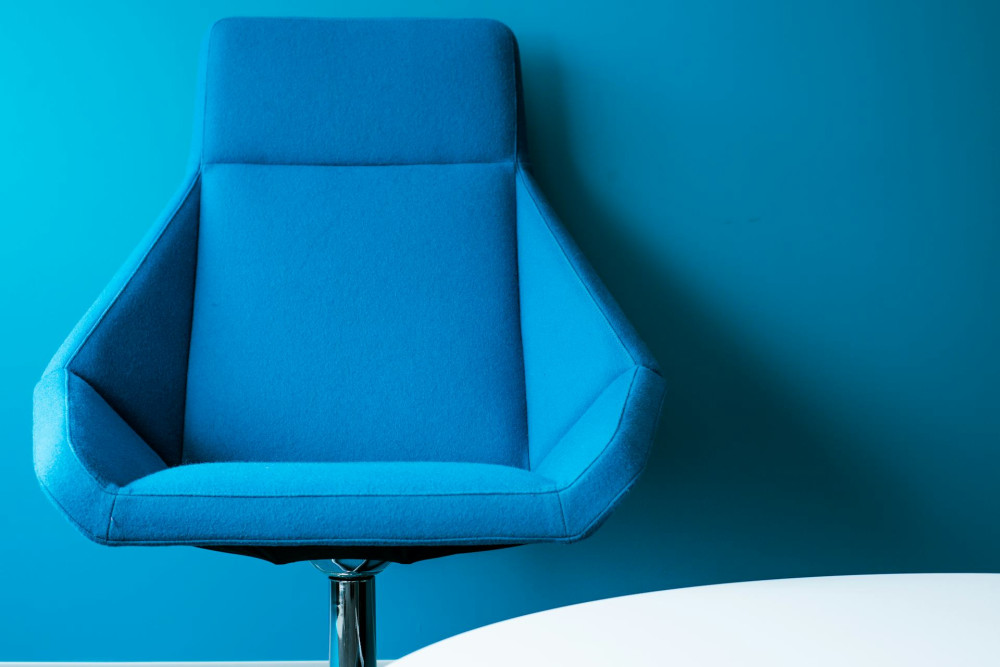
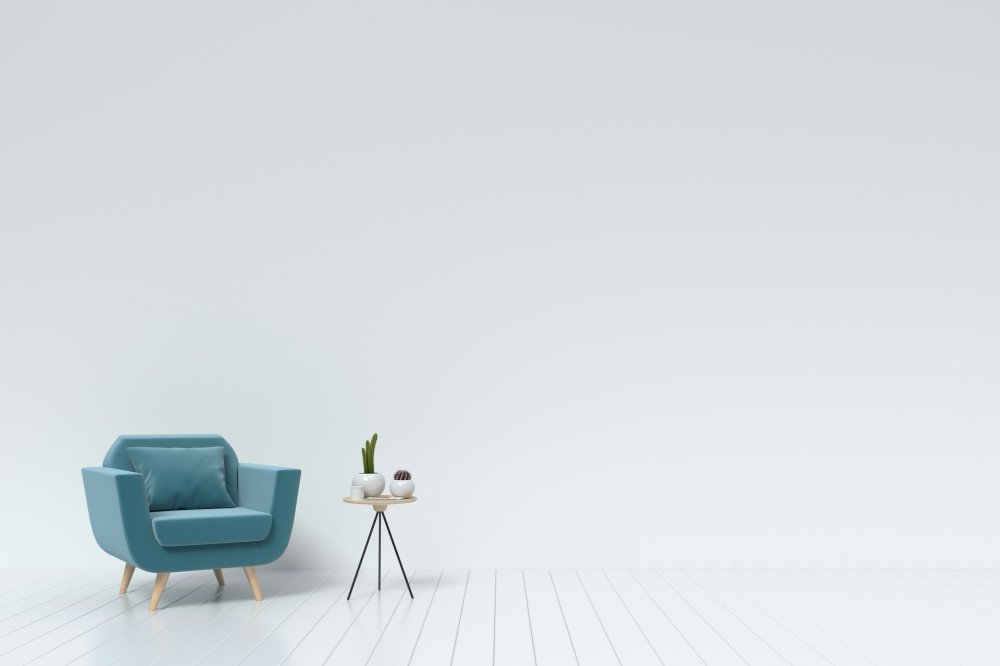
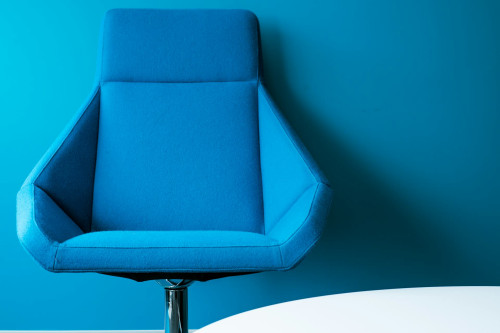
- For a cool, calm mood, go with blues, grays, or greens, especially in rooms with neutral or cool lighting.
A helpful trick is to take photos of your room at different times of day. You’ll see how the light changes and how your chosen colors might look in real life.
Balance Light and Function
Chairs should not only look good under the light—they should also serve the room’s purpose and mood.
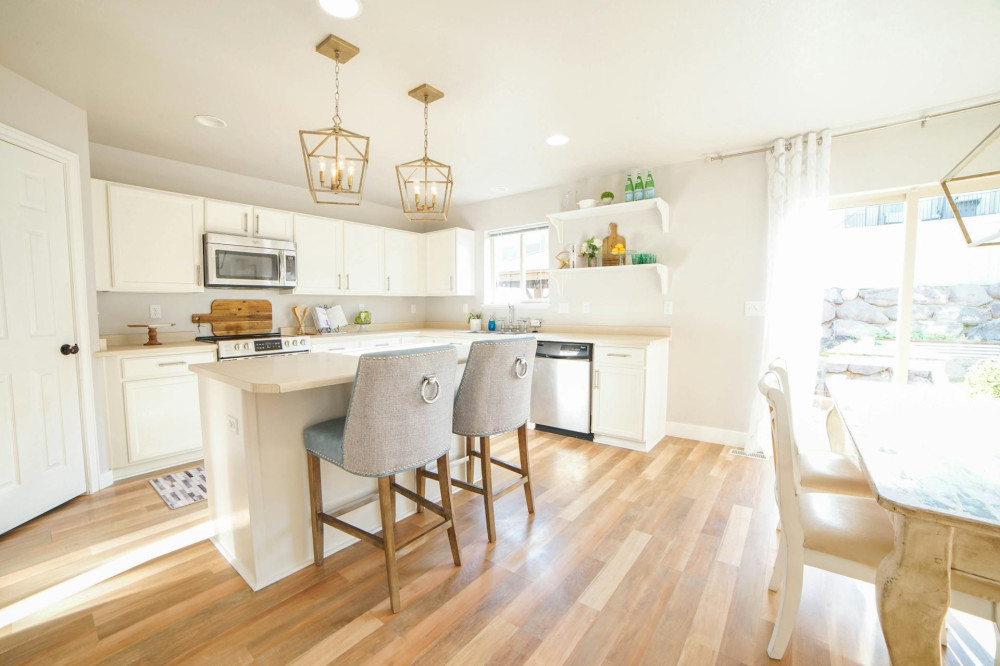
- In the dining room, choose chairs that reflect the light from your pendant or chandelier, drawing attention to the table as the heart of the space.
- In a home office, opt for chairs that don’t create glare or distraction, helping you stay focused.
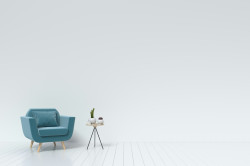
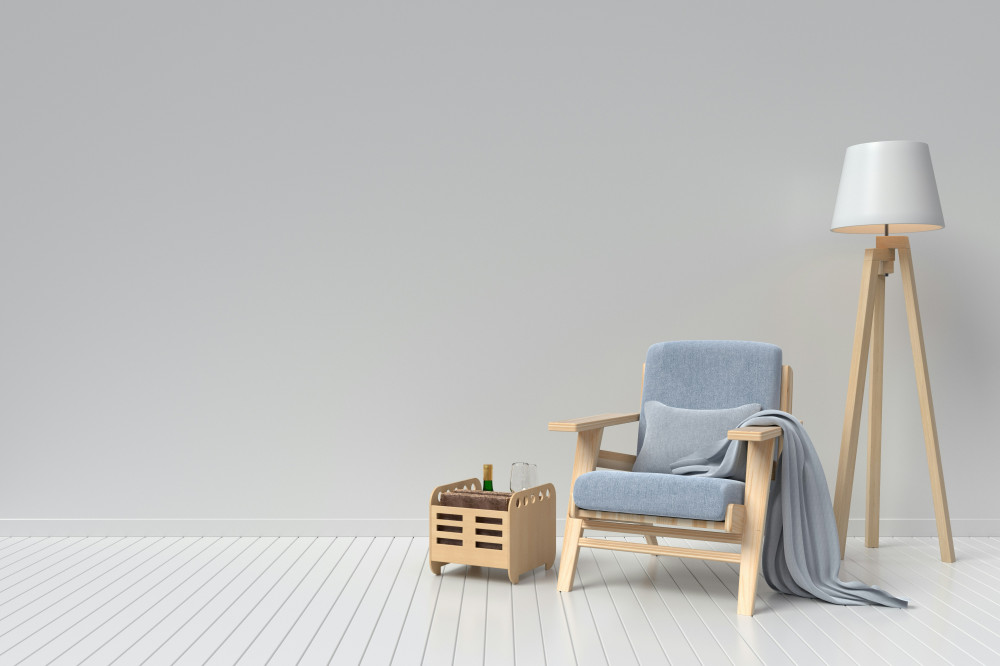
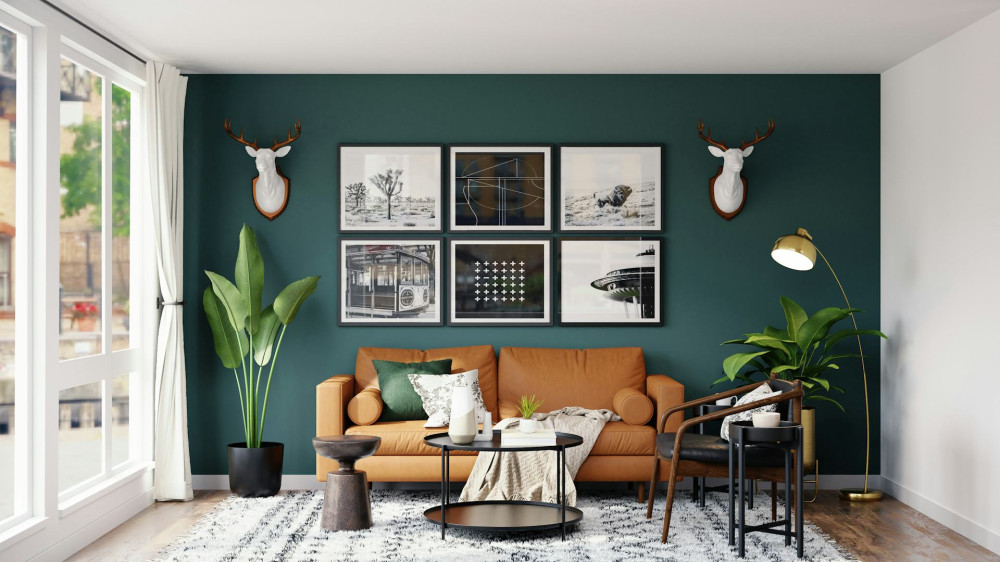
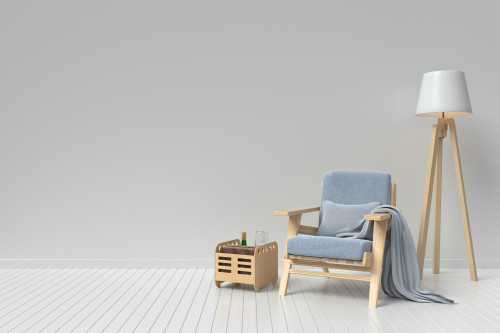
- In the living room, use lighting and seating together—for example, place a reading chair in the warm glow of a floor lamp to create a cozy retreat.
Also consider how chairs are positioned relative to light sources. A chair directly under a lamp will look and feel different from one in shadow. Use this to create visual balance and depth.
Læs også:
Experiment and Let the Light Guide You
There are no strict rules for pairing chairs with lighting—it’s about creating a space that feels right to you. Try moving lamps, switching bulb temperatures, or experimenting with different materials. Small adjustments can make a big difference.
When choosing chairs, think of them not as isolated pieces but as part of the room’s overall atmosphere. Light is your design partner—and when everything works together, you’ll have a space that looks beautiful and feels just right.
Læs også: