The Design Chair as a Link Between Furniture and Architecture

The Design Chair as a Link Between Furniture and Architecture
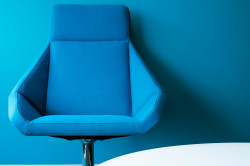
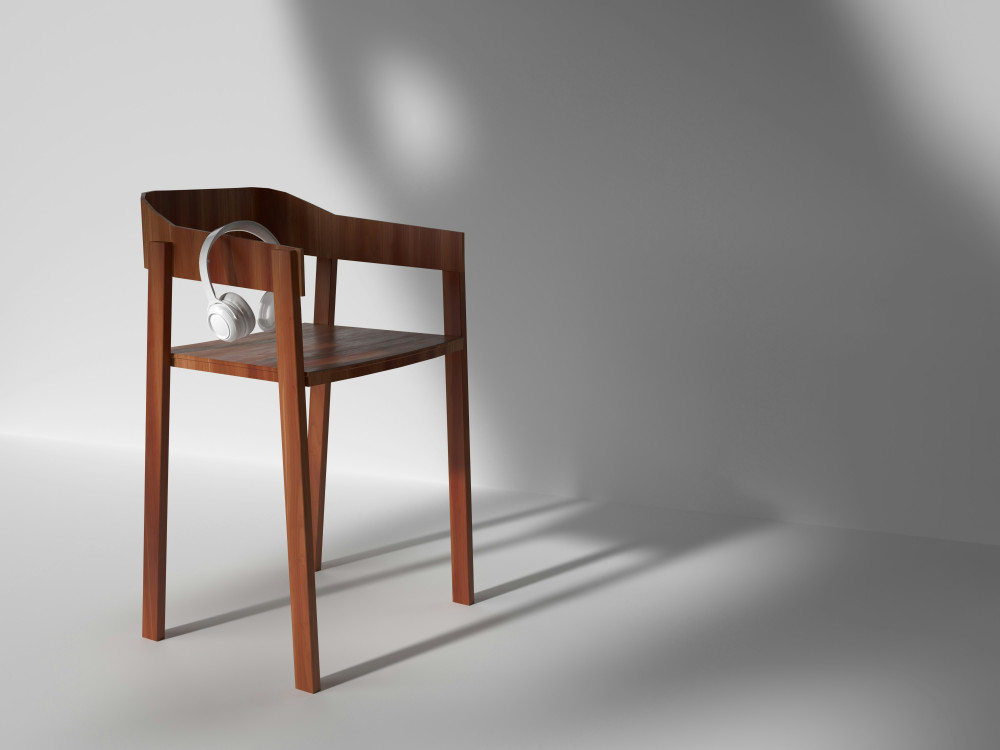
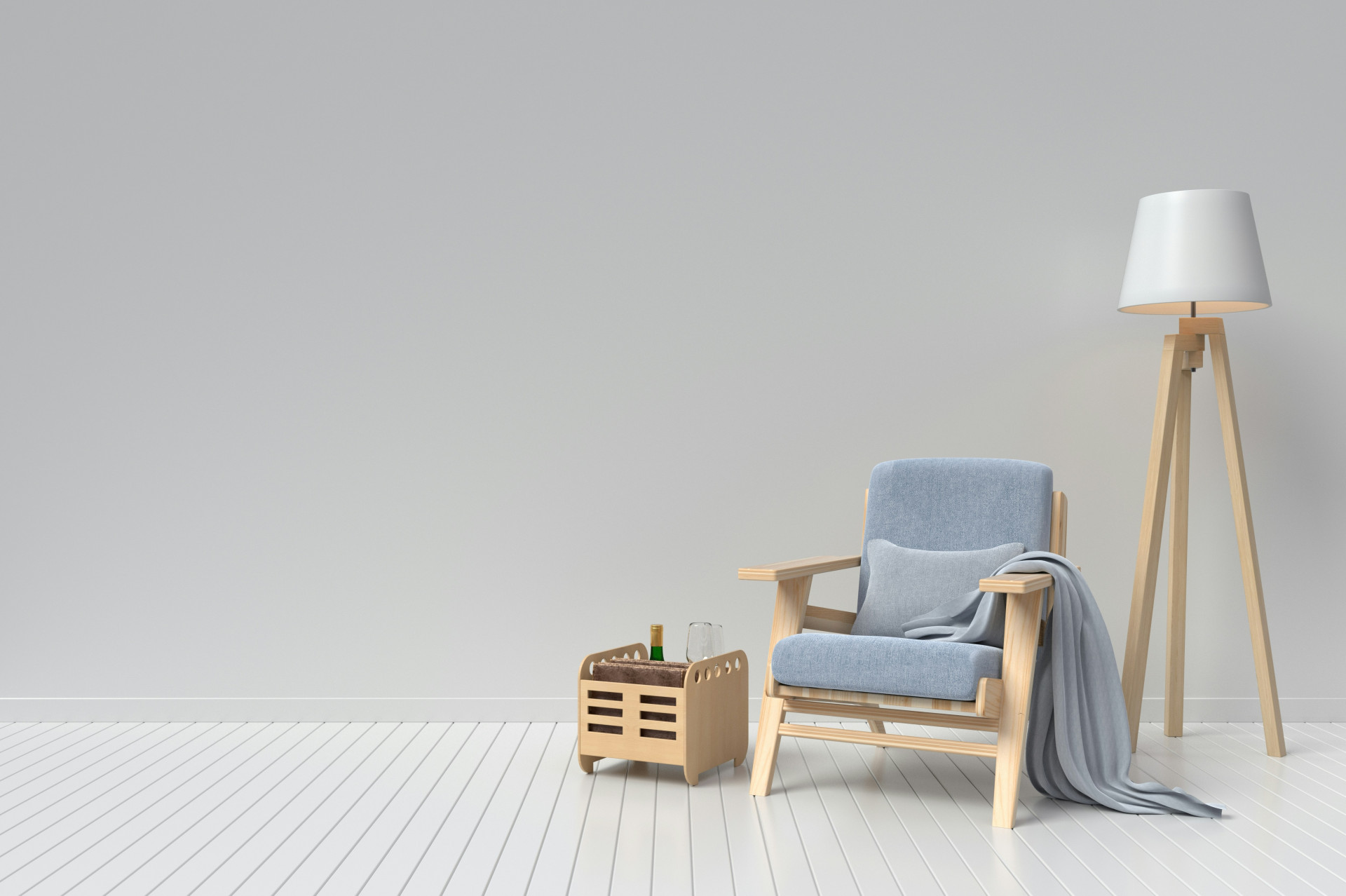
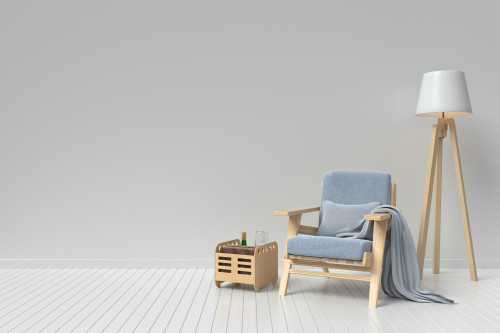
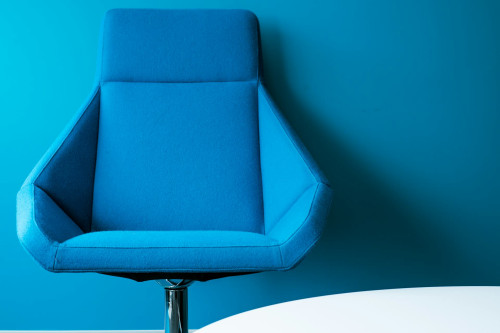
The design chair is more than a place to sit. It represents a way of thinking where form, function, and space merge into one. In the United States, the chair has long been a testing ground for ideas that bridge the worlds of furniture design and architecture. From Charles and Ray Eames’ molded plywood experiments to contemporary explorations in sustainable materials, the design chair reveals how an object can connect the human body to the built environment.
From Craft to Holistic Thinking
In the early 20th century, the chair became a laboratory for architects and designers seeking to unite aesthetics and function. Where traditional furniture makers focused on craftsmanship and ornament, modern designers began to see the chair as a small-scale building — a structure where proportion, material, and construction could be tested before being applied to architecture itself.
American modernists such as the Eameses, Florence Knoll, and Frank Lloyd Wright treated furniture as an extension of architectural space. For them, a chair was not an isolated object but part of a total environment. Wright’s furniture for his Prairie houses, for example, was designed to reinforce the geometry and rhythm of the architecture, while the Eameses’ chairs embodied the optimism of postwar modernism — light, functional, and democratic in spirit.
The Chair as Architecture in Miniature
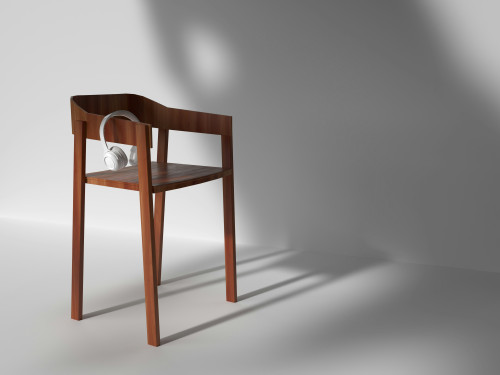
At its core, a chair is a structure — a system of forces, balance, and materials. In that sense, it mirrors a building. A well-designed chair must support weight, remain stable, and express both strength and elegance. These are the same principles that guide architectural design, only at a more intimate scale.
Consider the Eames Lounge Chair: its molded plywood shell and leather upholstery demonstrate a deep understanding of both engineering and comfort. It is not merely a piece of furniture but a small architecture of curves, joints, and layers. Similarly, Mies van der Rohe’s Barcelona Chair translates the logic of his steel-and-glass buildings into a sculptural form that embodies modernist ideals of clarity and proportion.
Læs også:
Materials, Space, and the Human Body
The design chair is also a meeting point between materials and people. Wood, steel, plastic, and fabric each tell a story about technology, culture, and time. In the mid-20th century, molded plywood and tubular steel symbolized progress and industrial innovation. Today, designers are turning to recycled plastics, plant-based composites, and locally sourced wood to express a new ethic of sustainability.
Yet regardless of material, the essence of the chair lies in its relationship to the body and the room it inhabits. A chair must not only look right — it must feel right. It invites rest, work, or conversation. In this way, the chair becomes an architectural tool that shapes how we move, gather, and experience space.
The Contemporary Design Chair – Between Tradition and Innovation
Today’s designers build on the legacy of the modern masters while reimagining what a chair can be. Digital modeling, 3D printing, and advanced fabrication techniques allow for forms that were once impossible. At the same time, there is a renewed focus on sustainability and circular design — creating chairs that are not only beautiful but also responsible.
American designers such as Neri Oxman, Stephen Burks, and Lindsey Adelman explore the intersection of technology, craft, and ecology. Their work continues the dialogue between furniture and architecture, showing that innovation can coexist with sensitivity to material and context.
A Link Between People and Space
When we view the design chair as a link between furniture and architecture, we see that it embodies more than utility. It expresses a cultural understanding of how design connects people to their surroundings. The chair is where architecture meets the human scale — a movable piece of structure that carries the same ideas of proportion, material honesty, and spatial harmony.
Ultimately, the design chair reminds us that architecture does not end with walls and roofs. It extends to the objects we touch, the surfaces we rest on, and the spaces we inhabit every day. In that sense, the chair is both a tool and a symbol — a small piece of architecture that brings design down to the level of human experience.
Læs også: