Connect Your Spaces with Art – Create Unity and Harmony in Your Home


Connect Your Spaces with Art – Create Unity and Harmony in Your Home
Art can do much more than decorate your walls. It can bring cohesion, atmosphere, and personality to your home – acting as the thread that ties your spaces together. When you use art intentionally, you can create a sense of flow where colors, shapes, and materials connect from room to room. Here’s how to use art to create harmony and balance throughout your home.
Think Big Picture Before Details
Before hanging your first piece, take a moment to consider the overall mood you want your home to convey. Do you want it to feel calm and serene, or lively and vibrant? Once you have a clear direction, it becomes easier to choose pieces that complement one another, even if they differ in style or medium.
Also, think about how your rooms relate visually. A painting in the living room might echo the tones of a print in the hallway or a photograph in the bedroom. These subtle connections create a natural flow between spaces without making everything look too coordinated.
Use Color as a Connector
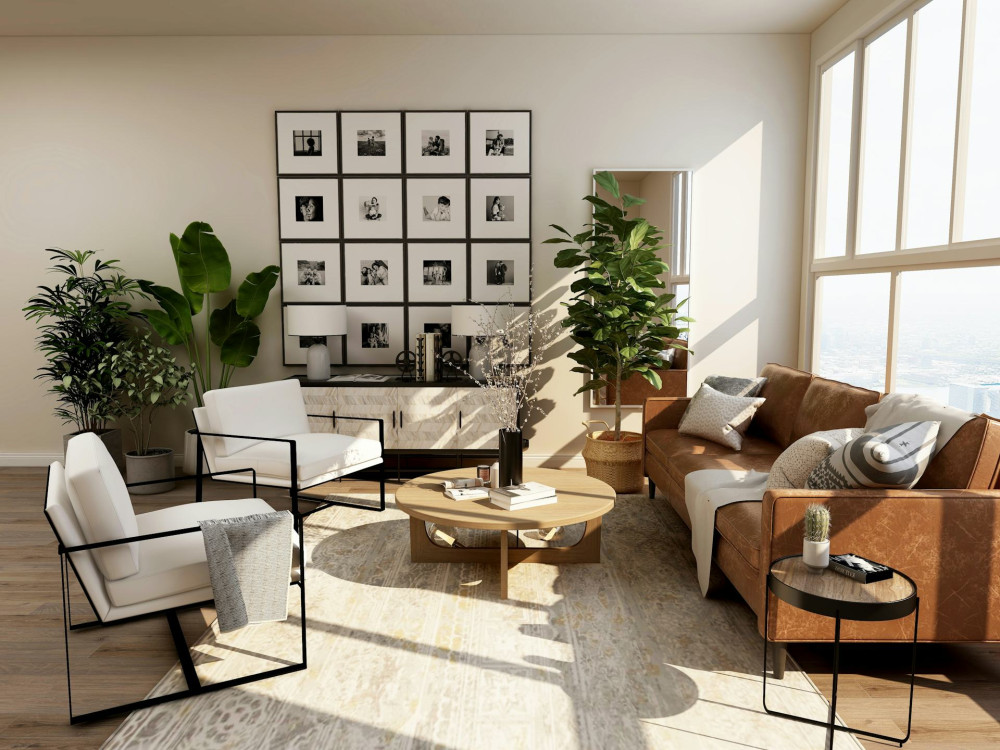
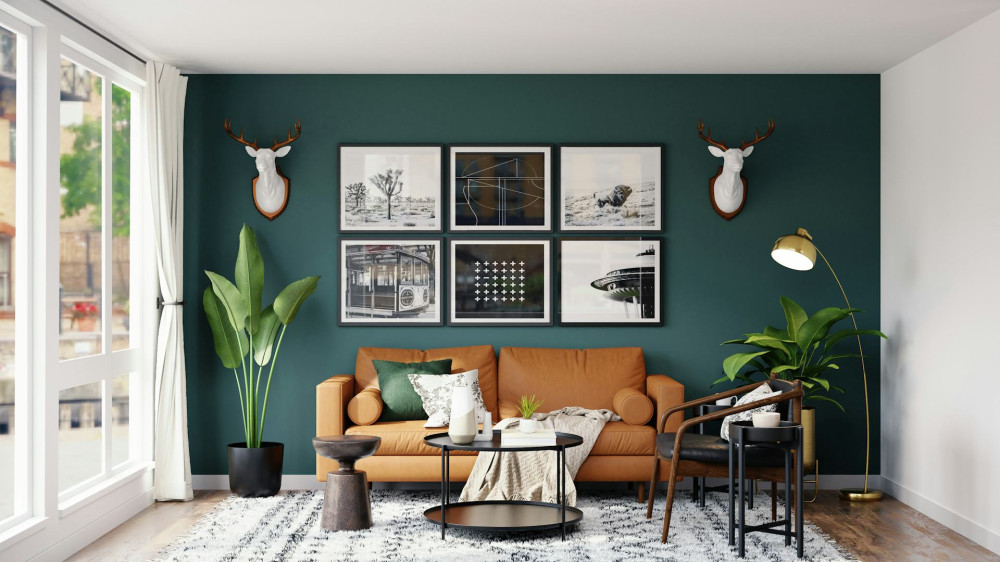
Color is one of the most powerful tools for creating unity. Choose a color palette that runs through your art, textiles, and furniture. This doesn’t mean everything has to match – small variations in tone and texture add depth and interest.
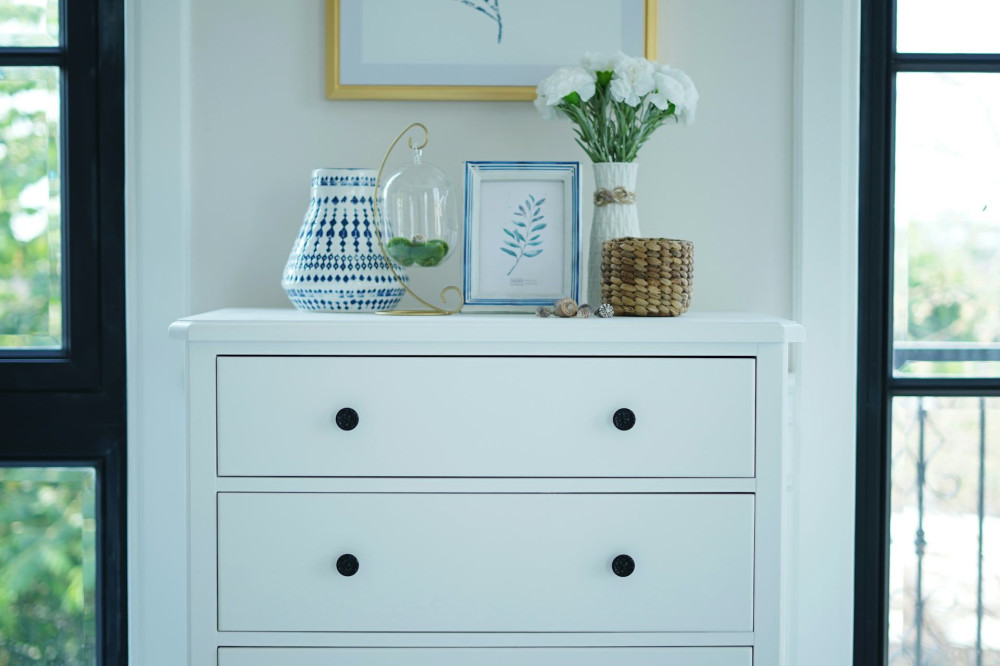
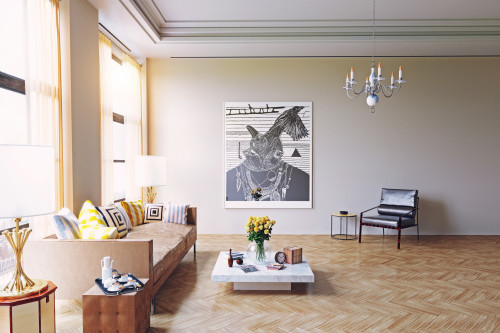
A simple trick is to repeat one color across different artworks in varying shades. For example, if you have a large blue abstract in your living room, you might choose a smaller piece with blue accents for your entryway. This repetition gives your home a sense of continuity as you move from one space to another.
Create Rhythm with Repetition and Contrast
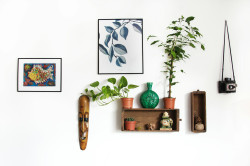
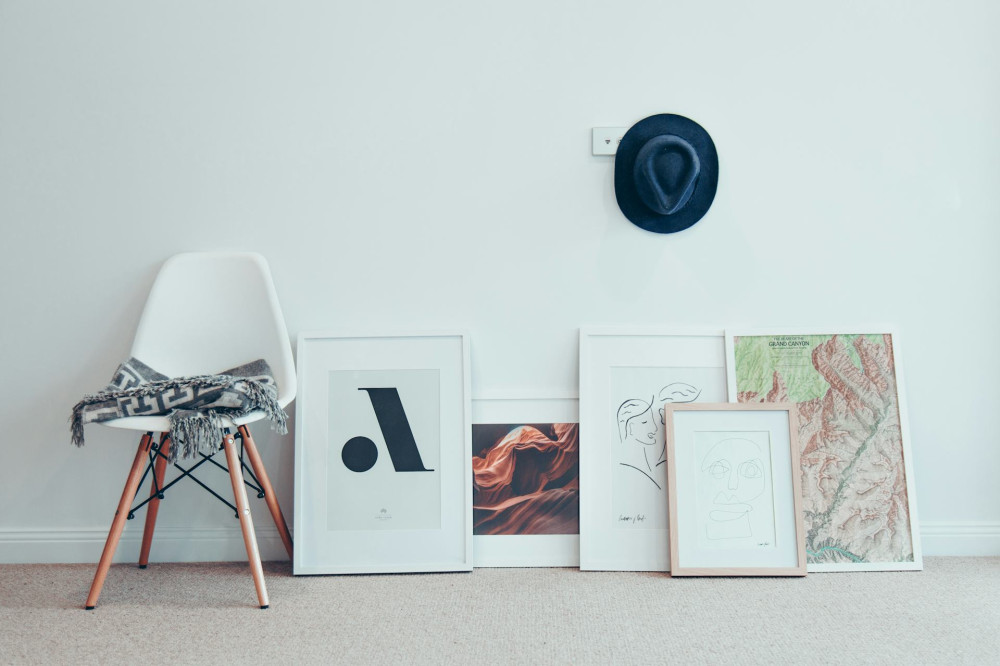
Just like in music, repetition and contrast can create rhythm in your décor. Repetition – such as similar frames, materials, or motifs – brings calm and structure. Contrast – differences in size, shape, or color – adds energy and visual excitement.
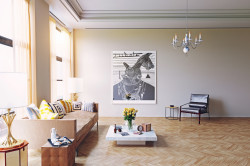
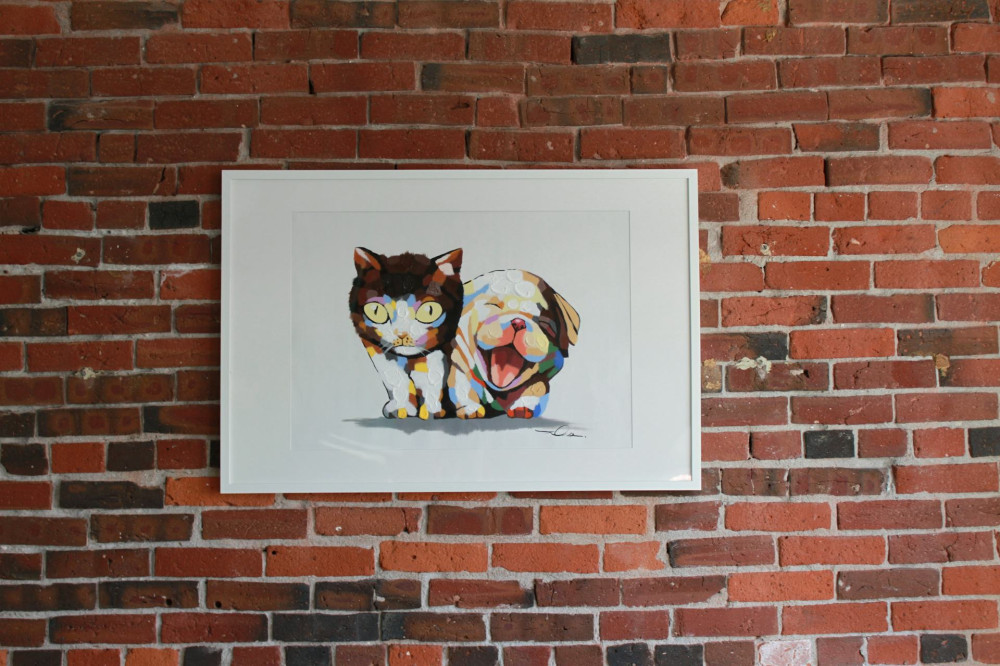
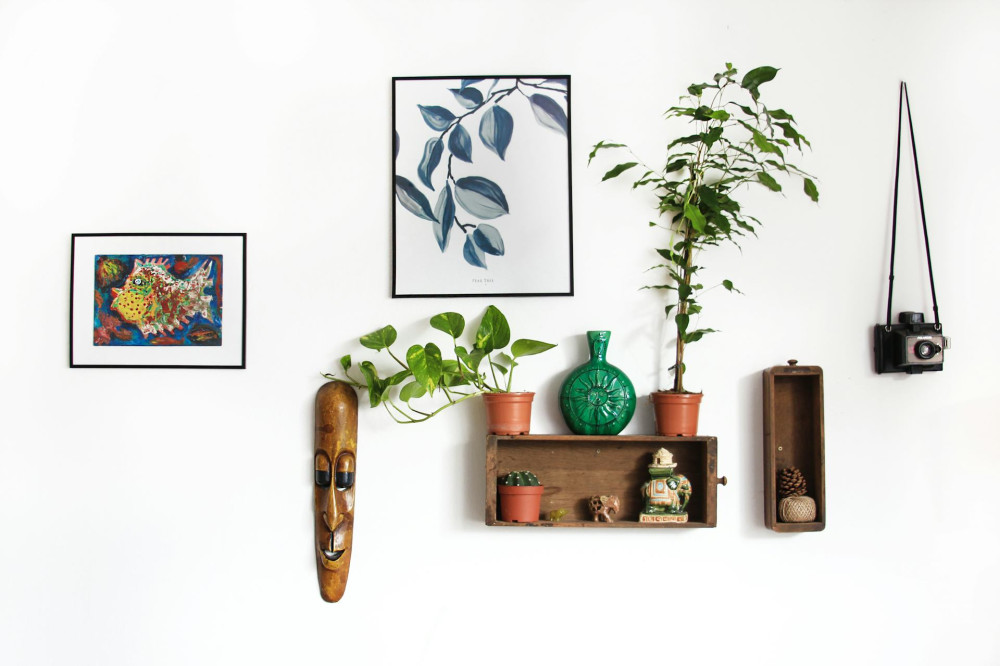
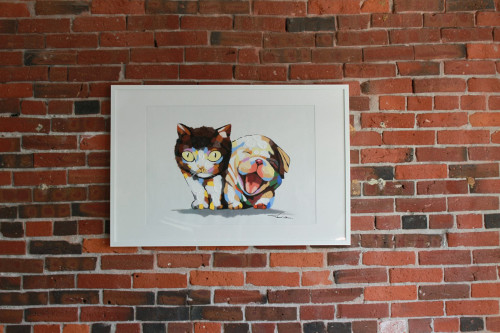
Try pairing a bold, oversized painting with smaller graphic prints or photographs. The contrast in scale creates movement, while a shared color or theme keeps everything cohesive. You can also introduce sculptures, ceramics, or textiles to add dimension and balance to your wall art.
Læs også:
Let Art Flow from Room to Room
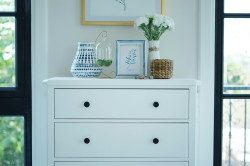
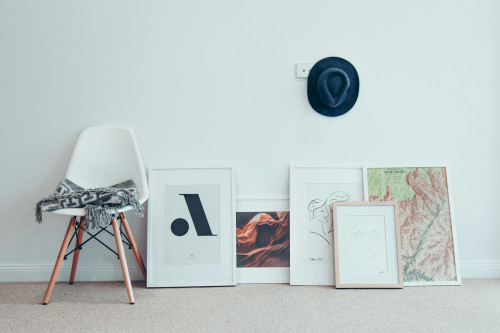
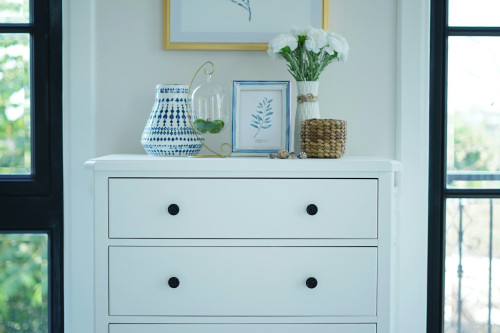
Art doesn’t have to stay on the walls. Let it move through your home in different forms – a small sculpture on a bookshelf, a handmade textile draped over a chair, or a piece of pottery on a windowsill. When placed thoughtfully, these pieces guide the eye naturally from one space to the next.
Think about how you move through your home. What’s the first thing you see when you walk in? What catches your eye as you move from the living room to the kitchen? By creating small visual stories in these transitions, you make your home feel more connected and alive.
Personality Over Perfection
While it’s tempting to focus on color schemes and symmetry, the most important thing is that your art reflects you. A home filled with personal art feels more authentic and welcoming than one that follows a strict design formula.
Choose pieces that mean something to you – maybe a family heirloom, a find from a local gallery, or something you created yourself. When you combine personal significance with thoughtful choices in color and placement, you create a home that’s both harmonious and uniquely yours.
Give Art Space and Light
Art needs room to breathe. Avoid overcrowding your walls – leave some areas blank so the eye can rest. This negative space gives your artwork more impact and helps maintain a sense of calm.
Lighting also plays a key role. Natural light can bring out colors and textures, while spotlights or wall sconces can highlight specific pieces. Experiment with different lighting setups and notice how your art changes throughout the day.
A Home in Balance
Connecting your spaces with art isn’t about turning your home into a gallery – it’s about creating a place where everything feels connected, both visually and emotionally. Art can be the element that ties it all together, giving your home rhythm, warmth, and balance.
By thinking holistically, using color intentionally, and letting your personality shine through, you can create a home that feels harmonious, dynamic, and completely your own.
Læs også: