Minimalist Sculpture Art: When the Pure Expression of Form Speaks for Itself

Minimalist Sculpture Art: When the Pure Expression of Form Speaks for Itself
Minimalism has long stood as one of the most defining movements in modern art. In sculpture, it distills artistic expression down to its essence—form, material, and space—stripping away all that is unnecessary. Where earlier sculptures often told stories or depicted gods and heroes, minimalist sculpture lets the form itself speak. It invites the viewer to experience the work without narrative or symbolism—simply as a meeting between body, space, and material.
From Excess to Essence
Minimalism emerged in the United States during the 1960s as a reaction against the emotional intensity of Abstract Expressionism. Artists such as Donald Judd, Carl Andre, and Dan Flavin sought to create works that were not about the artist’s inner world but about the object itself. They used industrial materials—steel, aluminum, concrete, fluorescent light—and emphasized structure, proportion, and repetition.
The movement quickly influenced artists and architects across the country. In New York, Los Angeles, and later across the Midwest, minimalist sculpture became a defining feature of public art and gallery spaces. Its clean lines and focus on material truth resonated with a generation seeking clarity amid cultural change.
The Material as Message
In minimalist sculpture, the material is not a vehicle for expression—it is the expression. A cube of steel, a slab of marble, or a stack of wooden beams possesses its own presence and integrity. The surface texture, the weight, and the way the piece occupies space are as important as its shape.
Standing before a minimalist sculpture often evokes a sense of calm. There is no story to decode, no hidden metaphor—only pure form in dialogue with its surroundings. It is art that rewards patience and attention, opening a deeper awareness of balance, proportion, and stillness.
Bringing Minimalism Home
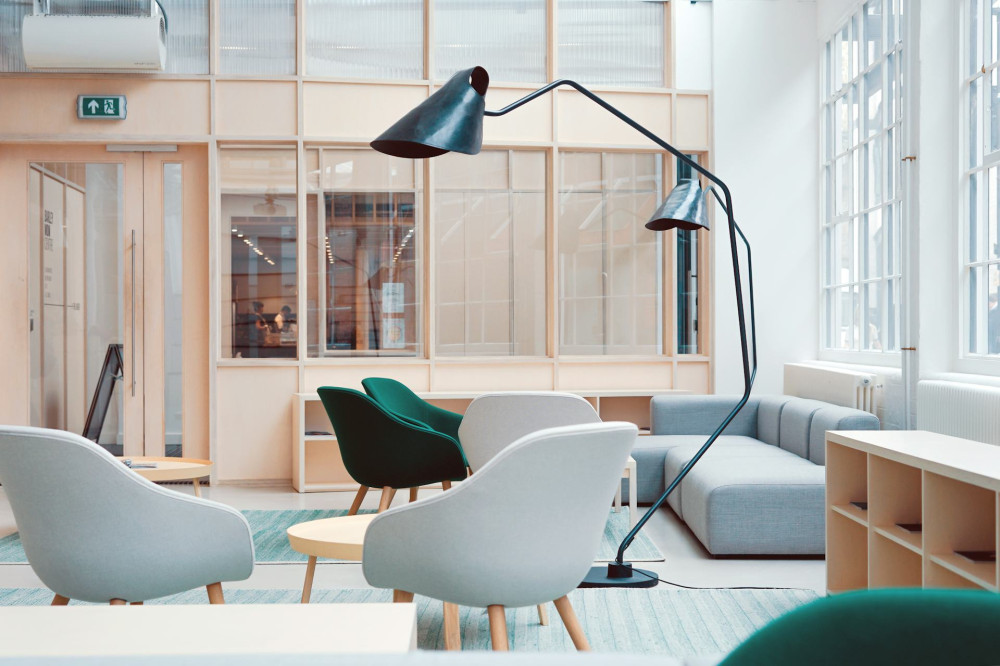
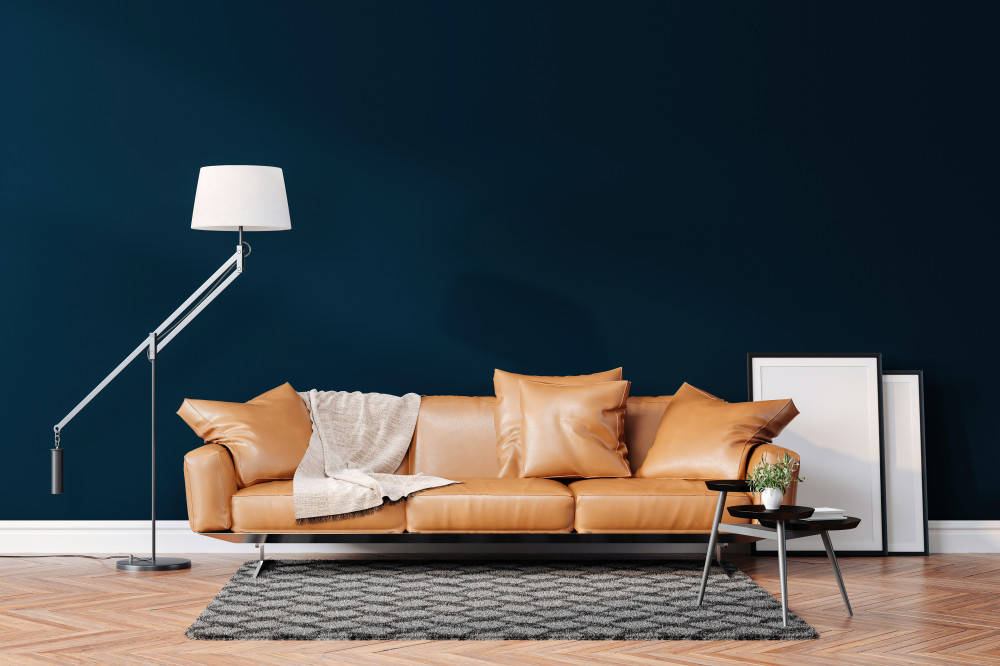
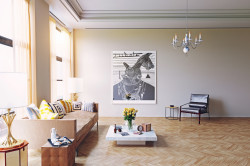
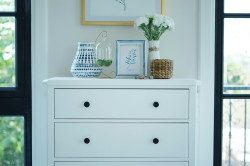
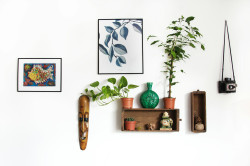
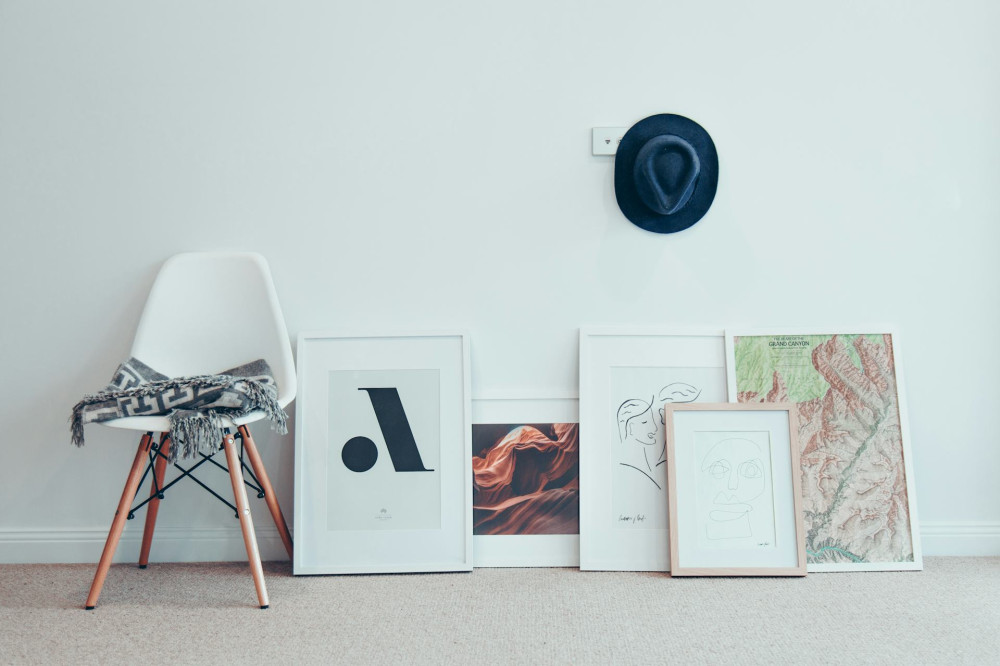
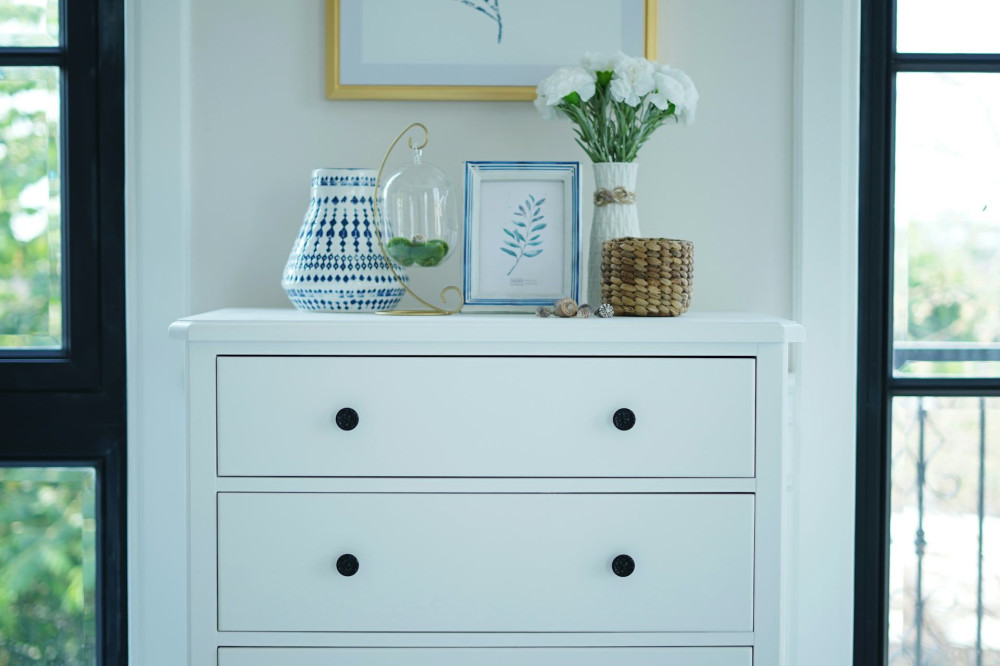
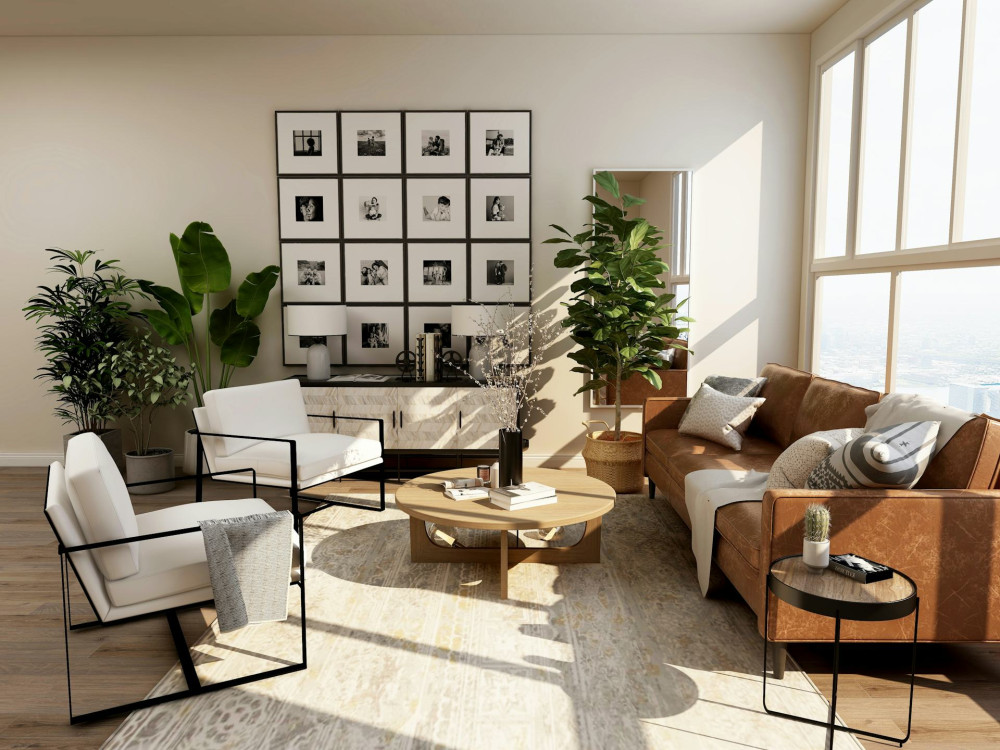
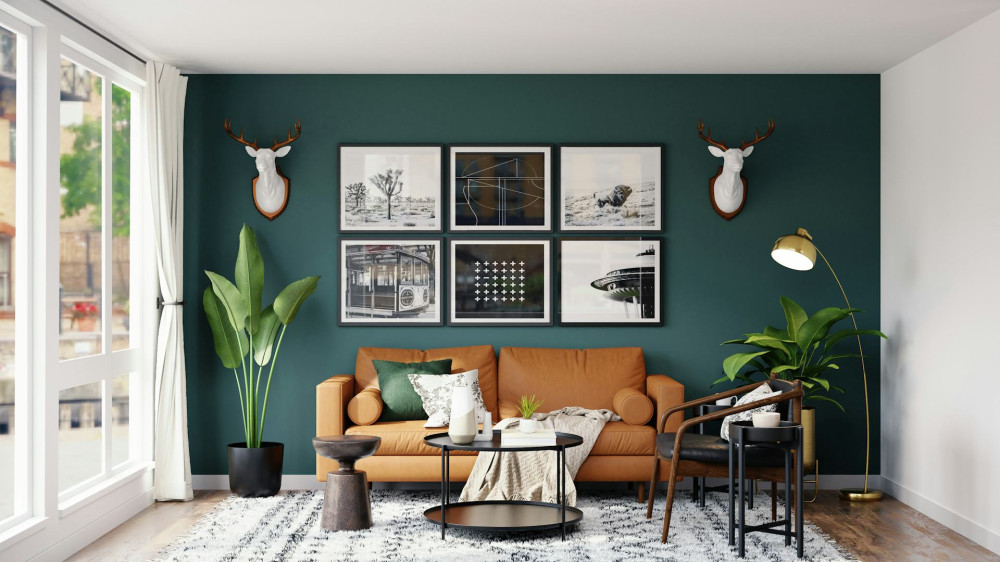
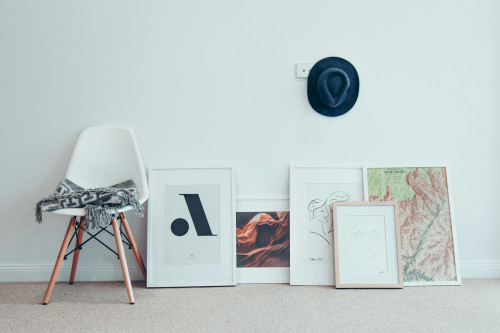
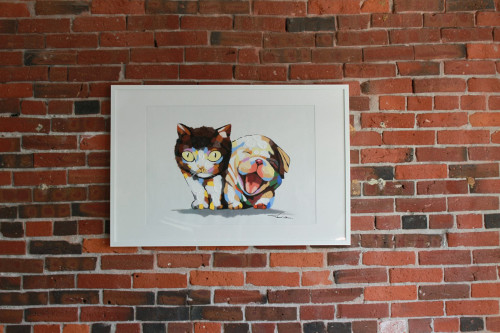
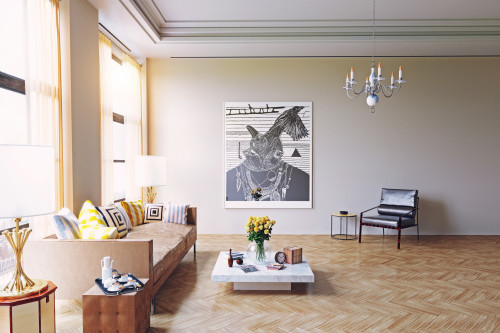
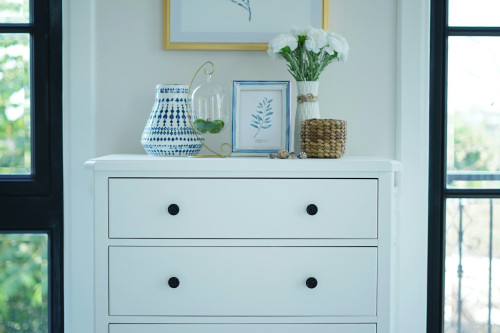
Minimalist sculpture has also found a place in American homes and interior design. In an age when many seek simplicity and focus, the clean geometry and natural materials of minimalist art fit seamlessly into modern living spaces. A single stone sculpture on a shelf or a small metal form on a side table can serve as a visual anchor—a point of quiet in a busy room.
Choosing minimalist art for the home is not about filling space but about creating harmony. A sculpture can shift the atmosphere of a room simply through its presence. It can echo architectural lines or provide contrast to soft textures and warm tones, reminding us that beauty often lies in restraint.
Læs også:
Experiencing Space and Proportion
One of the most fascinating aspects of minimalist sculpture is its relationship to space. Many works are designed with precise placement in mind—they change character depending on where you stand and how the light moves across them. In museums and public installations, the viewer becomes part of the work, as movement and perspective alter the experience.
This spatial awareness can inspire everyday life as well. Even a small sculpture on a desk can create a sense of rhythm and order when thoughtfully placed. Minimalism teaches us that elegance often resides in proportion, in the honesty of materials, and in what is left unsaid.
When Silence Becomes a Language
Minimalist sculpture is not silent, though it may appear so. It speaks through presence—the weight of a material, the play of light on a surface, the tension between object and space. It invites us to slow down and truly see the purity of form.
In a world saturated with images, noise, and constant motion, minimalist sculpture offers a counterpoint. It reminds us that simplicity is not emptiness but richness revealed through attention. When form speaks for itself, it tells us something profound about clarity, balance, and the quiet power of being.
Læs også: