Photo Art in Motion: Experiment with Double Exposure and Collage

Discover how creative layering and visual blending can transform your photography into expressive art
Art
Art
4 min
Step into the world of experimental photography with double exposure and collage. Learn how to combine images, textures, and emotions to craft unique visual stories that move beyond traditional photography and into the realm of art.
Ariana Bradley
Ariana
Bradley

Photo Art in Motion: Experiment with Double Exposure and Collage

Discover how creative layering and visual blending can transform your photography into expressive art
Art
Art
4 min
Step into the world of experimental photography with double exposure and collage. Learn how to combine images, textures, and emotions to craft unique visual stories that move beyond traditional photography and into the realm of art.
Ariana Bradley
Ariana
Bradley

Photography isn’t just about capturing what’s in front of the lens—it’s also a way to explore imagination, emotion, and storytelling. Techniques like double exposure and collage invite you to move beyond documentation and into the realm of visual poetry. Here’s how you can experiment with layers, textures, and compositions to give your photos a fresh, artistic edge.

What Is Double Exposure?

Double exposure is a technique where two (or more) images are layered on top of each other to create a single, blended photograph. The result can be dreamy, surreal, or graphic—depending on how you combine your subjects.

In the days of film, double exposures happened when a photographer intentionally (or accidentally) exposed the same frame twice. Today, you can achieve the same effect digitally—either in-camera, if your model supports multiple exposures, or by combining images in editing software like Adobe Photoshop, Lightroom, or free alternatives such as GIMP.

A classic example is merging a portrait with a landscape: the contours of a face become a canvas for clouds, trees, or city lights, creating an image that fuses human presence with the surrounding world.

Getting Started

Begin by choosing two images that complement each other. The first image often serves as the “base”—a portrait, silhouette, or object with a clear shape. The second image adds texture or movement: think of waves, leaves, neon lights, or reflections.

When blending them, play with transparency, contrast, and alignment. Let one image fade into the other, or use masks to highlight specific areas. The goal isn’t perfection—it’s finding a visual rhythm where the two images speak to each other.

A helpful tip: start in black and white. Stripping away color helps you focus on light, form, and balance before you dive into more complex color compositions.

Collage: When Images Meet

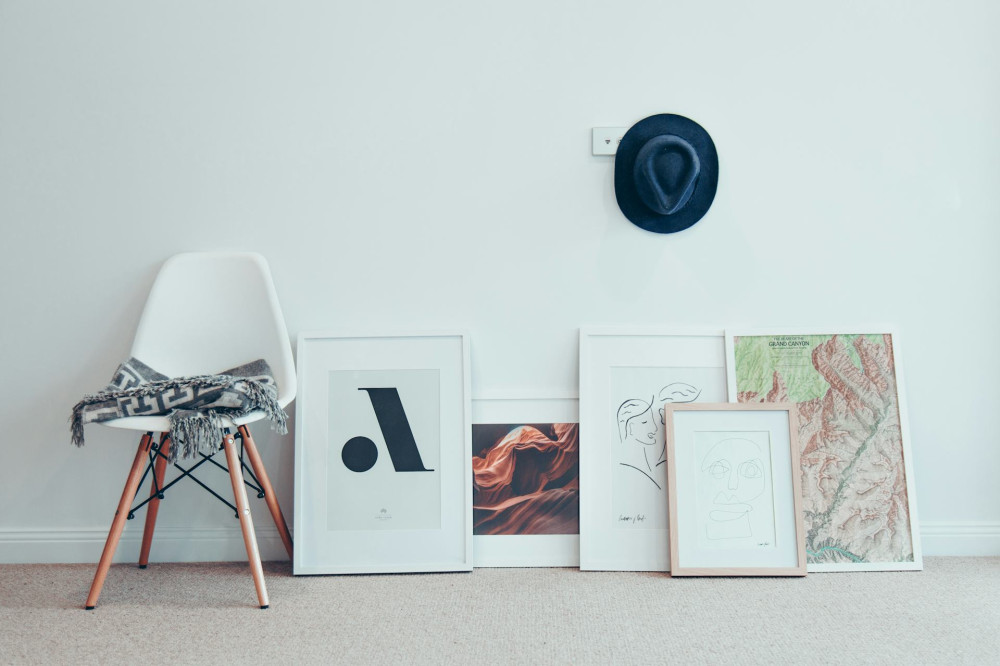
While double exposure merges images into one, collage sets them side by side. It can be as tactile as cutting and gluing printed photos or as digital as layering textures, text, and graphics on your screen.

Collage allows you to tell stories through contrast—between old and new, nature and technology, realism and abstraction. You can use your own photos, vintage archives, or scanned materials like fabric, handwritten notes, or magazine clippings.

If you’re working digitally, experiment with layers and blending modes. If you prefer a hands-on approach, print your images in different sizes, cut them out, and arrange them on a board. The physical act of moving pieces around can spark new ideas about rhythm and composition.

Finding Your Own Style

There are no strict rules when it comes to double exposure and collage. Some photographers use these techniques to create dreamlike, painterly images, while others go for a clean, graphic look.

Think about what you want your images to express. Are you exploring emotion, identity, or time? Maybe you want to capture movement or memory. By layering and combining visuals, you can create photographs that reveal both what’s seen and what’s felt.

Tools and Equipment

You don’t need expensive gear to start experimenting. A regular digital camera—or even your smartphone—will do. Many mobile apps offer double exposure and collage features, such as Snapseed, PicsArt, or Adobe Express.

If you want more control, programs like Adobe Photoshop or Affinity Photo let you fine-tune layers, masks, and colors. You can even mix photography with drawing or typography to create a more personal, hybrid style.

Make the Process Part of the Art

The beauty of experimental photo art lies in the process itself. When you play with images, you discover new ways of seeing—and new sides of yourself as an artist. Allow for mistakes, surprises, and happy accidents.

Many contemporary artists use double exposure and collage to challenge conventional ways of thinking about photography. It’s about pushing boundaries—transforming the photograph from a record of reality into a space for imagination.

A Living, Evolving Expression

Photo art in motion isn’t just about technique—it’s about curiosity and courage. When you experiment with double exposure and collage, you open the door to endless possibilities where images don’t just depict but interpret. It’s an invitation to see photography as a living, evolving medium—one that bends, mirrors, and reimagines reality in ever-changing ways.

How to choose the right type of home for your family
Are you considering changing your home type? This e-book examines the advantages and disadvantages of different types of housing, from townhouses to apartments, so that you can more easily find the type of housing that suits your familys needs and lifestyle.
Download e-book
Photo Art in Motion: Experiment with Double Exposure and Collage
Discover how creative layering and visual blending can transform your photography into expressive art
Art
Art
Photography
Double Exposure
Collage
Creative Techniques
Visual Art
4 min
Step into the world of experimental photography with double exposure and collage. Learn how to combine images, textures, and emotions to craft unique visual stories that move beyond traditional photography and into the realm of art.
Ariana Bradley
Ariana
Bradley
Minimalist Sculpture Art: When the Pure Expression of Form Speaks for Itself
Discover how minimalist sculpture transforms simplicity into profound artistic expression
Art
Art
Minimalism
Sculpture
Modern Art
Design
Aesthetics
7 min
Explore the world of minimalist sculpture, where pure form, material, and space replace narrative and ornament. Learn how this art movement invites viewers to experience silence, proportion, and presence in their most essential form.
Piper Foster
Piper
Foster
Connect Your Spaces with Art – Create Unity and Harmony in Your Home
Discover how art can bring balance, flow, and personality to every corner of your home
Art
Art
Interior Design
Home Decor
Art
Harmony
Inspiration
2 min
Learn how to use art as more than decoration – as a unifying element that connects your rooms and creates a harmonious atmosphere. Explore tips on color coordination, repetition, and placement to make your home feel cohesive and full of character.
Lucas Young
Lucas
Young
Light and Warmth Through Art – How to Create Atmosphere in the Winter Darkness
Transform your home into a haven of light, color, and creativity this winter
Art
Art
Interior Design
Home Decor
Art Inspiration
Lighting
Winter Atmosphere
6 min
Discover how art and lighting can turn the dark winter months into a season of warmth and inspiration. Learn to use color, texture, and personal expression to create a cozy atmosphere that uplifts both your home and your mood.
Jack Brooks
Jack
Brooks
Wall Art as a Reflection of Your Personality and Values
Express who you are through the art that surrounds you
Art
Art
Wall Art
Home Decor
Interior Design
Personal Style
Art Inspiration
2 min
Discover how wall art can reveal your personality, values, and life story. Learn to choose pieces that not only complement your space but also reflect your identity and create meaningful connections in your home.
Amelia Ortiz
Amelia
Ortiz
When Technology Meets Aesthetics: The Changing Modern Home Style
Discover how technology and design merge to redefine the modern living space
Trends
Trends
Smart Home
Interior Design
Modern Living
Home Technology
Sustainable Design
3 min
From smart lighting to sustainable materials, technology is reshaping the way we live and decorate. Explore how innovation and aesthetics come together to create homes that are both functional and beautiful.
Ariana Bradley
Ariana
Bradley
Mindful Decorating with Plants – Create Calm and Presence in Your Home
Bring harmony and mindfulness into your home with the natural beauty of plants
Trends
Trends
Mindful Living
Home Decor
Indoor Plants
Wellness
Interior Design
7 min
Discover how thoughtful plant placement and care can transform your home into a peaceful retreat. Learn how to decorate mindfully with greenery to create balance, presence, and a deeper connection to nature.
Piper Foster
Piper
Foster
Transform Your Space with Simple Renovation Ideas
Refresh your home with easy updates that make a big difference
Trends
Trends
Home Renovation
Interior Design
DIY
Home Improvement
Decorating Ideas
3 min
Discover how small, budget-friendly renovation ideas can completely transform your home. From color and lighting to surfaces and details, learn simple ways to create a space that feels new, functional, and uniquely yours.
Lucas Young
Lucas
Young
How to Create a Functional Home After the Kids Have Moved Out
Redefine your living space and make your home truly yours again
Trends
Trends
Home Design
Empty Nest
Interior Inspiration
Decluttering
Lifestyle
5 min
When the kids have moved out, your home enters a new phase—full of space, opportunity, and potential. Discover how to transform empty rooms, declutter with purpose, and design a flexible, comfortable home that reflects your lifestyle today.
Jack Brooks
Jack
Brooks