Facade cleaning as an effective solution to moisture and poor ventilation

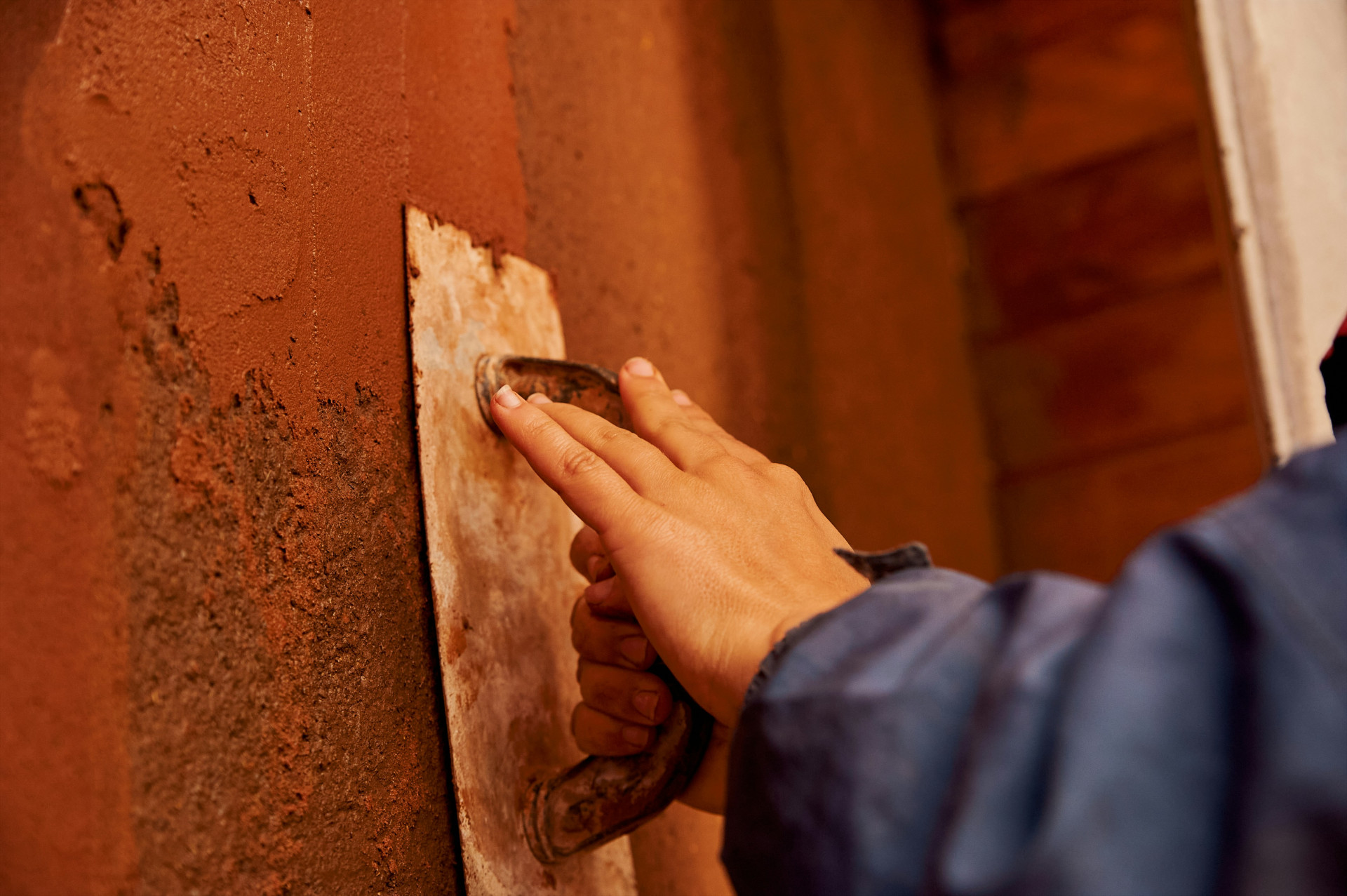
Protect your home’s structure and indoor air quality with proper facade maintenance
Bricklayer
Bricklayer
4 min
Moisture and poor ventilation often start outside the home. Learn how regular facade cleaning can prevent mold, improve air circulation, and extend the life of your property—making it both a practical and health-conscious investment.
Jack Brooks
Jack
Brooks

Facade cleaning as an effective solution to moisture and poor ventilation

Protect your home’s structure and indoor air quality with proper facade maintenance
Bricklayer
Bricklayer
4 min
Moisture and poor ventilation often start outside the home. Learn how regular facade cleaning can prevent mold, improve air circulation, and extend the life of your property—making it both a practical and health-conscious investment.
Jack Brooks
Jack
Brooks

Moisture and poor ventilation are common issues in many American homes—especially in regions with high humidity or frequent rainfall. What many homeowners don’t realize is that these problems often begin on the outside of the house. A dirty or clogged facade can trap moisture in the walls, leading to mold, mildew, and poor indoor air quality. Facade cleaning is therefore not just about curb appeal—it’s also about protecting your home’s structure and your family’s health. Let’s take a closer look at how facade cleaning can be an effective solution to moisture and ventilation problems, and how to approach it properly.

Why moisture builds up in the facade

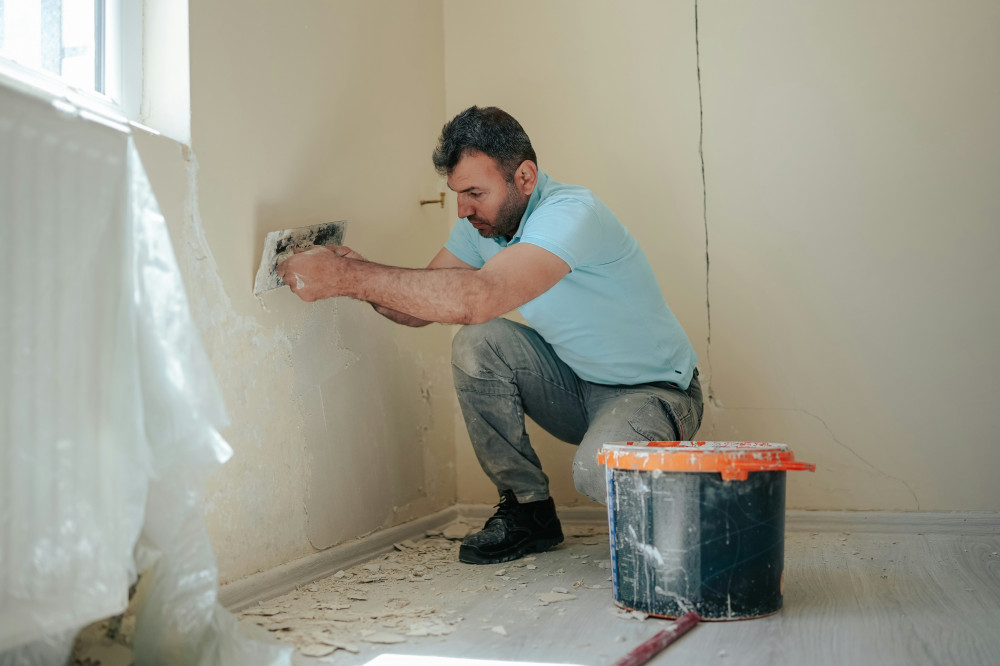
Brick, stucco, and other exterior materials are designed to absorb and release moisture naturally. Over time, however, dirt, algae, and pollution can form a layer that prevents the wall from drying out after rain or dew. This trapped moisture can cause dark stains, peeling paint, and even mold growth that spreads indoors.

North-facing walls or shaded areas are particularly vulnerable because they receive less sunlight and dry more slowly. If the home also lacks proper ventilation, the moisture can migrate inward, creating damp walls, musty odors, and potential health risks.

Facade cleaning as prevention

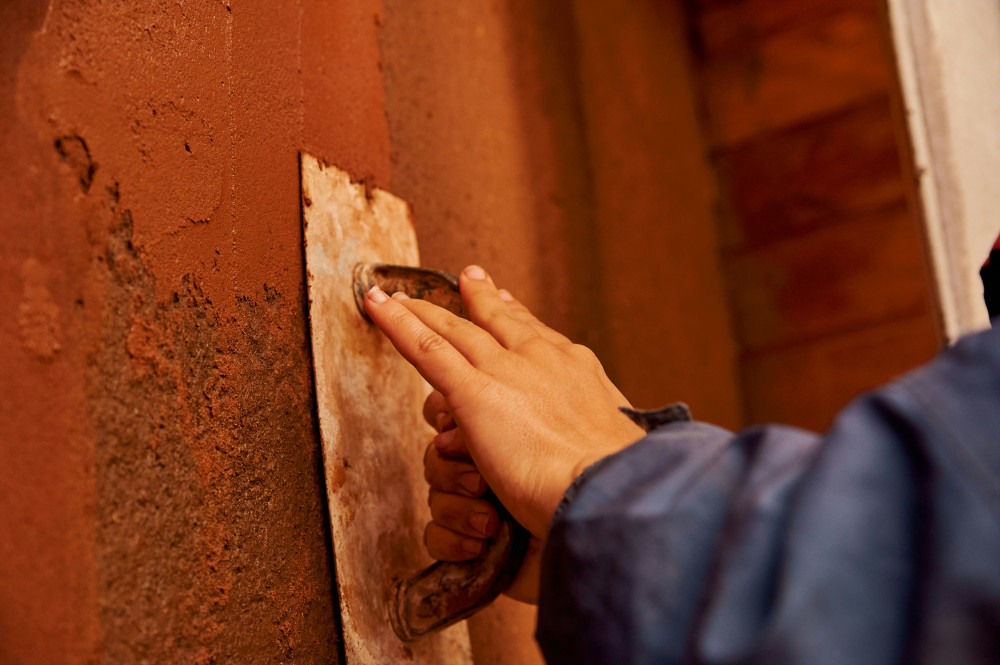
A thorough facade cleaning removes the buildup of dirt and biological growth that holds moisture in place. Once the surface can “breathe” again, the wall’s ability to regulate moisture improves, and the risk of damage decreases significantly. At the same time, your home looks cleaner and better maintained.

There are several methods for cleaning a facade, depending on the material:

  • Pressure washing – effective for brick and concrete, but must be done carefully to avoid damaging mortar or joints.
  • Chemical cleaning – often used for painted or stucco surfaces where high pressure could cause harm.
  • Algae and mold treatments – gentler solutions that kill organic growth and help prevent it from returning.

The key is to choose a method suited to your home’s exterior and condition. When in doubt, consult a professional who specializes in facade restoration.

The connection between facade and ventilation

A clean facade doesn’t just benefit the outside of your home. When moisture is kept out, your ventilation system can work more efficiently. Many homeowners notice improved indoor air quality after a facade cleaning because the walls no longer release excess moisture into the living spaces.

If your home has mechanical ventilation or exhaust fans, it’s a good idea to inspect and clean those systems at the same time. Ensuring that both the exterior and interior systems are functioning properly helps maintain a dry, healthy environment year-round.

When and how often to clean the facade

As a general rule, facades should be cleaned every 3–5 years, depending on location and exposure. Homes near the coast, in wooded areas, or in cities with heavy traffic may need more frequent cleaning. Signs that it’s time for a facade cleaning include:

  • Green or black discoloration on walls
  • Peeling paint or dark moisture spots
  • Musty smells or dampness indoors

The best time to clean is during dry weather and moderate temperatures, allowing the walls to dry thoroughly afterward.

Aftercare and protection

After cleaning, consider applying a water-repellent sealant that protects the surface from moisture while still allowing it to breathe. This treatment extends the effect of the cleaning and helps prevent new algae or mold growth. It’s especially useful for older masonry where mortar joints may be porous.

However, sealants are not a substitute for proper ventilation and maintenance—they should be viewed as an additional layer of protection.

An investment in your home and health

Facade cleaning is a relatively small investment compared to the cost of repairing moisture damage. A healthy exterior means a lower risk of mold, better indoor air quality, and a longer lifespan for your home. Plus, a clean facade enhances curb appeal and can even increase property value.

By combining regular facade cleaning with good ventilation and ongoing maintenance, you can create a home that not only looks great but also provides a safe and comfortable living environment.

How to choose the right type of home for your family
Are you considering changing your home type? This e-book examines the advantages and disadvantages of different types of housing, from townhouses to apartments, so that you can more easily find the type of housing that suits your familys needs and lifestyle.
Download e-book
The Importance of Brick: How Brick Type Affects Cavity Wall Properties
Discover how the choice of brick can transform the performance and durability of your cavity walls
Bricklayer
Bricklayer
Brick
Construction
Architecture
Building Materials
Home Design
5 min
The type of brick you select does more than define your building’s look—it influences insulation, moisture control, and long-term strength. Learn how different brick types affect cavity wall properties and what to consider when choosing the right material for your next project.
Ariana Bradley
Ariana
Bradley
Insulate Floors Above Unheated Spaces – Easily and Without Major Work
Keep your home warmer and more energy-efficient with simple floor insulation solutions
Bricklayer
Bricklayer
Home Improvement
Insulation
Energy Efficiency
DIY
Comfort
4 min
Discover how to insulate floors above unheated spaces like basements, crawl spaces, or garages—without tearing up your flooring. Learn practical methods, cost considerations, and tips for moisture control to make your home more comfortable year-round.
Piper Foster
Piper
Foster
Exterior Paint: The Most Common Types and Their Characteristics
Discover which exterior paint best protects and beautifies your home
Bricklayer
Bricklayer
Exterior Paint
Home Improvement
House Painting
DIY
Exterior Design
7 min
Choosing the right exterior paint is about more than just color. Learn about the most common types of exterior paint, their unique characteristics, and how to select the best option for your home’s surface and climate.
Lucas Young
Lucas
Young
Facade cleaning as an effective solution to moisture and poor ventilation
Protect your home’s structure and indoor air quality with proper facade maintenance
Bricklayer
Bricklayer
Facade Cleaning
Home Maintenance
Moisture Control
Ventilation
Healthy Living
4 min
Moisture and poor ventilation often start outside the home. Learn how regular facade cleaning can prevent mold, improve air circulation, and extend the life of your property—making it both a practical and health-conscious investment.
Jack Brooks
Jack
Brooks
Avoid Common Mistakes When Repairing Your Baseboard Yourself
Get professional-looking results by avoiding these common DIY baseboard repair errors
Bricklayer
Bricklayer
DIY
Home Improvement
Baseboard Repair
Interior Design
Renovation
5 min
Planning to fix your baseboards on your own? Learn how to steer clear of the most frequent mistakes that can ruin your project. With the right preparation, materials, and finishing touches, you can achieve a smooth, durable, and polished result.
Amelia Ortiz
Amelia
Ortiz
When Technology Meets Aesthetics: The Changing Modern Home Style
Discover how technology and design merge to redefine the modern living space
Trends
Trends
Smart Home
Interior Design
Modern Living
Home Technology
Sustainable Design
3 min
From smart lighting to sustainable materials, technology is reshaping the way we live and decorate. Explore how innovation and aesthetics come together to create homes that are both functional and beautiful.
Ariana Bradley
Ariana
Bradley
Mindful Decorating with Plants – Create Calm and Presence in Your Home
Bring harmony and mindfulness into your home with the natural beauty of plants
Trends
Trends
Mindful Living
Home Decor
Indoor Plants
Wellness
Interior Design
7 min
Discover how thoughtful plant placement and care can transform your home into a peaceful retreat. Learn how to decorate mindfully with greenery to create balance, presence, and a deeper connection to nature.
Piper Foster
Piper
Foster
Transform Your Space with Simple Renovation Ideas
Refresh your home with easy updates that make a big difference
Trends
Trends
Home Renovation
Interior Design
DIY
Home Improvement
Decorating Ideas
3 min
Discover how small, budget-friendly renovation ideas can completely transform your home. From color and lighting to surfaces and details, learn simple ways to create a space that feels new, functional, and uniquely yours.
Lucas Young
Lucas
Young
How to Create a Functional Home After the Kids Have Moved Out
Redefine your living space and make your home truly yours again
Trends
Trends
Home Design
Empty Nest
Interior Inspiration
Decluttering
Lifestyle
5 min
When the kids have moved out, your home enters a new phase—full of space, opportunity, and potential. Discover how to transform empty rooms, declutter with purpose, and design a flexible, comfortable home that reflects your lifestyle today.
Jack Brooks
Jack
Brooks