The Importance of Brick: How Brick Type Affects Cavity Wall Properties


The Importance of Brick: How Brick Type Affects Cavity Wall Properties
Brick has been a cornerstone of American architecture for centuries—from colonial homes in New England to modern urban townhouses. Its timeless appearance, durability, and low maintenance make it a favorite among builders and homeowners alike. But not all bricks are created equal. The type of brick you choose can have a major impact on how a cavity wall performs in terms of moisture control, insulation, strength, and long-term maintenance. Here’s how brick type influences the performance and longevity of your wall system.
What Is a Cavity Wall—and Why Does Brick Matter?
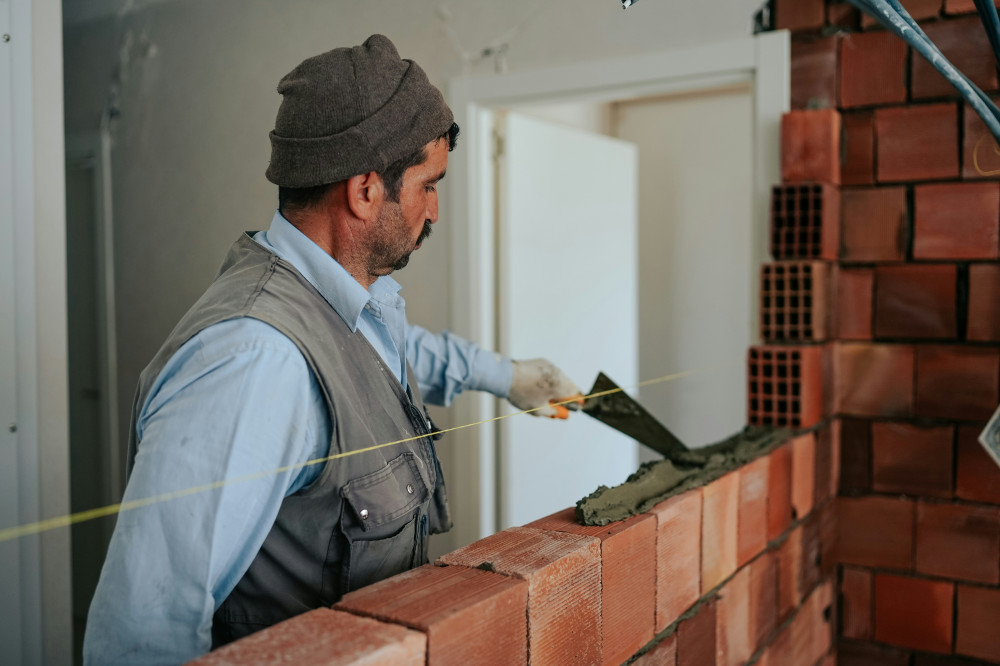
A cavity wall consists of two layers (or “wythes”) of masonry separated by an air space or insulation layer. The outer wythe—usually made of brick—serves as the first line of defense against rain, wind, and temperature changes. The inner wythe, often made of concrete block or structural brick, provides strength and helps regulate indoor temperatures.
Because the outer layer is exposed to the elements, the brick’s density, porosity, and surface finish play a crucial role. A brick that absorbs too much water can lead to moisture problems, while one that’s too dense may trap vapor inside the wall. The goal is to find the right balance between water resistance and breathability.
Common Brick Types and Their Characteristics
Different brick manufacturing methods produce materials with distinct properties. Here are the most common types used in U.S. construction:
-
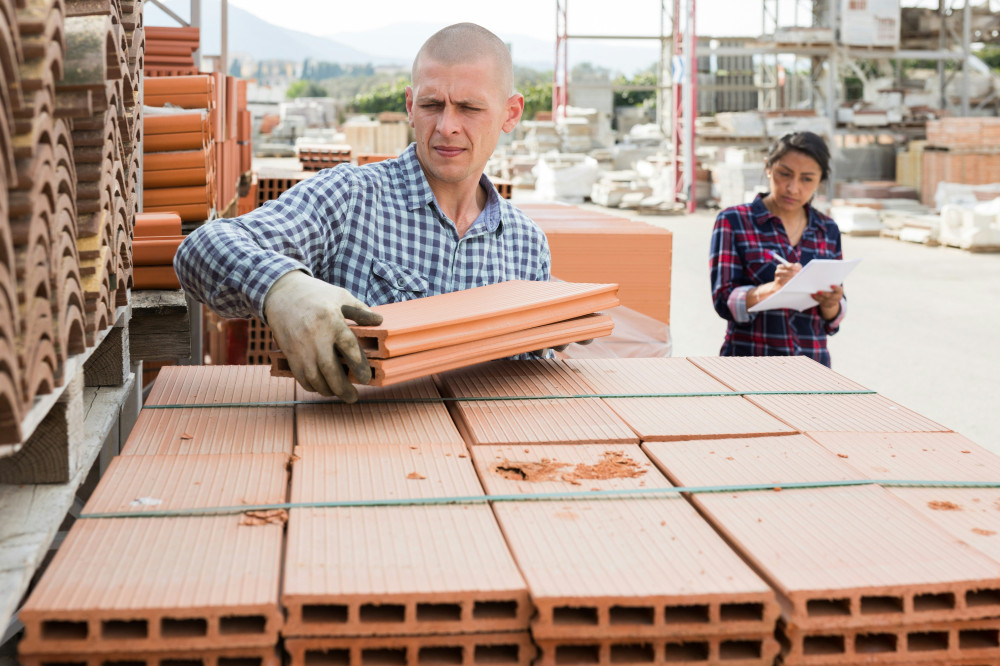
Extruded (Machine-Made) Brick These bricks are formed by forcing clay through a die and cutting it into shape. They are uniform, dense, and strong—ideal for modern construction where precision and durability are key. Their low absorption rate makes them resistant to freeze-thaw damage, but they allow less moisture movement through the wall.
-
Molded (Soft-Mud) Brick Made by pressing clay into molds, these bricks have a more textured surface and slightly higher water absorption. They’re often chosen for their traditional, handcrafted look and are well-suited for restoration projects or homes seeking a classic aesthetic.
-
Handmade Brick Produced in small batches, handmade bricks vary in color and texture, giving facades a unique, artisanal appearance. They tend to be more porous, which can help walls “breathe,” but they require careful detailing to prevent water penetration.
-
Clinker or High-Fired Brick Fired at higher temperatures, these bricks are extremely hard, dense, and nearly impervious to water. They’re often used in areas exposed to heavy rain, snow, or mechanical wear—such as foundations, steps, or retaining walls. However, their low permeability means proper ventilation and drainage in the cavity are essential.
How Brick Type Affects Moisture and Insulation
A well-designed cavity wall must keep rainwater out while allowing internal moisture to escape. The brick’s porosity and absorption rate determine how effectively it can manage this balance. Bricks that absorb a moderate amount of water and then release it as vapor help prevent issues like efflorescence, spalling, and mold growth.
Insulation performance in a cavity wall depends primarily on the insulation layer, but brick density also plays a role. Dense bricks conduct heat more readily than porous ones, so combining high-performance insulation with durable, low-absorption bricks can achieve both energy efficiency and weather resistance.
Color, Finish, and Maintenance
Brick color and surface treatment influence not only the building’s appearance but also its thermal and moisture behavior. Darker bricks absorb more solar heat, which can cause greater temperature fluctuations and expansion stresses. Glazed or coated bricks resist dirt and algae growth but may reduce the wall’s ability to release moisture.
Maintenance needs vary by brick type and exposure. South- and west-facing walls in the U.S. often endure the harshest weather, so choosing a durable brick and ensuring proper flashing, weep holes, and mortar joints are critical for long-term performance.
Choosing the Right Brick—Balancing Aesthetics and Function
Selecting brick for a project isn’t just about color or style. It’s about how the material interacts with the entire wall system and the local climate. Consider the following:
- The building’s location and exposure to rain, snow, and sun.
- Compatibility between brick, mortar, and insulation materials.
- Desired architectural style—traditional, transitional, or contemporary.
- Maintenance expectations and long-term durability.
Consulting with a structural engineer, architect, or masonry specialist can help ensure that the chosen brick type meets both aesthetic and performance goals.
Læs også:

Brick’s Role in the Future of American Construction
Even as new materials like steel, glass, and composite panels gain popularity, brick remains a sustainable and enduring choice. Its natural composition, recyclability, and long lifespan make it an environmentally responsible option—especially when paired with modern insulation and energy-efficient design.
Manufacturers are now developing low-carbon and reclaimed bricks, further reducing the environmental footprint of masonry construction. In this way, brick continues to bridge tradition and innovation—proving that a material rooted in history still has a vital place in the future of American building.
Læs også: