Furniture for the Hobby Room – Perfectly Designed for Photo and Image Editing

Furniture for the Hobby Room – Perfectly Designed for Photo and Image Editing
A well-designed hobby room can make all the difference when you’re working with photography and image editing. It’s not just about having the right equipment—it’s about creating a space that inspires creativity, promotes focus, and supports your workflow. Here’s how to furnish and organize your hobby room so it becomes the perfect environment for both shooting and editing.
Create Functional Zones
A hobby room for photography and editing works best when it’s divided into zones. This helps you stay organized and makes your workflow more efficient.
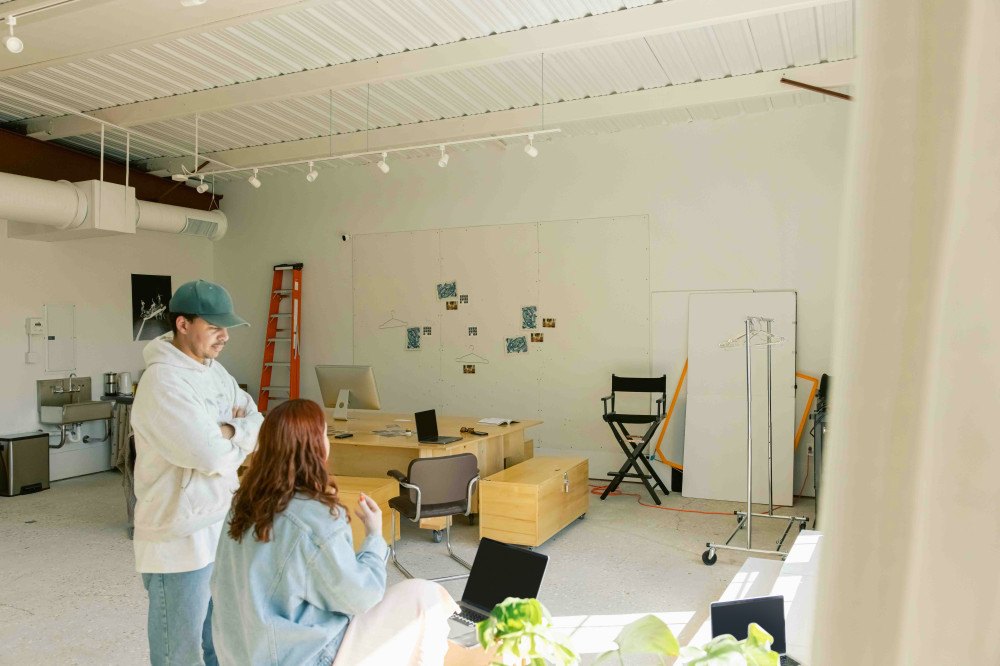
- The Photo Corner – Dedicate one area to your camera setup, tripod, backdrops, and lighting. A sturdy, height-adjustable worktable is ideal, allowing you to switch between standing and sitting. Make sure there’s enough space around the table to move freely while shooting.
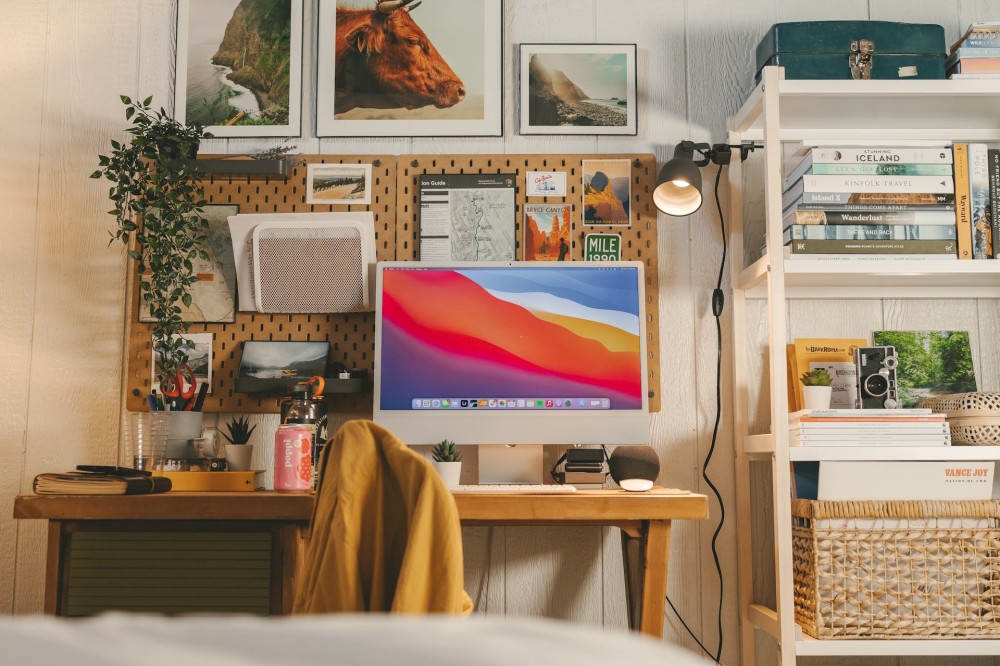
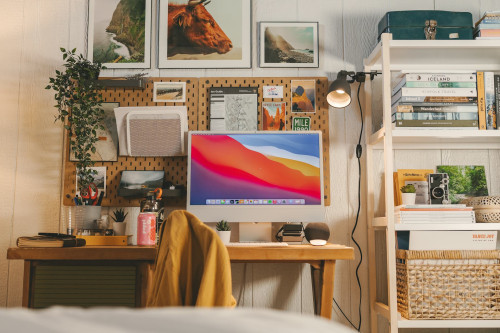
- The Editing Zone – This should be a calm, ergonomic workspace. Choose a desk with enough room for your monitor, keyboard, and drawing tablet. A supportive chair with adjustable height and lumbar support will help you stay comfortable during long editing sessions.
- The Storage Area – Use shelves, drawers, and cabinets to keep your gear, cables, lenses, and props organized. Clear bins or labeled boxes make it easy to find what you need quickly.
By dividing your room into functional zones, you’ll reduce clutter and create a smoother, more productive workflow.
Læs også:
Lighting – The Most Important Element
Lighting is crucial for both photography and editing. The right light setup ensures accurate colors and reduces eye strain.
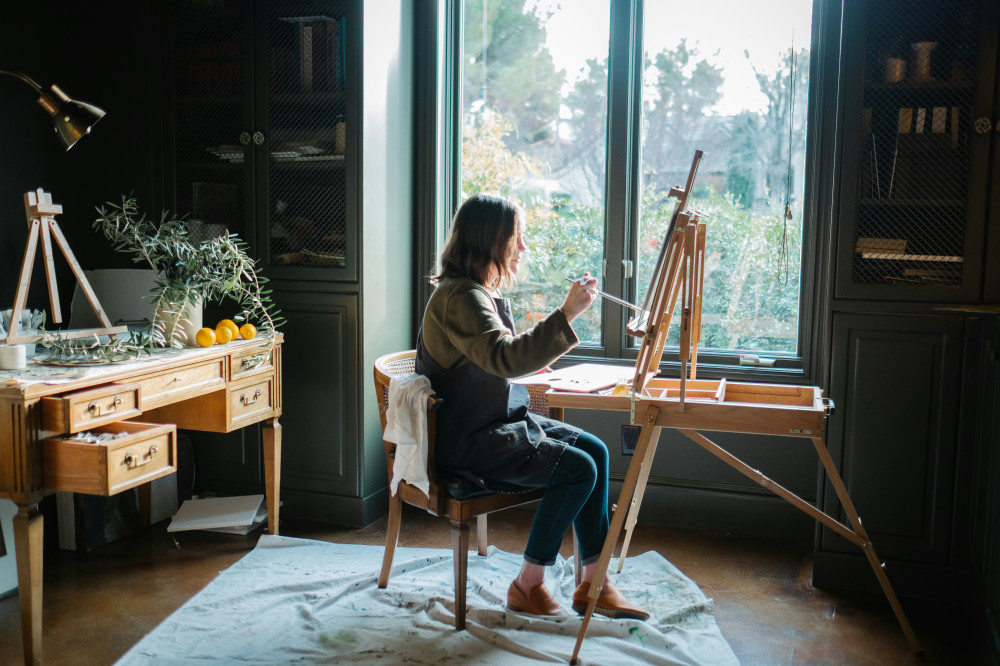
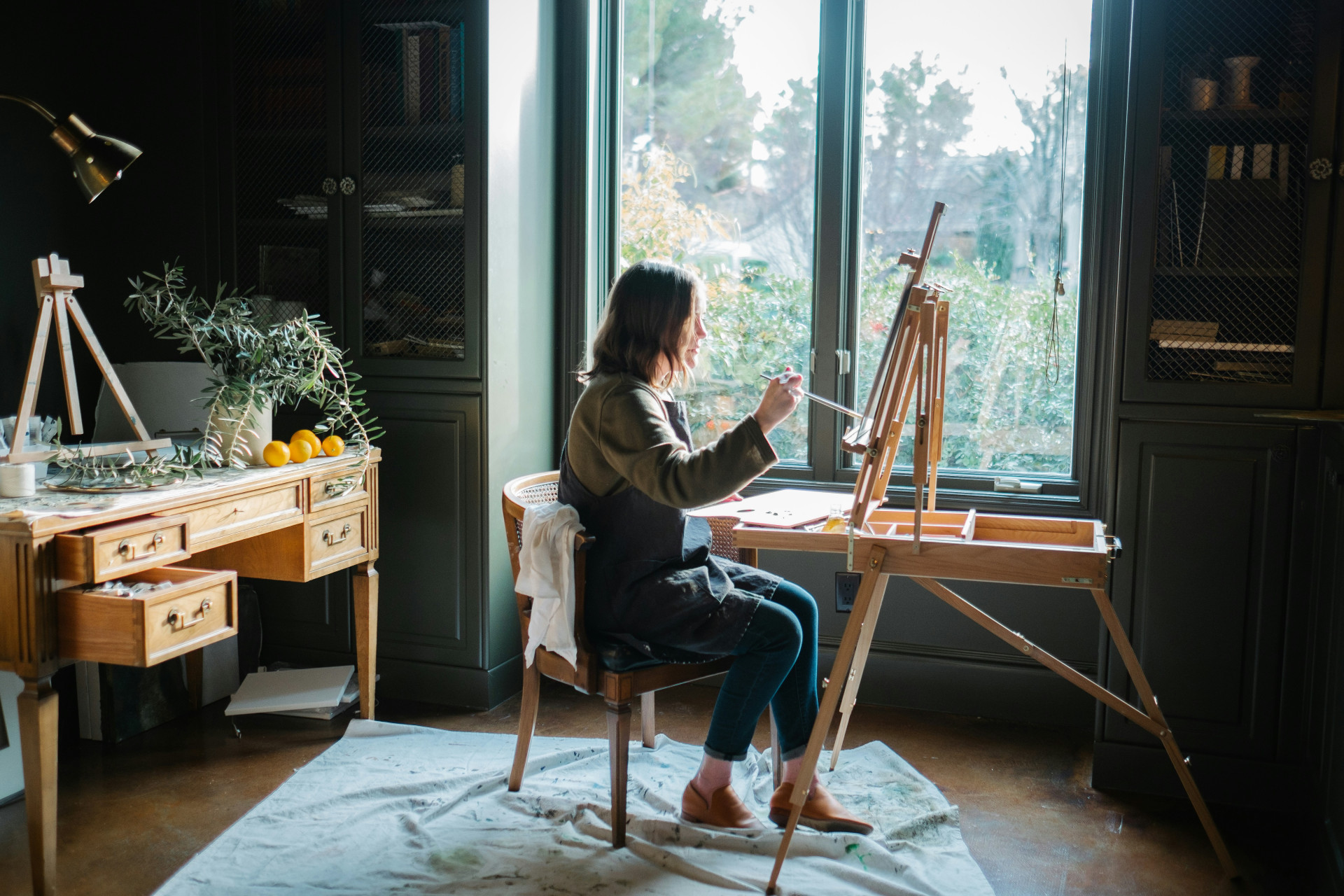
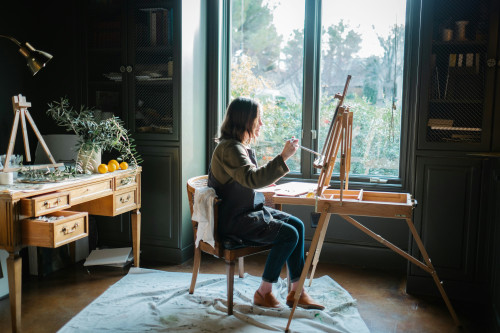
- Natural Light is always the best starting point. Position your editing desk near a window, but avoid direct sunlight on your screen to prevent glare.
- Artificial Lighting should be adjustable and have a neutral color temperature (around 5000–5500 Kelvin) for accurate color rendering. Consider LED panels or lamps with a high color rendering index (CRI 90+).
- Photo Lighting such as softboxes or ring lights gives you flexibility for indoor shoots. Choose models that can be easily repositioned and adjusted.
Good lighting not only improves your results but also makes your workspace more comfortable and inviting.
Ergonomics and Comfort
If you spend hours editing photos, ergonomics are essential. A sit-stand desk lets you vary your posture, and an adjustable chair helps prevent neck and shoulder tension.
Small details matter too: a footrest, a cushioned mouse pad, and a monitor arm that adjusts in height can make a big difference in your daily comfort and productivity.
Colors and Materials
Colors influence both focus and creativity. For a photo editing space, neutral tones—gray, white, or soft earth shades—are best, as they won’t distort your perception of color on the screen.
Combine materials like wood, metal, and fabric to create a balanced, pleasant atmosphere. Avoid glossy surfaces that reflect light, and opt for matte finishes whenever possible. A few green plants can add freshness and life without distracting from your work.
Smart Storage Solutions
Photography gear tends to take up more space than expected, so smart storage is key.
- Foam-lined drawers protect cameras and lenses from bumps.
- Wall mounts for tripods, cables, and bags free up floor space.
- Rolling carts are great for temporary setups and can be moved easily.
- Cable management under the desk keeps cords tidy and out of sight.
An organized space helps you stay focused and spend more time creating instead of searching for equipment.
Acoustics and Sound Environment
While visuals are the main focus, sound also affects your workspace. Hard surfaces can cause echo and make the room feel harsh. Use rugs, curtains, and acoustic panels to soften the sound. This creates a more pleasant atmosphere—especially useful if you also record video or voiceovers.
Add a Personal Touch
Functionality is important, but your hobby room should also reflect your personality. Hang a few of your own photos on the wall or create an inspiration board with textures, color samples, and project ideas. It adds energy and makes the space truly yours.
A Space That Inspires Creativity
A well-furnished hobby room is all about balance—between function and aesthetics, order and inspiration. When furniture, lighting, and storage work together, you get a space that not only makes your work easier but also more enjoyable. Whether you’re a professional photographer or a passionate hobbyist, the right environment can help you take your creative projects to the next level.
Læs også: