Furniture That Fits Both Teens and Adults – Flexibility in Design

Furniture That Fits Both Teens and Adults – Flexibility in Design
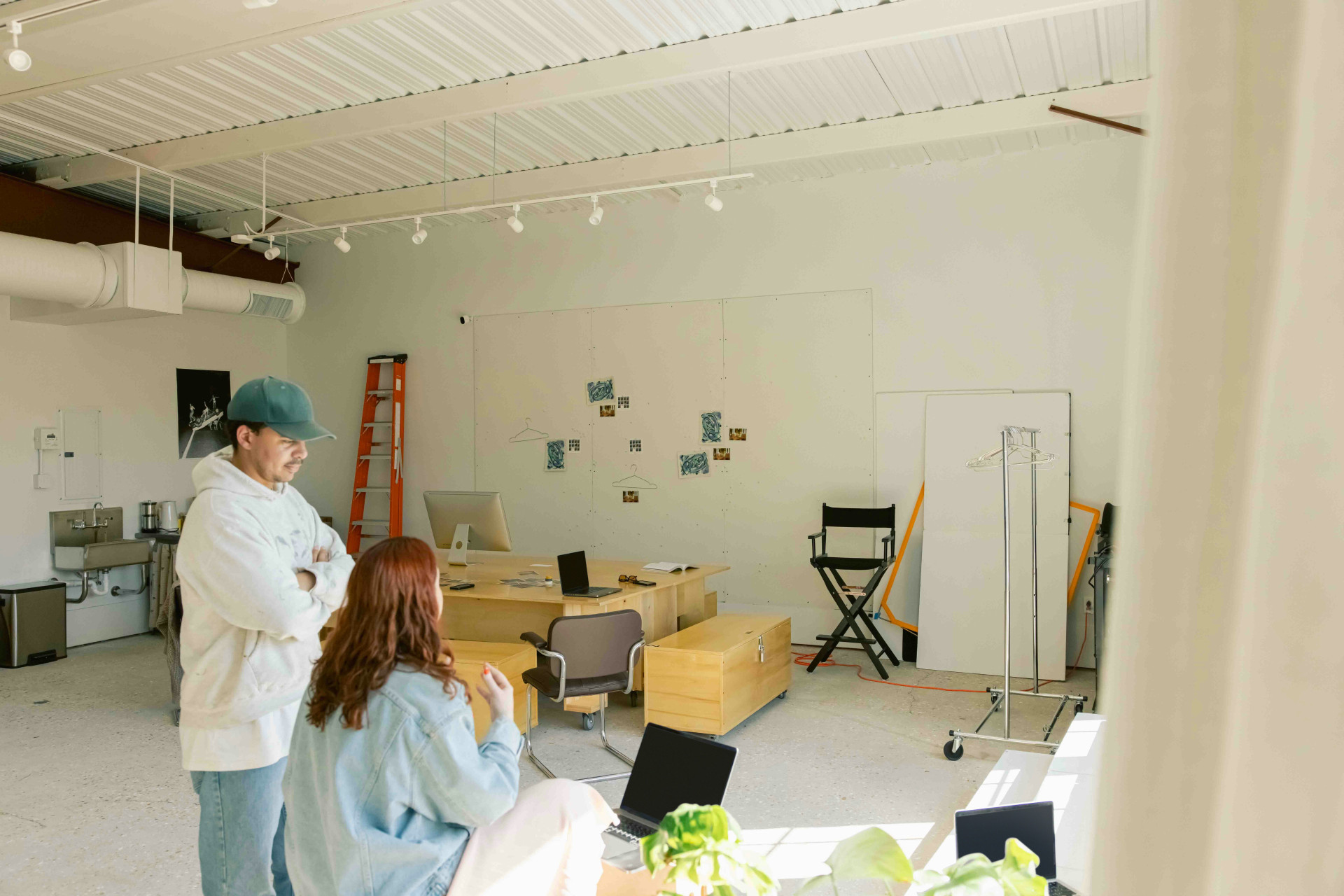
When it comes to furnishing a home, it’s rare that everyone under the same roof has identical needs. Teens often want something modern, light, and expressive, while adults tend to value comfort, quality, and durability. But as homes get smaller and lifestyles more fluid, the demand for furniture that adapts to different ages and life stages is growing. Flexibility in design isn’t just about looks—it’s about creating furniture that evolves with life.
Design That Grows With You
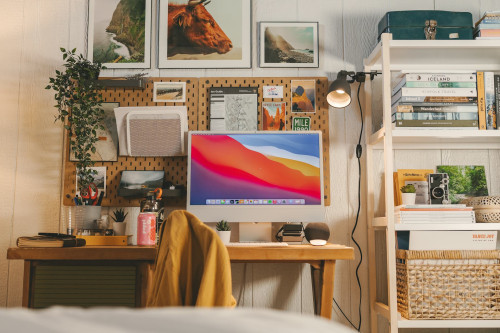
A well-designed piece of furniture should serve multiple purposes and fit into different contexts. This is especially true in households where generations share space or where teens gradually take over more of the home. A height-adjustable desk, for example, can work for both a high school student and a parent working remotely. A modular sofa can shift from a cozy hangout spot to a guest bed, and an extendable dining table can handle everything from weekday dinners to big family gatherings.
Flexible design means furniture doesn’t have to be replaced every time life changes—it can be adapted instead.
Materials That Last—and Can Be Renewed
When furniture is meant to serve both teens and adults, material choice is key. Surfaces need to withstand wear and tear while remaining easy to maintain. Wood, metal, and high-quality laminates are popular because they combine durability with timeless appeal.
More and more American furniture brands now offer pieces with replaceable or upgradeable parts. Swappable covers, interchangeable legs, or modular components make it possible to refresh a piece without discarding it. That’s both economical and sustainable—perfect for a generation that values longevity and mindful consumption.
Multifunctional Solutions for Modern Living
In many homes, one room has to serve several purposes. That puts pressure on furniture to be versatile. A sleeper sofa in the living room, a fold-down table in the kitchen, or a shelving unit that doubles as a room divider are all examples of smart solutions that make the most of limited space.
For teens living in dorms or small apartments, multifunctional furniture is a necessity. For adults, it’s a practical way to create flexibility—especially when home needs to accommodate work, relaxation, and guests. The key is to think in zones and functions rather than fixed rooms.
Style That Bridges Generations
Tastes change with age, but some design principles remain timeless. Clean lines, neutral colors, and natural materials create a foundation that can be personalized with accessories and textiles. This allows furniture to evolve as the home’s style changes.
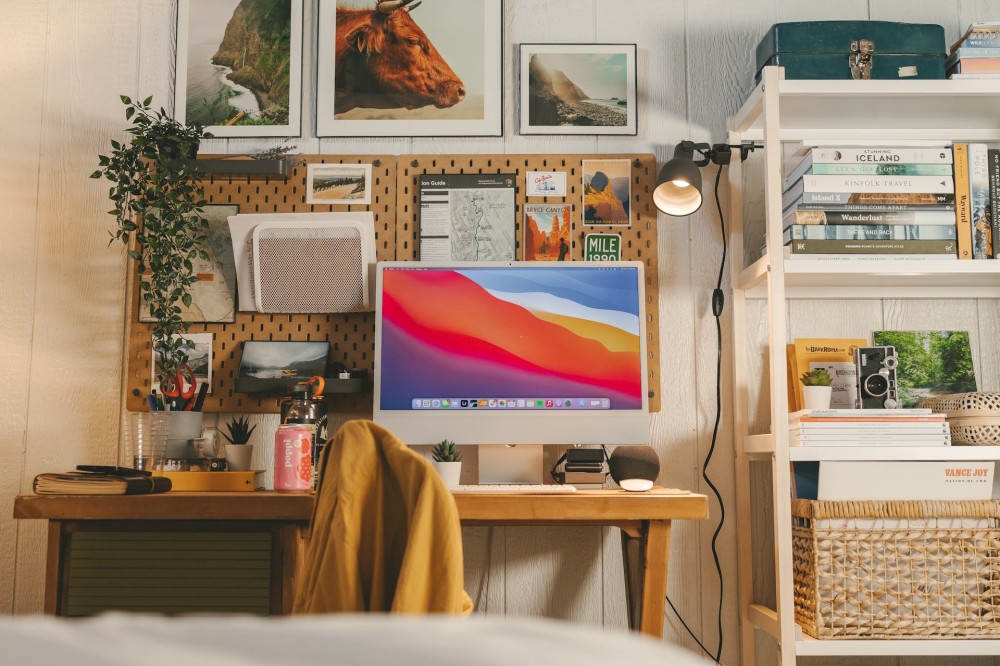
Teens can add personality with bold colors, posters, and lighting, while adults may prefer calm, balanced tones. Flexible design makes room for both—without compromise.
Læs også:

Sustainability as a Shared Value
Both younger and older generations are increasingly focused on sustainability. Choosing furniture that lasts, can be repaired, or is made from recycled materials is an investment in both the environment and the household budget. Many U.S. designers are now embracing circular design principles, creating furniture that can be disassembled, reused, and updated over time.
That makes flexibility in design more than a matter of function—it becomes a statement of responsibility and care.
A Home That Evolves With Life
Furniture that fits both teens and adults is ultimately about creating a home that grows with its inhabitants. When design is flexible, the home becomes a place where generations can share space, adapt to change, and build new experiences—without starting from scratch every time life shifts.
Flexibility in design isn’t just a trend; it’s a way of thinking about living spaces that offers freedom, durability, and room for change.
Læs også: