Organize your tools – find what you need in no time

Organize your tools – find what you need in no time
A well-organized workshop or garage doesn’t just make projects easier – it makes them more enjoyable. When every tool has its place, you save time, avoid frustration, and can focus on the work itself. Whether you’re into woodworking, car repair, home improvement, or creative crafts, a smart system for your tools can make a big difference. Here’s how to bring order to your workspace so you can always find what you need in seconds.
Start by clearing out and sorting
Before you start organizing, take stock of what you actually have. Over the years, most of us accumulate tools that are broken, outdated, or simply unused.
- Go through everything – toss what’s broken and donate or sell what you don’t use.
- Create categories – for example, hand tools, power tools, measuring tools, fasteners, and accessories.
- Check for duplicates – you probably don’t need three hammers or five identical screwdrivers.
Once you’ve sorted your tools, it’s much easier to plan how to store them efficiently.
Create a storage system
A good system makes tools easy to find and just as easy to put away. The best setup depends on your space and how you work.
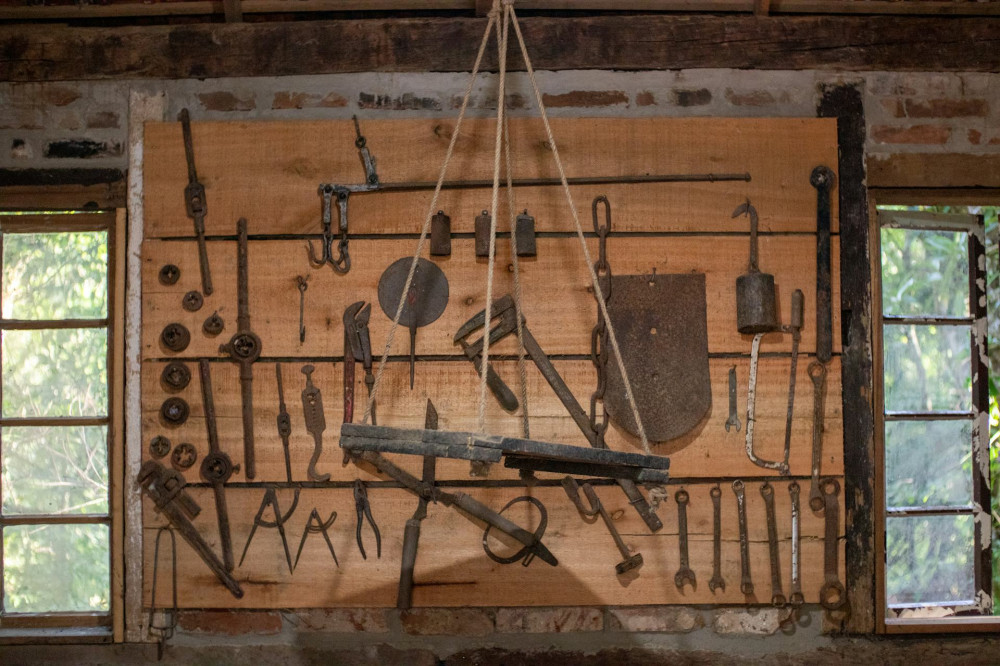
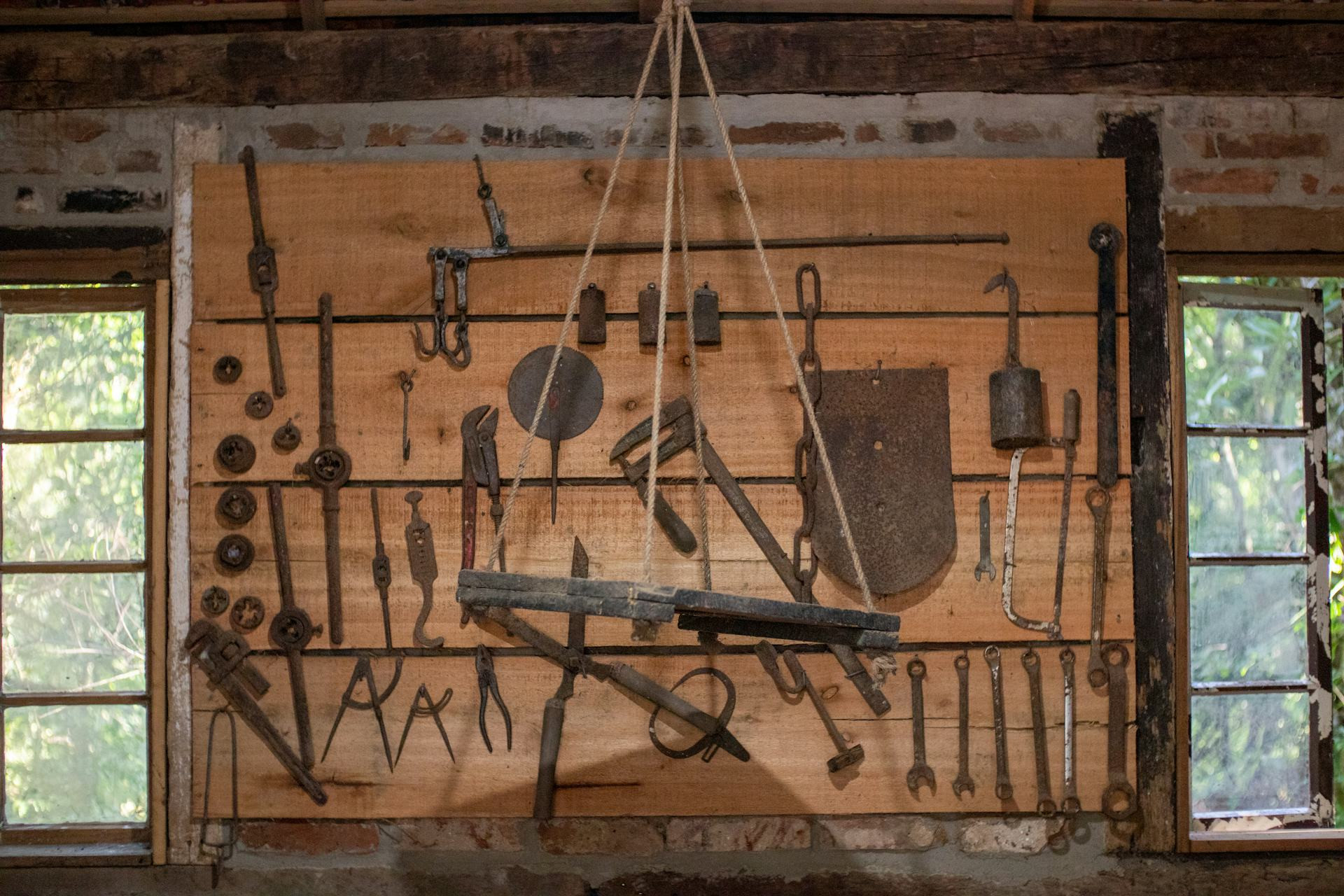
- Pegboards and wall mounts give you a quick overview. Use hooks, holders, and outlines so each tool has a designated spot.
- Drawers and bins are perfect for small items like screws, nails, and drill bits. Label them clearly to save time.
- Shelves and racks work well for larger equipment, paint cans, and materials.
- Magnetic strips are great for screwdrivers, wrenches, and scissors – they keep tools visible and within reach.
Think in zones: keep frequently used tools at eye level or within arm’s reach, and store rarely used items higher up or farther away.
Label and color-code
Labeling might seem like a small detail, but it’s one of the most effective ways to stay organized. It also helps others in your household find what they need without asking.
- Use labels on drawers, bins, and shelves.
- Consider color-coding – for example, blue for power tools, green for garden tools, and red for hand tools.
- For small parts, you can even attach photos of the contents to the outside of containers.
These simple steps make your system intuitive and easy to maintain.
Plan your workflow
Organization isn’t just about storage – it’s also about how you move and work in the space. Think about your typical projects and arrange your tools accordingly.
- Place your workbench centrally, with enough room to move around it.
- Ensure good lighting, both general and task-specific.
- Keep power outlets and extension cords accessible to avoid cable clutter.
- Maintain clear floor space for safety and mobility.
The more logical your layout, the smoother your projects will go.
Læs også:



Maintain your system
Even the best system won’t stay effective if you don’t maintain it. Set aside time now and then to tidy up and make adjustments.
- Always put tools back after use.
- Review your setup a few times a year – especially before or after big projects.
- Update your system when you add new tools or change your workflow.
Organization is an ongoing process, but it pays off every time you start a new project.
Make it your own
Functionality is key, but your workspace should also reflect your personality. Add posters, vintage signs, or photos that inspire you. A space that feels inviting will motivate you to keep it clean and organized.
Ready for your next project
When every tool has a home and you can find what you need in no time, your work becomes faster, safer, and more satisfying. You’ll spend less time searching and more time creating – and that’s what a great workshop is all about.
Læs også: