Keep Pests Away with Natural Remedies, Good Ventilation, and Thorough Cleaning

Keep Pests Away with Natural Remedies, Good Ventilation, and Thorough Cleaning
Pests in the home can be both annoying and unhygienic. Ants in the kitchen, moths in the closet, or silverfish in the bathroom are problems most people encounter at some point. Fortunately, with a few simple, natural methods and good habits, you can prevent these unwanted guests from moving in. Here’s a guide to keeping pests away—without harsh chemicals, but with natural remedies, fresh air, and thorough cleaning.
Create an Environment Pests Don’t Like
Most pests are drawn to warmth, moisture, and easy access to food. Prevention starts with making your home less inviting to them. Keep a stable indoor temperature, avoid damp corners, and clean up food spills quickly.
- Keep the kitchen clean: Wipe up crumbs and spills right away, and store food in airtight containers. Flour, sugar, and grains should be kept in sealed glass or plastic jars.
- Empty the trash regularly: Organic waste attracts flies, roaches, and rodents. Use trash bags that seal tightly and clean the bin often.
- Control moisture: Wipe down bathroom surfaces after showers and use exhaust fans to reduce humidity. Many insects, such as silverfish and mold beetles, thrive in damp environments.
A dry, clean, and well-ventilated home is your best defense against most pests.
Natural Remedies That Work
There are many natural ways to deter pests without resorting to chemical sprays or traps.
- Vinegar and lemon: Ants and flies dislike strong acidic scents. Wipe surfaces with a mix of vinegar and water, or place lemon slices near windows and doors.
- Lavender and cedar: Moths avoid these fragrances. Place small sachets of dried lavender or cedar blocks in closets and drawers.
- Peppermint oil: A few drops mixed with water in a spray bottle can help repel mice and spiders. Spray along baseboards, windowsills, and entryways.
- Baking soda and sugar: A classic combination for cockroaches and ants. The sugar attracts them, while the baking soda is lethal once ingested.
These remedies are eco-friendly and safe to use around children and pets.
Good Ventilation – A Simple but Powerful Tool
Proper ventilation is one of the most overlooked yet effective ways to prevent pests. Fresh air reduces humidity and odors that can attract insects.
Open windows for a few minutes several times a day to let air circulate. Cross-ventilation for 5–10 minutes helps lower indoor humidity and prevents dust and mold buildup. In basements or bathrooms where moisture is persistent, consider using a dehumidifier.
A dry, well-ventilated home is not only healthier for you but also far less appealing to pests.
Læs også:

Cleaning as Prevention
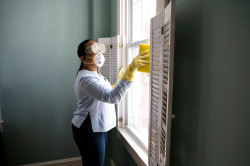
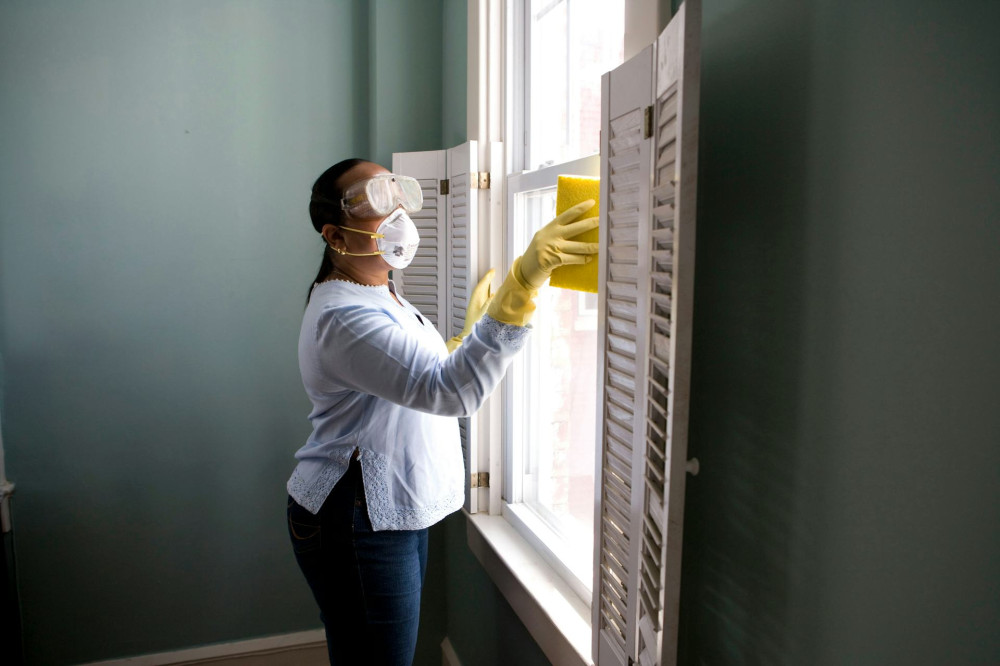
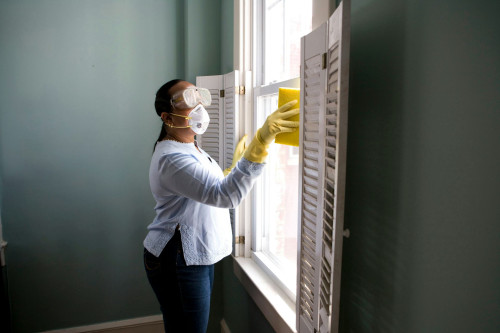
Regular cleaning is key to spotting and stopping pest problems early. When you clean thoroughly, you’re more likely to notice signs of activity—such as droppings, small holes in packaging, or dead insects.
- Vacuum under furniture and along baseboards where crumbs and dust collect.
- Wipe down cabinets and drawers a few times a year, especially in the kitchen.
- Wash textiles, rugs, and curtains regularly to remove dust and any potential insect eggs.
By combining cleaning with natural remedies and good ventilation, you create a home environment where pests can’t thrive.
When Prevention Isn’t Enough
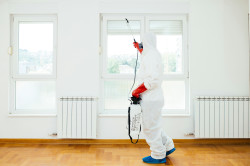
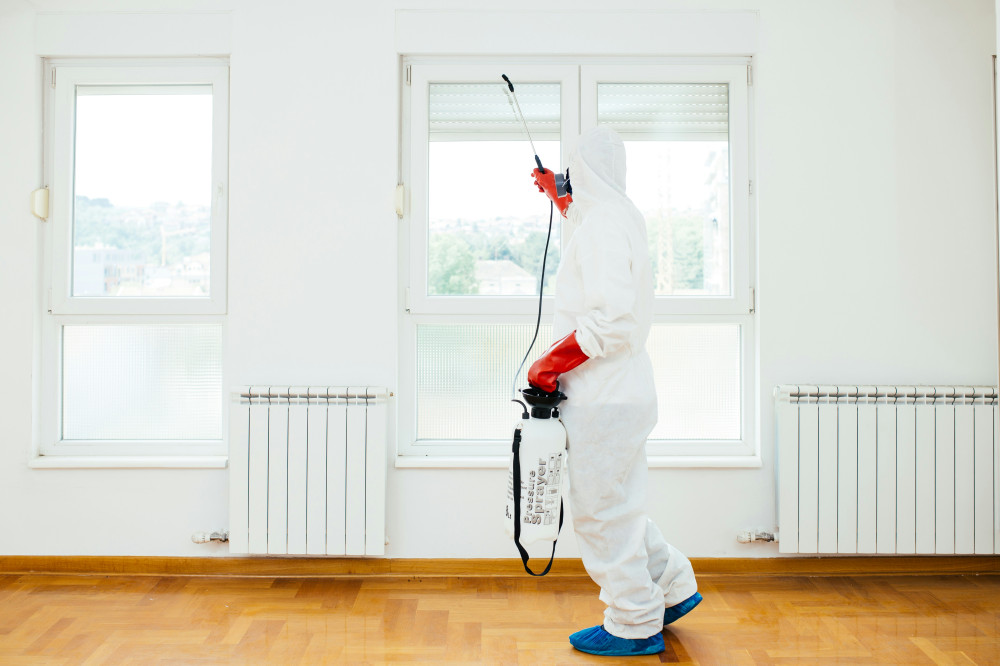
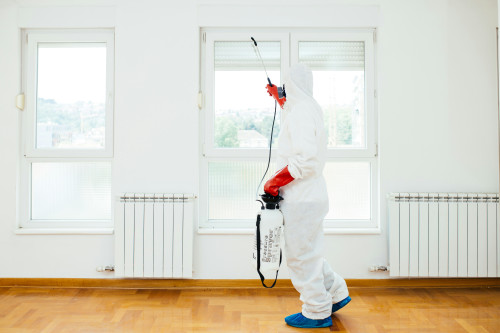
Even with the best habits, pests sometimes find their way in. If you notice a larger infestation—such as mice in the walls or a heavy moth problem—it may be time to call a professional pest control service. They can identify the source and ensure the issue doesn’t return.
In most cases, though, a few natural methods, consistent cleaning, and proper ventilation are all you need to keep your home pest-free—without relying on toxic chemicals.
Læs også: