Plan Your Roofing Work According to Season and Weather Conditions


Plan Your Roofing Work According to Season and Weather Conditions
A roof can last for decades, but only if it’s maintained and repaired at the right times. Weather and seasonal conditions play a major role in determining when roofing work should be done—both for the sake of material performance and worker safety. Whether you’re planning a full roof replacement or just need a few shingles replaced, good timing can save you time, money, and stress.
Here’s a guide to help you plan your roofing work according to the season and weather conditions in the United States, so your roof stays strong and reliable year-round.
Spring – The Ideal Time for Inspections and Minor Repairs
As winter fades, spring is the perfect time to inspect your roof for damage caused by snow, ice, and wind. Freeze-thaw cycles can loosen shingles, crack flashing, or clog gutters with debris. The mild temperatures and relatively stable weather make spring ideal for small repairs and maintenance.
- Check for winter damage on shingles, flashing, and gutters.
- Clean gutters and downspouts to ensure proper drainage before spring rains.
- Replace damaged shingles and seal any leaks before summer storms arrive.
Spring is also a great time to schedule a professional roof inspection. A roofer can identify hidden issues and help you plan for larger projects later in the year.
Summer – Peak Season for Major Roofing Projects
Summer is the busiest season for roofing—and for good reason. Warm, dry weather provides the best conditions for installing or replacing a roof. Asphalt shingles, metal panels, and other materials adhere and seal properly when moisture is low and temperatures are consistent.
If you’re planning a complete roof replacement, summer is often the best time to do it. However, because many contractors are booked months in advance, it’s wise to schedule your project early in the year.
Keep in mind that extreme heat can make roof surfaces dangerously hot, especially in southern states. Roofers may need to start early in the morning or take extra safety precautions to avoid heat-related risks.
Fall – Prepare Your Roof for Winter
Fall is all about getting your roof ready for the cold, wet months ahead. It’s your last chance to make sure everything is watertight and secure before snow and ice arrive.
- Clean gutters and downspouts again after the leaves have fallen.
- Inspect flashing and valleys for cracks or gaps that could let water in.
- Check attic insulation and ventilation to prevent condensation and ice dams.
Because fall weather can be unpredictable, it’s best to complete major projects by mid-October in most regions. Smaller repairs can still be done later, as long as temperatures stay above freezing and conditions are dry.
Winter – Time for Planning and Indoor Preparation
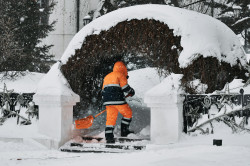
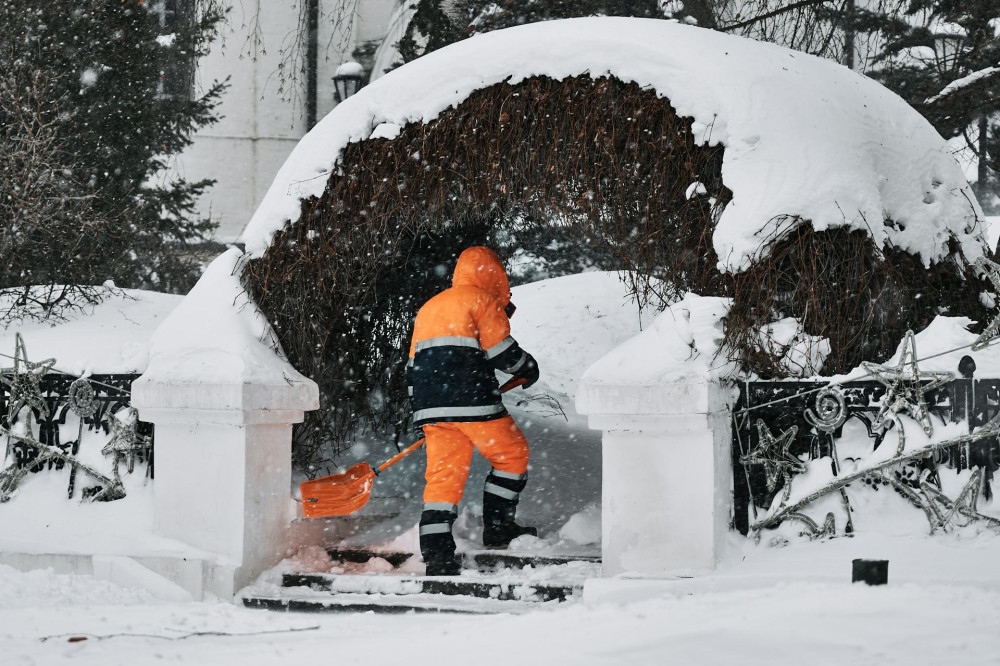
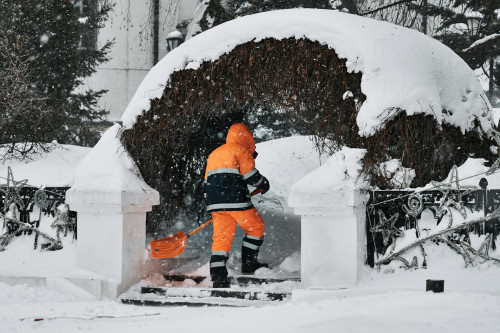
Winter is rarely suitable for outdoor roofing work. Cold temperatures, snow, and ice make the job unsafe and can prevent materials from sealing properly. Instead, use the winter months to plan ahead.
- Gather quotes and project timelines for upcoming work.
- Research materials and energy-efficient options if you’re considering a new roof.
- Make sure your attic is dry and well-insulated to reduce heat loss and moisture buildup.
By the time spring arrives, you’ll be ready to move forward without delays.
Weather Conditions – A Factor You Can’t Control but Can Plan For
Even the best planning can be disrupted by weather. Rain, wind, and temperature swings affect both safety and quality. To minimize problems:
- Monitor the forecast closely before and during your project.
- Build flexibility into your schedule in case of bad weather.
- Secure materials and equipment against wind and rain.
A professional roofing contractor will always account for weather conditions, but as a homeowner, it helps to understand why delays sometimes happen—it’s all about ensuring a safe and lasting result.
Læs også:



A Roof That Lasts – With Planning and Care
Your roof is one of your home’s most important structures, and it deserves regular attention. By planning your roofing work around the seasons and weather, you can extend its lifespan, prevent costly damage, and ensure the job is done under the best possible conditions.
Whether you handle small maintenance tasks yourself or hire professionals, the key is the same: plan ahead, choose the right time, and let the weather work with you—not against you.
Læs også: