Natural Materials in the Nursery Create a Healthy Indoor Environment

Natural Materials in the Nursery Create a Healthy Indoor Environment
A nursery should be a safe and soothing space — a place where your baby can sleep, play, and grow. But many modern building materials and furnishings release chemicals that can affect indoor air quality. That’s why more parents in the U.S. are turning to natural materials when designing their child’s room. These materials are not only healthier but also durable, beautiful, and comforting. Here’s how you can create a healthy indoor environment using nature’s own resources.
Why Natural Materials Matter
Indoor air quality in a nursery is influenced by everything from paint and flooring to furniture and fabrics. Many synthetic products emit volatile organic compounds (VOCs), which can cause headaches, respiratory irritation, or sleep disturbances. Natural materials such as solid wood, wool, cotton, and clay are free from harmful additives and help maintain a more stable and pleasant indoor climate.
Wood and clay can even help regulate humidity by absorbing and releasing moisture as needed. This reduces the risk of mold and overly dry air — creating a space where your child can breathe easier and thrive.
Choose Materials with Care
When decorating your nursery, focus on the materials that cover the largest surfaces — walls, floors, and furniture.
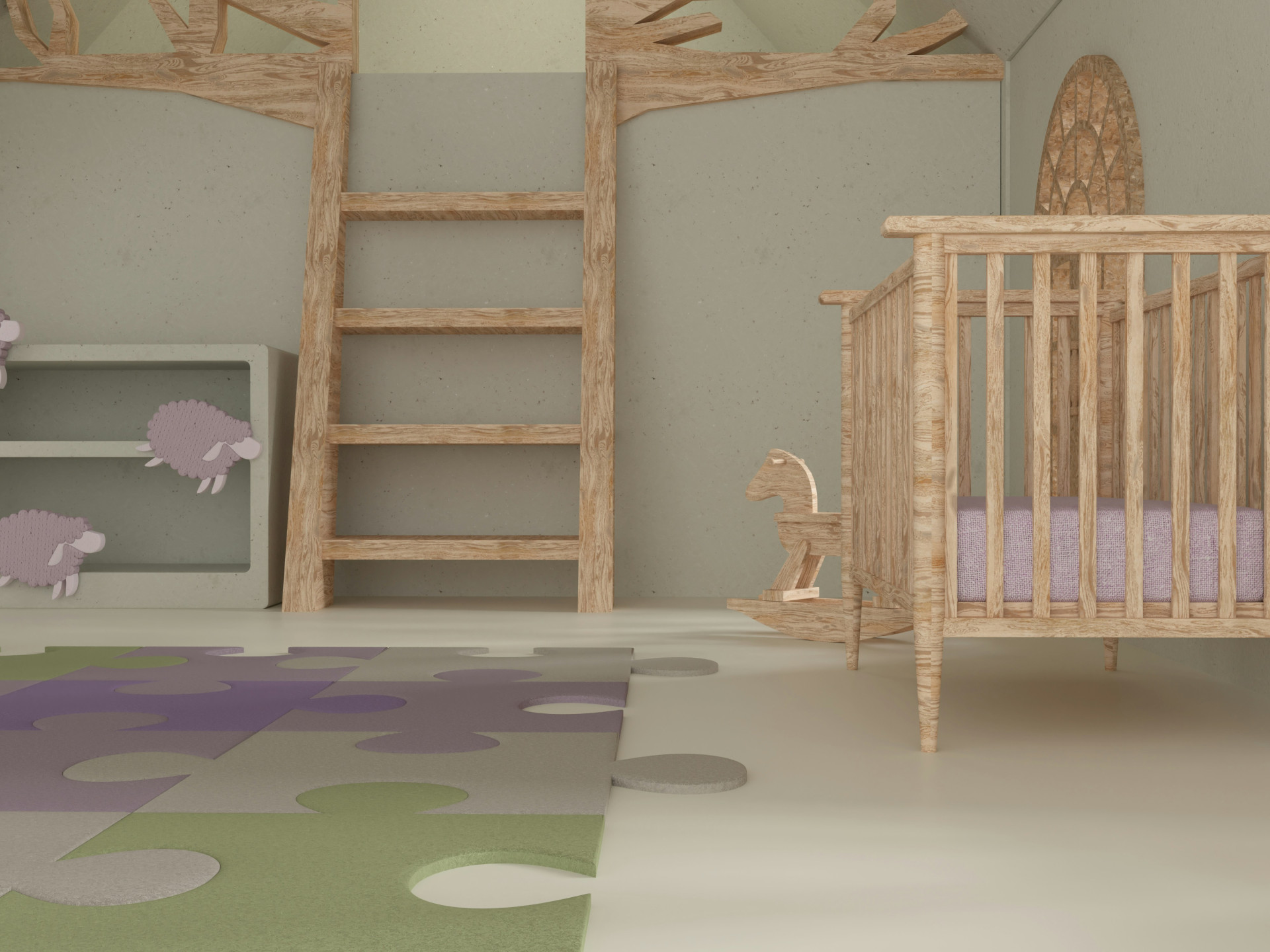
- Flooring: Solid hardwood or natural linoleum are excellent choices. They’re durable, easy to clean, and don’t emit harmful fumes. Avoid wall-to-wall carpeting, which can trap dust and allergens.
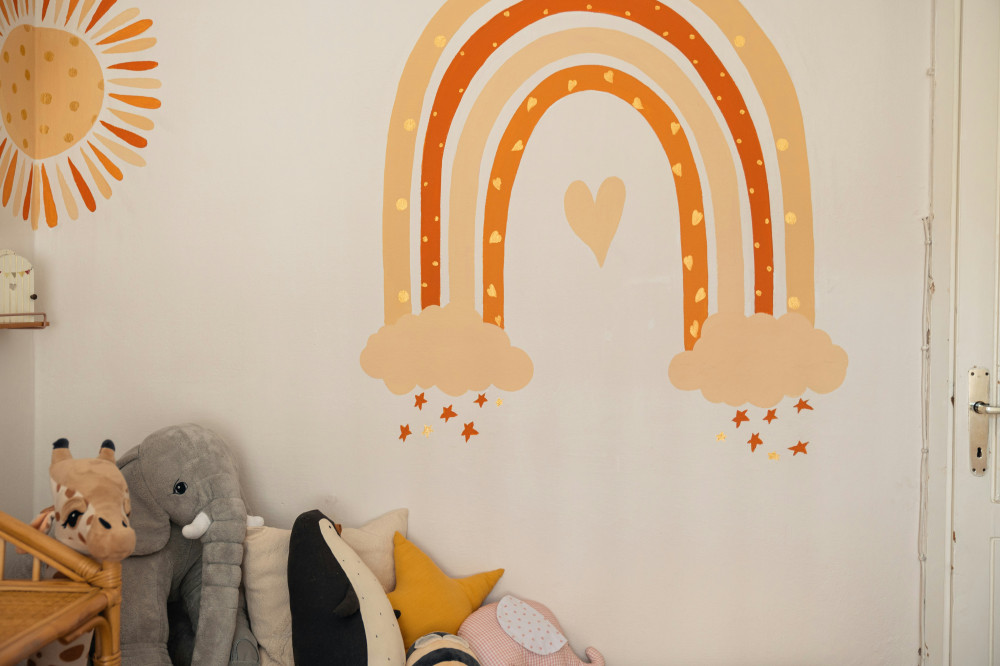
- Walls: Use low- or zero-VOC paint, or consider clay or lime-based paints for a soft, matte finish that also helps regulate humidity.
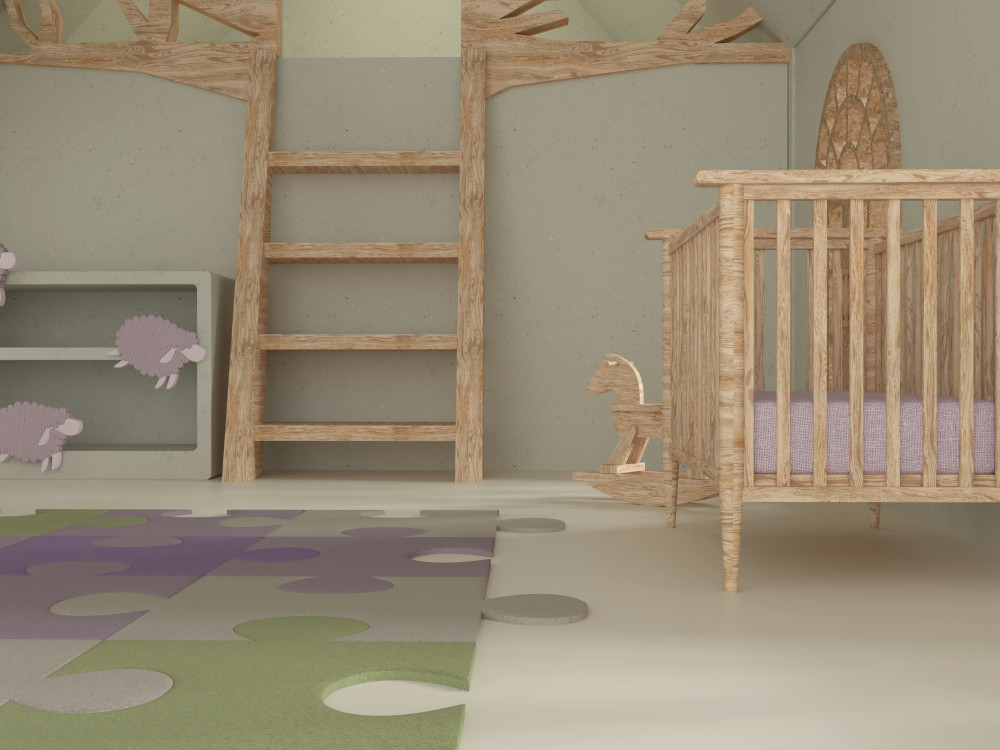
- Furniture: Opt for solid wood furniture finished with natural oils or waxes instead of laminated or particleboard pieces. Look for certifications such as FSC (Forest Stewardship Council) to ensure the wood comes from responsibly managed forests.
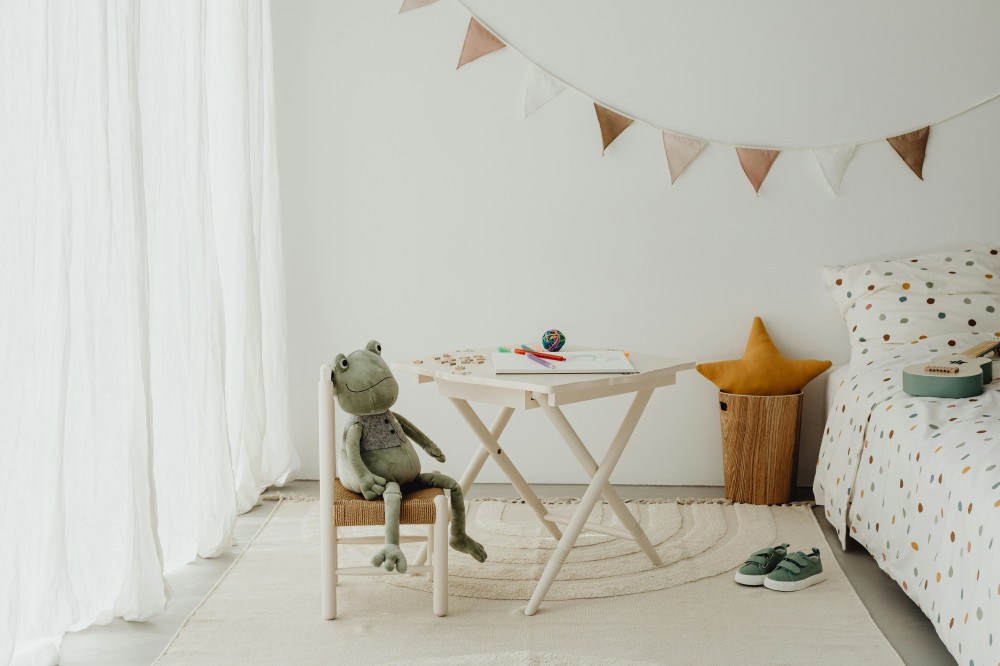
- Textiles: Organic cotton, linen, and wool are great for bedding, curtains, and rugs. They’re breathable, gentle on sensitive skin, and free from pesticide residues.
By choosing natural materials, you not only create a healthier space but also a calm, timeless atmosphere that supports your child’s sense of comfort and security.
Læs også:
Plants as Natural Air Purifiers
Houseplants can be a simple and decorative way to improve indoor air quality. Some plants — like peace lilies, snake plants, and ferns — are known to help filter certain pollutants from the air while adding moisture and life to the room. Just be sure to choose non-toxic varieties and keep them out of reach of small children.
Keep Chemicals to a Minimum
Even natural materials can lose their benefits if treated with harsh chemicals, synthetic finishes, or fragranced cleaners. Use mild soap, beeswax, or natural oils to maintain wood furniture and floors. Wash new textiles before use, and ventilate the room daily — especially after painting or assembling new furniture.
A Room That Grows with Your Child
A nursery designed with natural materials is not only healthy but also timeless. Wooden furniture can be refinished or repurposed as your child grows, and neutral colors and textures make it easy to update the space over time. It’s a sustainable approach that benefits both your family and the planet.
Small Steps Toward a Healthier Home
You don’t have to change everything at once. Start with what matters most — perhaps the paint, bedding, or flooring. Every small step toward natural materials makes a difference for your home’s air quality and your family’s well-being.
In the end, a healthy nursery is about balance: fresh air, natural materials, and a space where your child can breathe freely and feel at home.
Læs også: